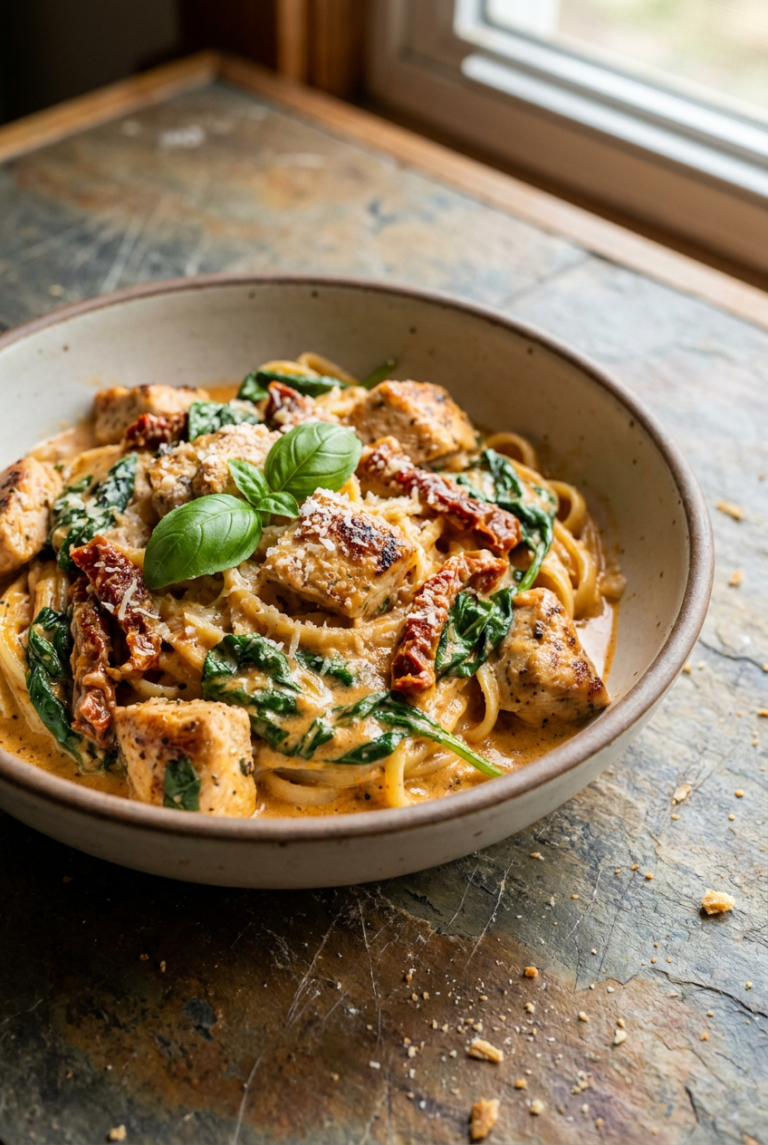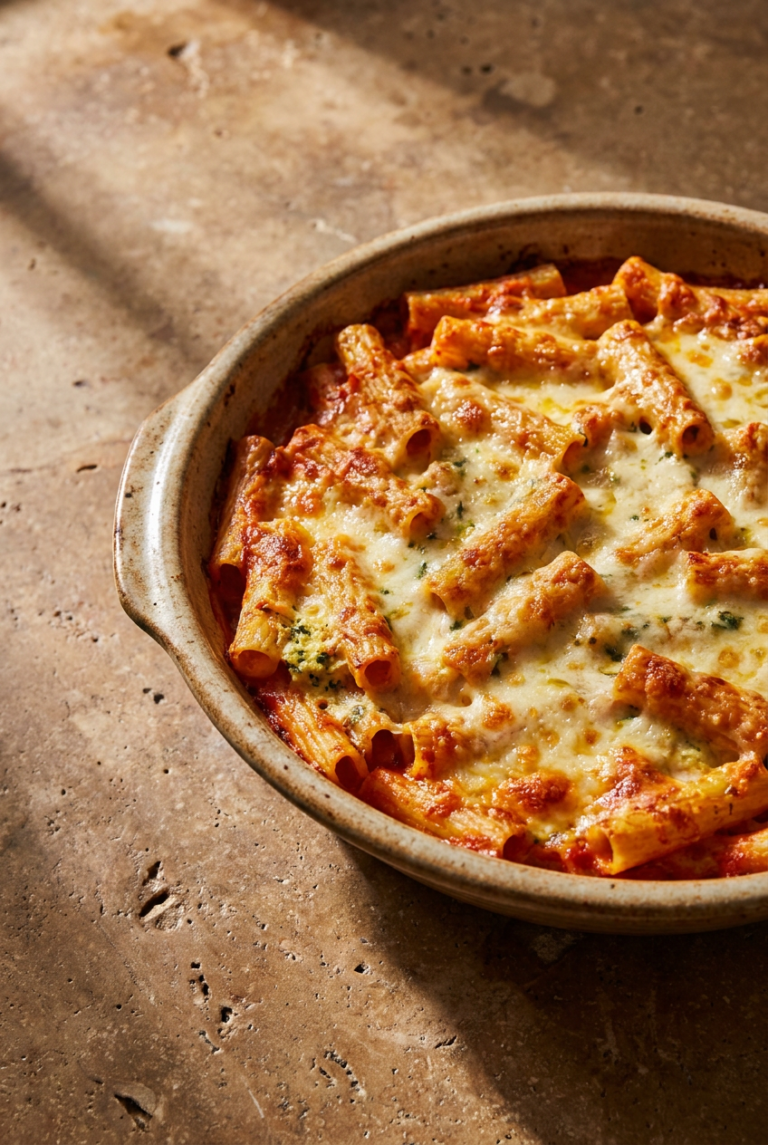
Spring Radiance Pasta Primavera Recipe, Easy Italian Dinner in 35 Minutes
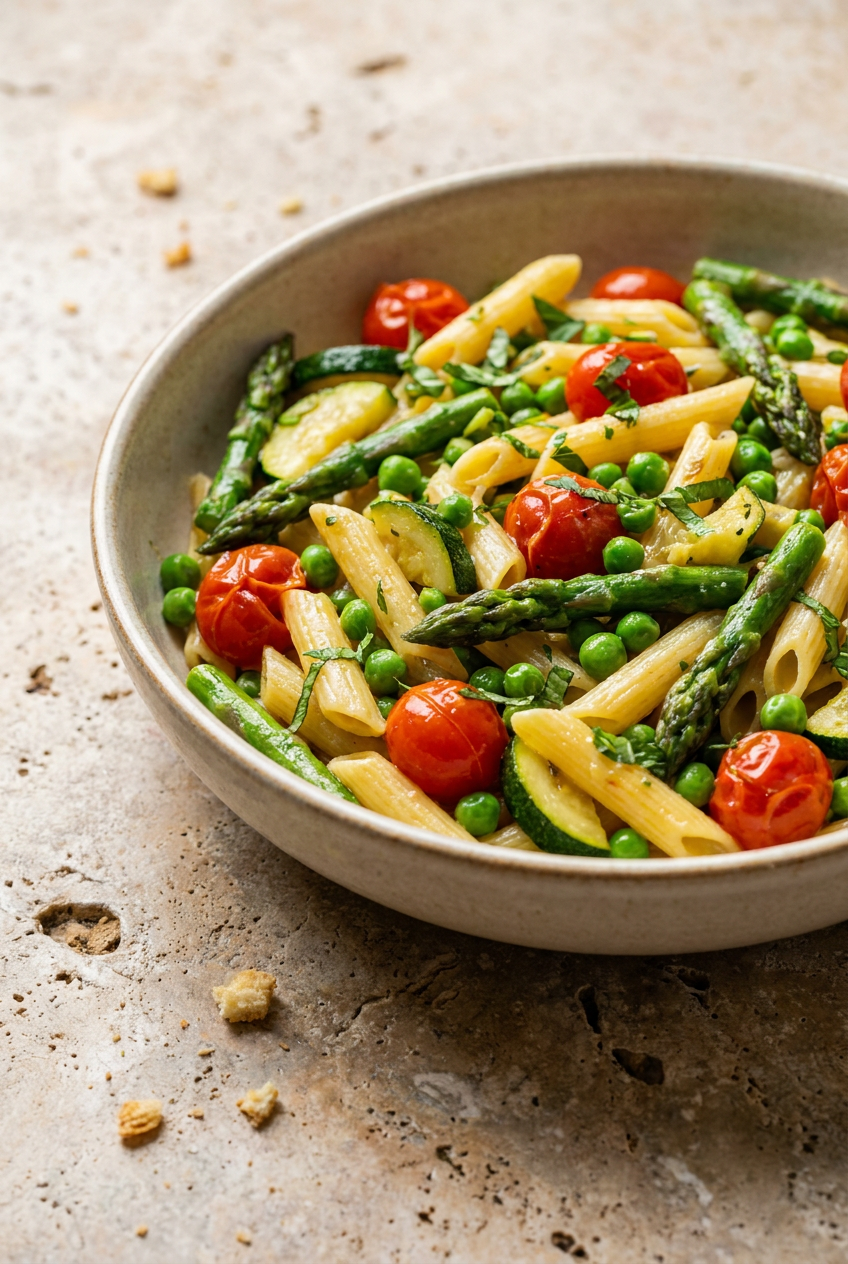
Table of Contents
- Spring Radiance Pasta Primavera Recipe: A vibrant, creamy pasta primavera bursting with crisp spring vegetables and a kiss of lemon that brings the farmers’ market to your table
- Why You Will Love This Spring Radiance Pasta Primavera Recipe
- Your Simple Ingredients for the Perfect Spring Radiance Pasta Primavera
- How to Make Perfect Spring Radiance Pasta Primavera
- Pro Tips and Easy Variations for Your Spring Radiance Pasta Primavera
- Serving Suggestions for a Perfect Dinner
- Nutrition Information
- Storage and Make-Ahead Instructions
- Your Spring Radiance Pasta Primavera Questions Answered
- More Incredible Italian Recipes to Try
- The Story Behind This Recipe
- Pin This Recipe for Later
Spring Radiance Pasta Primavera Recipe: A vibrant, creamy pasta primavera bursting with crisp spring vegetables and a kiss of lemon that brings the farmers’ market to your table
I still remember the first time I made this spring radiance pasta primavera recipe, standing in my tiny apartment kitchen with the windows thrown open, a warm breeze carrying the scent of blooming lilacs through the room. My canvas tote was still sitting on the counter, overflowing with bright green asparagus, plump sugar snap peas, and cherry tomatoes so sweet they smelled like candy. I had spent the morning wandering through the farmers’ market, filling my basket with whatever looked most alive, most vibrant, most impossibly fresh. That evening, I turned those treasures into a pasta dish so full of color and life that my husband took one bite and said, “This tastes like spring on a plate.” That is exactly what this spring radiance pasta primavera recipe delivers, a celebration of new growth and sunshine, wrapped in a silky, lemon kissed cream sauce that clings to every piece of penne. It is the kind of meal that makes you slow down and notice the beauty in simple things.
What sets this particular pasta primavera apart from dozens of others is the deliberate care given to each vegetable and the technique that locks in their brilliance. Instead of tossing everything into one pot and hoping for the best, we blanch the asparagus and snap peas separately, shocking them in ice water to stop the cooking instantly. This might sound fussy, but it takes only two extra minutes and rewards you with vegetables that are crisp tender and so vividly green they practically glow. The cream sauce is another point of distinction. There is no roux, no complicated thickening agent, just good heavy cream brought to room temperature, gently simmered with garlic, lemon zest, and fresh lemon juice until it coats the back of a spoon. The starchy reserved pasta water finishes the job, marrying the sauce and pasta into something glossy and luxurious without a hint of heaviness. If you enjoy light yet indulgent dishes that highlight fresh produce, you might also love my fluffy Japanese souffle pancakes, which share a similar airy elegance.
This recipe is for anyone who craves a dinner that feels both nourishing and a little bit special. It is for the harried parent who wants to put something beautiful on the table on a Tuesday night, for the home cook hosting a casual spring dinner party and wanting to impress without stress, and for the person who simply walked through the farmers’ market and could not resist buying every green vegetable in sight. It works as a standalone vegetarian main course, but it also pairs beautifully alongside grilled fish or roasted chicken for those who want a heartier plate. Make it for Easter lunch, a Mother’s Day gathering, or a quiet weeknight when you need a reminder that fresh, real food can be deeply restorative. However you come to it, this spring radiance pasta primavera recipe will meet you where you are and make you look like a very good cook.
Why You Will Love This Spring Radiance Pasta Primavera Recipe
- Truly vibrant vegetables that stay crisp. The quick blanch and ice water shock technique locks in a bright green color and a satisfying crunch that holds up beautifully in the sauce. Nobody wants limp, gray asparagus, and with this method you will never have to worry about that again.
- A cream sauce that feels light and bright. Heavy cream is balanced by fresh lemon juice and zest, cutting through the richness so every bite dances between silky and tangy. It coats the pasta without weighing it down, leaving you satisfied but never heavy.
- Faster than you think. From the moment you set your pasta water to boil until you are twirling that first forkful, you are looking at about 35 minutes total. Multi-tasking the blanching and sauce building while the pasta cooks makes the whole process feel swift and efficient.
- Flexible to what is fresh near you. Do not have sugar snap peas? Use snow peas or even thin green beans. Are asparagus stalks looking sad at the store? Substitute broccoli florets or zucchini. This recipe is a template that welcomes whatever spring produce looks best in your neck of the woods.
- Stunning enough for company yet easy enough for a weeknight. The jewel tones of the vegetables against the creamy pasta make a presentation that looks far more effortful than it actually is. You can serve it in a large warm bowl at the table and watch everyone’s eyes light up.
- Vegetarian comfort food with real substance. Thanks to the Parmesan, cream, and generous heap of vegetables, this dish is filling and complete on its own. The protein from the cheese and the fiber from all those greens make it a genuinely satisfying meatless dinner.
Your Simple Ingredients for the Perfect Spring Radiance Pasta Primavera
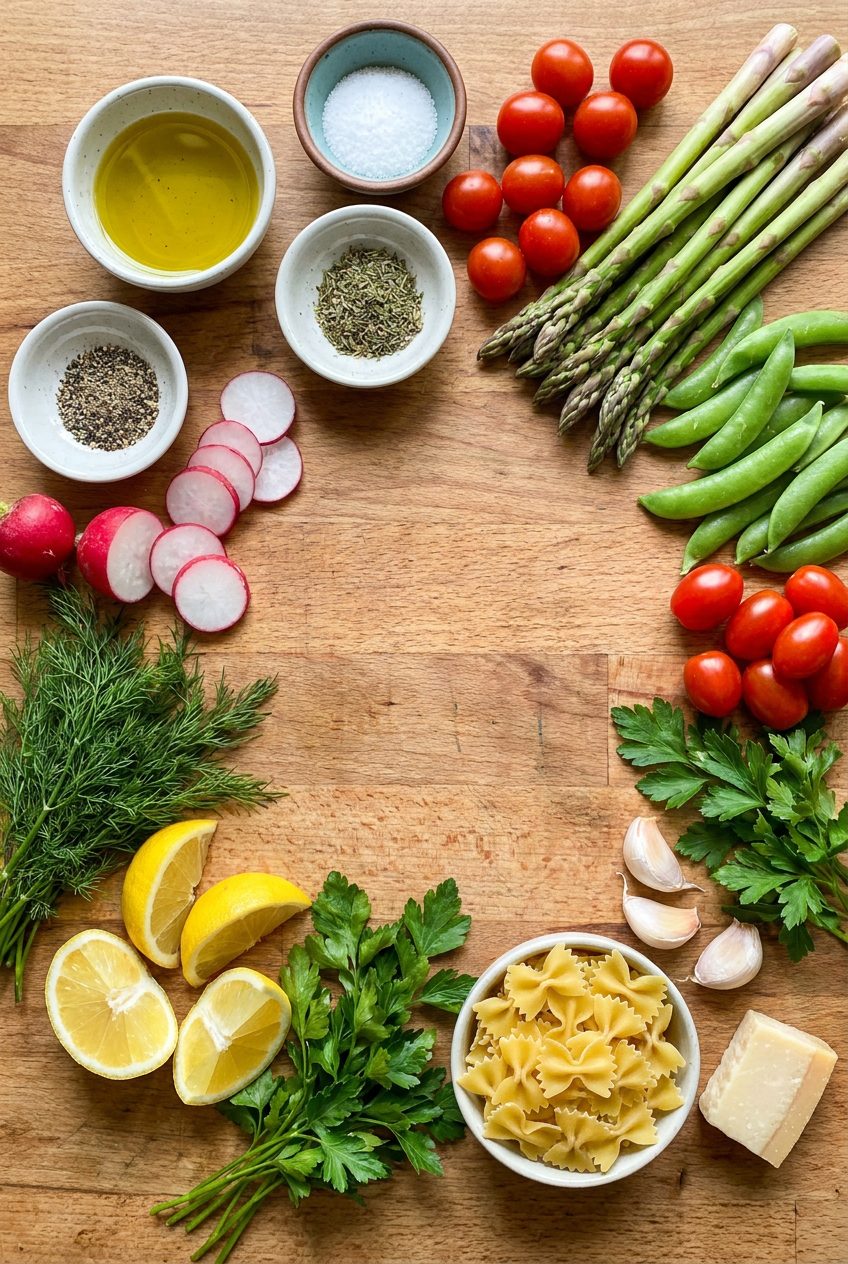
Pasta
- 1 lb penne pasta, or other short pasta
- 2 Tbsp salt, for pasta water
Vegetables
- 1 cup asparagus, trimmed and cut into 1-inch pieces
- 1 cup sugar snap peas, halved or whole if small
- 1 cup cherry tomatoes, halved
- 1/2 cup frozen peas, thawed
- 2 cloves garlic, minced
Sauce
- 2 Tbsp unsalted butter
- 1 Tbsp olive oil
- 1 cup heavy cream, room temperature
- 1 tsp lemon zest, finely grated
- 2 Tbsp fresh lemon juice
- 1/2 cup grated Parmesan cheese, plus extra for serving
- 1/4 cup fresh basil leaves, torn, plus more for garnish
- to taste salt and black pepper
Ingredient Notes
Penne Pasta. Penne is the ideal shape for this dish because its ridges and hollow center trap the creamy sauce and little bits of vegetable, ensuring every bite is well coated and flavorful. When buying pasta, look for bronze die cut varieties if you can find them, they have a rougher texture that grabs sauce even better. In a pinch, any short pasta like rigatoni, fusilli, or farfalle works beautifully, and I have even made this with spaghetti when that was all I had in the pantry.
Asparagus. Spring asparagus is the star here, bringing a grassy, slightly sweet flavor and a tender yet snappy texture. Look for firm, bright green stalks with tightly closed tips. Thin stalks are more tender and cook faster, but thicker ones work well too, just peel the bottom third of thick stalks to remove any woody exterior. If asparagus is out of season or unavailable, broccolini or thin green beans are your best substitutes.
Sugar Snap Peas. These crunchy sweet pods add a juicy pop of freshness and a beautiful different shade of green. Choose peas that are firm and unblemished, with no yellowing or soft spots. Snow peas can step in seamlessly, or you can even use shelled fresh peas if you are lucky enough to find them at the market. Frozen peas, which we are already using, round out the green medley even more.
Heavy Cream. This is what creates the lush, velvety sauce that makes this spring radiance pasta primavera recipe feel so special. Full fat heavy cream with at least 36% milk fat gives the best body and least risk of curdling. Let it sit on the counter for 20 minutes before using, room temperature cream emulsifies more smoothly into the warm skillet. For a lighter sauce, half and half can work, but it will be thinner and requires a bit more Parmesan to help thicken things up.
Parmesan Cheese. Freshly grated Parmesan is non negotiable here. Pre shredded cheese often contains anti caking agents that prevent it from melting smoothly, leaving you with a grainy sauce. Buy a wedge of real Parmigiano Reggiano and grate it yourself on a microplane. The nutty, salty depth it brings is essential to balancing the bright lemon and sweet vegetables. In a vegan variation, nutritional yeast can provide a savory cheesy note, though the result is different in character.
Fresh Basil. The aromatic, peppery sweetness of fresh basil ties everything together and makes the dish smell like an Italian garden. Tear it by hand rather than chopping to avoid browning and to release the oils gently. Dried basil is not a good substitute in this recipe, but if you absolutely must, add a pinch of dried Italian seasoning along with the cream and garnish with whatever fresh green herbs you do have, parsley or chives are nice.
Lemon Zest and Juice. The lemon works double duty, the zest carries bright aromatic oils that infuse the cream, while the juice adds a sharp tang that cuts through richness. Use a microplane to get the zest fine enough to disappear into the sauce without leaving gritty flecks. Always zest before juicing, and strain the juice to catch any seeds.
How to Make Perfect Spring Radiance Pasta Primavera
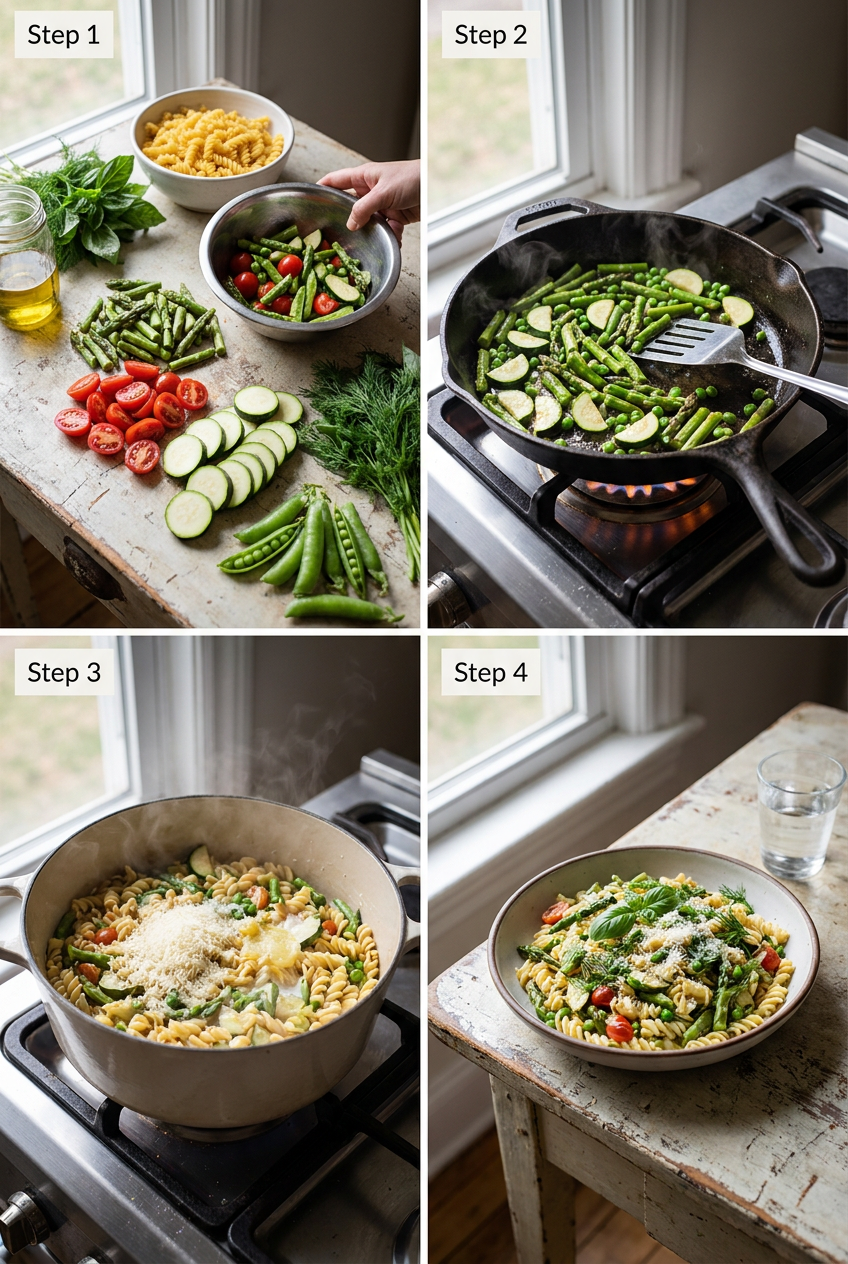
Phase 1: Prepare the Pasta and Vegetables
Boil the Pasta. Fill your largest pot with water, at least 5 quarts, and bring it to a rolling boil over high heat. Do not be shy with the salt, add the full 2 tablespoons once the water is boiling hard. The pasta water should taste like the sea because this is your only chance to season the pasta itself from the inside out. Add the penne and cook until just shy of al dente, about 1 minute less than the package minimum time. The pasta will continue to cook and absorb sauce later, so pulling it early prevents mushiness. Before draining, ladle out a full cup of that cloudy, starchy pasta water and set it aside. Then drain the pasta in a colander but do not rinse it, you want the starch to remain on the surface to help the sauce cling.
Blanch the Vegetables. While the pasta water is coming to a boil, fill a second pot with water and bring it to a boil as well. Add a generous pinch of salt. Once boiling, slide in the asparagus and snap peas and start a timer for 2 minutes. You will see them turn intensely bright green and just barely soften. The moment the timer goes off, fish them out with a slotted spoon or drain them in a colander and immediately plunge them into a bowl of ice water. This shocking stops the cooking process cold, preserving that vibrant color and crisp tender bite. Let them sit in the ice bath for a minute, then drain well and set aside. This step can be done while the pasta water is still heating to save time, just have your ice water ready to go.
Phase 2: Build the Creamy Lemon Sauce
Sauté Aromatics. Set a large, wide skillet over medium heat and add the butter and olive oil together. The combination is intentional, butter brings flavor and richness, while the oil raises the smoke point so the butter does not burn. When the butter has melted and the mixture shimmers, add the minced garlic and stir constantly with a wooden spoon or spatula. You are looking for about 60 seconds of sizzling until the garlic releases its perfume and turns a pale gold. If it browns, it will turn acrid and bitter, so keep it moving and lower the heat if needed. Your kitchen should smell wonderfully garlicky at this point.
Build the Cream Sauce. With the pan still on medium heat, pour in the heavy cream that you wisely brought to room temperature earlier. Cold cream hitting a hot pan can curdle or separate, so this small step saves you from a broken sauce. Add the finely grated lemon zest and the fresh lemon juice, stirring to combine everything. Let the mixture come to a gentle simmer, you will see small bubbles forming around the edges of the pan. Cook for 2 to 3 minutes, stirring occasionally, until the sauce visibly thickens enough to coat the back of a spoon. Run your finger through the sauce on the spoon, and the line should hold without running. Be careful not to let it boil furiously or reduce too much, gentle is the word here.
There is a moment when making this sauce that reminds me of other delicate, rewarding kitchen projects, like carefully folding egg whites into batter for blueberry lemon ricotta pancakes. Both require patience and a gentle hand, and both reward you with something impossibly airy and tender. This sauce is the same way, coax the cream into thickening rather than forcing it, and it rewards you with a texture that feels both rich and weightless.
Phase 3: Bring It All Together
Combine and Finish. Now for the grand finale. To the skillet with the gently bubbling sauce, add the blanched asparagus, snap peas, the thawed frozen peas, and the halved cherry tomatoes. Use your spoon to toss everything together, coating each vegetable in cream. The tomatoes will warm through and just barely release their juices. Then add the drained penne, the grated Parmesan, and the torn basil. Give everything a vigorous toss, using tongs or two spoons, to distribute the sauce and vegetables evenly. The glorious part now is to pour in the reserved pasta water, a few tablespoons at a time, tossing continuously. You will see the sauce transform from a thick coating into a glossy, silky emulsion that clings to every piece of pasta. Add just enough water to reach that perfect consistency, usually about 1/4 to 1/2 cup total. Taste a forkful and season with salt and freshly cracked black pepper. The salt level depends on how salty your cheese and pasta water were, so always taste before seasoning.
Phase 4: Serve with Abandon
Serve Immediately. Transfer the pasta to a large serving bowl that you have warmed by running under hot water and wiping dry, a warm bowl keeps the pasta hot for longer at the table. Scatter extra Parmesan over the top, a generous handful of fresh torn basil, and a final crack of black pepper. Carry it to the table and wait for the gasps. Then dive in, twirling forkfuls of creamy, lemony pasta with crisp little gems of spring vegetables in every bite. This dish waits for no one, so call everyone to the table the moment it is ready.
Pro Tips and Easy Variations for Your Spring Radiance Pasta Primavera
Pro Tips
- Reserve pasta water religiously. That cloudy, salted, starchy water is liquid gold. It is the bridge between the sauce and the pasta, thinning the cream just enough while adding body and helping the sauce emulsify and cling. Without it, the sauce can feel thick and separate. Do not forget to scoop it out before draining.
- Grate Parmesan on a microplane. A microplane creates light, fluffy shreds of cheese that melt almost instantly on contact with the warm pasta, distributing evenly throughout the sauce. Coarsely grated cheese can clump and leave you with stringy pockets instead of a smooth creamy texture.
- Cut vegetables to uniform size. Every piece of asparagus, snap pea, and tomato should be roughly the same bite-size dimension so that each forkful contains a harmonious mix of textures and nothing is awkward to eat. Uniform pieces also cook at the same rate during the quick blanch.
- Keep your skillet large and wide. A 12-inch skillet gives you enough surface area to toss the pasta with the sauce and vegetables without everything spilling out. Cramming everything into a smaller pan means the sauce reduces too fast and the tossing becomes a struggle. Wide and shallow is your friend.
- Warm the serving bowl. Filling your serving bowl with hot tap water while you finish the pasta takes only a few seconds. Empty it and dry it just before adding the food. This small act prevents the pasta from cooling too quickly on the table, especially important with a cream sauce.
Delicious Variations
- Protein-packed primavera. Slice a grilled chicken breast and fan it over the top, or fold in sautéed shrimp that you season simply with salt, pepper, and a pinch of red pepper flakes. The shrimp take about 3 minutes per side in a separate hot skillet and can be added at the very end.
- Richer mascarpone sauce. Replace the heavy cream with 3/4 cup mascarpone cheese and 1/4 cup whole milk, whisking together until smooth before adding to the skillet. The sauce will be even silkier and more decadent, with a slightly tangy note that plays wonderfully with the vegetables.
- Classic long pasta version. Swap the penne for fettuccine, linguine, or spaghetti. Long noodles twirl beautifully and create a different eating experience that feels elegant and traditional. Just be sure to use tongs for tossing to avoid breaking the strands.
- Vegan spring radiance. Use a high quality plant-based heavy cream alternative or homemade cashew cream made by blending soaked raw cashews with water. Replace the Parmesan with 3 tablespoons of nutritional yeast stirred in off the heat, and use vegan butter or an extra tablespoon of olive oil for the sauté. The dish remains creamy, tangy, and deeply satisfying.
- Add a touch of heat. Stir a pinch of red pepper flakes into the garlic as it sautés, or finish the dish with a drizzle of chili crisp oil. The warmth emphasizes the sweetness of the peas and tomatoes and adds a welcome back note. You might find yourself reaching for this variation on cooler spring evenings, and if you enjoy those gently spiced, warming profiles, you might also love the aromatic depth of my Moroccan chicken tagine.
Serving Suggestions for a Perfect Dinner
This spring radiance pasta primavera is a complete meal in one bowl, but the right accompaniments can turn it into a truly memorable dinner. I love to serve it with a simple arugula salad dressed in nothing more than extra virgin olive oil, lemon juice, salt, and a few shavings of Parmesan. The peppery bite of the arugula echoes the basil and provides a fresh counterpoint to the creamy pasta. For a drink pairing, you cannot go wrong with a chilled glass of Pinot Grigio or a crisp Sauvignon Blanc, wines with bright acidity that mirror the lemon in the dish and refresh your palate between bites. If you prefer to skip the wine, a sparkling water with a squeeze of lemon feels celebratory and keeps things light. For presentation, I like to serve the pasta in a wide shallow bowl rather than a deep one, it shows off the colorful vegetables better and makes it easier for guests to serve themselves generously.
This dish is tailor made for spring gatherings. It is beautiful on an Easter brunch buffet alongside a glazed ham or roast lamb, and it is hearty enough to stand as the vegetarian main course that will make the meat eaters peek over with curiosity. For a dinner party, you can double the recipe easily, just use two skillets or work in batches to avoid overcrowding. To stretch it further, pair it with a loaf of warm crusty bread and a simple green salad, and you have a feast that feeds eight with very little extra effort. It also travels surprisingly well to a potluck if you keep it in a covered dish and reheat gently on site. However you serve it, this pasta brings a sense of occasion that feels effortless and genuine.
Nutrition Information
(Approximate per serving, 4 servings total) Calories: 480, Fat: 22g, Carbohydrates: 58g, Protein: 16g, Fiber: 6g, Sugar: 7g, Sodium: 520mg. Nutritional values are estimates only.
Storage and Make-Ahead Instructions
- Refrigerator: Store leftovers in an airtight container for up to 4 days. The cream sauce may thicken considerably as it chills, so do not be alarmed when you open the container and find a solid-looking mass. A splash of milk during reheating will bring it right back to life.
- Freezer: Freezing is not recommended for this dish due to the cream sauce, which can separate and become grainy upon thawing. However, you can freeze the blanched vegetables on their own for up to 3 months. Spread them on a baking sheet, freeze until solid, then transfer to a freezer bag. Thaw them in the refrigerator overnight and proceed with the recipe.
- Reheating: The best method is a gentle reheat in a skillet over low heat. Add a tablespoon of water or milk per serving, cover loosely, and toss frequently until warmed through, about 5 minutes. If using a microwave, heat at 50% power in 1-minute intervals, stirring between each, to avoid scorching the cream sauce.
- Make-Ahead: You can prep all the vegetables up to a day in advance. Trim the asparagus, halve the snap peas and tomatoes, mince the garlic, and store everything separately in sealed containers in the refrigerator. The blanching step can also be done ahead, blanch, shock, drain, and refrigerate the vegetables overnight. When you are ready to cook, the whole dish comes together in about 20 minutes.
Your Spring Radiance Pasta Primavera Questions Answered
Can I make this spring radiance pasta primavera recipe vegan?
Yes, and it turns out wonderfully. Use a plant-based heavy cream alternative or make a quick cashew cream by blending 1 cup of soaked raw cashews with 3/4 cup water until completely smooth. Swap the Parmesan for 3 tablespoons of nutritional yeast stirred in off the heat for a savory, cheesy note. Replace the butter with an extra tablespoon of olive oil or a good vegan butter. The result is creamy, tangy, and bright, just as satisfying as the original.
Is heavy cream absolutely necessary?
Heavy cream gives the sauce its signature velvety body and stability. You can substitute half and half for a lighter version, but the sauce will be noticeably thinner. To compensate, increase the Parmesan slightly and simmer the sauce a minute or two longer to reduce. A tablespoon of softened cream cheese whisked in can also help add body if you are using half and half.
Can I use dried herbs instead of fresh basil?
Fresh basil is crucial for the bright, aromatic finish that defines this dish. Dried basil loses much of its volatile oils and will not give you the same result. If fresh basil is impossible to find, add 1 teaspoon of dried Italian seasoning along with the cream for some herbal flavor, and garnish with whatever fresh soft herbs you have, parsley, chives, or tarragon all work nicely as a finishing touch.
How do I prevent my cream sauce from curdling?
Three key things prevent curdling. First, bring your heavy cream to room temperature before adding it to the warm skillet, the temperature shock of cold cream hitting heat is a common culprit. Second, keep the heat at a gentle simmer rather than a rolling boil. Third, add the Parmesan off heat or on very low heat and toss with the residual warmth, as high heat can cause cheese to clump and the sauce to break.
What is the most common mistake when making this recipe?
Overcooking the vegetables is the most common pitfall. The asparagus and snap peas should be bright green and still have a distinct bite when you drain them. If they go into the ice bath already limp, they will only become mushier in the final dish. Stick to the 2-minute blanch time and do not skip the ice water shock, it really matters.
Can I make this pasta ahead of time for a party?
Creamy pastas are best enjoyed fresh, but you can get very close by prepping all the components in advance. Blanch the vegetables, cook the pasta slightly more al dente than usual, and make the sauce, but keep them all separate. When ready to serve, reheat the sauce in a large skillet, add the vegetables and pasta, and toss with a splash of pasta water to bring it all back together. The whole process takes about 10 minutes.
What other vegetables work well in this dish?
This recipe is wonderfully flexible to seasonal produce. In early spring, try shaved fennel or thin slices of artichoke hearts. In late spring and summer, zucchini, yellow squash, and bell peppers are beautiful. In fall, roasted butternut squash cubes and sautéed mushrooms make a heartier version. The only rule is to cut everything into uniform bite-size pieces so they integrate seamlessly with the pasta.
How salty should the pasta water really be?
The pasta water should taste like the sea, as the Italians say. For a large pot holding 5 to 6 quarts of water, 2 tablespoons of salt is about right. This seasons the pasta internally, giving the whole dish a deeper flavor foundation. If you are watching sodium, you can reduce it, but know that the pasta itself will taste flat and the final dish may need more seasoning.
Can I use pre-grated Parmesan to save time?
I strongly recommend grating your own from a wedge. Pre-grated cheeses are often coated with starches and anti-caking agents that prevent smooth melting, leaving you with a grainy or globby sauce. A wedge of Parmigiano Reggiano grated on a microplane takes literally 30 seconds and makes a world of difference in texture.
How do I know when the sauce is thick enough?
Dip the back of a wooden spoon into the simmering sauce and draw a line through it with your fingertip. If the line holds its shape without the sauce running back together, it is ready. The sauce will also visibly coat the spoon rather than dripping off like milk. Remember that it will thicken slightly more off the heat, so pull it when it is just barely coating.
More Incredible Italian Recipes to Try
If this spring radiance pasta primavera recipe has you dreaming of sunny Italian dinners, there is so much more to explore. My collection of Italian inspired recipes celebrates the same philosophy of letting fresh, simple ingredients shine. A classic spaghetti aglio e olio is the essence of minimalist perfection, with garlic gently toasted in olive oil and a flurry of parsley and red pepper flakes. It is the kind of midnight pasta that tastes like a hug. Then there is the world of risotto, creamy arborio rice slowly coaxed into a velvety canvas for wild mushrooms or saffron and seafood, requiring patience but rewarding you with comfort in a bowl.
For a heartier, slow simmered Italian dinner, nothing beats a rich Bolognese sauce bubbling on the stove all afternoon, filling the house with the aroma of wine, tomatoes, and herbs. It clings to wide pappardelle noodles in the most satisfying way. And for those mornings when you want to bring the same love of fresh, bright flavors to breakfast, you might find yourself drawn back to those impossibly tall and jiggly fluffy Japanese souffle pancakes or the delicate, lemony blueberry lemon ricotta pancakes that have become weekend favorites in my kitchen. Each of these recipes, like the pasta primavera, is built on the idea that good cooking starts with good ingredients and a little bit of trust in simple techniques.
The Story Behind This Spring Radiance Pasta Primavera
Pasta primavera, despite its deeply Italian soul, was actually born in New York City in the 1970s. The story goes that Sirio Maccioni, the legendary restaurateur behind Le Cirque, created it after returning from a trip to Italy where he was inspired by the fresh produce bursting from every market stall. He asked his chefs to craft a dish that would capture that feeling of spring abundance, and the result was a riot of lightly cooked vegetables tossed with pasta in a delicate cream sauce. It became an instant sensation, appearing on the cover of food magazines and gracing the tables of celebrities, food lovers who had never tasted anything quite so vibrant and fresh.
My version pays homage to that original spirit while settling firmly into the way I actually cook at home. I have stripped away any fussiness and focused on the techniques that deliver the biggest impact for the smallest effort, blanching and shocking for color, building a simple cream sauce with lemon, and letting the vegetables themselves be the stars. This spring radiance pasta primavera recipe is my love letter to the farmers’ market, to the first warm days of the year, and to the quiet magic of a meal that tastes exactly like the season it celebrates. I hope it becomes a beloved part of your spring kitchen traditions, just as it has in mine.
Pin This Spring Radiance Pasta Primavera Recipe for Later
Love this recipe? Save it to your favorite Pinterest board so you can find it again easily. Share it with friends and family who would enjoy making it too.
I truly hope this spring radiance pasta primavera recipe brings a burst of color and joy to your table. Whether you make it exactly as written or adapt it to whatever vegetables are calling your name at the market, it is a dish that celebrates the best of the season. Please drop a comment below and let me know how it turned out for you, I would love to hear which variation you tried or what spring vegetable combo you dreamed up. Until next time, happy cooking and may your kitchen be filled with the scent of fresh basil and lemon.
Spring Radiance Pasta Primavera
Ingredients
Method
- Bring a large pot of water to a rolling boil. Add 2 tablespoons salt. Cook penne according to package directions until al dente. Reserve 1 cup of pasta water, then drain.
- While pasta cooks, bring a separate pot of salted water to a boil. Add asparagus and snap peas; blanch for 2 minutes until bright green and crisp-tender. Drain and immediately plunge into ice water to stop cooking. Drain again.
- In a large skillet over medium heat, melt butter with olive oil. Add garlic and sauté for 1 minute until fragrant, do not brown.
- Pour heavy cream into the skillet. Stir in lemon zest and juice. Bring to a gentle simmer and cook for 2-3 minutes until slightly thickened.
- Add blanched asparagus, snap peas, thawed peas, and cherry tomatoes to the skillet. Toss to coat in sauce. Add drained pasta, Parmesan, and torn basil. Toss vigorously, adding reserved pasta water a splash at a time until sauce is glossy and coats pasta. Season with salt and pepper.
- Transfer to a large serving bowl. Top with extra Parmesan, fresh basil, and a crack of black pepper. Serve hot.
Disclosure: This post may contain affiliate links. If you purchase through our links we may earn a small commission at no extra cost to you.
If you made this Spring Radiance Pasta Primavera, please leave a comment below and let me know how it turned out.