Creamy Jerk Rasta Pasta Recipe, Easy Jamaican Dinner in 40 Minutes
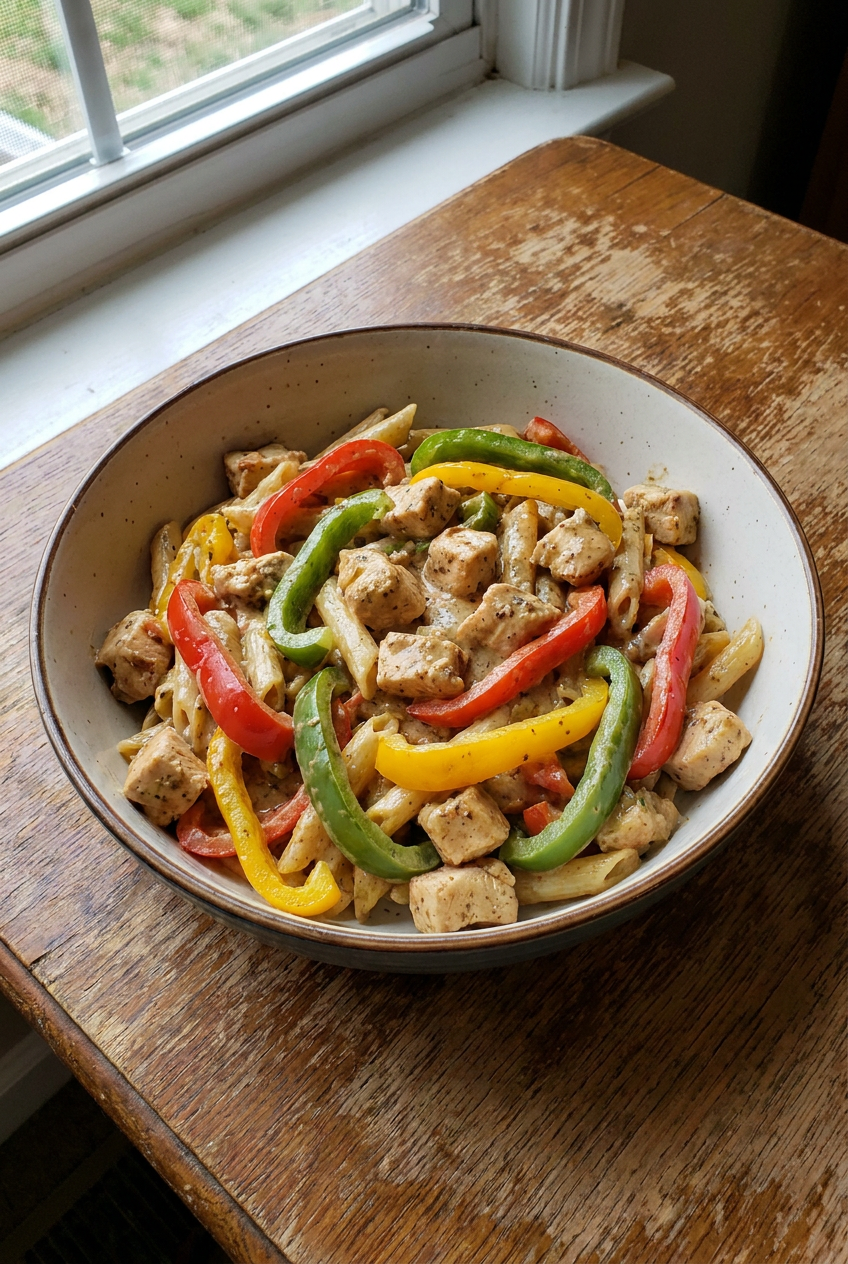
Table of Contents
- Creamy Jerk Rasta Pasta: A vibrant, one-pot Caribbean pasta exploding with jerk spices and a luscious coconut cream sauce
- Why You Will Love This Creamy Jerk Rasta Pasta Recipe
- Your Simple Ingredients for the Perfect Creamy Jerk Rasta Pasta
- How to Make Perfect Creamy Jerk Rasta Pasta
- Pro Tips and Easy Variations for Your Creamy Jerk Rasta Pasta
- Serving Suggestions for a Perfect Dinner
- Nutrition Information
- Storage and Make-Ahead Instructions
- Your Creamy Jerk Rasta Pasta Questions Answered
- More Incredible Recipes to Try
- The Story Behind This Recipe
- Pin This Recipe for Later
Creamy Jerk Rasta Pasta: A vibrant, one-pot Caribbean pasta exploding with jerk spices and a luscious coconut cream sauce
I will never forget the first time I tasted a truly great jerk pasta. I was in a tiny open-air kitchen in Ocho Rios surrounded by the heady scent of allspice and thyme, the sizzle of chicken hitting a hot pan, and the sound of reggae floating in from down the street. The cook tossed penne into a pan with a sauce that was impossibly creamy, smoky, spicy, and sweet all at once, and I stood there speechless with my plate in hand. That memory is exactly what I wanted to capture when I began working on my own creamy jerk rasta pasta recipe at home. This is not a shy dish. It is bold, deeply warming, and layered with the signature flavors of Jamaican jerk: a big hit of pimento, the fruity singe of scotch bonnet, fresh thyme, and garlic, all mellowed into a velvety coconut cream sauce that clings to every piece of chicken and pasta. It is the kind of dinner that makes a regular Tuesday feel like a celebration, and I promise once you make it you will find yourself craving it over and over again.
What makes this particular creamy jerk rasta pasta different from countless others I have tried is the balance between heat and richness. Many versions lean so heavily on the spice that the creaminess becomes an afterthought, or they drown the jerk in dairy and you lose that fiery soul. Here we use full-fat coconut milk as the backbone, which carries the jerk seasoning beautifully without muting it, and we add just enough freshly grated Parmesan to give the sauce body and a subtle salty nuttiness. The chicken is seared hard and fast in a single pan, building a flavorful fond that later gets scraped up into the sauce, so every drop counts. A spoonful of wet jerk paste rubbed directly onto the chicken before cooking creates a deep caramelized crust that dry seasoning alone cannot match. It is fast enough for a weeknight but impressive enough to serve guests, and the entire dish comes together in around 40 minutes with one skillet and one pasta pot. If you enjoy deep, spice-forward comfort food like my Moroccan chicken tagine, you will absolutely love the layers of flavor in this Jamaican dinner.
This recipe is perfect for anyone who loves big, sunny flavors but wants a meal that feels complete and satisfying. I make it when I want to shake up our dinner routine, when I have a carton of coconut milk sitting in the pantry, and especially on chilly evenings when a little heat is exactly what I need. It also happens to be wonderful for entertaining because you can prep the components ahead of time and finish everything in a single pan just before you sit down. If you are cooking for kids or anyone who is heat-averse, you can easily dial back the scotch bonnet and choose a mild jerk seasoning, and the sauce will still taste incredible. For those who live for fire, a few thin slices of fresh scotch bonnet on top at serving time deliver that signature fruity sting. However you serve it, this creamy jerk rasta pasta delivers a complete Jamaican-inspired dinner that I truly believe deserves a permanent spot in your recipe collection.
Why You Will Love This Creamy Jerk Rasta Pasta Recipe
- Layers of authentic Caribbean flavor. From the aromatic jerk seasoning to the coconut cream and fresh thyme, every bite is packed with island-inspired depth. The sauce alone is something you will want to spoon over everything.
- Incredibly quick for such a luxurious dish. With only 15 minutes of prep and 25 minutes of cooking time, you can have a restaurant-worthy pasta on the table in under an hour. The technique is straightforward and the pan does much of the hard work for you.
- A true one-skillet wonder. You sear the chicken, sauté the vegetables, and build the sauce all in the same pan. That means fewer dishes to wash and more flavor captured in your final dish because the fond and spices meld together beautifully.
- Perfectly customizable heat. Whether you like a gentle tingle or a full-on scotch bonnet burn, you control the spice level. The recipe shows you exactly how to adjust it so everyone at your table is happy.
- That creamy sauce is unforgettable. Full-fat coconut milk plus Parmesan creates a sauce that is rich, silky, and just thick enough to coat every noodle. It is dairy-free in character but hits all the same comfort notes as a classic cream sauce.
- A colorful feast for the eyes. With red, green, and yellow bell peppers, bright scallion garnish, and flecks of fresh thyme, this pasta looks as vibrant as it tastes. It is one of those dishes that draws people into the kitchen before it is even served.
Your Simple Ingredients for the Perfect Creamy Jerk Rasta Pasta
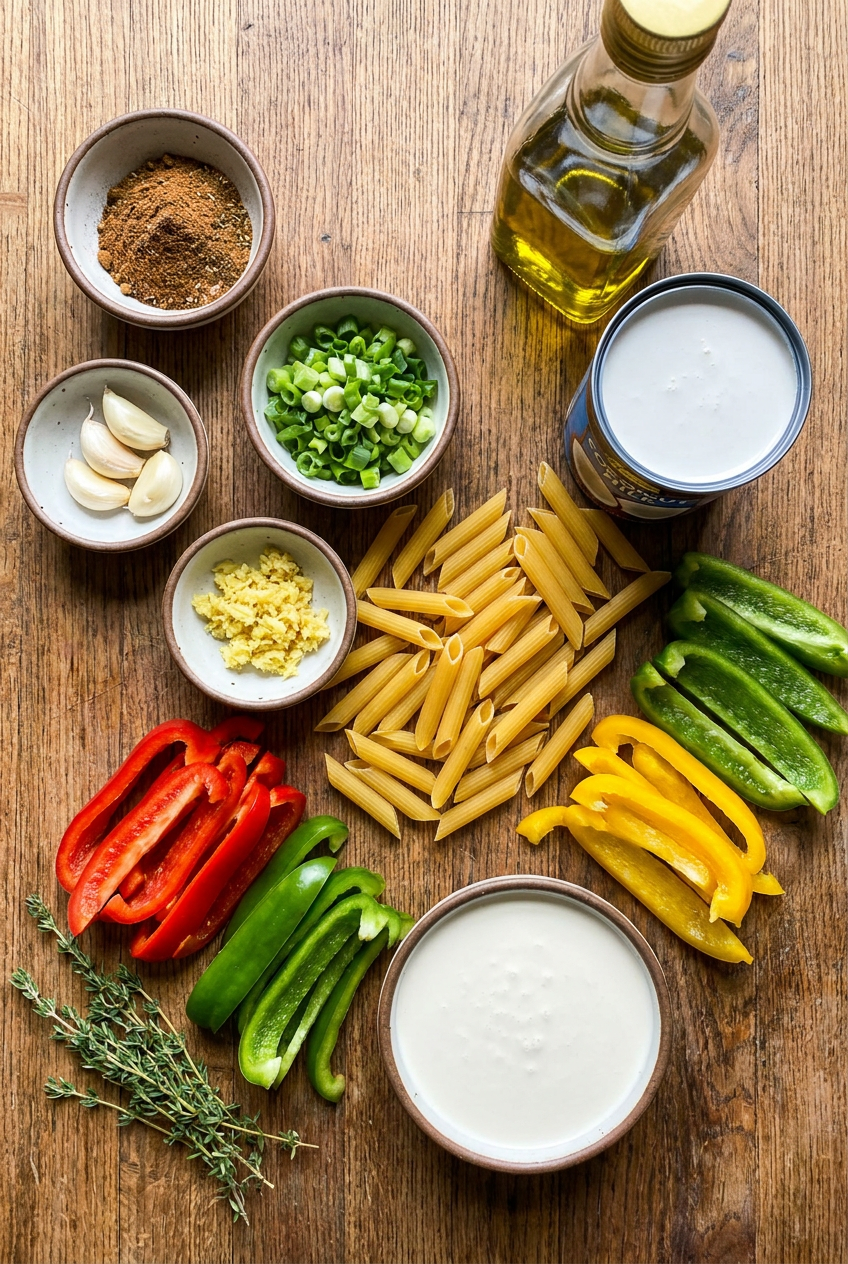
Pasta & Protein
- 300 g penne pasta
- 450 g boneless skinless chicken thighs, cut into bite-sized pieces
Sauce & Aromatics
- 2 tbsp jerk seasoning, divided (wet paste or dry mix)
- 1 tbsp vegetable oil
- 1 medium onion, thinly sliced
- 3 cloves garlic, minced
- 1 red bell pepper, julienned
- 1 green bell pepper, julienned
- 1 yellow bell pepper, julienned
- 1 can (400 ml) full-fat coconut milk
- 1/2 cup chicken broth, low sodium
- 1/2 cup freshly grated Parmesan cheese, plus more for serving
- 2 tbsp fresh thyme leaves
- Salt and black pepper, to taste
Garnish
- 3 scallions, thinly sliced
- 1 scotch bonnet pepper, thinly sliced (optional for extra heat)
Ingredient Notes
Wet jerk paste versus dry seasoning. This is the single most important flavor decision you will make. Wet jerk paste, such as Walkerswood or Grace brand, contains scallion, scotch bonnet, pimento, and aromatics blended with a little oil and vinegar. It gives the chicken a deeply flavorful crust and infuses the sauce with more complexity than dry seasoning alone. If you only have dry jerk seasoning, it still works beautifully, just add an extra tablespoon of vegetable oil to the chicken marinade to help the spices bloom. For the boldest homemade creamy jerk rasta pasta, I highly recommend seeking out a jar of wet paste.
Chicken thighs. Boneless skinless thighs stay juicy and tender even after a hard sear and a second heating in the sauce, making them perfect for this dish. You can substitute chicken breast if that is what you have, but watch the searing time carefully so it does not dry out. Look for pieces that are roughly the same size so they cook evenly.
Full-fat coconut milk. Do not be tempted to use light coconut milk here. The richness of full-fat coconut milk is what gives the sauce its luxurious texture and ability to hold the jerk flavors without breaking. Light versions have much more water and produce a thin, watery sauce. When you open the can, give it a good stir to recombine the cream and liquid before measuring.
Freshly grated Parmesan. While it is not traditional in many Jamaican kitchens, Parmesan adds a salty, umami backbone that rounds out the sauce wonderfully. Grate it yourself from a block rather than using pre-shredded, as the pre-shredded variety often contains anti-caking agents that can make the sauce grainy. If you want to keep the dish fully dairy-free, you can use a high-quality vegan Parmesan or simply add a little extra salt and a spoonful of nutritional yeast for a similar savory note.
Scotch bonnet pepper. This little powerhouse gives authentic Jamaican fruitiness and fierce heat. If you cannot find scotch bonnets, a habanero pepper is the closest substitute in both heat level and fruity flavor. Wear gloves when handling, remove the seeds and white membranes to reduce the burn, and always taste a tiny speck before adding a whole sliced pepper to your plate. For a family-friendly version, you can leave it out entirely and still have a delicious meal.
How to Make Perfect Creamy Jerk Rasta Pasta
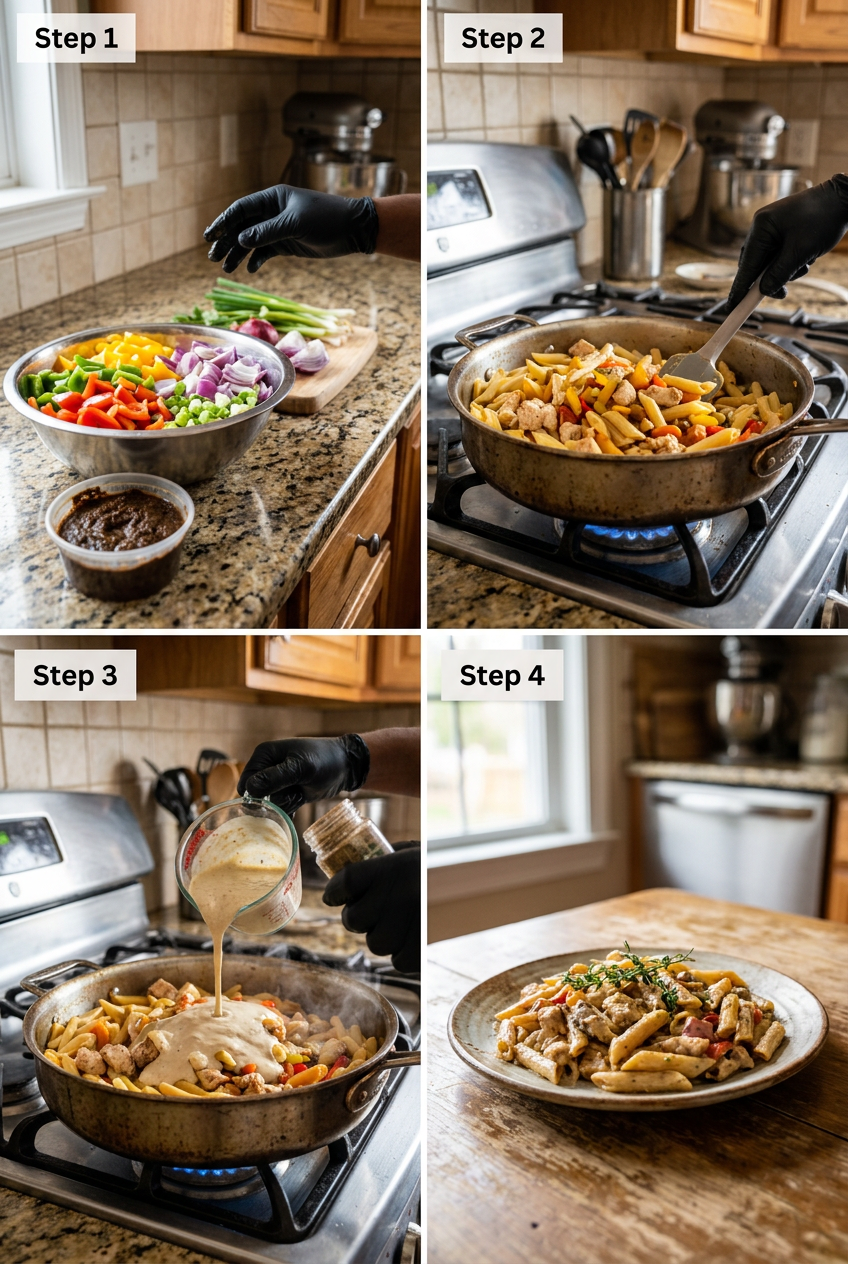
Phase 1: Cook the Pasta and Prep the Chicken
Bring a large pot of water to a rolling boil and salt it generously until it tastes like the sea. This is the only chance to season the pasta itself, so do not be shy. Cook 300 g of penne according to the package directions until just al dente, as it will continue softening slightly when it joins the sauce. Before draining, carefully ladle out a full cup of the starchy pasta water and set it aside. Meanwhile, in a medium bowl, toss your bite-sized chicken pieces with 1 tablespoon of the jerk seasoning, massaging it in so every piece is well coated. Let it sit for at least 10 minutes while you slice the onion and bell peppers. If you have a little extra time, you can do this step up to 2 hours ahead and refrigerate the chicken to let the jerk really penetrate the meat, but even 10 minutes makes a noticeable difference. Use this waiting time to gather your other ingredients and get the pan heating, because once things start sizzling everything moves quickly and beautifully.
Phase 2: Sear the Chicken to Perfection
Place a large skillet or Dutch oven over medium-high heat and add the vegetable oil. You want the oil shimmering hot before the chicken goes in. Arrange the marinated chicken pieces in a single layer with a little space between them and resist the urge to move them for a full 3 to 4 minutes. Listen for a steady sizzle, and lift one piece gently to check for a deep golden crust before flipping. Once the underside is gorgeous, flip each piece and cook the second side for another 2 to 3 minutes until the chicken is just cooked through and the internal temperature reaches 165°F (74°C). If your pan starts to look overcrowded, cook the chicken in two batches; crowding will steam the meat instead of searing it and you will lose that essential char that carries all the jerk flavor. Transfer the chicken to a plate along with any juices and set it aside.
Phase 3: Build the Aromatic Vegetable Base
With the same skillet still on medium-high heat, you will notice beautiful browned bits stuck to the bottom. Add a tiny splash of oil if the pan looks dry, then toss in the sliced onion and all three julienned bell peppers. Cook for about 5 minutes, stirring occasionally, until the vegetables soften and the edges begin to take on a slight char, which will bring a subtle smokiness to the finished dish. Now reduce the heat slightly, stir in the minced garlic and the remaining 1 tablespoon of jerk seasoning, and cook for exactly 1 minute until the garlic hits your nose and the spices bloom. This step is crucial because it wakes up the dried herbs and releases the oils in the jerk paste, building a deeper, rounder flavor that will support the whole sauce. If you are using a dry seasoning and the pan feels too dry, drizzle in a tiny bit of additional oil to prevent scorching.
Phase 4: Create the Creamy Coconut Sauce
Pour in the full can of coconut milk and the chicken broth, and use a wooden spoon or spatula to scrape up all those browned bits from the bottom of the pan. This is where the sauce gets its soul. Bring everything to a gentle simmer and let it bubble away for about 3 minutes, watching as it thickens slightly and turns into the most beautiful pale orange cream. The aroma at this stage is incredible, a mixture of toasty jerk spices, sweet coconut, and savory broth. Now stir in the freshly grated Parmesan and the fresh thyme leaves, continuing to stir until the cheese melts completely into the sauce. Season with salt and plenty of black pepper to taste, remembering that the Parmesan already adds saltiness. For an even silkier sauce, you can at this point use an immersion blender to purée the vegetables into the liquid before adding the cheese, which is optional but wonderful if you prefer a uniform, restaurant-style texture. The idea is similar to achieving a smooth, creamy base like the luscious texture in my fluffy Japanese souffle pancakes, where a bit of gentle blending makes all the difference.
Phase 5: Bring Everything Together
Return the seared chicken and any accumulated juices to the skillet, then add the drained penne. Using tongs or two large spoons, toss everything together gently but thoroughly, allowing the sauce to coat each piece of pasta and chicken. Begin adding the reserved pasta water, just a splash at a time, continuing to toss until the sauce reaches a glossy, silky consistency that clings to the noodles without being too thin or too tight. Let the entire mixture heat through for about 2 minutes over low heat, tasting and adjusting the final seasoning. The starch in the pasta water helps bind the sauce to the pasta and creates that perfect creamy finish you are after. Spoon the pasta into warm bowls, scatter generously with sliced scallions and an extra shower of Parmesan, and for those who dare, lay a few thin slices of fresh scotch bonnet over the top. A squeeze of fresh lime juice right before eating brings a brilliant brightness that cuts through the richness and makes the whole dish sing.
Pro Tips and Easy Variations for Your Creamy Jerk Rasta Pasta
Pro Tips
- Always reserve pasta water before draining. That starchy liquid is your secret weapon for adjusting the sauce consistency at the end. Add it a little at a time and toss vigorously to emulsify the sauce and make it cling to every strand.
- Do not skip the chicken sear. A golden, caramelized crust on the chicken pieces adds layers of flavor that you cannot replicate later. Let the meat sit undisturbed and only flip when it releases easily from the pan.
- Bloom the jerk seasoning with the garlic. Cooking the dry or wet jerk paste for a minute before adding liquids wakes up the spices and removes any raw, powdery taste. You will smell the difference immediately as the allspice and thyme open up.
- Wear gloves when handling scotch bonnet peppers. The oils can linger on skin for hours and cause serious discomfort if you touch your eyes. Remove the seeds and membranes for milder heat, or leave them in if you are brave.
- Use room temperature coconut milk. If your coconut milk has been stored in a cool pantry and the cream has solidified, let the can sit in a bowl of warm water for a few minutes and shake well. This ensures a smooth, pourable consistency that blends easily into the sauce.
Delicious Variations
- Shrimp Rasta Pasta. Replace the chicken with 450 g of large peeled shrimp. Add them to the pan after the sauce has simmered and cook just until pink, about 3 to 4 minutes, then proceed with combining everything. The shrimp soak up the sauce beautifully and cook in a flash.
- Vegetarian Mushroom Rasta Pasta. Omit the chicken and use thickly sliced portobello mushrooms or firm tofu instead. Sear the mushrooms in the same way until deeply browned, and use vegetable broth in place of chicken broth for a completely meat-free meal.
- Gluten-Free Rasta Pasta. Swap the penne for your favorite gluten-free pasta and ensure your jerk seasoning is gluten-free. Use tamari in place of part of the broth for an extra savory depth, or simply stick with a gluten-free chicken broth.
- Creamy Vegan Version. Keep the dish dairy-free by skipping the Parmesan and instead adding 2 tablespoons of nutritional yeast along with the thyme. Use vegetable broth and load up on extra scallions and a squeeze of lime for brightness. The coconut milk alone creates a sauce that is still wonderfully rich.
- Extra Smoky Chipotle Twist. For a slightly different flavor profile, add 1 to 2 teaspoons of chipotle in adobo sauce to the aromatics along with the jerk seasoning. The smoky chipotle deepens the complexity and plays nicely against the coconut. This version is especially lovely with a side of blueberry lemon ricotta pancakes for a fun brunch-for-dinner vibe.
Serving Suggestions for a Perfect Dinner
When I make this creamy jerk rasta pasta for dinner, I love to build a complete island plate around it. A side of fried sweet plantains is practically mandatory for me, their caramelized sweetness is the perfect foil for the spicy, creamy pasta. I simply slice ripe plantains on a slight diagonal, pan-fry them in a little oil until deeply golden, and sprinkle them with a pinch of salt. On the side, a crisp green salad with a mango dressing made from puréed ripe mango, lime juice, a touch of honey, and olive oil adds a bright, fresh element that cuts through the richness of the coconut sauce. For drinks, an ice-cold ginger beer or a classic sorrel drink feels festive, or for a quieter evening, a tall glass of sparkling water with a slice of lime does the job beautifully.
This dish is also fantastic for feeding a crowd because you can easily scale it up. Double the recipe and use the largest skillet or a heavy-bottomed pot, simply extending the sauté time slightly for the vegetables and taking care not to overcrowd the pan when searing the chicken. If you are making it for a gathering, you can prep all your vegetables and marinate the chicken the night before, then pull everything together fresh just before serving. The pasta is best enjoyed immediately while the sauce is at its creamiest, so I recommend bringing the pan straight to the table and letting everyone serve themselves family-style. A drizzle of extra virgin olive oil and a final crack of black pepper at the table never hurts either.
Nutrition Information
(Approximate per serving, 4 servings total) Calories: 620, Fat: 28g, Carbohydrates: 52g, Protein: 38g, Fiber: 4g, Sodium: 720mg. Nutritional values are estimates only.
Storage and Make-Ahead Instructions
- Refrigerator. Store leftovers in an airtight container for up to 3 days. The sauce will thicken as it chills, which is perfectly normal. When reheating, add a splash of water or additional coconut milk to loosen it back to its creamy consistency.
- Freezer. Freeze for up to 1 month in a tightly sealed container. The coconut milk sauce may separate slightly upon thawing, but a quick whisk with a little fresh coconut milk while reheating brings it back together beautifully.
- Reheating. Reheat gently on the stovetop over low heat, stirring in a few tablespoons of water or coconut milk as needed to revive the creaminess. Avoid high heat, which can cause the sauce to separate or the chicken to toughen.
- Make-Ahead. You can complete the recipe through step 6, cool the pasta to room temperature, and refrigerate the entire dish. Reheat gently with a splash of coconut milk to restore the sauce. For the best texture, I prefer to prep the vegetables and marinate the chicken a day ahead, then cook the pasta fresh and finish the sauce just before eating.
Your Creamy Jerk Rasta Pasta Questions Answered
Is Rasta Pasta very spicy?
The heat level is entirely in your hands. Using a mild jerk seasoning and omitting the fresh scotch bonnet makes this a family-friendly dinner with just a gentle warmth. If you want deep flavor without overwhelming heat, you can add a whole scotch bonnet pepper to the sauce while it simmers and remove it before serving.
Can I use light coconut milk instead?
I do not recommend it. Light coconut milk has a much higher water content and will produce a thin, watery sauce that lacks the rich, velvety texture that defines this dish. Stick with full-fat coconut milk for the best result.
Can I make this dish ahead of time?
Yes, you can assemble the pasta up to step 6, then cool and refrigerate. Reheat gently on the stovetop with a splash of coconut milk or water to bring back the creaminess. The pasta will absorb some sauce overnight, so be prepared to loosen it as needed.
What is the best jerk seasoning to use?
Wet jerk paste from brands like Walkerswood or Grace gives the most authentic flavor and helps form a beautiful crust on the chicken. Dry jerk seasoning works too, just add a little extra oil to the marinade to compensate for moisture.
How do I know when the chicken is cooked through?
The most reliable method is an instant-read thermometer inserted into the thickest piece; it should register 165°F (74°C). Visually, the juices run clear and the meat is firm but still tender. Avoid overcooking during the sear because the chicken will heat further in the sauce.
Can I use chicken breast instead of thighs?
Absolutely. Just be mindful that chicken breasts cook faster and can dry out more easily. Reduce the searing time slightly and check for doneness a minute or two earlier. Thighs are more forgiving and stay juicy, so they are my top pick.
What if I cannot find scotch bonnet peppers?
Habanero peppers are the closest substitute in terms of heat level and fruity notes. If neither is available, a small fresh jalapeño adds some heat without the fruity intensity, but the flavor will be slightly different. In a pinch, a pinch of cayenne can stand in for warmth.
My sauce looks grainy, what happened?
This can happen if the sauce is overheated after adding the Parmesan or if the coconut milk separates from rapid temperature changes. To avoid it, keep the heat at a gentle simmer, stir the cheese in off the heat if needed, and always use freshly grated Parmesan without additives.
Can I double the recipe?
Yes, simply double all ingredients and use a larger skillet or Dutch oven. Be sure to sear the chicken in batches if needed to maintain a good crust, and increase the initial vegetable sauté time by a couple of minutes to account for the extra volume.
What pasta shape works best?
Penne is classic because the tubes trap the sauce and little bits of pepper, but rigatoni, fusilli, or farfalle are all excellent choices. Any short shape with ridges or curls that can catch the creamy sauce will work wonderfully.
More Incredible Recipes to Try
If the bold, warming spices in this creamy jerk rasta pasta have you hooked, I think you will also fall hard for the deep savory notes of Jamaican brown stew chicken or a fragrant pot of rice and peas cooked with coconut and thyme. Those are the kind of meals that fill the kitchen with incredible aromas and make you feel as if you are on a veranda overlooking the Caribbean sea. I also find that this dish pairs beautifully with a bright, refreshing mango slaw or a simple avocado and tomato salad drizzled with lime, both of which cool the palate and add a fresh crunch.
Of course, sometimes you crave something entirely different but equally satisfying. My fluffy Japanese souffle pancakes are perfect for a lazy weekend breakfast when you want to create something truly special, and my Moroccan chicken tagine brings the same kind of slow-cooked, spice-driven comfort in a completely different direction. And for a sweet treat that feels celebratory, the blueberry lemon ricotta pancakes are a weekend staple in my house. Each of these recipes carries that same from-scratch soulfulness that I hope you feel in every bite of this rasta pasta.
The Story Behind This Creamy Jerk Rasta Pasta
Rasta pasta is a relatively modern twist on Italian-Jamaican fusion, born in the Caribbean communities of New York and Toronto where cooks began blending jerk chicken with creamy pasta sauces to create something entirely new. The colors of the bell peppers mirror the red, green, and gold of the Rastafarian
Creamy Jerk Rasta Pasta
Ingredients
Method
- Bring a large pot of salted water to a boil. Cook penne according to package directions until al dente. Reserve 1 cup of pasta water, then drain.
- In a bowl, toss the chicken pieces with 1 tablespoon of jerk seasoning until well coated. Set aside for 10 minutes while you prep the vegetables.
- Heat vegetable oil in a large skillet or Dutch oven over medium-high heat. Add the chicken in a single layer and cook undisturbed for 3–4 minutes until golden. Flip and cook another 2–3 minutes until just cooked through and the internal temperature reaches 165°F (74°C). Transfer to a plate.
- In the same skillet, add onion and bell peppers. Sauté for 5 minutes until softened and starting to char at the edges. Stir in garlic and remaining 1 tablespoon of jerk seasoning; cook 1 minute until fragrant.
- Pour in the coconut milk and chicken broth. Bring to a gentle simmer, scraping up any browned bits from the pan. Let bubble for 3 minutes to thicken slightly. Stir in Parmesan cheese, thyme, and season with salt and pepper.
- Return the chicken (and any juices) to the skillet along with the drained pasta. Toss well to coat, adding reserved pasta water little by little until the sauce is glossy and clings to every piece. Let everything heat through for 2 minutes.
- Spoon into bowls, scatter generously with scallions, and top with extra Parmesan and sliced scotch bonnet if you dare. Serve immediately.
Disclosure: This post may contain affiliate links. If you purchase through our links we may earn a small commission at no extra cost to you.
If you made this Creamy Jerk Rasta Pasta, please leave a comment below and let me know how it turned out.