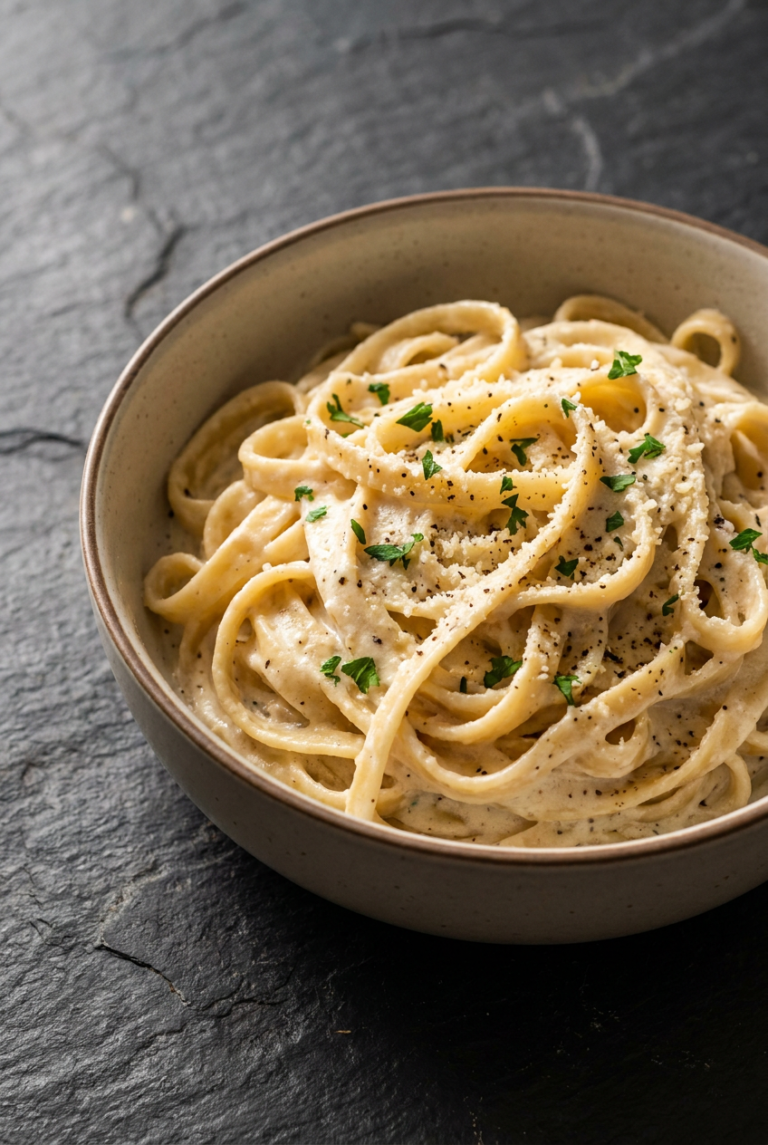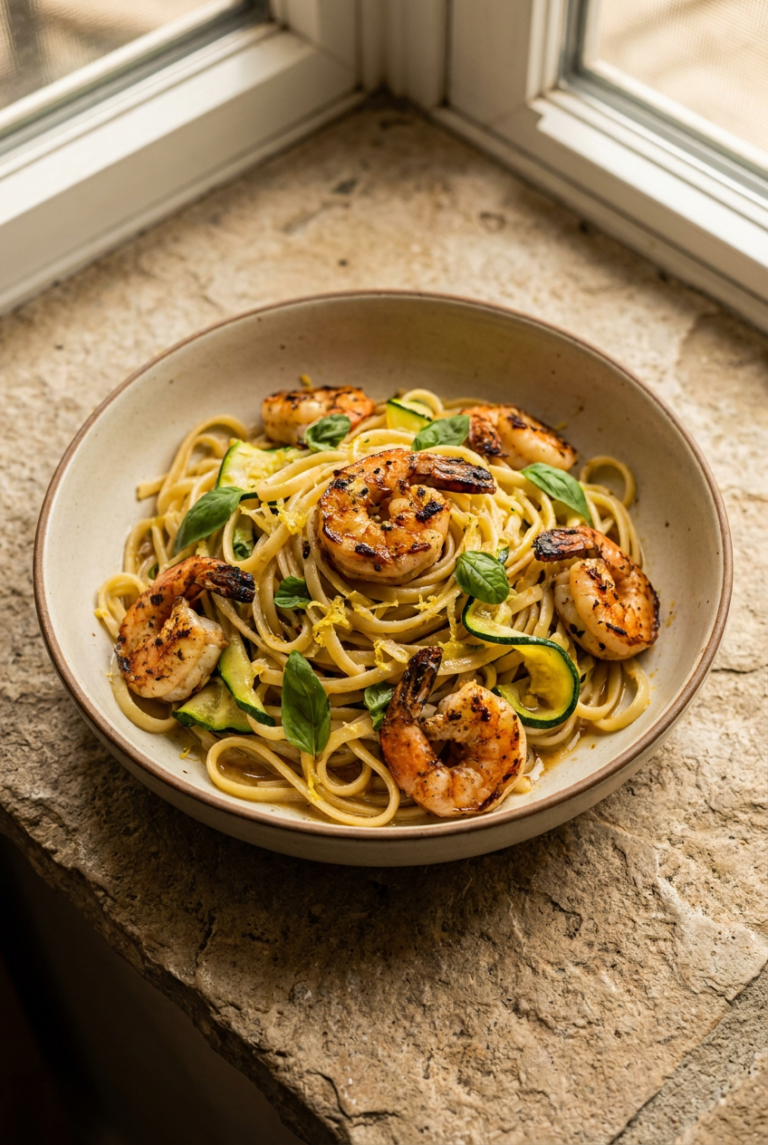
Classic Pasta Pomodoro Recipe, Easy Italian Dinner in 40 Minutes
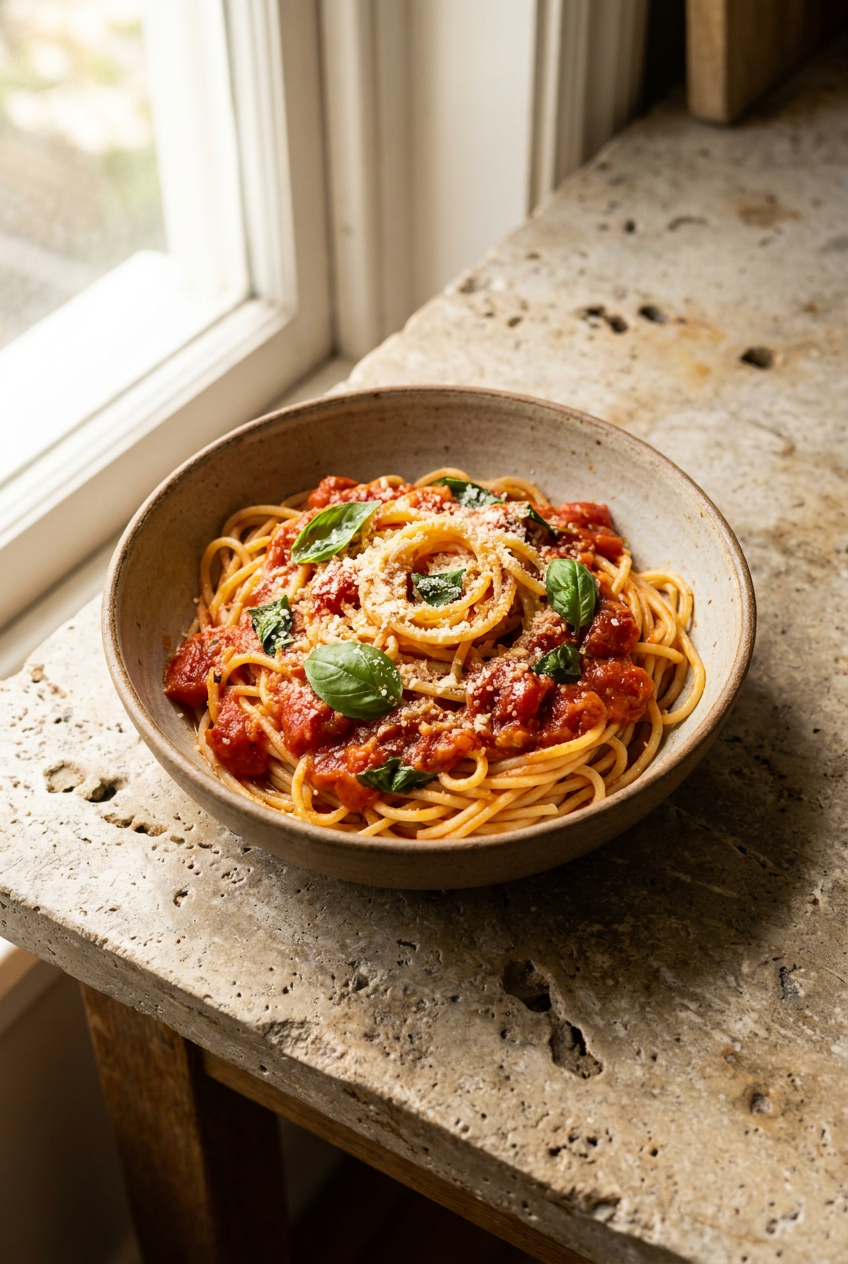
Table of Contents
- Classic Pasta Pomodoro: A simple yet soul-warming Italian pasta dish with fresh tomatoes, basil, and garlic that comes together in minutes
- Why You Will Love This Classic Pasta Pomodoro Recipe
- Your Simple Ingredients for the Perfect Classic Pasta Pomodoro
- How to Make Perfect Classic Pasta Pomodoro
- Pro Tips and Easy Variations for Your Classic Pasta Pomodoro
- Serving Suggestions for a Perfect Dinner
- Nutrition Information
- Storage and Make-Ahead Instructions
- Your Classic Pasta Pomodoro Questions Answered
- More Incredible Italian Recipes to Try
- The Story Behind This Classic Pasta Pomodoro
- Pin This Recipe for Later
Classic Pasta Pomodoro: A simple yet soul-warming Italian pasta dish with fresh tomatoes, basil, and garlic that comes together in minutes
I still remember the first time I tasted a truly great pasta pomodoro. I was sitting at a tiny trattoria in Rome, the kind of place with paper tablecloths and a waiter who sang while he worked. The plate that arrived looked almost too simple, just spaghetti glistening with a bright red sauce, flecks of green basil, and a dusting of Parmesan. But one twirl of the fork and I understood. The tomatoes tasted like sunshine concentrated into fruit, the garlic was mellow and sweet, and the basil smelled like a summer garden. There was no cream, no meat, no complicated technique, just four ingredients in perfect harmony. I asked the chef his secret, expecting some ancient family trick. He shrugged and said something I have never forgotten: “Good tomatoes, patience, and pasta water. The rest takes care of itself.” That meal rewired my understanding of Italian cooking. Since then, this classic pasta pomodoro recipe has become my go-to dinner when I need something deeply satisfying without hours in the kitchen.
What sets this particular recipe apart from the dozens of pomodoro versions floating around the internet is its commitment to technique over ingredient overload. Many recipes throw in onions, carrots, celery, sugar, or hours of simmering, but true pomodoro is about restraint. The sauce is built entirely in one skillet while your pasta boils, coaxing maximum flavor from cherry tomatoes by cooking them until they burst and collapse into a jammy, concentrated base. The starchy pasta water you reserve before draining is not an afterthought, it is the emulsifier that transforms a simple tomato mixture into a glossy, silky sauce that clings to every strand of spaghetti. Red pepper flakes add a whisper of warmth without overwhelming the tomatoes, and the basil is torn by hand and stirred in off the heat so it stays vibrant and fragrant. You are not just following steps here, you are learning a method that will make you a more intuitive cook. If you love dishes that celebrate simplicity, you might also enjoy the airy magic of these fluffy Japanese souffle pancakes, another recipe where technique transforms humble ingredients into something extraordinary.
This classic pasta pomodoro recipe is perfect for anyone who craves comfort without compromise. It is the dinner you make on a Tuesday night when you are tired but still want something real, the meal you whip up when friends drop by unexpectedly, and the dish that reminds you why cooking from scratch matters. It works beautifully for weeknight family dinners, quiet date nights at home, and even casual dinner parties where you want to impress without stress. Because the ingredient list is so short, every element has room to shine, which means even beginner cooks can produce restaurant-quality results. If you have a crowded schedule but refuse to eat sad desk lunches, this recipe will save you. It comes together in about 40 minutes from start to finish, and most of that time is the sauce simmering while you unwind with a glass of wine or help kids with homework. There is something profoundly grounding about filling your kitchen with the smell of garlic sizzling in olive oil and fresh basil hitting a hot pan. It is a sensory reminder that good food does not have to be complicated to be memorable.
Why You Will Love This Classic Pasta Pomodoro Recipe
- Effortlessly fast yet deeply flavorful. From the moment you start boiling water to the second you twirl that first forkful, only about 40 minutes have passed. The sauce develops a rich, slow-cooked taste in a fraction of the time because the cherry tomatoes break down and concentrate rapidly in a hot skillet.
- Built on a handful of humble ingredients. Everything you need is probably already in your pantry and fridge: pasta, olive oil, garlic, tomatoes, basil, and Parmesan. When each ingredient is treated with respect, you do not need a long shopping list to create something beautiful.
- Teaches you a foundational cooking technique. Mastering the art of using starchy pasta water to create a silky, emulsified sauce is a skill that will elevate every pasta dish you ever make. Once you understand how the starch binds oil and tomato juices together, you will never dump all your pasta water down the drain again.
- Adaptable to whatever tomatoes you have on hand. In the peak of summer, fresh cherry or plum tomatoes make this dish sing with natural sweetness. In the dead of winter, a can of whole San Marzano tomatoes crushed by hand delivers incredible depth. The recipe flexes with the seasons.
- Feels elegant enough for company but easy enough for a solo dinner. There is something undeniably beautiful about a perfectly dressed plate of spaghetti pomodoro with fresh basil and a snowfall of Parmesan. Yet the process is so forgiving and straightforward that you will not think twice about making it just for yourself after a long day.
- Naturally light and vibrant without feeling heavy. Unlike cream-based or meat-heavy pasta dishes, pomodoro leaves you satisfied but never weighed down. The brightness of the tomatoes and the freshness of the basil make it a dish you can enjoy year-round, and you will feel good after eating it.
Your Simple Ingredients for the Perfect Classic Pasta Pomodoro
Pasta
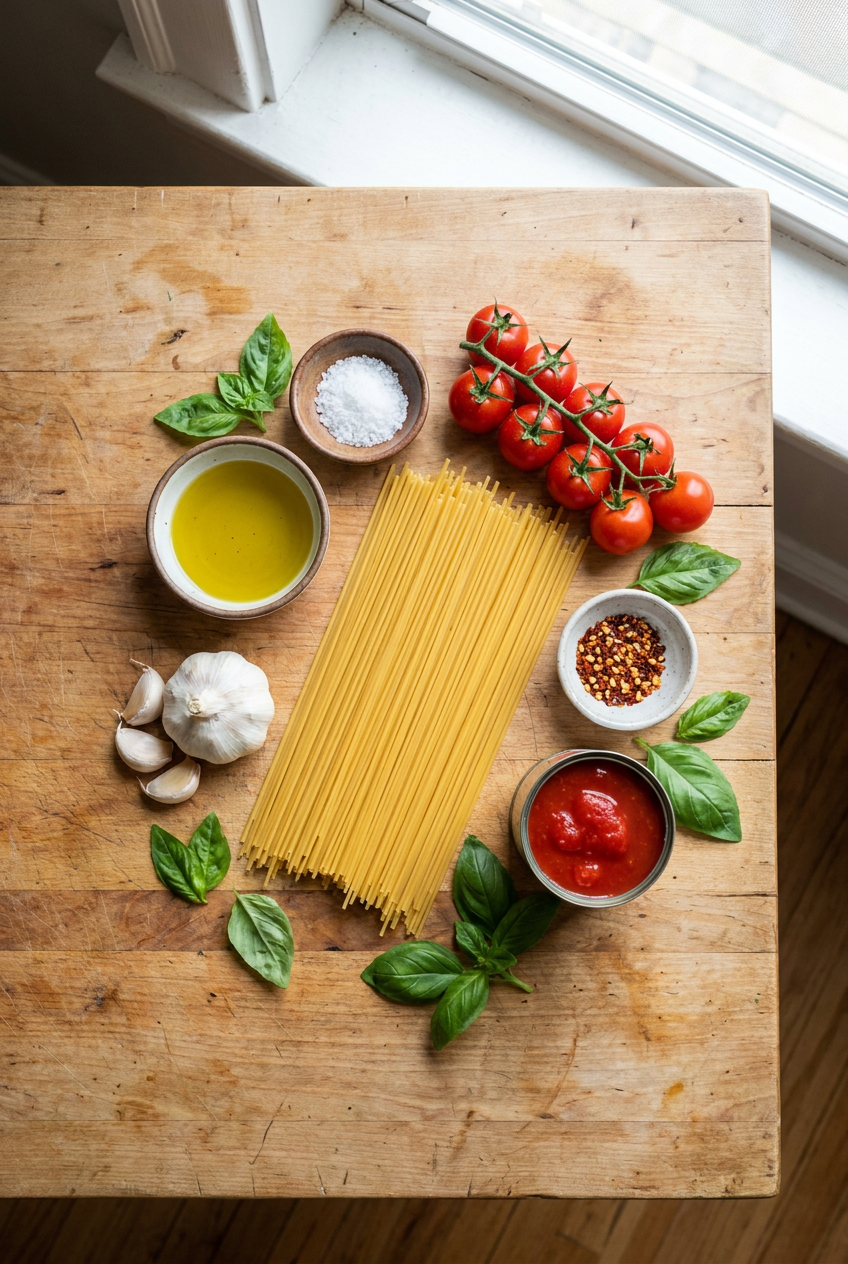
- 1 lb spaghetti, or any long pasta
Sauce
- 3 tbsp extra-virgin olive oil, good quality
- 4 cloves garlic, minced
- 2 pints cherry tomatoes, halved
- 1 tsp salt, plus more for pasta water
- 1/2 tsp black pepper, freshly ground
- 1/4 tsp red pepper flakes, optional
- 1/2 cup fresh basil leaves, torn, plus more for garnish
- 1 cup reserved pasta water, as needed
For Serving
- 1/4 cup Parmesan cheese, freshly grated
Ingredient Notes
Extra-virgin olive oil. This is the foundation of your sauce, so reach for a bottle you genuinely love the taste of. A good quality olive oil adds fruity, peppery notes that complement the sweetness of the tomatoes. Look for cold-pressed oils with a harvest date on the label, and avoid anything that tastes waxy or bland. If you only have regular olive oil, you can use it in a pinch, but the flavor simply will not be as vibrant.
Garlic. Fresh cloves are non-negotiable here. Jarred minced garlic often has a sour, metallic undertone that will stand out in such a simple sauce. You want to mince the garlic yourself so it releases its oils gradually into the warm olive oil, perfuming the entire dish. Look for firm, tight heads with no green sprouts poking out. Those green shoots signal older garlic that can taste harsh and bitter when cooked.
Cherry tomatoes. These little gems are ideal for a quick-cooking sauce because they have thin skins, concentrated sweetness, and just the right amount of juice. When halved and heated in the skillet, they collapse into a chunky, jammy sauce in about 15 minutes. In summer, seek out local Sungold or Sweet 100 varieties for exceptional flavor. Out of season, a 28-ounce can of whole San Marzano tomatoes, crushed by hand, makes a wonderful substitute with deeper, cooked-all-day richness.
Salt. You are seasoning at multiple stages: the pasta water, the sauce itself, and finishing to taste. The pasta water should taste like the sea, which properly seasons the spaghetti from the inside out. Use kosher or sea salt for the pasta water and fine sea salt for the sauce so it dissolves quickly and evenly. Undersalting at any stage leads to a flat, uninspired final dish, so taste as you go.
Fresh basil. The sweet, slightly peppery aroma of fresh basil defines pomodoro. Tearing the leaves by hand rather than slicing them with a knife prevents the edges from bruising and turning black. Always add basil off the heat to preserve its bright green color and volatile aromatic oils. If you cannot find fresh basil, this is one herb you simply cannot substitute with dried; it would be better to make a different sauce entirely.
Parmesan cheese. Freshly grated Parmigiano-Reggiano brings a nutty, salty depth that rounds out the acidity of the tomatoes. Pre-grated cheese often contains anti-caking agents that prevent it from melting smoothly into the pasta. Buy a wedge and grate it yourself on a microplane or the finest side of a box grater right before serving. For a vegan version, use a high-quality plant-based Parmesan alternative or simply omit it.
Reserved pasta water. This is not merely a suggestion, it is the secret ingredient. The starchy, salty water you scoop out before draining acts as an emulsifier, helping the olive oil and tomato juices bind together into a cohesive sauce that coats each strand of spaghetti. Without it, your sauce may separate into an oily puddle beneath the pasta. Reserve more than you think you will need; you can always pour the rest out, but you cannot go back and get it once it disappears down the drain.
How to Make Perfect Classic Pasta Pomodoro
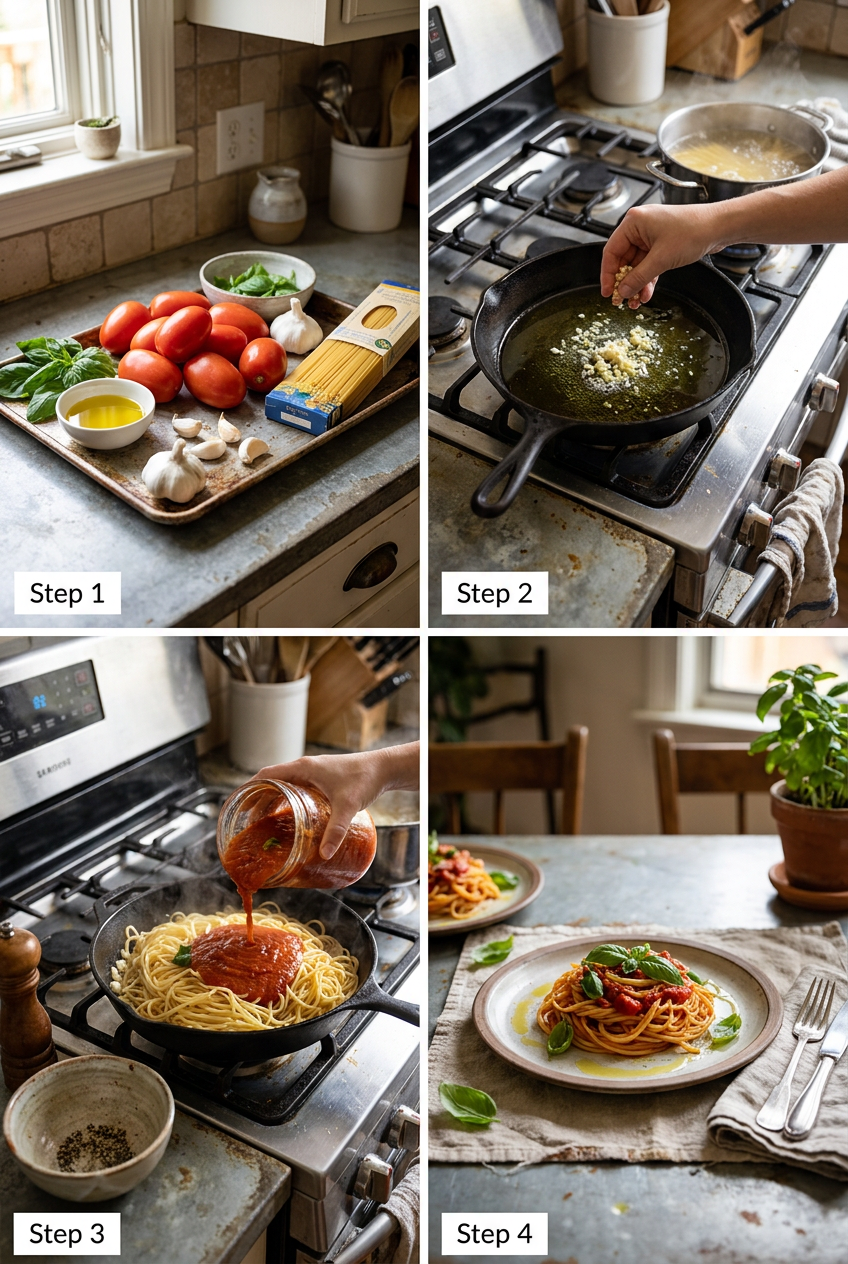
Phase 1: Prepare the Foundation
Step 1: Cook the Pasta. Fill your largest pot with water and set it over high heat until it reaches a rolling, vigorous boil. This is not the time for a gentle simmer. You want the water churning so enthusiastically that it looks almost angry. Add a generous handful of salt, enough that the water tastes pleasantly briny, similar to the ocean. This is your only opportunity to season the pasta itself, so do not be shy. Drop in the spaghetti and stir immediately to prevent sticking. Cook according to the package directions for al dente, which typically means the pasta should be tender but still have a slight firmness at its core when you bite into it. About two minutes before the timer goes off, taste a strand to check. Once it reaches that perfect toothsome texture, use a heatproof measuring cup or ladle to carefully scoop out at least one full cup of the cloudy, starchy pasta water. Set it aside. Now drain the spaghetti in a colander, but do not rinse it. Rinsing washes away the surface starch that helps the sauce grip onto each strand. Shake the colander gently to remove excess water, then leave the pasta to rest while you finish the sauce.
Step 2: Sauté the Garlic. While the pasta water heats up and the spaghetti cooks, set a large skillet over medium heat. Pour in the olive oil and let it warm for about 30 seconds until it shimmers but does not smoke. Add the minced garlic and immediately stir it with a wooden spoon or spatula to distribute it evenly through the oil. Within seconds you should hear a gentle sizzle and smell that intoxicating garlic aroma filling your kitchen. This is your cue to pay close attention. Sauté for about one minute, stirring almost constantly, until the garlic turns pale gold and smells sweet and nutty. The moment the edges begin to darken, pull the skillet off the heat or add your tomatoes immediately. Burned garlic tastes acrid and bitter, and there is no rescuing a sauce once that flavor takes hold. If you err on the side of caution and pull it a few seconds early, the garlic will continue cooking gently when the tomatoes hit the pan.
Phase 2: Build the Sauce
Step 3: Make the Tomato Sauce. With the garlic perfectly golden and fragrant, tip all the halved cherry tomatoes into the skillet at once. Listen for that satisfying sizzle as they hit the hot oil. Add the salt, black pepper, and red pepper flakes if you are using them. Stir everything together so the tomatoes are coated in the garlic-infused oil and the seasonings are distributed. For the first few minutes, the tomatoes will hold their shape and release some juice, creating steam and a bit of bubbling action. As they cook, press down gently on some of the tomatoes with the back of your wooden spoon. This encourages them to burst open and release their juices faster, accelerating the sauce-making process. Keep the heat at medium and let the mixture cook, stirring every couple of minutes, for about 12 to 15 minutes total. You will watch the tomatoes transform: their skins will wrinkle and soften, the juices will reduce and thicken, and the whole mixture will shift from a watery puddle to a chunky, almost jammy consistency. If the skillet starts to look dry before the tomatoes have fully broken down, splash in a few tablespoons of the reserved pasta water to loosen things up. You will know the sauce is ready when you drag your spoon through it and it holds a clear path for a few seconds before slowly filling back in.
Phase 3: Marry the Pasta and Sauce
Step 4: Combine Pasta and Sauce. Transfer the drained spaghetti directly into the skillet with the tomato sauce. Using a pair of tongs, start tossing the pasta vigorously through the sauce. Lift and twist, lift and twist, letting the spaghetti tumble through the tomato mixture until every strand is glossy and red. The sauce will look a bit thick and clingy at first, which is exactly what you want. Now begin adding the reserved pasta water, about a quarter cup at a time, tossing continuously after each addition. As you toss, the starchy water will emulsify with the olive oil and tomato juices, creating a silky, loose sauce that coats every strand instead of pooling at the bottom of the pan. You will see the sauce transform from chunky to creamy and unified. Keep adding splashes of pasta water and tossing until the sauce reaches your ideal consistency. It should be fluid enough to pool slightly on the plate but thick enough to cling to the pasta when you twirl it. Taste a strand at this stage and adjust the seasoning with additional salt or pepper if needed. The process of combining hot pasta with sauce and pasta water is where so many home cooks go wrong by simply spooning sauce over plain noodles. This vigorous tossing step is what makes it taste like it came from a restaurant kitchen rather than your own. In many ways, this technique reminds me of the careful layering of flavors you find in slow-cooked dishes like Moroccan chicken tagine, where every element has time to meld beautifully, even though here it happens in a matter of minutes.
Phase 4: Finish and Serve
Step 5: Finish with Basil and Serve. Remove the skillet from the heat completely. The residual heat from the pan is all you need to wilt the basil just slightly while keeping its color bright. Scatter the torn basil leaves over the pasta and fold them in gently with your tongs. You will notice the basil softens almost instantly, releasing its sweet, peppery fragrance into the steam rising from the pasta. The leaves will stay a vivid emerald green because you added them off the direct burner. Portion the pasta into four warm bowls or plates. Use your tongs to twist each serving into a neat nest shape for a slightly more elevated presentation. Finish each plate with a generous grating of fresh Parmesan cheese, letting some fall onto the pasta and some drift onto the rim of the bowl for a rustic look. Scatter a few small whole basil leaves over the top as a final garnish. Serve immediately while the pasta is still steaming and the cheese is beginning to melt into glossy rivulets. There is nothing quite like the moment when everyone at the table leans in for that first bite.
Pro Tips and Easy Variations for Your Classic Pasta Pomodoro
Pro Tips
- Generously salt the pasta water. This is the single most important step that home cooks overlook. The water should taste like seawater so the pasta absorbs seasoning internally. If your pasta tastes bland coming out of the pot, no amount of salty sauce will fully compensate. Stir the salt in and let it dissolve before adding the spaghetti.
- Use a wide, shallow skillet for the sauce. A large skillet with a broad surface area allows the tomato juices to evaporate more efficiently, which means your sauce concentrates and intensifies faster. If you use a tall, narrow saucepan, the tomatoes will steam rather than sauté, and you will end up with a watery sauce that lacks depth.
- Do not rush the tomato breakdown. I know it is tempting to crank up the heat and speed through this step, but medium heat is your friend. Letting the tomatoes cook slowly allows their natural sugars to caramelize slightly, developing a sweetness that tastes like they simmered for hours. The difference between a 10-minute sauce and a 15-minute sauce is surprisingly dramatic.
- Reserve more pasta water than you think you need. Scoop out at least a full cup, but two cups is even safer. You will likely not use it all, but having extra on hand means you can confidently adjust the sauce consistency without fear of running dry. Pour the unused portion away, but treat it like insurance for a perfect sauce.
- Tear basil, never chop it. The sharp edge of a knife bruises basil leaves, causing the cut edges to oxidize and turn black within minutes. Tearing by hand is gentler on the delicate cell structure and keeps the basil bright green and visually appealing. Add it only off the heat so the residual warmth is enough to release its oils without dulling its color.
- Grate Parmesan fresh for the best texture. A microplane produces fluffy, snow-like shreds that melt almost instantly upon contact with the hot pasta. Pre-shredded cheese often contains cellulose to prevent clumping, which inhibits smooth melting and leaves little unmelted bits in your pasta. A wedge of genuine Parmigiano-Reggiano will last for weeks wrapped in the fridge.
Delicious Variations
- Burrata or Ricotta Creaminess. Top each plated serving with a generous dollop of fresh, cold ricotta or tear open a ball of creamy burrata right on top of the hot pasta. The contrast between the warm, tangy tomato sauce and the cool, milky cheese is absolutely sublime. Stir it in as you eat for a luscious, creamy bite every time.
- Seared Shrimp Addition. Before adding the garlic to the hot olive oil, quickly sear a half pound of peeled, deveined shrimp seasoned with salt and pepper for about two minutes per side. Remove the shrimp to a plate, then proceed with the garlic and tomatoes as written. Nestle the shrimp back into the finished pasta just before adding the basil.
- Balsamic Depth. Stir in a tablespoon of good quality balsamic vinegar during the last two minutes of cooking the tomatoes. The vinegar adds a subtle molasses-like sweetness and a touch of acidity that deepens the overall flavor. This variation works especially well when your tomatoes are slightly underripe and need a flavor boost.
- Spicy Arrabbiata Style. Double or even triple the red pepper flakes for a fiery kick that balances beautifully with the sweet tomatoes. You can also sauté one finely diced fresh chili pepper along with the garlic for a more complex heat. Finish with a drizzle of chili oil over each serving for an extra layer of warmth.
- Ricotta Pancake Inspired Twist. If you adore the combination of creamy cheese and bright fruit, you might fall hard for this variation. Spread a thin layer of whipped ricotta on the plate before nesting the pasta on top. The heat of the pasta warms the ricotta just enough to create a luxurious, creamy base. It reminds me of the way these blueberry lemon ricotta pancakes use ricotta to add richness, and that same principle works wonderfully here.
Serving Suggestions for a Perfect Dinner
A bowl of classic pasta pomodoro is a complete meal on its own, but the right accompaniments turn it into a memorable Italian dinner. My favorite sidekick is a crisp arugula salad dressed simply with lemon juice, good olive oil, and a scattering of shaved Parmesan. The peppery bite of the arugula and the bright acidity of the lemon cut through the richness of the pasta and refresh your palate between bites. For something more substantial, a side of crusty garlic bread or warm focaccia is indispensable for sopping up every last bit of that glossy tomato sauce pooled on the plate. As for drinks, a medium-bodied Italian red wine like Chianti Classico or a Barbera d’Asti pairs beautifully with the acidity of the tomatoes. If you prefer white, reach for a crisp Vermentino or a dry Pinot Grigio. For a non-alcoholic option, sparkling water with a squeeze of fresh lemon echoes the citrus notes in the dish and feels appropriately celebratory.
This classic pasta pomodoro recipe is tailor-made for so many occasions. It is quick enough for a harried weeknight when everyone is hungry and tired, yet elegant enough to serve at a small dinner party with friends. I have made it for romantic date nights at home, where the simplicity feels intentional and intimate rather than rushed. To scale it for a crowd, simply double all the ingredients and use your widest skillet or a large Dutch oven to accommodate the extra volume. Keep in mind that the tomatoes may take a few extra minutes to break down when you have more in the pan. For a complete family-style meal, set out the plated pasta alongside a big wooden board holding hunks of Parmesan, a small bowl of extra red pepper flakes, and a pile of fresh basil leaves so everyone can customize their bowl. There is something deeply communal about passing around a dish this straightforward and watching people light up at the first taste.
Nutrition Information
(Approximate per serving, 4 servings total) Calories: 380, Fat: 15g, Carbohydrates: 50g, Protein: 11g, Fiber: 4g, Sugar: 7g, Sodium: 420mg. Nutritional values are estimates only and will vary based on specific ingredients used.
Storage and Make-Ahead Instructions
- Refrigerator: Store leftover pasta pomodoro in an airtight container in the refrigerator for up to 4 days. The pasta will absorb some of the sauce as it sits, which intensifies the flavor but can make it slightly softer. This is perfectly normal and still delicious when reheated properly.
- Freezer: I recommend freezing only the tomato sauce, not the combined pasta. Cooked spaghetti can become mushy and lose its pleasant texture after thawing. The sauce freezes beautifully in a freezer-safe container or zip-top bag for up to 3 months. Thaw overnight in the refrigerator or reheat directly from frozen over low heat.
- Reheating: The gentlest method is to place the pasta in a skillet over low heat with a splash of water or extra olive oil. Toss occasionally until heated through for about 3 to 4 minutes. You can also use the microwave in 30-second intervals, stirring in between, but the stovetop method preserves the sauce texture better. Avoid high heat, which can make the sauce separate.
- Make-Ahead: You can make the entire tomato sauce up to 3 days in advance and store it in the refrigerator. When you are ready to serve, simply boil fresh pasta and reheat the sauce gently in a skillet, adding a splash of pasta water to loosen it back up. Do not add the basil until you are ready to serve, as it will turn dark in the fridge.
Your Classic Pasta Pomodoro Questions Answered
Can I use canned tomatoes instead of fresh?
Absolutely, and in fact a high-quality canned San Marzano tomato often outperforms out-of-season fresh tomatoes. Use one 28-ounce can of whole peeled tomatoes, drain off the packing liquid, crush them by hand directly into the skillet, and proceed with the recipe as written. The sauce may need a slightly longer cooking time to reduce since canned tomatoes contain more moisture.
Why does my basil turn black when I stir it in?
Basil leaves are delicate and oxidize quickly when cut with a knife or exposed to high direct heat. Tear the leaves by hand instead of chopping them, and always add basil after removing the skillet from the burner. The residual warmth of the pasta and sauce will gently wilt the basil without turning it black.
Is this dish vegan?
The sauce itself is completely vegan. To make the entire dish vegan-friendly, simply omit the Parmesan cheese or replace it with a good quality plant-based Parmesan alternative. Nutritional yeast also adds a pleasant savory note if you are avoiding cheese altogether.
How do I know when the tomatoes have cooked long enough?
You are looking for a visual and textural transformation. The tomato halves will have softened completely, their skins will be wrinkled and loose, and the juices will have thickened to a jam-like consistency. When you drag a spoon through the sauce, it should leave a clear path that slowly fills back in rather than immediately flooding with liquid.
What is the most common mistake with this recipe?
Undersalting the pasta water is by far the most frequent misstep. If your pasta water is not salty enough, the finished dish will taste flat no matter how well you season the sauce. The second most common error is discarding the pasta water before using it to emulsify the sauce, which results in a separated, oily final texture.
Can I make this recipe gluten free?
Yes. Substitute your favorite gluten-free spaghetti and cook it according to package directions. Gluten-free pasta often releases less starch into the cooking water, so you may need to rely more heavily on olive oil and careful tossing to achieve a silky sauce. Taste and adjust as you go.
What if I do not have cherry tomatoes?
Any ripe, flavorful tomato will work with minor adjustments. Roma or plum tomatoes have dense flesh and will break down nicely, though they may require an extra few minutes of cooking. Large beefsteak tomatoes should be roughly chopped and will produce a saucier, more liquid-heavy consistency that simply needs a bit more reduction time.
Does this recipe work with short pasta shapes?
It absolutely does. Penne, rigatoni, fusilli, or farfalle all catch the chunky tomato sauce beautifully in their nooks and ridges. The cooking method remains exactly the same, and short pasta can actually be easier to toss evenly with the sauce and serve to a group.
Why is my sauce oily and separated instead of creamy?
This happens when the sauce lacks enough starchy pasta water to emulsify the olive oil and tomato juices. Next time, reserve at least a full cup of pasta water and add it gradually while tossing vigorously. The vigorous agitation combined with the starch is what creates that glossy, unified sauce texture.
Can I prep any components in advance?
The sauce can be made up to 3 days ahead and refrigerated. You can also peel and mince the garlic, halve the tomatoes, and wash the basil earlier in the day. Store the prepped vegetables separately in the refrigerator, and wait to cook the pasta until just before you plan to serve for the best texture.
More Incredible Italian Recipes to Try
If this classic pasta pomodoro recipe reminded you why simple Italian cooking is so beloved, you are going to adore exploring more of the cuisine that celebrates fresh ingredients and time-honored techniques. Pasta dishes in particular offer such a wonderful range of flavors and textures. Consider trying a classic cacio e pepe next, which relies on just Pecorino Romano, black pepper, and pasta water to create a creamy, spicy sauce that will sharpen your emulsifying skills even further. Or branch into the world of hearty baked pastas like a traditional lasagna Bolognese, where layers of rich meat sauce, creamy béchamel, and tender pasta sheets come together in a deeply comforting dish that feeds a crowd and fills your kitchen with incredible aromas for hours. Each Italian pasta recipe teaches you something new while reinforcing the core principles of good ingredients and patient technique.
Beyond pasta, Italian cuisine offers so many weeknight-friendly dinners that follow the same philosophy of doing a few things exceptionally well. A simple risotto Milanese, perfumed with saffron and finished with Parmesan, is a meditation in stirring and attention that rewards you with the creamiest rice dish imaginable. For something totally different in method but equally soul-satisfying, the slow-braised Moroccan chicken tagine shares that same European Mediterranean sensibility of letting quality ingredients shine. And of course, no Italian meal feels complete without something to start or end it, perhaps a classic bruschetta piled high with diced fresh tomatoes and basil, or a simple panna cotta that sets into a silky, barely sweet cream just waiting for a spoonful of berry compote. The more you cook these dishes, the more you will develop an instinct for the Italian way of cooking that feels so natural and rewarding.
The Story Behind This Classic Pasta Pomodoro
Pasta al pomodoro, at its heart, tells the story of how the tomato traveled from the Americas to become the soul of Italian cooking. Tomatoes arrived in Europe in the 16th century, but for generations they were viewed with suspicion and grown only as ornamental plants. It was not until the 18th and 19th centuries that southern Italians, particularly in the sun-drenched region of Campania around Naples, began cooking tomatoes into sauces and pairing them with pasta. The combination was revolutionary: the bright acidity of the fruit cut through the richness of olive oil and the starchiness of dried pasta, creating a dish that was economical, nourishing, and deeply satisfying. Pomodoro means “golden apple” in Italian, a name that may have originated from the earliest varieties brought to Europe, which were yellow rather than red. What began as peasant food in the alleys of Naples eventually conquered the world, carried by Italian immigrants who recreated the flavors of home with whatever ingredients they could find.
This particular rendition of pomodoro reflects the modern home cook’s reality: a desire for speed and simplicity without sacrificing the soul of the original. In Italy, a proper pomodoro is rarely a long-simmered affair. The sauce cooks just long enough for the tomatoes to surrender their juices and concentrate their flavor, preserving a fresh, lively character that recalls the fruit at its peak. My version honors that tradition while embracing the cherry tomato, a relatively modern darling of farmers markets, which delivers incredible sweetness and breaks down in record time. When I make this dish, I think about the generations of cooks before me who stood at their stoves, stirring tomatoes into garlic-scented oil, and I feel connected to something larger than my own kitchen. That is the quiet magic of a recipe this simple: it belongs to everyone who makes it, yet it always feels personal and new.
Pin This Classic Pasta Pomodoro Recipe for Later
Love this recipe? Save it to your favorite Pinterest board so you can find it again easily. Share it with friends and family who would enjoy making it too. There is something wonderful about passing along a recipe
Classic Pasta Pomodoro
Ingredients
Method
- Bring a large pot of generously salted water to a rolling boil. Add the spaghetti and cook until al dente according to package directions. Before draining, reserve 1 cup of the starchy pasta water, then drain the pasta.
- While the pasta cooks, heat the olive oil in a large skillet over medium heat. Add the minced garlic and sauté until fragrant and just turning golden, about 1 minute. Do not let it burn.
- Add the halved cherry tomatoes, salt, black pepper, and red pepper flakes (if using). Cook, stirring occasionally, until the tomatoes break down into a chunky, jammy sauce, about 12-15 minutes. If the sauce gets too dry, splash in a little pasta water.
- Add the drained spaghetti to the skillet with the sauce. Toss vigorously with tongs until every strand is coated, adding splashes of reserved pasta water as needed to create a glossy, loose sauce that clings to the pasta.
- Remove the skillet from the heat. Fold in the torn basil leaves. Divide among plates, top with a generous grating of Parmesan and extra basil, and serve immediately.
Disclosure: This post may contain affiliate links. If you purchase through our links we may earn a small commission at no extra cost to you.
If you made this Classic Pasta Pomodoro, please leave a comment below and let me know how it turned out.