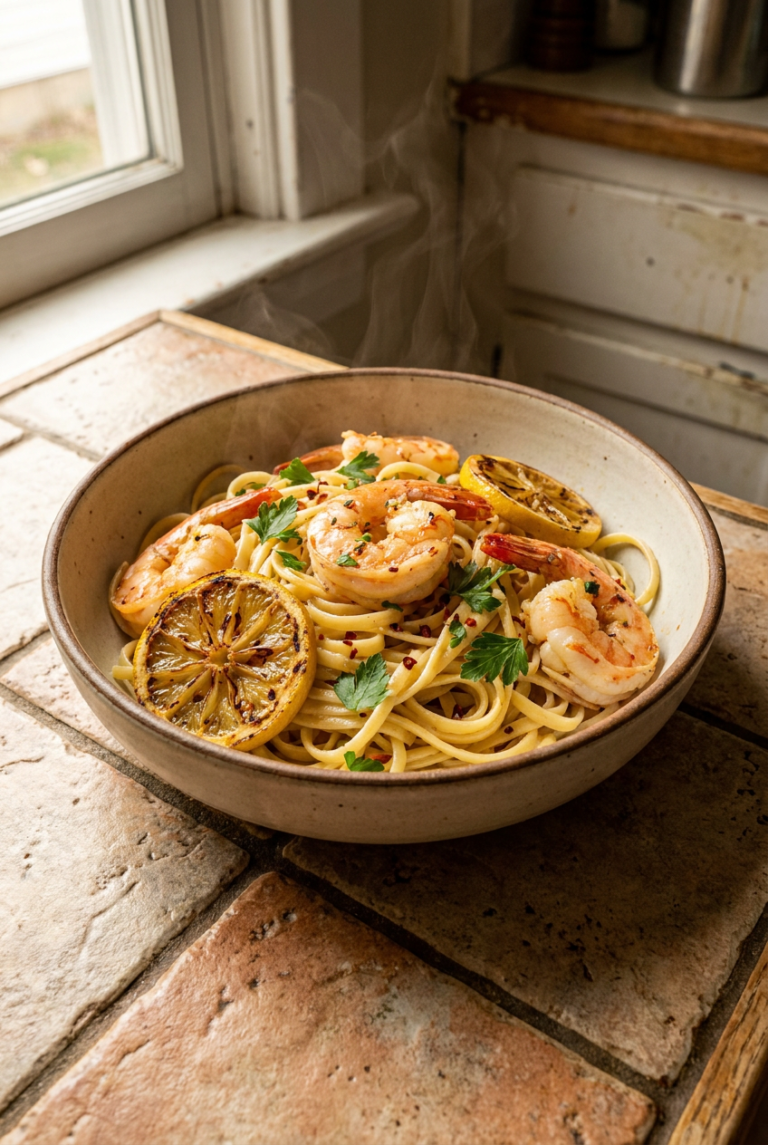
Creamy Lemon Parmesan Mafaldine Recipe, Easy Italian Dinner in 30 Minutes
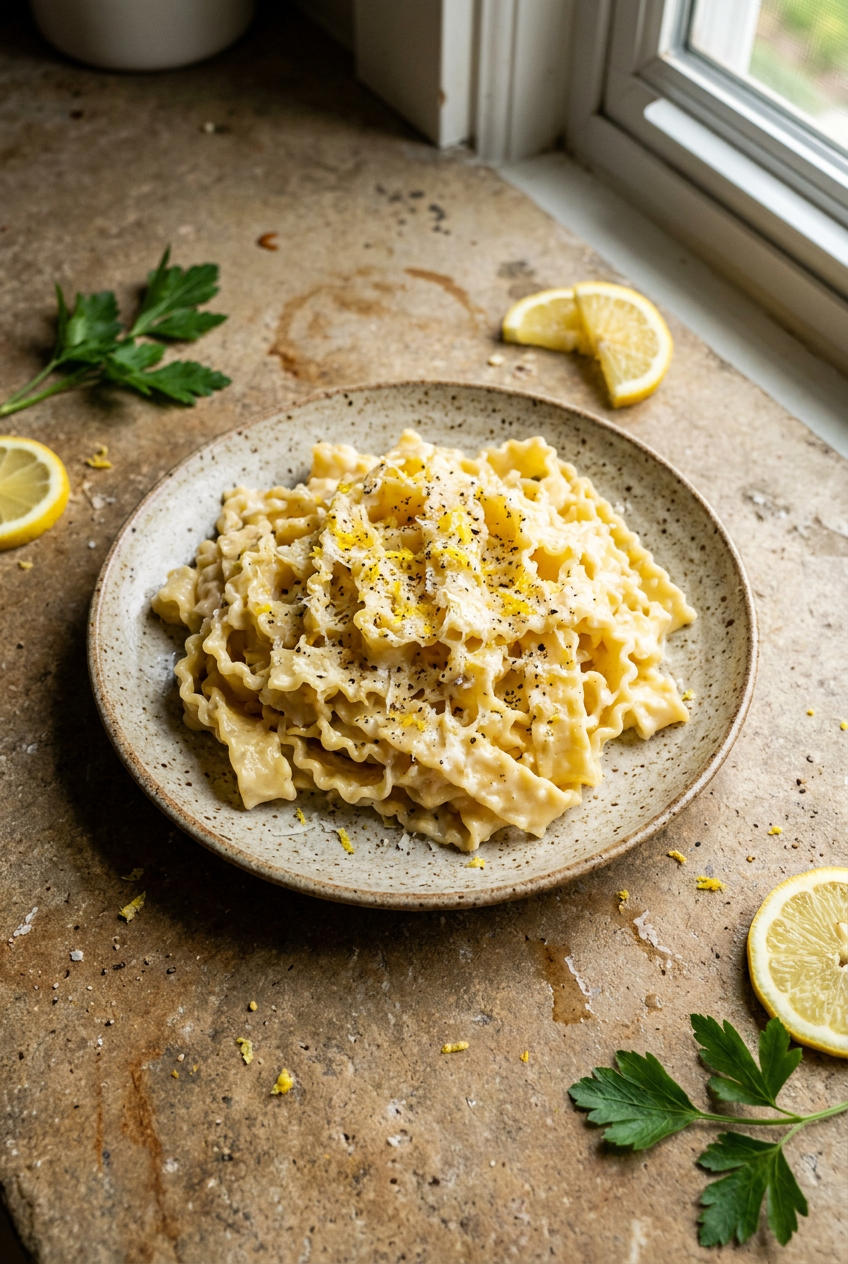
Table of Contents
- Creamy Lemon Parmesan Mafaldine: Ruffled ribbons of mafaldine luxuriously coated in a bright, velvety lemon-Parmesan sauce
- Why You Will Love This Creamy Lemon Parmesan Mafaldine Recipe
- Your Simple Ingredients for the Perfect Creamy Lemon Parmesan Mafaldine
- How to Make Perfect Creamy Lemon Parmesan Mafaldine
- Pro Tips and Easy Variations for Your Creamy Lemon Parmesan Mafaldine
- Serving Suggestions for a Perfect Dinner
- Nutrition Information
- Storage and Make-Ahead Instructions
- Your Creamy Lemon Parmesan Mafaldine Questions Answered
- More Incredible Italian Recipes to Try
- The Story Behind This Recipe
- Pin This Recipe for Later
Creamy Lemon Parmesan Mafaldine: Ruffled ribbons of mafaldine luxuriously coated in a bright, velvety lemon-Parmesan sauce
This creamy lemon Parmesan mafaldine recipe is the kind of dish that turns an ordinary Tuesday into something special. I first made it on a rainy November evening when I longed for something bright yet deeply cozy, and the scent of lemon and garlic sizzling in butter filled my kitchen with warmth. The ruffled ribbons of mafaldine, with their frilled edges and satisfying chew, seemed designed to catch every last drop of that silky sauce. It instantly became a staple, the sort of meal I return to again and again because it delivers a restaurant-level experience with shockingly little effort. If you adore the pillowy, cloud-like texture of my fluffy Japanese souffle pancakes, you will understand why I am so drawn to recipes that balance airy lightness with rich indulgence—this pasta does exactly that, marrying a whisper of cream with a punch of lemon.
What sets this creamy lemon Parmesan mafaldine recipe apart from other cream sauces is the way it comes together without a single speck of flour or a roux. The sauce’s velvety body is created entirely by carefully emulsifying starchy pasta water, heavy cream, and finely grated Parmigiano-Reggiano off the heat. This technique ensures the cheese melts into a satiny cloak rather than clumping or turning grainy, and it allows the lemon’s brightness to shine through without any heaviness. The mafaldine itself is a secret weapon here. Those wide, ruffled strands offer countless nooks for the sauce to cling to, making each twirl of the fork a perfect combination of tender pasta and creamy, zesty coating. I have tested this recipe with other pasta shapes, and while they all work, mafaldine truly takes it to another level.
This dish is for anyone who craves a meal that feels both effortlessly elegant and deeply comforting. It suits a busy weeknight when you have exactly half an hour and a hungry family waiting, yet it shines just as brightly at a dinner party when you want to impress without sweating over a stove all afternoon. I love to serve it in early spring when lemons are at their peak, but honestly, I make it year-round whenever I need a reliable pick-me-up. It is versatile enough to anchor a vegetable-forward meal with a simple salad on the side, or to host seared scallops or shrimp for a special occasion. If you have never coaxed a glossy, no-fail cream sauce from just a handful of humble ingredients, this creamy lemon Parmesan mafaldine recipe will teach you exactly how magical that can be.
Why You Will Love This Creamy Lemon Parmesan Mafaldine Recipe
- Incredibly fast and efficient. From starting the water to serving, this dish clocks in at just 30 minutes. That means you can pull together a restaurant-worthy dinner even on the busiest weeknight, without any complicated prep or long simmering times.
- Luxuriously creamy without feeling heavy. The sauce relies on a careful emulsion of cream, cheese, and pasta water, which creates a velvety texture that coats each ribbon perfectly. There is no flour, no butter overload, just a light yet decadent finish that leaves you satisfied rather than weighed down.
- Bright, balanced lemon flavor. Using both the zest and the juice of a whole lemon gives the sauce a sunny, aromatic lift that cuts through the richness. It is not tart or overwhelming; instead it tastes like the very best version of a classic Italian cream sauce.
- Forgiving and beginner friendly. Even if you have never made a cream sauce before, the method here is practically foolproof. The trick of removing the skillet from the heat before adding cheese prevents curdling, and the reserved pasta water gives you total control over the final consistency.
- Made with simple, real ingredients. You likely have most of these items on hand already: butter, garlic, cream, lemon, and a good chunk of Parmesan. Nothing artificial, no long shopping list, just honest ingredients that transform into something magnificent.
- Endlessly customizable. Once you master the base, you can fold in shrimp, asparagus, peas, or even a spoonful of mascarpone for a slightly different personality. The recipe is a canvas that adapts to what is in season or whatever you are craving.
Your Simple Ingredients for the Perfect Creamy Lemon Parmesan Mafaldine
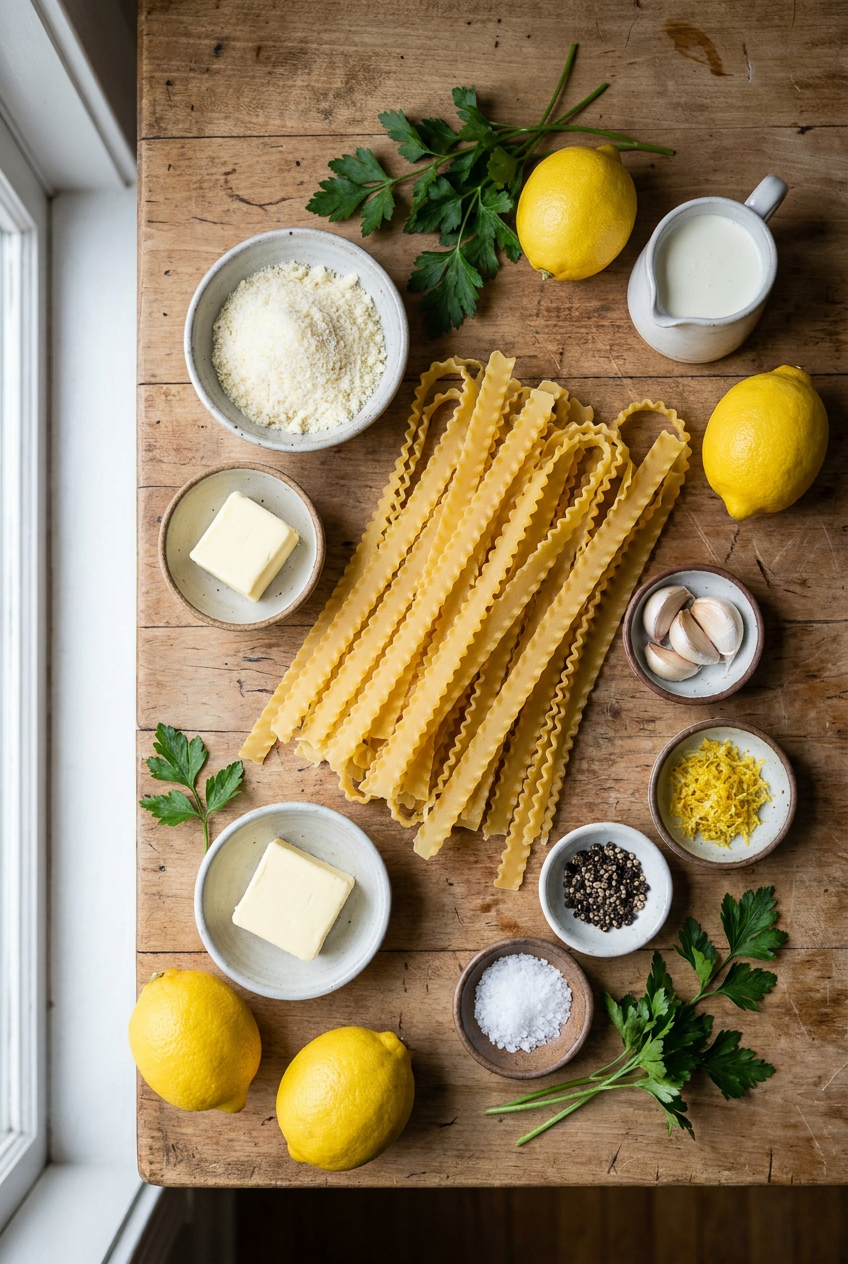
For the Pasta and Sauce
- 400g (14 oz) dried mafaldine pasta, or other long ruffled pasta
- 3 tbsp unsalted butter
- 3 cloves garlic, minced
- 1 cup heavy cream, room temperature
- 1 large lemon, zested and juiced (about 3 tbsp juice)
- 1 cup (100g) Parmigiano-Reggiano, finely grated, plus more for serving
- 1 tsp kosher salt, plus more for pasta water
- 1/2 tsp freshly ground black pepper, plus more for serving
- 1 cup reserved pasta water, as needed
For Garnish
- 1/4 cup fresh basil leaves, torn or chiffonade
- Extra lemon zest, optional
Ingredient Notes
Mafaldine pasta. This ruffled ribbon shape is sometimes labeled as mafalda or reginette. The frilled edges are not just decorative; they actively scoop up the creamy sauce and release a burst of flavor in every bite. If you cannot find it, pappardelle or fettuccine are the best substitutes because they share a similar wide, flat surface area. Look for bronze-die extruded pasta, which has a rougher texture that helps the sauce cling even better. Cook it in water as salty as the sea to season the pasta itself, not just the sauce.
Unsalted butter. I always reach for unsalted butter so I can control the exact amount of sodium in the final dish. It creates the foundation of the sauce, carrying the garlic’s fragrance and adding a subtle richness without overwhelming the lemon. If you only have salted butter, simply reduce the added kosher salt by about a quarter teaspoon.
Heavy cream. Full-fat heavy cream is essential here for that lush, silky texture. Let it sit at room temperature for about 15 minutes before you start cooking; cold cream hitting a hot skillet can cause the sauce to break or the butter to seize slightly. In a pinch, you can use half-and-half, but the sauce will be thinner and you may need to reduce it a bit longer to achieve the same cling.
Lemon. A large, juicy lemon is the heart of this dish. You will use both the zest and the juice. The zest, taken with a microplane, releases intense aromatic oils that disperse evenly through the sauce, while the juice provides that unmistakable sunny sharpness. Always zest before juicing, and try to find unwaxed lemons if possible to avoid any bitterness from the peel.
Parmigiano-Reggiano. This is not the time for pre-grated cheese in a green can. A genuine block of Parmigiano-Reggiano, finely grated at home, melts into a smooth, nutty, deeply savory cloak that defines the sauce. The granular texture and high fat content allow it to dissolve seamlessly when added off the heat. For a strict vegetarian version, look for Parmesan made with microbial rennet rather than traditional animal rennet.
Reserved pasta water. This cloudy, starchy liquid is your secret weapon for achieving a silky, emulsified sauce. The starch helps bind the cream and cheese together while loosening the mixture to exactly the right consistency. Always reserve at least a cup before draining, and remember to add it a splash at a time so you do not thin the sauce too quickly.
How to Make Perfect Creamy Lemon Parmesan Mafaldine
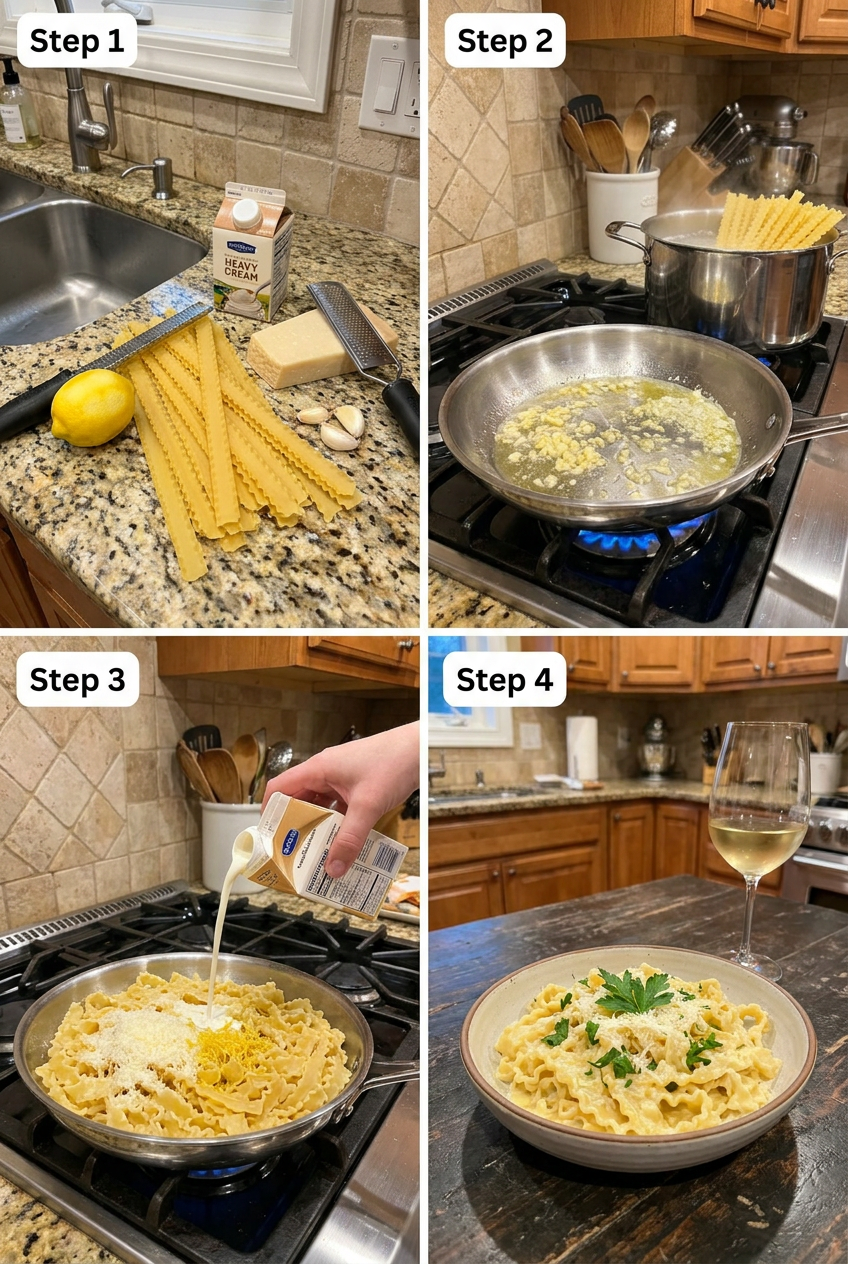
Phase 1: Boil the Pasta
Fill a large pot with water, add a generous handful of kosher salt until it tastes pleasantly like the sea, and bring it to a rolling boil. Once the water is fiercely bubbling, add the dried mafaldine and cook according to the package directions until al dente. I always set a timer for one minute less than the suggested time because the pasta will continue to soften slightly when tossed with the hot sauce. Before you drain, dip a heatproof measuring cup into the pot and scoop out a full cup of that starchy pasta water; set it aside on the counter. Drain the pasta in a colander but do not rinse it. A pro tip here: if your skillet for the sauce is not quite large enough, you can drain the pasta a minute early and let it finish cooking in the sauce itself, where it will absorb even more flavor.
Phase 2: Build the Lemon Cream Sauce
While the pasta bubbles away, melt the butter in a large skillet or sauté pan over medium heat. You want the butter to foam gently without browning. Once it has melted, scatter in the minced garlic and stir constantly with a wooden spoon. The moment you can smell the sweet, nutty fragrance of the garlic, about one minute, pour in the heavy cream. Immediately reduce the heat to medium-low and let the cream come to a gentle simmer, you will see tiny bubbles forming around the perimeter of the pan. Stir in the lemon zest and the freshly squeezed lemon juice. The sauce will look a bit loose at this stage, and that is exactly what you want. Keep the heat low enough that the cream is barely simmering; if it boils vigorously, the lemon can cause the dairy to curdle slightly. This is where the magic begins, as the zest infuses the cream with its bright oils.
Phase 3: Emulsify with Cheese and Pasta Water
Now pull the skillet completely off the heat. This step is critical: adding cheese over direct heat can cause it to seize into stringy clumps. With the pan off the burner, sprinkle in the finely grated Parmigiano-Reggiano and whisk or stir vigorously until the cheese has completely melted and the sauce is smooth and glossy. Add the drained mafaldine directly into the skillet. Using tongs, toss the pasta gently but thoroughly, making sure every ruffle gets coated. Begin adding splashes of the reserved pasta water, a tablespoon or two at a time, tossing continuously. You will see the sauce transform before your eyes, it goes from a thick paste to a silky, flowing cloak that hugs each strand. Taste and season with the kosher salt and black pepper. Just like in my Moroccan chicken tagine, the key is to build flavor in stages, here layering garlic, lemon, and cheese until they harmonize into something profoundly savory and bright.
Phase 4: Finish and Serve
Remove the skillet from the heat entirely and fold in half of the torn basil leaves, letting their heat-release fragrance mingle with the lemon cream. Warm your serving bowls by splashing a little hot pasta water into each one, swirling it around, and pouring it out. This small step keeps the pasta hot at the table and makes the presentation feel polished. Divide the creamy lemon Parmesan mafaldine among the warmed bowls. Finish each portion with a generous snowfall of extra Parmigiano-Reggiano, a few cracks of black pepper, the remaining basil, and a whisper of fresh lemon zest if you like. Serve immediately while the sauce is at its most fluid and inviting.
Pro Tips and Easy Variations for Your Creamy Lemon Parmesan Mafaldine
Pro Tips
- Salt your pasta water aggressively. The water should taste reminiscent of seawater. Properly seasoned pasta carries flavor from within, so your final dish needs far less additional salt to taste vibrant.
- Always grate your own Parmigiano-Reggiano. Pre-shredded cheeses are often coated with anti-caking agents that prevent them from melting smoothly. Freshly grated cheese dissolves into the sauce instantly and gives a silkier mouthfeel.
- Remove the pan from the heat before adding cheese. High direct heat is the number one reason cream sauces break or turn grainy. Let the residual warmth do the melting work for a sauce that stays perfectly velvety.
- Add pasta water gradually. It is tempting to dump in a large splash, but a tablespoon at a time gives you complete control over the consistency. You are aiming for a sauce that coats the back of a spoon and clings generously to each ribbon.
- Handle mafaldine with care. The ruffled edges are delicate and can tear if you toss too roughly. Use tongs and a light hand, lifting and folding the pasta gently rather than aggressive stirring.
- Warm your serving bowls. This keeps the sauce loose and luscious right up to the last bite. A quick swirl of hot pasta water in each bowl is all it takes for a restaurant-style touch.
Delicious Variations
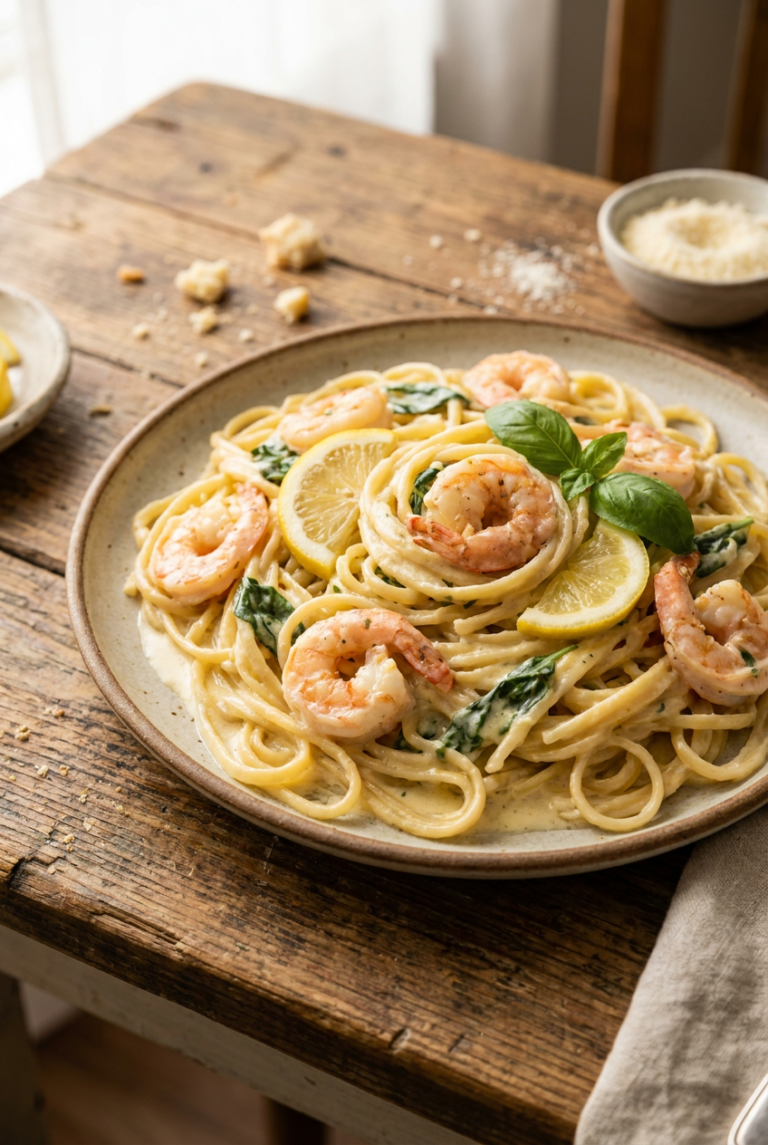
- Lemon Parmesan Mafaldine with Shrimp. Sauté about 300g of large shrimp in the butter before adding the garlic, cooking just until pink. Remove them from the skillet, proceed with the sauce, and nestle the shrimp back in at the end for an elegant surf-and-turf dinner.
- Spring Vegetable Mafaldine. Blanch a handful of asparagus tips or fresh peas in the pasta water during the last two minutes of cooking. Drain them with the pasta and toss everything together for a bright green pop of freshness.
- Mascarpone Lightened Sauce. Swap the heavy cream for half-and-half and stir in two generous tablespoons of mascarpone along with the Parmesan. This yields a slightly lighter yet still incredibly creamy sauce with a subtle tang.
- Herb-Forward Twist. Replace the basil with a mix of fresh chives, flat-leaf parsley, and tarragon. Each herb brings a different note that plays beautifully against the lemon.
If you are in the mood for something sweet rather than savory, my blueberry lemon ricotta pancakes are a bright, fluffy treat that carries that same lemon sunshine in a completely different direction.
Serving Suggestions for a Perfect Dinner
This creamy lemon Parmesan mafaldine stands beautifully on its own, but I love to round it out with a few simple sides. A crisp arugula salad dressed with nothing more than a drizzle of good olive oil, a squeeze of lemon, and a pinch of flaky sea salt makes a perfect companion. The peppery greens echo the sauce’s brightness while adding a fresh crunch that contrasts with the silky pasta. For drinks, a chilled glass of Pinot Grigio or a lightly oaked Chardonnay complements the lemon and cream without overpowering the delicate flavors. If you prefer something non-alcoholic, sparkling water with a slice of lemon feels celebratory and refreshes the palate between bites.
I often serve this dish for impromptu weeknight dinners when I want something that feels special but doesn’t demand hours of prep. It is also a wonderful option for a small dinner party because you can prep all your ingredients in advance, grate the cheese, zest the lemon, measure the cream, and then pull everything together in minutes while guests chat nearby. To scale for a crowd, simply double the quantities but cook the sauce in the largest skillet you have, or even in two batches, to avoid crowding the pasta. You can keep the finished dish warm in a low oven for about 10 minutes, but it truly is best served right away.
Nutrition Information
(Approximate per serving, 4 servings total) Calories: 580, Fat: 32g, Carbohydrates: 52g, Protein: 20g, Fiber: 3g, Sodium: 520mg. Nutritional values are estimates only.
Storage and Make-Ahead Instructions
- Refrigerator: Store leftovers in an airtight container for up to 4 days. The sauce will thicken as it chills, but a splash of milk or water when reheating will restore its creaminess. Note that the basil may darken slightly, but the flavor remains lovely.
- Freezer: Freeze in a sealed, freezer-safe container for up to 3 months. Cream-based sauces can separate a bit during freezing, so after thawing in the refrigerator overnight, stir the pasta well as you gently reheat it to bring the sauce back together.
- Reheating: The best method is in a skillet over medium-low heat. Add a tablespoon of water or milk, cover, and let the pasta steam and warm through, stirring occasionally. You can also microwave in 30-second bursts, stirring between each, until piping hot.
- Make-Ahead: While the final dish is best fresh, you can grate the cheese, zest and juice the lemon, and mince the garlic a day ahead. Store each component separately in the fridge. You can even cook the pasta up to the al dente point, toss it with a tiny drizzle of olive oil to prevent sticking, and keep it at room temperature for up to an hour before finishing the sauce.
Your Creamy Lemon Parmesan Mafaldine Questions Answered
Can I make this creamy lemon Parmesan mafaldine recipe ahead of time?
You can prep all the components in advance, but the finished dish is at its peak right after it is tossed together. If you need to make it ahead, undercook the pasta slightly, assemble the sauce, and hold them separate. Reheat the sauce gently with a bit of pasta water and toss with the pasta just before serving.
What is the best substitute for mafaldine pasta?
Pappardelle, fettuccine, or tagliatelle work beautifully. You want a long, flat ribbon with some width to catch the creamy sauce. In a pinch, even linguine can carry the sauce, though you will lose some of the textural ruffles.
Is this dish vegetarian?
Yes, when made with traditional Parmigiano-Reggiano it remains vegetarian. For a strict vegetarian version, look for Parmesan labeled as made with microbial rennet, which is widely available in well-stocked grocery stores.
How do I prevent a grainy cream sauce?
Always remove the skillet from the heat before adding the Parmesan. High heat causes the cheese proteins to tighten and clump. A gentle, patient stir off the heat ensures a smooth emulsion every time.
What should I do if my sauce becomes too thick or too thin?
If the sauce is too thick, simply add a splash of reserved pasta water and toss. If it seems too thin, let the skillet sit over very low heat for an extra minute while tossing, or sprinkle in a bit more finely grated Parmesan to help bind it.
Can I use bottled lemon juice instead of fresh?
I strongly recommend fresh lemon juice. Bottled versions often have a metallic or preserved taste that lacks the bright aromatic notes of a freshly squeezed lemon. The zest is equally important and cannot be replicated.
How do I know when the pasta water is salty enough?
Taste it. It should remind you of the ocean. This seasons the pasta from the inside out, so your final dish will need minimal additional salt.
Can I add protein to this recipe?
Absolutely. Sautéed shrimp, seared scallops, or shredded rotisserie chicken all make excellent additions. Stir them in at the end, just before the basil, so they soak up the sauce without overcooking.
Will this recipe work with gluten-free pasta?
Yes. Choose a good-quality gluten-free long ribbon pasta. The texture may be slightly different, and the pasta water will be less starchy, so you might need to add a little extra Parmesan to help the sauce emulsify.
What is the most common mistake when making this dish?
Skipping the reserved pasta water is the biggest misstep. Without that starchy addition, the sauce can feel heavy and separate rather than clingy and velvety. Always scoop out a cup before draining.
More Incredible Italian Recipes to Try
If you adored this creamy lemon Parmesan mafaldine, you will find so many other Italian Dinner recipe treasures to explore on my table. Think of classic cacio e pepe, where the same emulsification magic turns just cheese, pepper, and pasta water into a Roman masterpiece, or a simple yet profound aglio e olio that proves how a few humble ingredients can create pure comfort. For those evenings when you crave something slow-simmered and rich, a traditional Bolognese or
Creamy Lemon Parmesan Mafaldine
Ingredients
Method
- Bring a large pot of generously salted water to a rolling boil. Cook the mafaldine according to package directions until al dente. Reserve 1 cup of the starchy pasta water, then drain the pasta.
- While the pasta cooks, melt the butter in a large skillet over medium heat. Add the minced garlic and cook until fragrant, about 1 minute, without browning. Pour in the heavy cream and bring to a gentle simmer. Stir in the lemon zest and juice, then reduce heat to low.
- Remove the skillet from the heat. Whisk the grated Parmesan into the cream mixture until melted and smooth. Add the cooked mafaldine directly to the skillet. Toss vigorously with tongs, adding splashes of reserved pasta water a little at a time until the sauce becomes silky and clings to each ribbon. Season with salt and pepper.
- Remove from heat and fold in half the basil. Divide among warmed bowls, shower with extra Parmesan, a few cracks of black pepper, the remaining basil, and a whisper of lemon zest if desired. Serve immediately.
Disclosure: This post may contain affiliate links. If you purchase through our links we may earn a small commission at no extra cost to you.
If you made this Creamy Lemon Parmesan Mafaldine, please leave a comment below and let me know how it turned out.