Creamy Lemon Basil Shrimp Pasta Recipe, Easy Italian Dinner in 45 Minutes
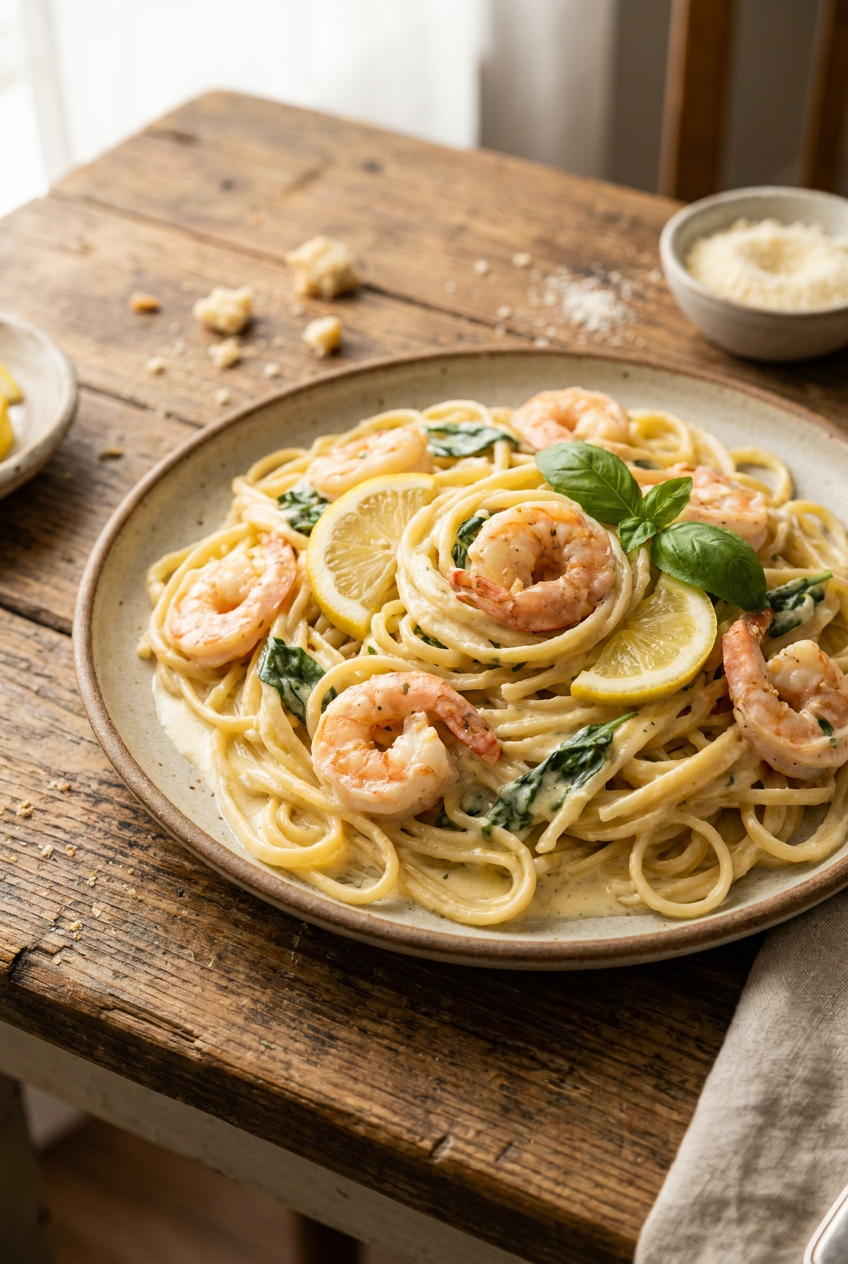
Table of Contents
- Creamy Lemon Basil Shrimp Pasta: Bright lemon, tender shrimp, and fresh basil come together in a luscious, easy pasta dinner
- Why You Will Love This Creamy Lemon Basil Shrimp Pasta Recipe
- Your Simple Ingredients for the Perfect Creamy Lemon Basil Shrimp Pasta Recipe
- How to Make Perfect Creamy Lemon Basil Shrimp Pasta
- Pro Tips and Easy Variations for Your Creamy Lemon Basil Shrimp Pasta
- Serving Suggestions for a Perfect Italian Dinner
- Nutrition Information
- Storage and Make-Ahead Instructions
- Your Creamy Lemon Basil Shrimp Pasta Questions Answered
- More Incredible Italian Recipes to Try
- The Story Behind This Recipe
- Pin This Recipe for Later
Creamy Lemon Basil Shrimp Pasta: Bright lemon, tender shrimp, and fresh basil come together in a luscious, easy pasta dinner
If you are looking for a creamy lemon basil shrimp pasta recipe that can pull off that “just like a restaurant” feeling with hardly any stress, you have absolutely landed in the right place. I still remember the first time I made this dish on a random Tuesday evening when I had nothing planned and a handful of basil threatening to wilt in the fridge. I seared some shrimp till they blushed pink, let garlic melt into butter, then poured in cream and lemon while the pasta boiled. When I tossed it all together and tasted that first twirl of linguine coated in silky, lemon-scented sauce, I immediately texted my sister: “You have to come over right now.” It was that kind of meal: the kind you want to share before the bowls are even empty.
What sets this creamy lemon basil shrimp pasta recipe apart from others is how purposefully simple it is while still feeling deeply satisfying. There are no fussy techniques or hard-to-find ingredients. The magic lives in three things: properly seared shrimp with a hint of chili, a sauce built on fresh lemon juice with just enough cream to coat every strand, and a generous handful of basil added right before serving. The reserved starchy pasta water lets you control the sauce texture without ever needing flour or cornstarch, which keeps everything light and glossy instead of heavy and gluey. It is honest, straightforward cooking that leans on bright flavors and good timing rather than complicated steps.
This is a recipe for anyone who craves a special dinner but is short on time and mental energy. It works beautifully for date nights at home, last-minute entertaining when you want to set down something impressive but not demanding, or even a quick family meal when everyone needs a little brightness on their plate. Because it comes together in about 45 minutes with mostly pantry staples, you can make it any day you want a quiet moment of deliciousness. If you love the kind of meal that feels like a gentle celebration, you might also enjoy exploring Moroccan chicken tagine for a slower, spiced comfort on a lazy weekend.
Why You Will Love This Creamy Lemon Basil Shrimp Pasta Recipe
- Incredibly fast and efficient. From start to finish you are looking at about 45 minutes for a complete dinner, and much of that is hands-off while the pasta water comes to a boil. You can sear the shrimp and build the sauce in the time it takes the linguine to cook, which means everything lands on the table hot and fresh at the same time.
- Perfectly balanced flavors. The sweetness of seared shrimp plays against the bright lemon tang and the gentle herbaceousness of basil, all wrapped in a creamy but not heavy sauce. Every bite has a little warmth from garlic and a subtle kick from red pepper flakes without any single element taking over.
- Sauce that clings to every strand. Because you use starchy pasta water and gently whisk in Parmesan off the heat, the sauce emulsifies into a silky coating that hugs the linguine rather than pooling at the bottom of the bowl. It is a texture that makes each forkful feel luxurious.
- Uses simple, real ingredients. There are no canned soups, no cream cheese shortcuts, no pre-made seasoning packets. Just fresh garlic, real lemon, good cream, and a block of Parmesan you grate yourself. That straightforwardness means you taste every clean note.
- Highly adaptable for different diets and moods. You can swap the shrimp for chicken or keep it vegetarian by adding mushrooms and asparagus. The lemon basil cream sauce is flexible enough to welcome whatever you have on hand, and the method stays the same.
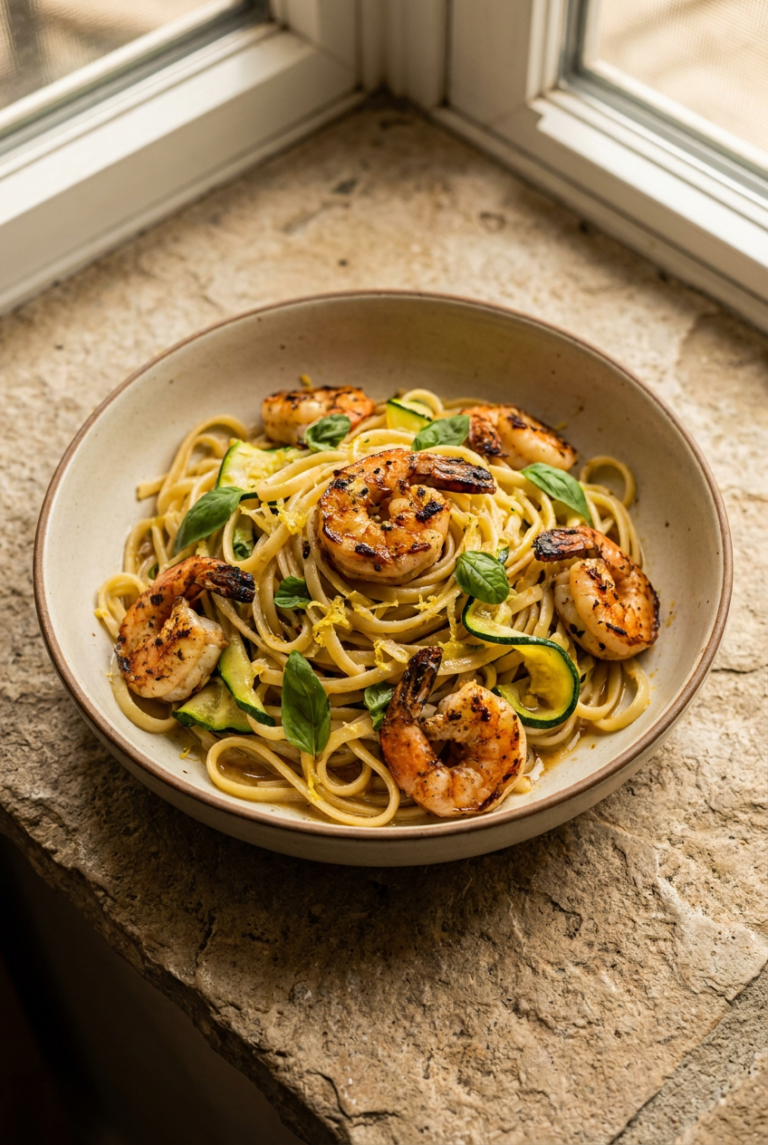
- Looks beautiful with zero extra effort. The pale pink shrimp, flecks of green basil, and bright yellow lemon slices make the dish look like something from a cookbook cover, yet you never have to plate it fussily. A simple scatter of extra basil and a quick grating of Parmesan are all it takes.
Your Simple Ingredients for the Perfect Creamy Lemon Basil Shrimp Pasta Recipe
Pasta
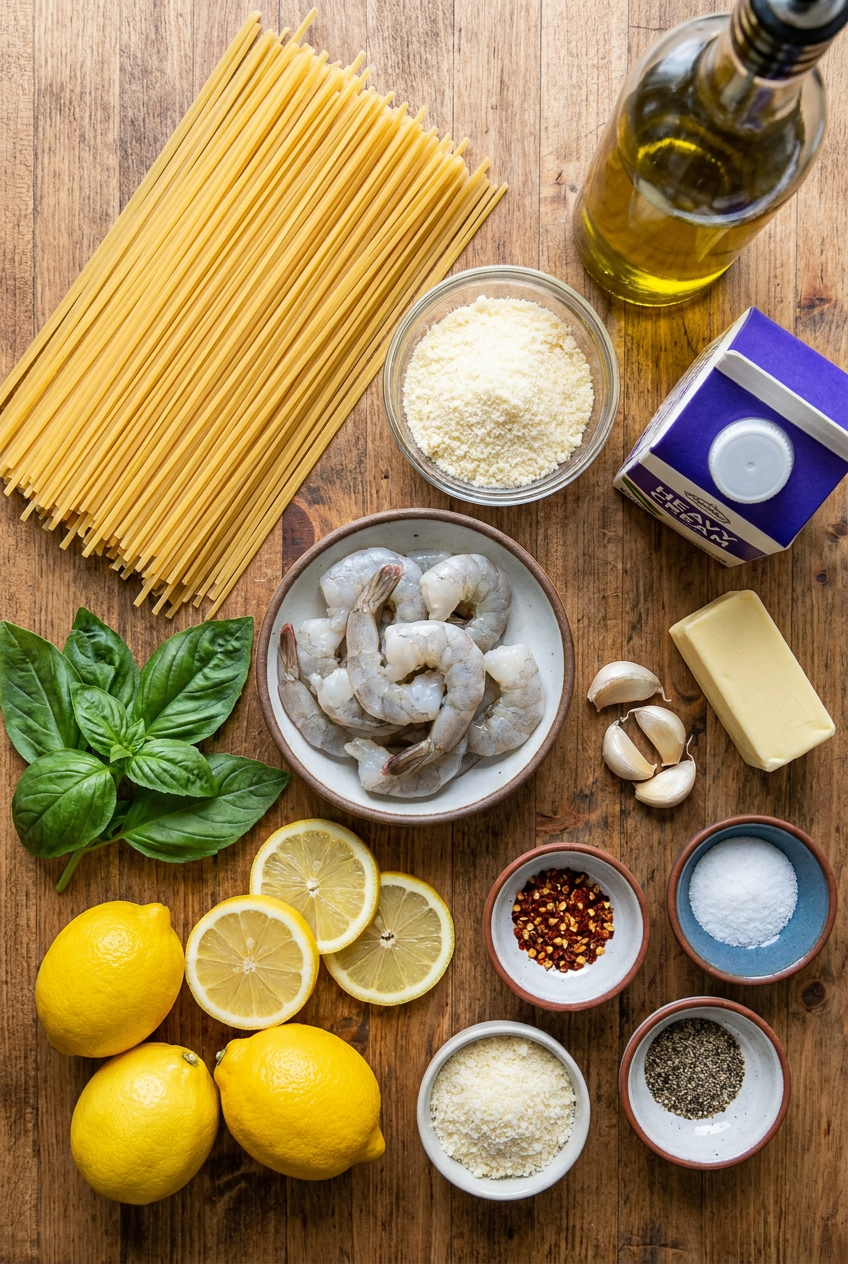
- 1 lb linguine (or fettuccine), dry pasta
- 1 tbsp salt, for pasta water
Shrimp
- 1 lb large shrimp, peeled, deveined, tails off
- 1 tbsp olive oil
- 1/2 tsp salt
- 1/4 tsp black pepper, freshly ground
- 1/4 tsp red pepper flakes, optional
Creamy Lemon Basil Sauce
- 2 tbsp unsalted butter
- 4 cloves garlic, minced
- 1 cup heavy cream
- 1/2 cup freshly grated Parmesan cheese, plus extra for serving
- 2 tsp lemon zest, from 1 large lemon
- 3 tbsp fresh lemon juice, from 1-2 lemons
- 1/2 cup fresh basil leaves, thinly sliced, plus more for garnish
- salt and black pepper, to taste
Ingredient Notes
Linguine or fettuccine provides the ideal surface for this sauce to cling to. Long, flat noodles catch the cream without overwhelming the delicate shrimp. Look for bronze-die-cut pasta if you can, because the rougher texture helps the sauce adhere even better. If you only have spaghetti or bucatini, those will work beautifully too; just cook them exactly to al dente so they hold their shape when tossed.
Large shrimp are the star protein here, and buying them already peeled and deveined with tails off saves precious minutes. If you have frozen shrimp, thaw them completely in the refrigerator overnight or under cold running water, then pat them extremely dry. Dry shrimp sear properly, while wet shrimp steam and turn pale. As for size, aim for 21 to 25 count per pound so each bite gives you a satisfying piece rather than tiny crumbles.
Fresh lemon juice and zest are absolutely non-negotiable for that bright, forward citrus flavor. Bottled juice can taste dull or metallic and lacks the aromatic oils present in the zest. When you zest the lemon, do it before juicing and only take the yellow outer layer, leaving behind the bitter white pith. One large, juicy lemon typically gives you about 3 tablespoons of juice and 2 teaspoons of zest, which strikes the right balance of acidity without curdling the cream.
Heavy cream creates the luxurious body of the sauce. You want a cream with at least 36 percent milk fat so it simmers gently without separating when you add the lemon juice. Lower fat alternatives like half-and-half can curdle more easily under heat, so if you must substitute, a mixture of whole milk and a little butter can work in a pinch but will never be quite as silky. Let the cream come to room temperature while you prep everything else to help it warm smoothly in the skillet.
Fresh basil is added at the very end because its volatile compounds fade quickly with heat. Look for vibrant green leaves without dark spots or wilting. To slice it thinly without bruising, stack several leaves, roll them into a tight cigar shape, and cut across into fine ribbons right before you are ready to stir them into the sauce. The scent that hits you as the basil hits the warm cream is one of the best parts of making this dish.
Parmesan cheese must be freshly grated from a block for the sauce to melt smoothly. Pre-shredded varieties are often coated with anti-caking agents that prevent them from dissolving properly and can leave your sauce grainy. Grate it finely on a microplane or the smallest holes of a box grater, and always stir it in off the heat to avoid clumping. A little extra passed at the table lets everyone add that final salty, nutty touch.
How to Make Perfect Creamy Lemon Basil Shrimp Pasta
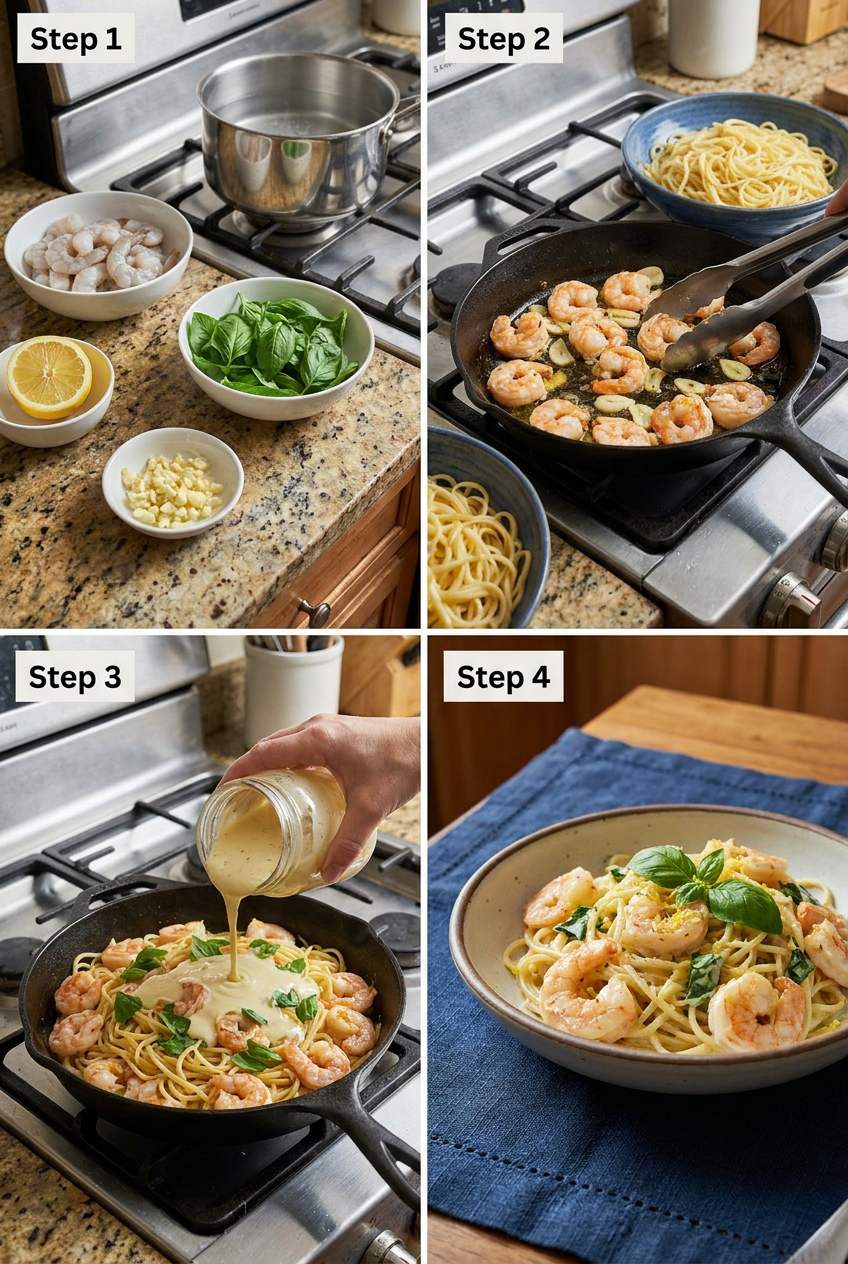
Phase 1: Cook the Pasta
Fill your largest pot with at least 4 quarts of water and bring it to a rolling boil. Add the tablespoon of salt and stir; the water should taste pleasantly salty like the sea, because this is the only chance you have to season the pasta itself from the inside out. Drop in the linguine and cook according to the package timing for al dente, stirring once or twice to prevent sticking. During the last minute of cooking, use a heatproof measuring cup to scoop out about 1 cup of the cloudy pasta water and set it aside. This starchy liquid is your insurance policy for a glossy, cohesive sauce later. Drain the pasta but do not rinse it—you want the surface starches intact to help the sauce grip. As the pasta drains, you can already move on to the next step because the shrimp and sauce cook quickly while the pasta waits.
Phase 2: Sauté the Shrimp
Pat the shrimp very dry with paper towels. In a medium bowl, toss them with the olive oil, salt, black pepper, and red pepper flakes if using. You want each shrimp coated lightly so the seasoning adheres. Place a large skillet over medium-high heat and let it get properly hot before you add anything; a drop of water should sizzle and evaporate instantly. Arrange the shrimp in a single layer without crowding—if your skillet is not large enough, cook them in two batches to ensure they sear rather than steam. Let them cook undisturbed for 1 to 2 minutes on the first side until the edges turn pink and you see a golden brown sear forming underneath. Flip each one and cook for another 1 to 2 minutes until they are completely pink and opaque and a thermometer inserted into the thickest part reads 145°F (63°C). The shrimp will have a slight curl and feel firm but bouncy to the touch. Immediately transfer them to a clean plate and keep the skillet on the heat, letting all those browned bits stay right where they are for the sauce.
Phase 3: Start the Cream Sauce
Reduce the heat to medium and drop the butter into the same skillet. As it melts, it will pick up all the savory fond left from the shrimp. Once the butter is foamy, add the minced garlic and stir constantly for about 30 seconds until it smells intensely fragrant but has not taken on any color. Garlic that browns too much turns bitter, and you want this sauce to taste sweet and mellow. Pour in the heavy cream slowly while stirring, then bring it to a gentle simmer. You will see tiny bubbles around the edge of the pan and a light steam rising. Scrape the bottom of the skillet with a wooden spoon to lift every last bit of flavor into the cream. Let it simmer softly for 2 to 3 minutes, just until it thickens enough to coat the back of a spoon. Do not let it boil hard; a vigorous boil can cause the cream to separate, especially once you add the lemon juice.
Phase 4: Finish the Sauce
Turn the heat down to low. Sprinkle in the finely grated Parmesan and immediately whisk until it disappears and the sauce looks smooth and uniform. Then add the lemon zest and fresh lemon juice, whisking again. The sauce will tighten slightly as the acid hits the cream, which is exactly what you want because it creates a rich yet bright consistency. Taste the sauce now and add a small pinch of salt and a few cracks of black pepper. At this point, stir in the sliced basil. The moment those green ribbons hit the warm sauce, your kitchen will fill with the most incredible fresh aroma. If the sauce appears too thick—if it clings to the whisk rather than slowly dripping off—add a splash of the reserved pasta water and whisk it in. This loosens the sauce while also making it impossibly silky. This technique reminds me of the way starchy liquid works wonders in other creamy dishes, much like when I make fluffy Japanese souffle pancakes where gentle binding is everything.
Phase 5: Combine and Serve
Add the drained linguine directly into the skillet, followed by the cooked shrimp and any juices that have collected on the plate. Use a pair of tongs to lift and turn the pasta, gently tossing until every strand is coated in the lemon basil cream sauce. The pasta will keep absorbing liquid, so if things start to feel tight, add another tablespoon or two of pasta water and keep tossing. When it looks glossy and the shrimp are evenly distributed, give it one final taste and adjust the salt or lemon juice if needed. Serve immediately in wide, shallow bowls. Top each portion with a few extra thin slices of basil, a tiny pinch of lemon zest, and a generous snowfall of Parmesan. A lemon wedge on the side lets everyone brighten their bowl just a little more. Eat it right away while the sauce is at its creamiest and the shrimp are perfectly tender.
Pro Tips and Easy Variations for Your Creamy Lemon Basil Shrimp Pasta
Pro Tips
- Salt the pasta water generously. This is not just a suggestion; it is the difference between bland pasta and pasta that has flavor built into every bite. Aim for water that tastes like a well-seasoned soup, so the linguine absorbs salt as it cooks and naturally enhances the overall dish without you having to oversalt the sauce later.
- Pat the shrimp completely dry. Any surface moisture will immediately cool down your hot skillet and prevent that golden sear from forming. The sear adds a subtle savory depth that plain steamed shrimp cannot give, and it takes just a few seconds of blotting with paper towels to achieve.
- Shred your own Parmesan. Pre-grated cheese often contains cellulose or starch that prevents it from melting seamlessly into cream. When you grate a block yourself on a microplane, the cheese vanishes into the sauce in seconds, leaving behind only a nutty richness and zero graininess.
- Add lemon juice off the heat. Heat can cause the proteins in cream to react with acid and create tiny curds, but working over low heat and stirring immediately disperses the lemon juice evenly. If you ever see the sauce look slightly broken, a quick splash of cold cream or pasta water and vigorous whisking will bring it back together.
- Taste and adjust in layers. Season the shrimp, then the sauce base, then the finished dish. This building approach means no single element overpowers and you catch the right salt level at every stage. Remember you can always add more, but you cannot take it out.
- Reserve more pasta water than you think you need. It is the secret weapon for a restaurant-quality sauce. Even if you only use a few tablespoons, having a full cup on hand gives you the freedom to loosen the sauce at the end without scrambling for another liquid that might dilute the flavor.
Delicious Variations
- Swap shrimp for thinly sliced chicken breast. Season and sauté the chicken strips exactly like the shrimp, cooking them until golden and just cooked through. The lemon basil cream sauce pairs beautifully with chicken, and the whole dish stays light while feeling hearty enough for the hungriest eaters.
- Make it vegetarian with sautéed mushrooms and asparagus. Omit the shrimp entirely and instead slice cremini mushrooms and trim asparagus into bite-size pieces. Sauté them in butter until browned and tender before building the sauce, letting them soak up all that lemony garlic cream.
- Add a handful of baby spinach for extra color. Stir a few cups of fresh spinach into the sauce right after the Parmesan melts and let it wilt for just a minute. The spinach adds a gentle earthiness and a pop of green that makes the dish feel even more vibrant.
- Use a different pasta shape for variety. While linguine is classic, short pasta like penne, rigatoni, or farfalle grabs the sauce in all its ridges and hollows. This variation also makes it easier to spoon into lunch containers the next day, and the sauce clings just as loyally.
Once you master this simple lemon cream technique, you might find yourself wanting to carry it into breakfast with something sweet and sunny like blueberry lemon ricotta pancakes for a totally different but equally lovely lemon moment.
Serving Suggestions for a Perfect Italian Dinner
This creamy lemon basil shrimp pasta truly shines when accompanied by something crisp and fresh that balances the richness of the cream sauce. A simple green salad with a lemon vinaigrette, shaved fennel, and a few peppery arugula leaves is my favorite choice. The sharp dressing echoes the lemon in the pasta while cutting through the cream beautifully. On the side, warm crusty garlic bread or a rustic sourdough loaf is perfect for soaking up every last bit of sauce. For drinks, a very cold glass of Pinot Grigio or a dry Sauvignon Blanc highlights the citrus and herbal notes without overpowering the delicate shrimp. If you prefer something non-alcoholic, sparkling water with a squeeze of lemon and a basil sprig feels festive and complementary.
Because this dish comes together so quickly, it is ideal for a wide range of occasions. I have served it for a quiet anniversary dinner at home, set it on the table for a casual weeknight when friends dropped by unexpectedly, and even doubled the recipe for a small birthday gathering. When scaling up, use a larger skillet or work in batches so the shrimp still sear properly, then toss everything together in a very large bowl or pot. Add an Italian-style appetizer like marinated olives or a simple caprese salad, and you have a complete dinner that makes everyone feel cared for without spending hours in the kitchen.
Nutrition Information
(Approximate per serving, 4 servings total) Calories: 520, Fat: 22g, Carbohydrates: 45g, Protein: 28g, Fiber: 2g, Sugar: 4g, Sodium: 580mg. Nutritional values are estimates only.
Storage and Make-Ahead Instructions
- Refrigerator: Place any leftovers in an airtight container within two hours of cooking. They will keep well for up to 3 days, though the cream sauce will thicken as it chills. The shrimp stay tender when gently reheated, and the basil flavor remains present but softer.
- Freezer: Transfer the cooled pasta to a freezer-safe container or heavy duty zip-top bag, press out excess air, and freeze for up to 1 month. The sauce texture may shift slightly upon thawing, becoming a bit grainier, but a gentle stovetop reheat with a splash of cream or milk will bring it back together reasonably well.
- Reheating: The best method is to warm a skillet over low heat, add the pasta with a tablespoon or two of milk or water, and stir frequently until heated through. Avoid the microwave if possible, as it can turn the shrimp rubbery and cause the sauce to separate. A slow, gentle reheat keeps everything creamy and tender.
- Make-Ahead: You can prep all the ingredients up to a day in advance. Chop the garlic, slice the basil and store it wrapped in a barely damp paper towel inside a zip-top bag, grate the Parmesan, and zest and juice the lemons. Keep everything refrigerated separately. Cook the pasta and shrimp right before serving, and the sauce comes together in minutes so dinner is on the table in almost no time.
Your Creamy Lemon Basil Shrimp Pasta Questions Answered
Can I make this dish ahead of time?
It is honestly best enjoyed fresh because the pasta continues to soak up the sauce, but you can certainly get ahead. Slightly undercook the linguine by a minute, then rinse briefly in cold water to stop the cooking. Store the sauce and shrimp separately from the pasta, then reheat the sauce gently over low heat with a little extra cream, adding the pasta and shrimp just before serving.
What is the best substitute for heavy cream?
A mixture of 3/4 cup whole milk whisked with 1 tablespoon cornstarch can work in a pinch, though the result will be less rich. Sour cream or crème fraîche stirred in at the very end off the heat can also provide creaminess, but avoid boiling them to prevent curdling. The sauce will simply be thinner and slightly tangier, which can actually be quite nice with the lemon.
How do I know when the shrimp are perfectly cooked?
Look for a pink, opaque color throughout and a loose curl shape. When shrimp form a tight “C” or even an “O”, they are likely overcooked and can taste rubbery. As soon as the grayness disappears and they look pearly pink all the way through, pull them off the heat. A quick-read thermometer showing 145°F (63°C) in the thickest part confirms they are done.
Can I use frozen shrimp?
Absolutely. Thaw them completely in the refrigerator overnight or place them in a colander under cold running water for a few minutes. The critical step is to dry them very thoroughly with paper towels afterward so they sear instead of steam. Frozen shrimp can release extra moisture, so consider patting them dry twice before seasoning.
My sauce turned grainy. What went wrong?
Grainy sauce usually comes from adding Parmesan to cream that is too hot, or using pre-shredded cheese with anti-caking agents. Always remove the pan from direct heat or keep it over the lowest possible flame when stirring in the cheese, and grate your own Parmesan. If it still happens, a quick buzz with an immersion blender can smooth it out, or whisk in a tablespoon of cold cream while stirring constantly.
Can I use dried basil instead of fresh?
Fresh basil is truly the heart of this dish because it adds a bright, aromatic punch that dried simply cannot replicate. In a real pinch, you could use 1 to 2 teaspoons of dried basil added earlier with the garlic so it has time to hydrate and release flavor. Just know the result will taste more earthy and less vibrant, so you might want to increase the lemon zest slightly to compensate.
Is there a way to make this dairy-free?
You can substitute full-fat canned coconut milk or a thick plant-based cream alternative for the heavy cream, though the flavor profile will change noticeably. Use a dairy-free buttery spread instead of butter and a good quality vegan Parmesan or nutritional yeast for that savory note. The lemon and basil will still shine through, and the sauce will be creamy, just with a subtle coconut undertone that actually pairs nicely with the shrimp.
How do I prevent the sauce from breaking when I add lemon juice?
Keep the heat very low and add the lemon juice gradually while whisking constantly. Bringing the cream to a gentle simmer rather than a rapid boil before adding the acid helps stabilize it. If you are nervous, you can temper the lemon juice by mixing it with a few tablespoons of the warm cream in a small bowl first, then stirring that mixture back into the pan.
What if I want to use precooked shrimp?
Precooked shrimp can be used as a time saver, but they will never have the same freshly seared flavor. Skip the initial sauté step and simply add them at the very end when you toss the pasta, letting them warm through in the sauce for just a minute. Be gentle, as they are more fragile and can turn tough quickly.
Can I double the recipe for a crowd?
Yes, this recipe scales beautifully. Use two skillets or work in batches for the shrimp to avoid overcrowding, then combine everything in a large Dutch oven or wide pot for the final toss. You might need slightly more pasta water on hand to adjust the sauce consistency, and always taste for seasoning since a double batch may need a bit more salt and lemon.
More Incredible Italian Recipes to Try
If this creamy lemon basil shrimp pasta spoke to your love of bright, comforting Italian dinners, there are so many other recipes you will want to make next. Pasta recipes that rely on simple, fresh ingredients and come together in under an hour are some of the most rewarding dishes in my kitchen. Consider a classic aglio e olio where garlic, good olive oil, and a pinch of chili flakes transform spaghetti into something sublime, or a spring-forward primavera loaded with whatever vegetables look best at the market. The same principles of timing, seasoning as you go, and reserving pasta water apply across all of them, so once you master this one, you unlock a whole category of effortless pastas.
You might also explore other Italian dinner classics like a simple risotto that teaches you patience and yields the creamiest rice, or a quick chicken piccata where lemon and capers create a pan sauce that feels similarly luxurious. Any of these dishes share that beautiful balance of richness and acidity that makes this shrimp pasta so memorable. I find that once you start cooking this way, using whole ingredients and tasting as you go, you will naturally be drawn to recipes that celebrate the same straightforward Italian spirit.
The Story Behind This Creamy Lemon Basil Shrimp Pasta
This recipe draws its soul from coastal Italian cooking, where lemon, seafood, and fresh herbs are a way of life rather than a trend. In regions like Campania and Sicily, shrimp and lemons are abundant, and many classic pastas rely on the combination of briny shellfish and bright citrus to create dishes that feel light yet deeply satisfying. While the exact origin is not tied to a single Italian nonna, the idea of tossing hot pasta with a knob of butter, a splash of cream or olive oil, and whatever fragrant herbs are growing nearby is about as authentic as it gets.
Over time, home cooks around the world have embraced this template and gently evolved it, adding Parmesan for nuttiness and red pepper flakes for warmth. What I love about this version is that it stays true to the simplicity at its core while making a few practical adjustments for a weeknight kitchen. It doesn’t need a long simmered sauce or a dozen ingredients, just good shrimp, real lemon, fresh basil, and the patience to let each element shine. Every time I make it, I think about how the most memorable meals are often the ones that asked very little of us but gave back so much comfort.
Pin This Creamy
Creamy Lemon Basil Shrimp Pasta
creamy lemon basil shrimp pasta recipe made easy at home. Bright lemon, tender shrimp, and fresh basil come together in a luscious, easy pasta dinner. Ready i
Ingredients
Method
- Bring a large pot of salted water to a boil. Cook linguine according to package directions until al dente. Reserve 1 cup pasta water, then drain and set aside.
- While pasta cooks, pat shrimp dry with paper towels. Toss with olive oil, salt, pepper, and red pepper flakes. Heat a large skillet over medium-high heat. Cook shrimp in a single layer for 1-2 minutes per side until pink and opaque and internal temperature reaches 145°F (63°C). Transfer to a plate.
- Reduce heat to medium. In the same skillet, melt butter. Add garlic and cook for 30 seconds until fragrant, stirring constantly. Pour in heavy cream and bring to a gentle simmer, scraping up any browned bits from the pan.
- Reduce heat to low. Whisk in Parmesan, lemon zest, and lemon juice. Stir until cheese has melted and sauce is smooth. Season with a pinch of salt and pepper. Add the sliced basil and stir to combine.
- Add the drained pasta and cooked shrimp to the skillet. Gently toss with tongs until everything is coated in the sauce, adding more pasta water if needed to loosen. Taste and adjust seasoning. Serve immediately in bowls, garnished with extra basil, lemon slices, and a sprinkle of Parmesan.
Disclosure: This post may contain affiliate links. If you purchase through our links we may earn a small commission at no extra cost to you.
If you made this Creamy Lemon Basil Shrimp Pasta, please leave a comment below and let me know how it turned out.
Creamy Lemon Basil Shrimp Pasta
Ingredients
Method
- Bring a large pot of salted water to a boil. Cook linguine according to package directions until al dente. Reserve 1 cup pasta water, then drain and set aside.
- While pasta cooks, pat shrimp dry with paper towels. Toss with olive oil, salt, pepper, and red pepper flakes. Heat a large skillet over medium-high heat. Cook shrimp in a single layer for 1-2 minutes per side until pink and opaque and internal temperature reaches 145°F (63°C). Transfer to a plate.
- Reduce heat to medium. In the same skillet, melt butter. Add garlic and cook for 30 seconds until fragrant, stirring constantly. Pour in heavy cream and bring to a gentle simmer, scraping up any browned bits from the pan.
- Reduce heat to low. Whisk in Parmesan, lemon zest, and lemon juice. Stir until cheese has melted and sauce is smooth. Season with a pinch of salt and pepper. Add the sliced basil and stir to combine.
- Add the drained pasta and cooked shrimp to the skillet. Gently toss with tongs until everything is coated in the sauce, adding more pasta water if needed to loosen. Taste and adjust seasoning. Serve immediately in bowls, garnished with extra basil, lemon slices, and a sprinkle of Parmesan.