Creamy Tuscan Shrimp Pasta Recipe, Easy Italian-American Dinner in 35 Minutes
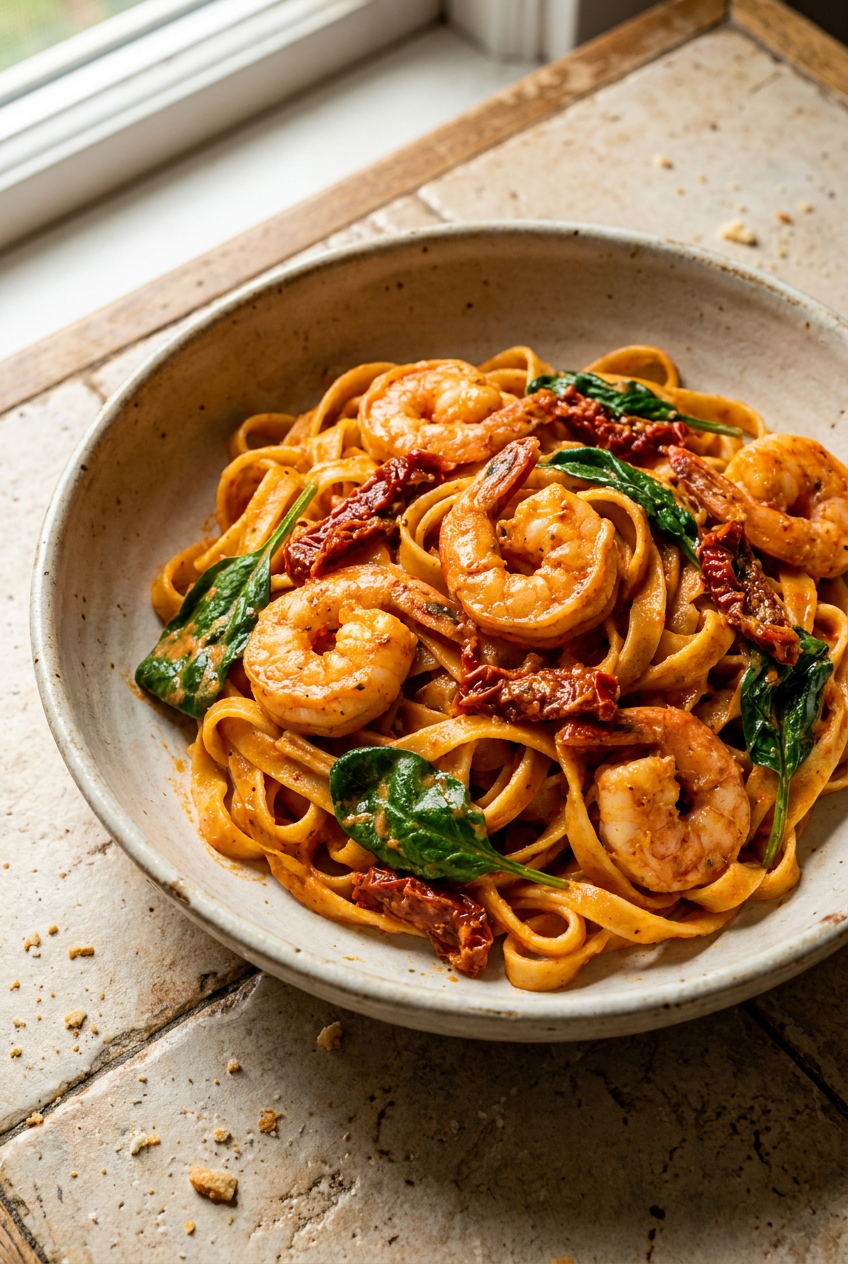
Table of Contents
- Creamy Tuscan Shrimp Pasta: Juicy shrimp and tender linguine in a luscious garlic cream sauce
- Why You Will Love This Creamy Tuscan Shrimp Pasta Recipe
- Your Simple Ingredients for the Perfect Creamy Tuscan Shrimp Pasta
- How to Make Perfect Creamy Tuscan Shrimp Pasta
- Pro Tips and Easy Variations for Your Creamy Tuscan Shrimp Pasta
- Serving Suggestions
- Nutrition Information
- Storage and Make-Ahead Instructions
- Your Creamy Tuscan Shrimp Pasta Questions Answered
- More Incredible Italian-American Recipes to Try
- The Story Behind This Recipe
- Pin This Recipe for Later
Creamy Tuscan Shrimp Pasta: Juicy shrimp and tender linguine in a luscious garlic cream sauce
This creamy Tuscan shrimp pasta recipe has become my go-to when I crave something that feels both indulgent and effortless. I remember the first time I made it, a rainy Tuesday when the fridge held a bag of shrimp, a half-empty jar of sun-dried tomatoes, and a wilting bunch of spinach that needed rescuing. In under forty minutes, the kitchen filled with the scent of garlic sizzling in butter, and that first twirl of pasta coated in velvety pink sauce made the day feel special. The way the shrimp pick up a whisper of smoked paprika and the spinach melts into the cream reminds me that weeknight cooking can still have soul. This dish has a quiet elegance that works just as well for a romantic dinner as for a chaotic family meal.
What sets this version apart is the balance of textures and a few small techniques that elevate it from a basic cream sauce to something you would order at a trattoria. Searing the shrimp first until they are just opaque builds a fond on the pan that becomes the foundation of the sauce, adding depth without extra ingredients. The reserved pasta water works as a secret emulsifier, thinning the cream just enough while helping the Parmesan coat every strand evenly. And the sun-dried tomatoes bring a concentrated tang that cuts through the richness, so each bite remains bright and savory rather than heavy. I tested this many times to make sure the spinach stays vibrant and the sauce never curdles, so you can count on consistent results whether it is your first time or your fiftieth.
If you are the kind of cook who wants restaurant-quality flavor without a lot of fuss, this recipe is for you. It is perfect for a date night in, a quick yet impressive dinner party dish, or a comforting meal after a long day when you need something that tastes like a hug. I often pair it with a simple arugula salad and a chilled glass of white wine, and suddenly a random weeknight feels like a celebration. And while this pasta is deeply satisfying on its own, if you find yourself in the mood for a sweet breakfast the next morning, my fluffy Japanese souffle pancakes are a lovely way to continue the homemade comfort.
Why You Will Love This Creamy Tuscan Shrimp Pasta Recipe
- Incredibly fast from pan to plate. You can have a complete, luscious dinner ready in about 35 minutes, which is less time than it takes for delivery. The shrimp cook in just two minutes per side, and the sauce comes together in the same skillet while the pasta boils.
- One skillet magic. Everything cooks in the same pan, first the shrimp, then the garlicky butter and cream, which means deep flavor and minimal cleanup. The browned bits left from searing the shrimp infuse the entire sauce.
- Perfectly balanced flavor. The sweetness of the shrimp and cream meets the tangy punch of sun-dried tomatoes and the fresh earthiness of spinach. A hint of smoked paprika adds warmth without overpowering the delicate garlic cream.
- Rich and creamy without being heavy. Thanks to the reserved pasta water and the fresh spinach that lightens the texture, the sauce clings to every strand of linguine without feeling like a brick. Each forkful is silky clean, not weighed down.
- Versatile and forgiving. You can easily swap in scallops or chicken thighs, adjust the amount of red pepper flakes to your heat preference, or add extra vegetables from your crisper. The recipe bends to what you have on hand.
- Looks stunning with almost no effort. The swirl of pink cream, pops of red tomato, and ribbons of green spinach make the plate visually inviting. It is one of those dishes guests assume took hours.
Your Simple Ingredients for the Perfect Creamy Tuscan Shrimp Pasta
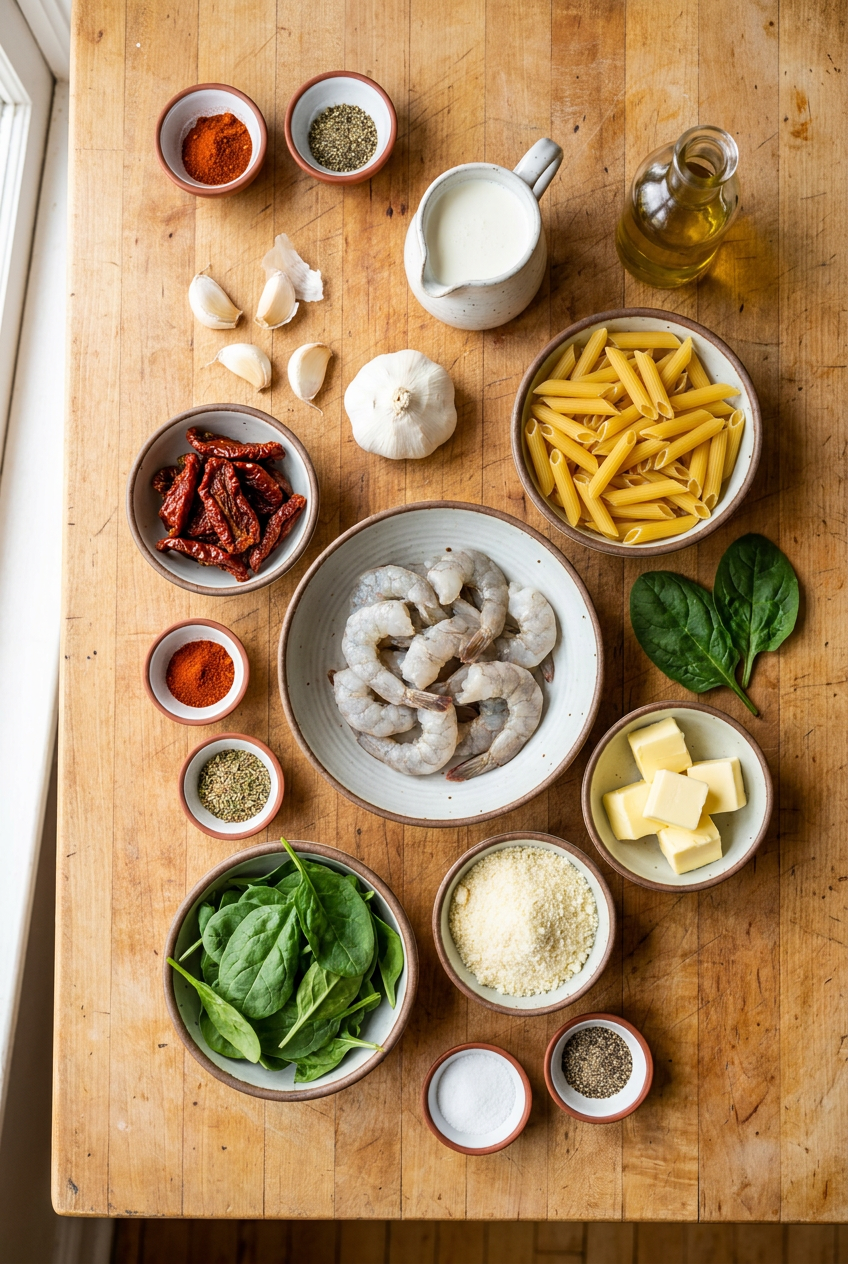
For the Pasta
- 12 oz linguine or fettuccine
- 1 tbsp salt for pasta water
For the Shrimp
- 1 lb large shrimp, peeled and deveined, tails removed
- 1 tbsp olive oil
- 1/2 tsp smoked paprika
- 1/4 tsp salt
- 1/4 tsp black pepper
For the Sauce
- 2 tbsp unsalted butter
- 4 cloves garlic, minced
- 1/3 cup sun-dried tomatoes in oil, drained and thinly sliced
- 1 cup heavy cream
- 1/2 cup grated Parmesan cheese, plus more for serving
- 3 cups fresh baby spinach, roughly chopped
- 1/4 cup fresh basil leaves, torn
- 1/4 tsp red pepper flakes (optional)
- 1 cup reserved pasta water, as needed
Ingredient Notes
Shrimp. Large shrimp, usually labeled 21/25 count per pound, give the meatiest bite and hold up well to searing and tossing in sauce. Look for shrimp that smell clean and slightly sweet, not fishy. If buying frozen, thaw overnight in the refrigerator and pat them extremely dry with paper towels before seasoning. Moisture on the surface will prevent a good sear. You can use medium shrimp if that is what you have, but reduce the searing time slightly to avoid overcooking.
Heavy cream. The foundation of the sauce, heavy cream provides a velvety richness that cannot be replicated with lighter dairy. It has enough fat to resist curdling at a gentle simmer, especially when you add Parmesan slowly. In a pinch, full-fat canned coconut milk can substitute for a dairy-free version, though the sauce will be slightly thinner and carry a subtle coconut aroma.
Sun-dried tomatoes. Packed in oil, these offer a concentrated sweet-tart flavor and a pleasantly chewy texture that contrasts with the tender shrimp. Drain them well and slice thinly so they distribute evenly through the pasta. If you only have dry-packed sun-dried tomatoes, rehydrate them in hot water for ten minutes, then drain and slice. Their intense flavor is essential to the Tuscan character of the dish.
Fresh spinach. Baby spinach wilts quickly and seamlessly into the sauce, adding a fresh, slightly earthy note that balances the richness. Roughly chopping it before adding makes it easier to eat and prevents long stringy pieces. Regular spinach works too, just remove any thick stems.
Parmesan. Grate the cheese yourself from a block rather than using pre-shredded. Freshly grated Parmesan melts smoothly and emulsifies into the cream without clumping. The flavor is sharper and nuttier, which lifts the whole sauce. Extra for serving is a must.
Linguine. Long noodles trap the creamy sauce in their curves. Fettuccine is a great alternative, slightly wider and more substantial. Cook the pasta until al dente because it will continue to soften when tossed in the hot skillet. The heavy salting of the pasta water seasons the noodles from the inside, so do not skip it.
How to Make Perfect Creamy Tuscan Shrimp Pasta
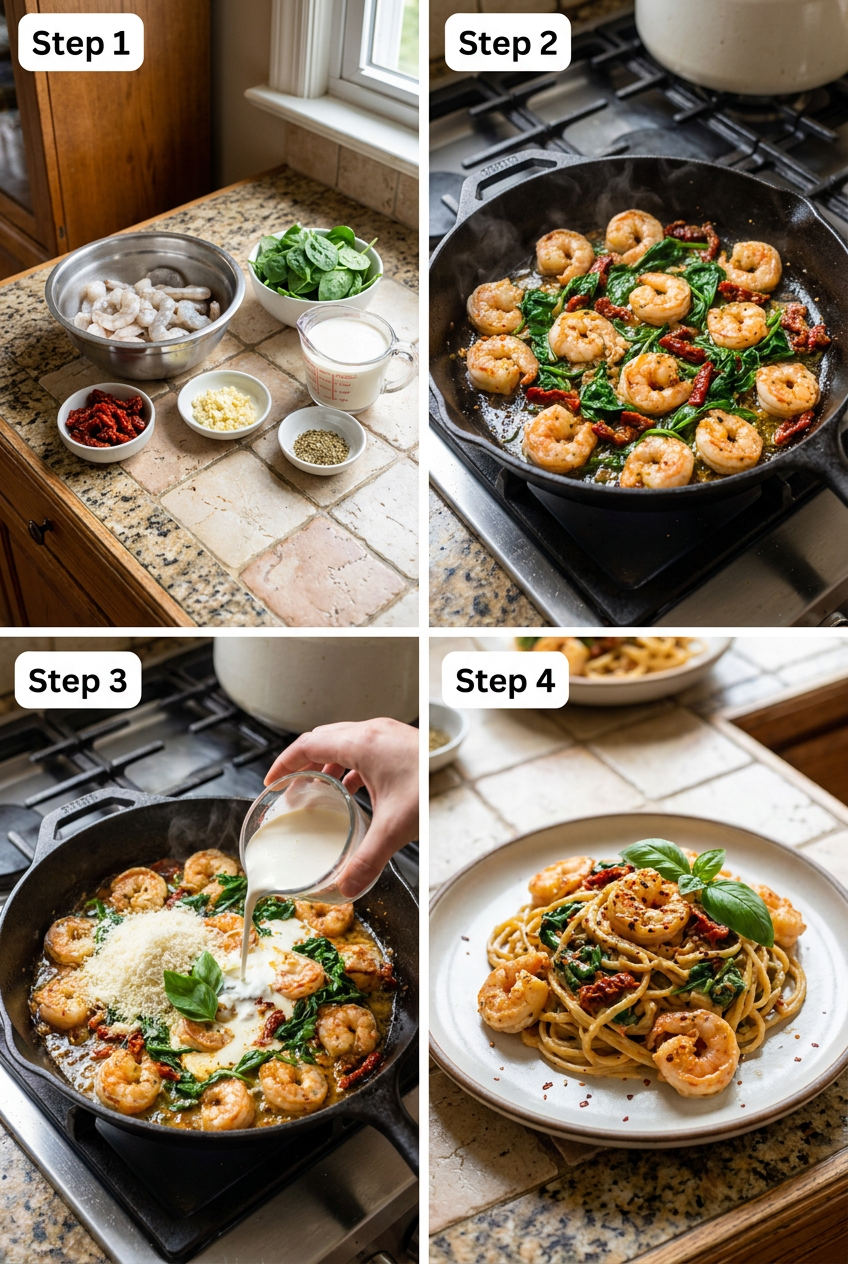
Step 1: Cook the pasta
Bring a large pot of water to a rolling boil and add the salt. The water should taste like the sea, as this is your only chance to season the pasta itself. Drop in the linguine, stir to prevent sticking, and cook according to the package timing for al dente. Before draining, scoop out a full cup of that starchy pasta water and set it aside. This liquid gold will later loosen the sauce and help it cling. Drain the pasta but do not rinse it; the starch on the surface helps the sauce adhere.
Step 2: Sear the shrimp
Pat the shrimp completely dry with paper towels, then toss them in a bowl with olive oil, smoked paprika, salt, and pepper. Heat a large skillet over medium-high heat until a drop of water sizzles on contact and evaporates instantly. Lay the shrimp in a single layer, making sure they do not touch; if necessary, sear in batches. Cook for one to two minutes per side, just until the flesh turns pink and white and the edges curl slightly. The internal temperature should reach 145°F (63°C). Immediately transfer them to a plate. Overcooking at this stage will make them rubbery, so err on the side of underdone; they will finish in the sauce. You will see browned spots on the bottom of the skillet, do not wipe them away, they are pure flavor.
Step 3: Build the sauce base
Lower the heat to medium and add the butter to the same skillet. Once it foams, stir in the minced garlic and sliced sun-dried tomatoes. Sauté for about one minute until the garlic is fragrant and just beginning to turn golden, but not brown. If you like heat, now is the time to sprinkle in the red pepper flakes. Use a wooden spoon to scrape up any caramelized bits left from the shrimp; they will dissolve into the butter and infuse the sauce with savory depth. This technique is similar to how I build layers of flavor in my Moroccan chicken tagine, where every step adds to the final dish.
Step 4: Simmer the cream sauce
Pour the heavy cream into the skillet and stir everything together. Bring the mixture to a very gentle simmer, not a rolling boil. Cook for two minutes, allowing the cream to thicken slightly and take on the flavors of garlic and tomato. Then gradually whisk in the grated Parmesan, a little at a time, until it melts completely into a smooth sauce. Add the chopped spinach and torn basil, stirring just until the spinach wilts and turns bright green, about one minute. Keep the heat low during this process; high heat can cause the cream to separate and the sauce to become grainy.
Step 5: Combine pasta, shrimp, and sauce
Add the drained linguine and the seared shrimp along with any juices from the plate into the skillet. Gently toss everything with tongs, lifting the pasta repeatedly so every strand gets coated. Now, begin adding the reserved pasta water, a splash at a time, while continuing to toss. You will likely need about half a cup, maybe a bit more. The starches in the water help emulsify the sauce, binding the cream and cheese into a glossy coating that hugs the pasta. Stop when the sauce reaches a consistency that is loose enough to pool slightly on the plate but thick enough to cling. Taste and adjust salt and pepper, then serve immediately with extra Parmesan.
Pro Tips and Easy Variations for Your Creamy Tuscan Shrimp Pasta
Pro Tips
- Dry shrimp thoroughly. Excess moisture on the shrimp will cause them to steam instead of sear, leaving them pale and less flavorful. Press them between paper towels for a few seconds before seasoning to guarantee that golden crust.
- Do not overcook the garlic. Burnt garlic turns bitter and can ruin the delicate cream sauce. Cook it only until aromatic and barely golden, stirring constantly, because it continues to cook in the residual heat of the pan.
- Keep cream on low heat. Heavy cream is stable, but if it reaches a fierce boil, the fat and water can separate, leading to a broken sauce. A gentle simmer is all you need to melt the cheese and wilt the spinach.
- Add pasta water gradually. Different brands of pasta release varying amounts of starch, so it is smarter to add water in small splashes and toss. You can always thin more, but you cannot take it out. The sauce should look glossy and move easily, not be watery.
- Warm your serving plates. A hot plate keeps the pasta from cooling too quickly and helps maintain the texture of the sauce. Simply run them under hot water and dry before plating.
- Use fresh basil at the end. The basil retains its bright flavor and color when added off heat. Tearing the leaves rather than chopping them releases the oils without causing dark edges.
Delicious Variations
- White wine infusion. After sautéing the garlic and sun-dried tomatoes, deglaze the pan with half a cup of dry white wine such as Pinot Grigio. Let it reduce by half before pouring in the cream. This adds a crisp acidity that lifts the whole dish.
- Scallops or chicken. Swap shrimp for large sea scallops patted dry and seared until golden on each side, or use bite-sized pieces of boneless chicken thigh cooked through. Adjust cooking times accordingly and always check for doneness.
- Extra vegetables. Stir in sliced mushrooms, asparagus tips, or artichoke hearts along with the spinach for a more substantial meal. Just sauté any firmer vegetables briefly before adding the cream so they soften properly.
- Dairy-free option. Replace heavy cream with full-fat canned coconut milk and use a high-quality vegan Parmesan. The sauce will be slightly thinner and have a faint coconut note, but the sun-dried tomatoes and garlic still carry plenty of flavor.
- A touch of brunch inspiration. For a completely different direction, one Sunday I used leftover sauce from this dish as a savory topping alongside my blueberry lemon ricotta pancakes, and the sweet-savory contrast was surprisingly wonderful. It is not traditional, but it is delicious.
Serving Suggestions for a Perfect Dinner
This pasta is a complete meal in one bowl, but pairing it with a few simple sides turns it into a true feast. I love serving it alongside a crisp arugula salad tossed with a bright lemon vinaigrette and shaved Parmesan. The peppery greens cut through the richness of the cream sauce and refresh your palate between bites. Warm, crusty garlic bread or a simple baguette is perfect for sopping up every last drop of sauce. For drinks, an unoaked Chardonnay or a chilled Pinot Grigio complements the shrimp and creamy notes beautifully. If you prefer red, a light Sangiovese works without overwhelming the delicate flavors.
This dish shines at casual dinner parties or special weeknight meals. It scales effortlessly: double the ingredients and cook the shrimp in batches, then toss everything together in a large serving bowl. For a crowd, you can prepare the sauce base ahead of time and simply reheat it, cook the shrimp fresh, and combine with hot pasta moments before serving. The presentation is naturally beautiful, so serve it straight from the skillet if you want a rustic feel, or swirl individual portions into shallow bowls with an extra grating of Parmesan and a few torn basil leaves on top.
Nutrition Information
(Approximate per serving, 4 servings total) Calories: 520, Fat: 22g, Carbohydrates: 48g, Protein: 32g, Fiber: 3g, Sodium: 610mg. Nutritional values are estimates only.
Storage and Make-Ahead Instructions
- Refrigerator: Store leftovers in an airtight container for up to 3 days. The pasta will absorb some of the sauce, but it remains tasty. Keep in mind the spinach may darken slightly, which is normal.
- Freezer: Not recommended because the cream sauce can separate and become grainy when thawed, significantly changing the texture of the dish.
- Reheating: Gently reheat in a skillet over low heat with a splash of milk, cream, or water. Stir often and add more liquid as needed to bring back the creamy consistency. Avoid the microwave, which can cook the shrimp further and make them tough.
- Make-Ahead: You can prep many components in advance. Cook the pasta, drain, and toss with a tiny drizzle of olive oil to prevent sticking, then refrigerate for up to a day. The shrimp can be peeled and deveined the night before, but do not season or sear until just before serving. The sauce base (garlic, sun-dried tomatoes, butter) can be sautéed a few hours ahead and then finished with cream just before dinner.
Your Creamy Tuscan Shrimp Pasta Questions Answered
Can I use frozen shrimp?
Yes, frozen shrimp work beautifully. Thaw them completely in the refrigerator overnight or in a sealed bag under cold running water. It is critical to pat them very dry with paper towels afterward so they sear instead of steam.
How do I know when the shrimp are perfectly cooked?
Shrimp are done when they turn from translucent to pink and white and curl into a loose C-shape. If they form a tight O, they are likely overcooked. An instant-read thermometer should read 145°F (63°C).
What is the best substitute for heavy cream?
Full-fat canned coconut milk is the top dairy-free alternative, though it will lend a slight coconut flavor. Light cream or half-and-half can work in a pinch, but be extra cautious with heat to prevent curdling.
Can I make this dish ahead and reheat later?
It is best served fresh because the cream sauce can absorb into the pasta during storage. If you need to make it ahead, slightly undercook the pasta and keep the sauce and shrimp separate, then combine and gently reheat just before serving.
My sauce turned out grainy. What went wrong?
Graininess often means the heat was too high and the cream split, or the Parmesan was added too quickly and clumped. Next time, keep the simmer low and whisk the cheese in gradually off the heat if needed.
Can I add other vegetables to this pasta?
Absolutely. Sautéed mushrooms, asparagus tips, or quartered artichoke hearts are wonderful additions. Add them to the skillet after the garlic and cook briefly before pouring in the cream so they are tender.
What pasta shapes work best besides linguine?
Fettuccine is the classic alternative with a similar ribbon shape. Penne, rigatoni, or pappardelle also work well, as their nooks and ridges catch the creamy sauce. Choose a shape that will grab the sauce.
How can I make this recipe spicier?
Increase the red pepper flakes to half a teaspoon or add a pinch of cayenne pepper along with the paprika. You can also finish with a drizzle of chili oil for an extra kick that complements the creaminess.
Is there a way to reduce the fat content?
You can use half-and-half in place of heavy cream, but the sauce will be thinner and more prone to curdling if boiled. Reducing the amount of cream and increasing the pasta water slightly helps keep it saucy with less richness.
Can I use dried basil instead of fresh?
Fresh basil is strongly recommended for its bright, sweet flavour, but in a pinch you can use one tablespoon of dried basil. Add it with the garlic to bloom its oils, then finish with a little extra just before serving.
More Incredible Italian-American Recipes to Try
If this creamy Tuscan shrimp pasta won you over, you will likely adore other Italian-American classics that bring bold flavors with minimal fuss. Dishes that center on a rich, satisfying sauce and perfectly cooked protein are always a hit in my kitchen. A hearty chicken Parmesan with a golden crust and bubbling mozzarella or a classic spaghetti carbonara where the egg and cheese create the silkiest coating are both wonderful next steps. They share that same comforting, restaurant-at-home feeling that makes you want to twirl fork after fork.
For those evenings when you crave something braised and aromatic, a slow-simmered Moroccan chicken tagine might be just the thing, even though it wanders into North African territory, the layered spicing reminds me of the care that goes into a good Italian ragu. And for a sweet finish, think about light, pillowy pancakes like my fluffy Japanese souffle pancakes or the bright blueberry lemon ricotta pancakes that can be a delightful weekend breakfast after a dinner of this pasta. Each recipe, including this one, is built on the idea that cooking should feel generous and nourishing.
The Story Behind This Creamy Tuscan Shrimp Pasta
Creamy Tuscan shrimp pasta is an Italian-American invention rather than a traditional dish from Tuscany, though it draws heavily on flavors that evoke that region. The combination of sun-dried tomatoes, garlic, and spinach echoes the simple, sun-soaked ingredients of central Italy, while the cream sauce reflects a more American love for rich, comforting plates. You will see versions labeled “Tuscan chicken” or “Tuscan shrimp” on countless restaurant menus, each promising that same luscious pink sauce and fresh herb finish. It is a dish born from the marriage of Italian techniques and the American desire for a quick, one-pan wonder.
I have been making variations of this recipe for over a decade, tweaking each element until it felt perfectly balanced. The smoked paprika was a personal addition that I first tried on a whim, and it stayed because it gives the shrimp a subtle warmth that plays beautifully against the cream. This pasta has seen me through new apartments, busy workweeks, and quiet celebrations. It is the kind of recipe that earns a permanent spot in your rotation because it is reliable and adaptable, and every time you make it, you will find yourself dipping a crust of bread into the skillet before it even hits the table.
Pin This Creamy Tuscan Shrimp Pasta Recipe for Later
Love this recipe? Save it to your favorite Pinterest board so you can find it again easily. Share it with friends and family who would enjoy making it too.
I truly hope this creamy Tuscan shrimp pasta brings as much joy to your dinner table as it has to mine. I would love to hear how it turned out for you and what variations you tried, whether you added a splash of wine or piled on extra vegetables. Leave a comment below and share your own twist.
Creamy Tuscan Shrimp Pasta
Ingredients
Method
- Bring a large pot of generously salted water to a boil. Cook linguine until al dente according to package directions. Reserve 1 cup of pasta water, then drain and set aside.
- Pat shrimp dry. In a bowl, toss shrimp with olive oil, smoked paprika, salt, and pepper. Heat a large skillet over medium-high heat. Add shrimp in a single layer and cook for 1–2 minutes per side until pink and just opaque and internal temperature reaches 145°F (63°C). Transfer to a plate.
- Reduce heat to medium. In the same skillet, melt butter. Add garlic and sun-dried tomatoes; sauté for 1 minute until fragrant. Stir in red pepper flakes if using.
- Pour in heavy cream and bring to a gentle simmer. Cook for 2 minutes, then whisk in Parmesan until melted and smooth. Add spinach and basil; stir until spinach wilts, about 1 minute.
- Add drained linguine and cooked shrimp to the skillet. Toss everything together, adding reserved pasta water a splash at a time until the sauce clings to the pasta. Adjust seasoning.
Disclosure: This post may contain affiliate links. If you purchase through our links we may earn a small commission at no extra cost to you.
If you made this Creamy Tuscan Shrimp Pasta, please leave a comment below and let me know how it turned out.