One-Skillet Chicken Parmesan Pasta Recipe, Easy Italian-American Dinner in 45 Minutes
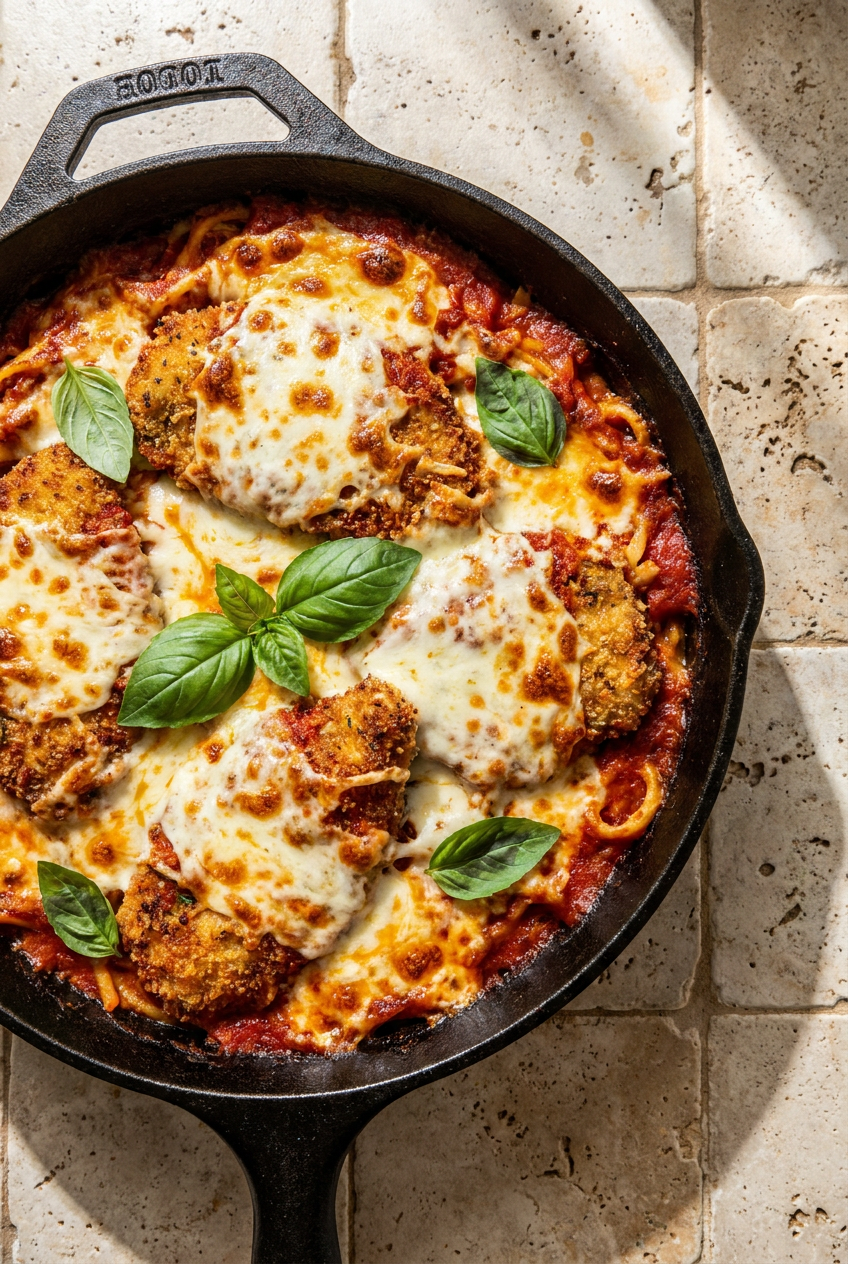
Table of Contents
- One-Skillet Chicken Parmesan Pasta: Crispy breaded chicken cutlets meet tender pasta in a bubbly, cheesy skillet, all in one pan for easy cleanup
- Why You Will Love This One-Skillet Chicken Parmesan Pasta Recipe
- Your Simple Ingredients for the Perfect One-Skillet Chicken Parmesan Pasta
- How to Make Perfect One-Skillet Chicken Parmesan Pasta
- Pro Tips and Easy Variations for Your One-Skillet Chicken Parmesan Pasta
- Serving Suggestions for a Perfect Dinner
- Nutrition Information
- Storage and Make-Ahead Instructions
- Your One-Skillet Chicken Parmesan Pasta Questions Answered
- More Incredible Italian-American Recipes to Try
- The Story Behind This Recipe
- Pin This Recipe for Later
One-Skillet Chicken Parmesan Pasta: Crispy breaded chicken cutlets meet tender pasta in a bubbly, cheesy skillet, all in one pan for easy cleanup
There are weeknights when the world feels a little too busy, and all you want is a dinner that wraps itself around you like a soft blanket. That is exactly the kind of meal this one-skillet chicken parmesan pasta recipe delivers. I first made this on a rainy Tuesday after a long day of errands, my kitchen cluttered with the remains of a baking experiment gone sideways. I needed something that felt like an event without requiring every pot in the house. As I pounded chicken breasts flat and grated a mountain of Parmesan, I realized this dish is not just about convenience—it is about capturing that classic chicken parmigiana magic and tucking it into a luscious, saucy pasta that leaves you feeling deeply cared for. The sizzle of crisp cutlets hitting hot oil, the aroma of garlic and tomato bubbling into penne, and finally the smell of mozzarella bronzing under the broiler still take me straight back to that cozy evening, fork in hand, the first forkful so hot I had to blow on it. Every time I recreate it now, I am reminded how a single skillet can hold so much comfort.
What makes this particular one-skillet chicken parmesan pasta stand out from other versions is the careful balance between texture and sauce. The chicken stays remarkably crisp thanks to a panko and Parmesan coating that does not turn soggy under the marinara layer. Pounding the cutlets to an even quarter inch means they cook quickly and remain juicy. Then, instead of boiling pasta separately, the dry penne absorbs chicken broth and marinara right in the skillet, swelling with flavor until perfectly al dente. The starch from the pasta thickens the sauce naturally, giving it a velvety body without any cream or extra steps. That technique transforms a standard baked pasta into a deeply savory, one pan wonder that tastes like it simmered for hours. I have tried countless shortcuts over the years—using pre-cooked chicken, jarred sauce without adjustments—but this method, where everything truly comes together in the same skillet from start to finish, produces a restaurant-worthy result with minimal fuss. If you have ever attempted a fluffy Japanese souffle pancake and marveled at the precision, you will appreciate the cleverness here: simple steps that yield something extraordinary.
This recipe is for anyone who wants to put a showstopper dinner on the table without a sink full of dishes. It is perfect for feeding your family on a hectic weeknight, impressing a date with your cooking skills while keeping the kitchen relatively tidy, or treating yourself to a solo weekend feast that leaves you with glorious leftovers. I often make it when friends drop by unexpectedly; the whole thing comes together in under an hour, and the bubbling cheese presentation right from the skillet sparks instant conversation. It is also a lifesaver when you crave Italian-American comfort food but cannot fathom the multi-step process of traditional chicken parmigiana. Whether you are a seasoned home cook or just starting to feel confident with a knife and a pan, this dish welcomes you with open arms and promises a deeply satisfying meal that tastes like a labor of love, not a compromise.
Why You Will Love This One-Skillet Chicken Parmesan Pasta Recipe
- Everything cooks in one pan. From searing the cutlets to simmering the pasta and broiling the cheese, you never have to juggle multiple pots. Cleanup is so simple you will actually look forward to making dinner on busy nights.
- Crispy chicken that stays crispy. The combination of panko and Parmesan creates a golden armor that remains crunchy even after nestling into the sauce. Each bite gives you that irresistible contrast between tender pasta, rich marinara, and a shatteringly crisp coating.
- Rich flavor without a long simmer. Cooking the pasta in broth and marinara infuses every piece with deep, savory notes. Garlic powder, Italian seasoning, and optional red pepper flakes build layers of warmth, so the sauce tastes like it has been bubbling away all afternoon.
- Comfort food that feels special. Fresh mozzarella melting into gooey puddles and torn basil scattered over the top make this dish feel like a celebration. It is elegant enough for a dinner party yet cozy enough for a Tuesday couch meal.
- Adaptable to your pantry. You can swap in different pasta shapes, adjust the spice level, or use gluten-free alternatives without losing the soul of the dish. The recipe becomes your own while still delivering that unmistakable chicken Parmesan spirit.
- Kid-approved and adult-friendly. The familiar flavors win over even the pickiest eaters, and the from-scratch touches keep grown-ups coming back for seconds. Leftovers reheat beautifully, so lunch the next day feels like a bonus treat.
Your Simple Ingredients for the Perfect One-Skillet Chicken Parmesan Pasta
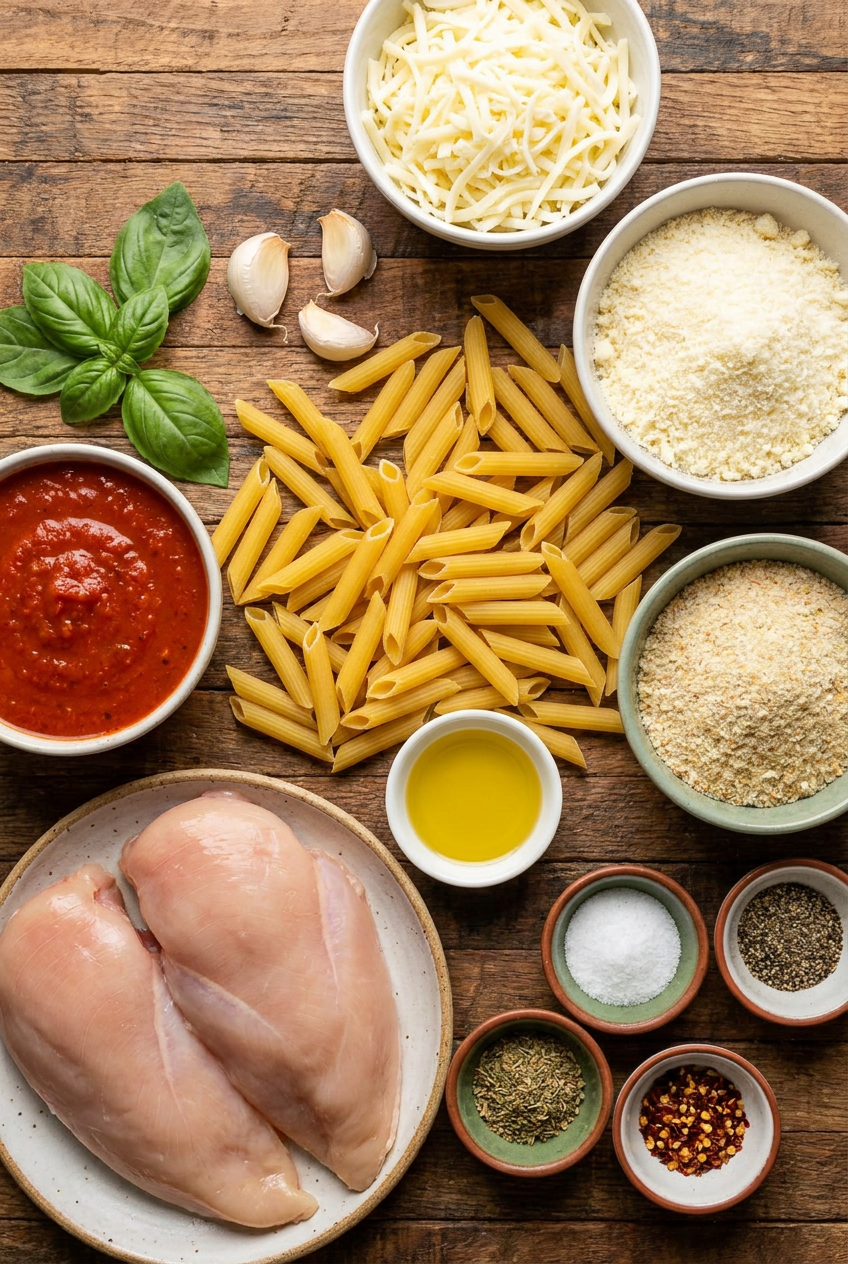
Chicken and Breading
- 2 boneless, skinless chicken breasts (about 8 oz each), halved horizontally into 4 thin cutlets
- 1 tsp salt (for seasoning chicken)
- 1/2 tsp black pepper
- 1/2 cup all-purpose flour
- 2 large eggs, beaten
- 1 cup panko breadcrumbs
- 1/2 cup grated Parmesan cheese (plus extra for garnish)
- 1/4 cup olive oil (for frying)
Pasta and Sauce
- 8 oz penne pasta (or other short shape), uncooked
- 2 cups marinara sauce (homemade or good-quality jarred)
- 1 cup low-sodium chicken broth
- 1 tsp garlic powder
- 1 tsp dried Italian seasoning
- 1/4 tsp red pepper flakes (optional, for a little heat)
Topping
- 6 oz fresh mozzarella cheese, torn into pieces or sliced thin
- 2 tbsp fresh basil leaves, torn, for garnish
Ingredient Notes
Chicken breasts. Look for evenly sized breasts so the cutlets fry uniformly. Halving them horizontally into four thin pieces ensures quick, even cooking and a tender result. If you have extra time, let the cutlets rest at room temperature for 15 minutes before seasoning for more even browning.
Panko breadcrumbs. Panko flakes are larger and airier than traditional breadcrumbs, which creates an exceptionally crisp crust that does not soften easily under the sauce. You can find them in the Asian food aisle or the breadcrumb section. In a pinch, regular unseasoned breadcrumbs work but the coating will be slightly denser.
Grated Parmesan cheese. Use freshly grated Parmigiano-Reggiano for the best flavor and meltability in the breading. The salty, nutty sharpness also seasons the coating beautifully. Pre-shredded or powdered Parmesan often contains anti-caking agents that can make the crust gritty, so grating your own is worth the small effort.
Marinara sauce. A good-quality jarred marinara with no added sugar and simple ingredients works wonderfully. If you have a favorite homemade batch, use it here. The sauce is the backbone of the pasta, so select one you genuinely enjoy eating on its own.
Fresh mozzarella. This cheese melts into luscious, stretchy pools that define the final dish. Look for a ball packed in water or a low-moisture fresh mozzarella log for easy slicing. If you must substitute, whole-milk low-moisture mozzarella block is your next best option for that classic pull.
Fresh basil. Torn basil added at the end brings a bright, peppery freshness that cuts through the richness. Dried basil can be stirred into the sauce while it cooks, but you will miss that pop of green and aromatic spark. When buying, pick leaves that look perky and vibrant, with no dark spots.
How to Make Perfect One-Skillet Chicken Parmesan Pasta
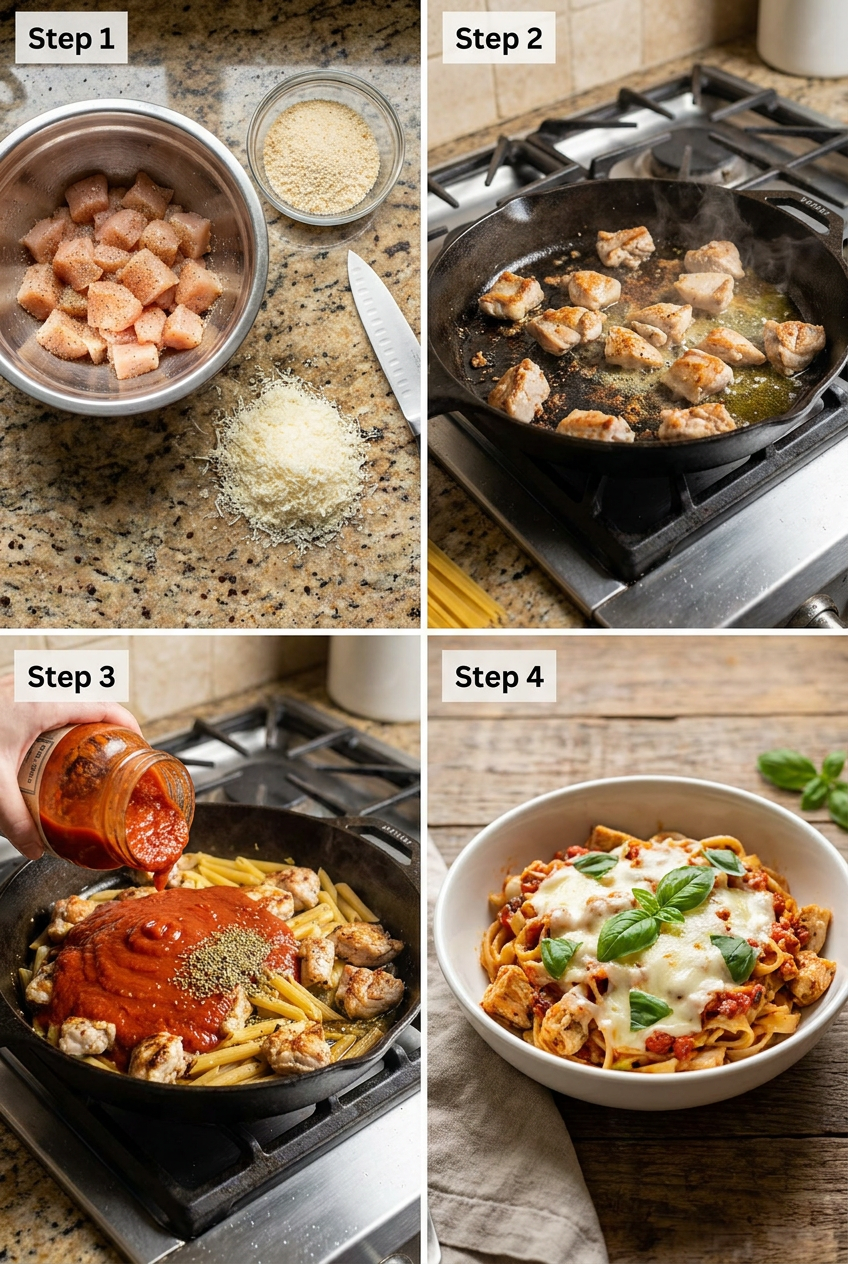
Phase 1: Prepare and Bread the Chicken
Start by slicing each chicken breast horizontally in half to create four thin cutlets. Place them between two sheets of plastic wrap and use a rolling pin or meat mallet to gently pound them to an even quarter-inch thickness. This step is crucial because uneven cutlets cook at different rates, leaving some dry and others undercooked. Season both sides generously with salt and pepper. Then set up your breading station: put the flour in a shallow dish, the beaten eggs in a second dish, and combine the panko with the 1/2 cup of grated Parmesan in a third. Dredge each cutlet in flour and shake off the excess, dip into the egg to coat all over, then press firmly into the panko mixture, ensuring it sticks well. Use one hand for dry ingredients and one for wet to keep your fingers from turning into breadcrumb mitts. Pro tip: Let the breaded cutlets rest on a wire rack for 5 minutes before frying to help the coating set, which prevents it from falling off in the pan.
Phase 2: Fry the Chicken
Heat the olive oil in a large oven-safe skillet (12-inch is ideal) over medium-high heat. Once the oil shimmers and flows easily but is not smoking, carefully lay the cutlets in the pan. You should hear a steady sizzle immediately; if it is silent, the oil is not hot enough. Cook for 3-4 minutes per side until deeply golden brown and the internal temperature reaches 165°F. Work in batches if your skillet cannot hold all four cutlets without overlapping, because crowding will steam them instead of crisping the coating. When done, transfer the chicken to a plate, then pour off all but about 1 tablespoon of the fat from the skillet, leaving behind those flavorful browned bits. Pro tip: If your crust browns too quickly before the chicken is fully cooked, lower the heat slightly and flip more frequently.
Phase 3: Cook the Pasta and Sauce
With the skillet still warm and that tablespoon of fat glistening, add the dry penne pasta right into the pan. Pour in the marinara sauce, chicken broth, garlic powder, Italian seasoning, and red pepper flakes if you are using them. Stir everything together so the pasta is evenly coated and no dry spots remain. Bring the mixture to a boil, then reduce the heat to a gentle simmer. Cover the skillet with a lid and let it cook for 12-15 minutes, stirring occasionally to prevent sticking. The pasta will absorb the liquids and release starch, transforming the sauce into a thick, glossy blanket. You will know it is ready when the penne is al dente and most of the liquid has been absorbed, leaving just enough sauce to coat each piece. If the sauce thickens too much before the pasta is done, splash in a little extra broth or water. Pro tip: Taste the sauce halfway through and adjust salt; jarred marinara can vary widely in sodium.
Phase 4: Assemble and Broil
Preheat your broiler to high with a rack positioned about 6 inches from the heat source. Nestle the fried chicken cutlets back into the pasta, pressing them slightly into the sauce but leaving the tops exposed so the crust stays crunchy. Tear the fresh mozzarella into pieces and scatter them generously over each cutlet, then sprinkle the remaining Parmesan across the entire skillet. Slide the skillet under the broiler and watch closely: it will take only 3-4 minutes for the cheese to melt, bubble, and develop light golden freckles. The smell in your kitchen at that moment—roasted tomato, toasted cheese, and crisping chicken—is pure magic. Remove the skillet as soon as you see those golden spots, as broilers can quickly turn from bronzed to burnt. Pro tip: Use oven mitts to handle the skillet after broiling; the handle gets incredibly hot and will stay that way for a while.
Phase 5: Garnish and Serve
Carefully remove the skillet from the oven and let it rest on a trivet or wooden board for 2 minutes. This short pause allows the sauce to settle and thicken slightly, making it easier to serve. Scatter the torn fresh basil over the top, letting the residual heat release its fragrance. Then bring the skillet straight to the table, because eating directly from the pan feels wonderfully rustic and keeps everything warm longer. Each forkful should capture a piece of crunchy chicken, tender pasta, and creamy cheese. Much like how a Moroccan chicken tagine invites everyone to gather around, this one skillet dish encourages sharing and seconds. Enjoy immediately while the cheese is stretchy and the basil still bright.
Pro Tips and Easy Variations for Your One-Skillet Chicken Parmesan Pasta
Pro Tips
- Pound chicken evenly and thoroughly. Taking the time to pound the chicken to a uniform quarter-inch thickness is the single most important step for juicy, quick-cooking cutlets. Uneven pieces lead to dry edges and raw centers.
- Use panko for lasting crunch. Standard breadcrumbs absorb sauce faster and turn soft. Panko’s flaky texture creates a shield that stays crisp even under the broiler, giving you that essential contrast in every bite.
- Don’t rinse the pasta before cooking. Adding dry pasta directly to the sauce allows the starch to thicken the liquid into a silky, cohesive coating. Pre-rinsed or par-cooked pasta won’t deliver the same velvety result.
- Broil with an eagle eye. Cheese can go from perfect to charcoal in seconds. Stay near the oven, and pull the skillet the instant you see golden spotting on the mozzarella.
- Let the skillet rest before serving. A two-minute rest off the heat gives the sauce time to set up slightly, making for neater plating and better texture. The carryover heat also finishes any last bit of cooking.
- Season as you go. Salting the chicken before breading, seasoning the flour slightly, and adjusting the sauce taste midway prevents a bland final dish and builds layers of flavor.
Delicious Variations
- Gluten-Free One-Skillet Chicken Parmesan Pasta. Use gluten-free pasta shapes with a good al dente hold. Swap the all-purpose flour for almond flour and the panko for crushed pork rinds or gluten-free breadcrumbs. The crust will be slightly different but still wonderfully crunchy.
- Spicy Arrabbiata Style. Replace the plain marinara with a spicy arrabbiata sauce and double the red pepper flakes. Add a pinch of dried chili flakes into the breadcrumb mixture for an extra fiery kick that wakes up the whole dish.
- Creamy Rosé Version. Stir a splash of heavy cream (about 1/4 cup) into the sauce after the pasta has cooked. This softens the acidity and gives the sauce a luxurious, blush-pink finish reminiscent of a vodka sauce.
- Eggplant Parmesan Pasta. For a vegetarian twist, replace the chicken with quarter-inch thick eggplant slices that have been salted, drained, and breaded the same way. Fry until golden, then proceed with the recipe; the earthy eggplant soaks up the sauce beautifully.
If you love the satisfying, from-scratch nature of this dish, you might also enjoy the bright, tangy sweetness of blueberry lemon ricotta pancakes for a weekend brunch that is equally rewarding to make.
Serving Suggestions for a Perfect Dinner
This skillet pasta is a hearty meal on its own, but a simple side salad turns it into a balanced spread. I love pairing it with a handful of peppery arugula tossed in a lemon vinaigrette—the acidity cuts through the richness of the cheese and fried chicken perfectly. For a more substantial vegetable, roasted broccoli or sautéed spinach with garlic makes a lovely companion. To drink, a medium-bodied red like Chianti or a crisp white like Pinot Grigio complements the tomato sauce and mozzarella without overwhelming the dish. If you are serving a crowd, set the skillet on a trivet at the center of the table with a big wooden spoon and let everyone help themselves; the presentation feels festive and inviting.
This recipe shines at casual dinner parties, weeknight family meals, or even as a special date night dinner at home. You can double the recipe and use a larger skillet or divide between two 10-inch pans if feeding more than four. For a complete Italian-American feast, start with a simple antipasto plate of olives, sliced prosciutto, and marinated artichokes, then follow with this pasta and finish with a light dessert like a lemon sorbet. The leftovers make a phenomenal next-day lunch that reheats beautifully, so go ahead and make a little extra. No matter the occasion, the combination of crispy chicken, tender pasta, and bubbly cheese feels like a celebration without any pretense.
Nutrition Information
(Approximate per serving, 4 servings total) Calories: 720, Fat: 28g, Carbohydrates: 62g, Protein: 45g, Fiber: 5g, Sodium: 920mg. Nutritional values are estimates only.
Storage and Make-Ahead Instructions
- Refrigerator: Store leftovers in an airtight container for up to 4 days. The pasta will absorb more sauce over time, so the texture becomes slightly softer, but the flavor remains excellent.
- Freezer: Freezing the assembled dish is not recommended because the pasta can turn mushy when thawed. However, you can freeze the fried chicken cutlets and the sauce separately for up to 3 months. Wrap cutlets individually in plastic wrap and foil, and store sauce in a freezer-safe container.
- Reheating: For best results, reheat individual portions in the microwave for 2 minutes or in a 350°F oven covered with foil for about 15 minutes until warmed through. The oven method helps restore some of the chicken’s crispness. Add a splash of broth or water if the sauce seems too thick.
- Make-Ahead: You can pound and bread the chicken cutlets up to 4 hours in advance and keep them refrigerated on a wire rack. You can also make the sauce base (marinara, broth, seasonings) and measure out dry pasta ahead of time. Fry the chicken and cook the pasta right before serving for the freshest texture.
Your One-Skillet Chicken Parmesan Pasta Questions Answered
Can I use pre-cooked or rotisserie chicken?
No, this recipe relies on frying raw, breaded cutlets to get that signature crisp crust. Using precooked chicken would skip that essential texture and the coating would not adhere the same way. The raw preparation also ensures the chicken stays juicy as it cooks through.
How can I make this dairy-free?
Replace the mozzarella and Parmesan with high-quality plant-based alternatives that melt well. For the eggs in the breading, use a flax egg (1 tablespoon flaxseed meal mixed with 3 tablespoons water, left to gel for 5 minutes). The panko mixture will hold without the Parmesan, though you might add a pinch of nutritional yeast for a cheesy note.
What is the best pasta shape?
Short shapes like penne, rigatoni, or ziti work best because they trap the sauce and cook evenly in the skillet. Long noodles like spaghetti or fettuccine don’t absorb the liquid as uniformly and require more stirring, which can break them. Stick with small, tubular pasta for the ideal bite.
How do I know when the chicken is fully cooked?
Use an instant-read thermometer inserted into the thickest part of the cutlet. It should read 165°F. You can also check that the juices run clear when you pierce it with a knife and that the meat is firm and opaque throughout. Because the cutlets are thin, they cook quickly and are unlikely to be underdone if fried 3-4 minutes per side over medium-high heat.
Can I double this recipe?
Yes, but you will need a larger skillet or two skillets to avoid crowding the chicken during frying. You can fry the cutlets in batches and then divide the pasta and sauce between both pans before assembling. The sauce volume can be doubled easily; just ensure the pasta is still mostly submerged as it cooks.
Is it okay to use regular breadcrumbs instead of panko?
You can, but the crust will be softer and less crunchy. Panko creates a lighter, crispier coating that holds up better under the sauce and broiler. If using regular breadcrumbs, consider toasting them lightly in a dry pan first to improve their texture.
My sauce got too thick before the pasta finished cooking. What should I do?
Simply add a splash of warm water or extra chicken broth, a couple of tablespoons at a time, and stir. Continue cooking until the pasta reaches al dente. This is common, especially with different stovetop heat levels, so keep a little liquid handy as you simmer.
Can I make this without a broiler?
If your oven does not have a broiler, you can preheat it to 450°F and bake the assembled skillet for about 5-7 minutes until the cheese melts and begins to brown. Watch constantly because the high heat can dry out the chicken; covering loosely with foil for the first few minutes helps.
What if I don’t have an oven-safe skillet?
Transfer the pasta and chicken to a baking dish for the broiling step. Spread the pasta mixture in the dish, nestle the cutlets on top, add cheese, and broil as directed. The result will be just as delicious, though you will lose the charming skillet presentation.
Can I add vegetables to the pasta?
Absolutely. Sauté sliced mushrooms, bell peppers, or spinach in the skillet after removing the chicken and before adding the pasta ingredients. This builds extra flavor and adds nutrition. Just make sure any added vegetables are tender before you add the dry pasta and liquids.
More Incredible Italian-American Recipes to Try
If you fell in love with the hearty, layered flavors of this one-skillet wonder, there are so many other Italian-American dinners waiting for you. A classic lasagna bolognese, built with a slow-simmered meat sauce and creamy béchamel, offers the same kind of comforting depth but in a grander form for holiday tables or Sunday suppers. For a quicker weeknight option, spaghetti and meatballs brings together all the beloved components of tomato sauce, cheese, and perfectly seasoned meat in a bowl that feels like a hug. The joy of these dishes lies in their ability to transform simple ingredients into something that tastes like generations of love on a plate.
If you crave something with a golden, crunchy coating similar to this parmesan pasta, you cannot go wrong with a classic chicken parmigiana served over a tangle of spaghetti, the traditional way. Or explore the vibrant world of eggplant parmigiana, where thin slices of fried eggplant create layers of richness just as satisfying. For those mornings when you want to carry that from-scratch warmth into breakfast, the technique-focused satisfaction of making pillowy fluffy Japanese souffle pancakes might just become your new weekend ritual. Each recipe, from pasta to pancake, celebrates the idea that cooking with care makes everyday moments extraordinary.
The Story Behind This One-Skillet Chicken Parmesan Pasta
Chicken parmigiana, the inspiration for this skillet dish, has roots that stretch from Italian immigrant kitchens in America back to the traditional eggplant parmigiana of southern Italy. When Italian families arrived in the United States, they found meat more affordable and plentiful, so breaded chicken cutlets often stood in for eggplant, bathed in bright tomato sauce and blanketed with cheese. The dish became a red-sauce joint staple, beloved for its combination of crunchy, juicy, and saucy elements. Yet the classic version demands separate pans for frying, boiling pasta, and baking the final assembly, which leaves a heap of dishes behind.
This one-skillet adaptation honors that heritage while solving its biggest practical challenge. The technique of cooking dry pasta right in the sauce is a clever Italian method that creates an intensely flavored, starchy sauce without a separate pot. By doing everything in one oven-proof skillet, we preserve the soul of chicken Parmesan—the crisp cutlet, the sweet marinara, the stretch of mozzarella—while making it accessible on even the busiest weeknight. Each time I lift that heavy skillet from the oven, basil leaves quivering on top, I think about how recipes evolve to meet real life without losing the love they carry.
Pin This One-Skillet Chicken Parmesan Pasta Recipe for Later
Love this recipe? Save it to your favorite Pinterest board so you can find it again easily. Share it with friends and family who would enjoy making it too.
I hope this
One-Skillet Chicken Parmesan Pasta
Ingredients
Method
- Slice each breast in half horizontally to create 4 thin cutlets. Pound gently to an even 1/4-inch thickness. Season both sides with salt and pepper.
- Place flour in a shallow dish, beaten eggs in a second, and combine panko with 1/2 cup grated Parmesan in a third. Dredge each cutlet in flour, dip in egg, then press into panko mixture, coating well.
- Heat olive oil in a large oven-safe skillet (12-inch) over medium-high heat. Fry cutlets for 3-4 minutes per side until golden brown and cooked through (safe internal temperature of 165°F/74°C). Transfer to a plate, drain all but 1 tablespoon of fat from the skillet.
- In the same skillet, add dry pasta, marinara, chicken broth, garlic powder, Italian seasoning, and red pepper flakes. Stir well, bring to a boil, then reduce to a simmer. Cover and cook for 12-15 minutes, stirring occasionally, until pasta is al dente and liquid is mostly absorbed.
- Preheat broiler. Nestle the chicken cutlets back into the pasta. Top each cutlet with fresh mozzarella pieces and sprinkle the remaining Parmesan over the entire skillet. Broil 3-4 minutes until cheese is bubbly and golden in spots.
- Remove skillet from oven, scatter torn basil over the top, and serve immediately directly from the skillet.
Disclosure: This post may contain affiliate links. If you purchase through our links we may earn a small commission at no extra cost to you.
If you made this One-Skillet Chicken Parmesan Pasta, please leave a comment below and let me know how it turned out.