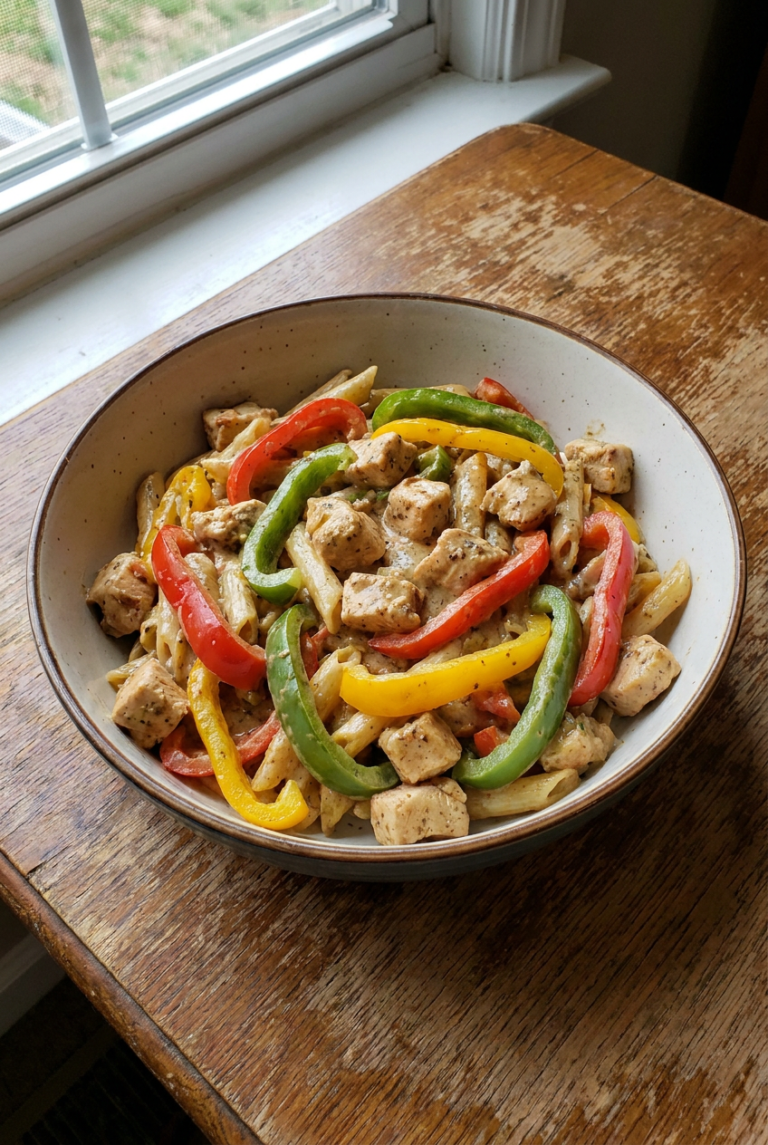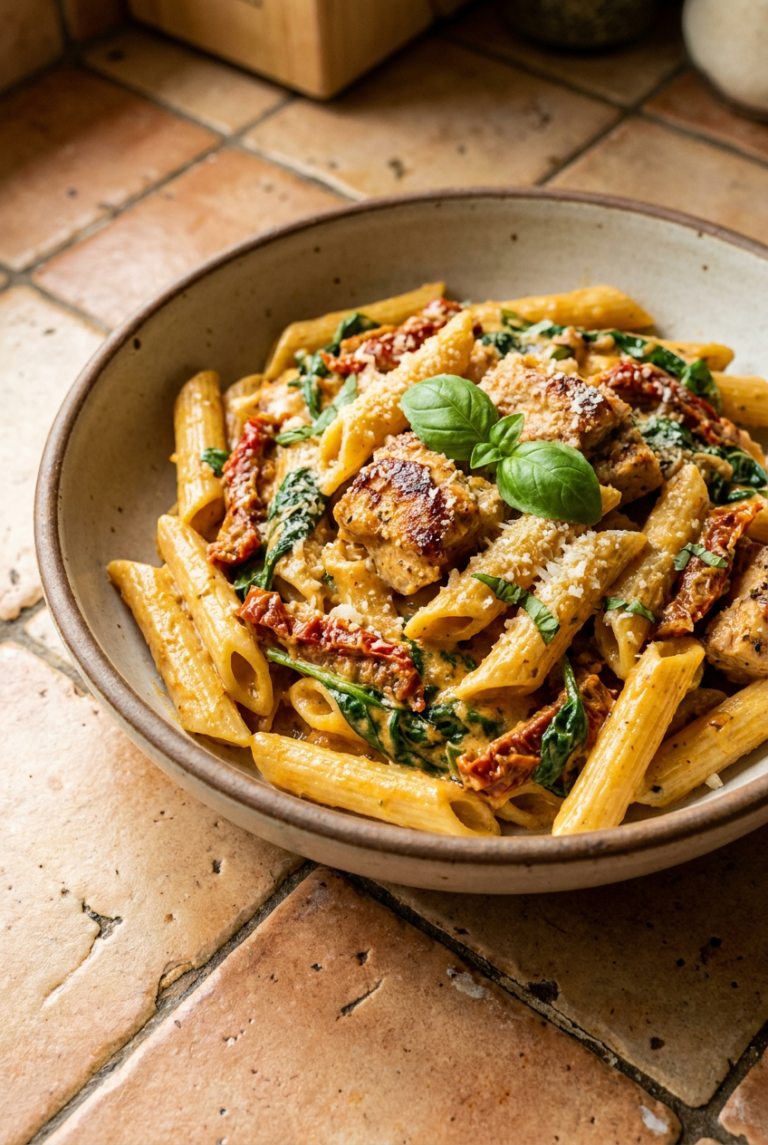
Classic Tagliatelle alla Bolognese Recipe, Easy Italian Dinner in 2 Hours
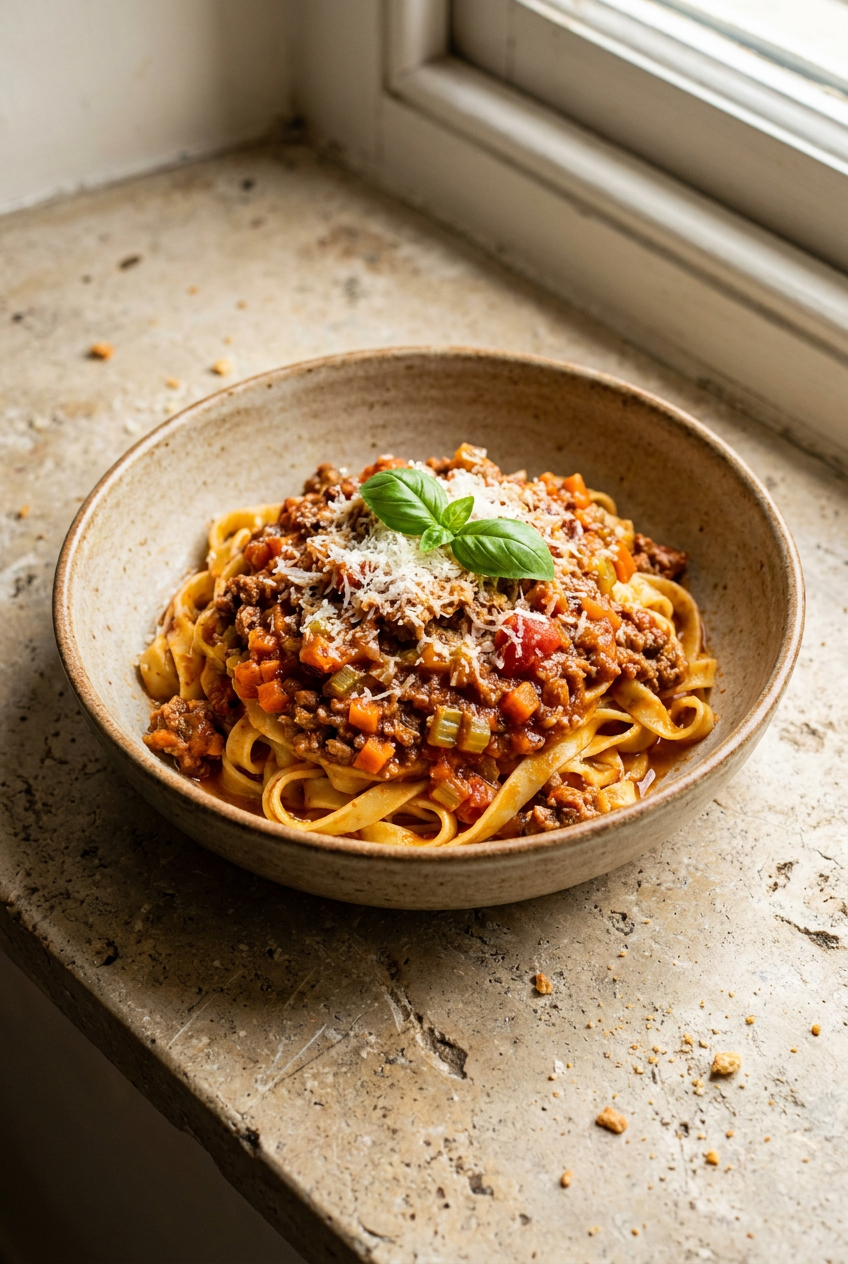
Table of Contents
- Classic Tagliatelle alla Bolognese: A rich, slow-simmered meat sauce that clings to every strand of fresh egg pasta, straight from the heart of Bologna.
- Why You Will Love This Classic Tagliatelle alla Bolognese Recipe
- Your Simple Ingredients for the Perfect Classic Tagliatelle alla Bolognese
- How to Make Perfect Classic Tagliatelle alla Bolognese
- Pro Tips and Easy Variations for Your Classic Tagliatelle alla Bolognese
- Serving Suggestions for a Perfect Dinner
- Nutrition Information
- Storage and Make-Ahead Instructions
- Your Classic Tagliatelle alla Bolognese Questions Answered
- More Incredible Italian Recipes to Try
- The Story Behind This Recipe
- Pin This Recipe for Later
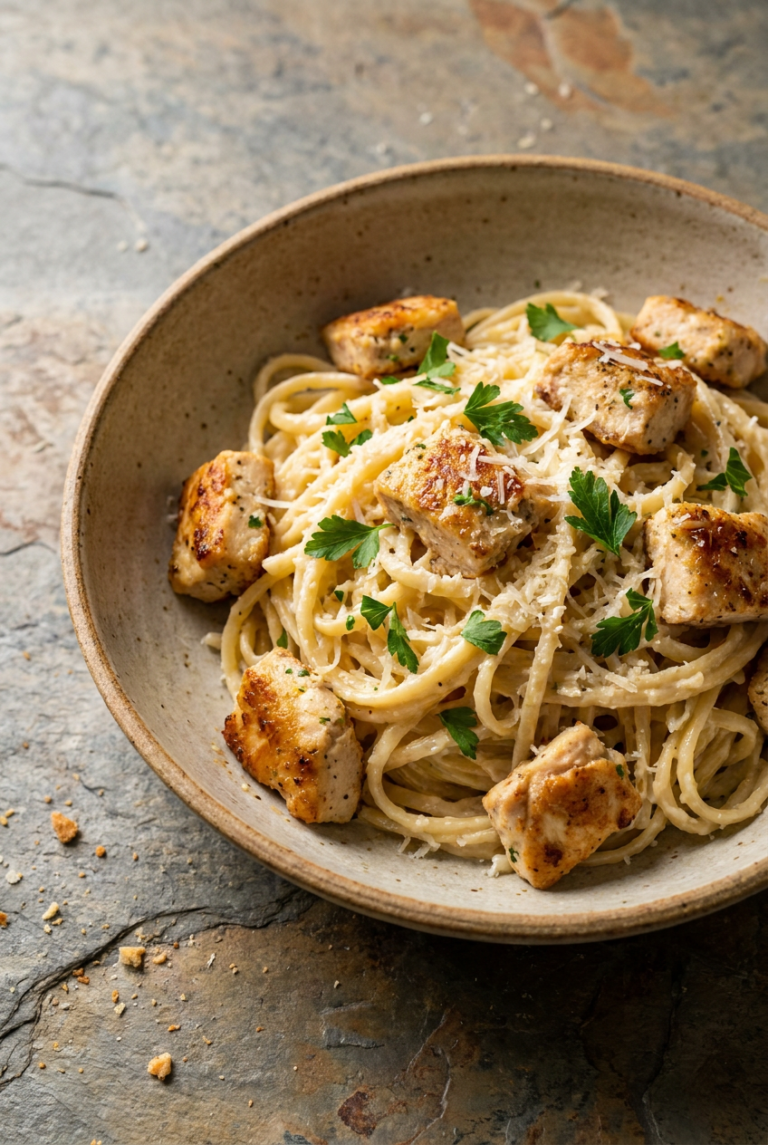
Classic Tagliatelle alla Bolognese: A rich, slow-simmered meat sauce that clings to every strand of fresh egg pasta, straight from the heart of Bologna.
There are few dishes in the world that feel as deeply comforting as a classic tagliatelle alla bolognese recipe. I still remember my first taste of authentic ragù in a tiny, family-run trattoria tucked along a cobblestone street in Bologna. The scent of onions, carrots, and celery slowly sweating in olive oil drifted through the open kitchen door, mingling with the earthy richness of simmering meat and the faint nuttiness of freshly grated Parmigiano. The plate that arrived was not the heavy, tomato-laden sauce I had grown up with but something entirely different—delicate, silky, and impossibly cohesive. Each ribbon of egg pasta wore its cloak of sauce like it was made for it. I practically licked the plate clean, then immediately asked the nonna in the kitchen for her secret. She smiled, patted my hand, and said, “Time. And a little milk.” That moment planted the seed for this recipe, one I have nurtured and perfected over many years in my own kitchen.
What makes this version of the classic tagliatelle alla bolognese recipe stand out is its unwavering commitment to tradition and technique. This is not a quick weeknight meat sauce. It begins with a finely chopped soffritto—onion, carrot, and celery diced into a battuto so fine it practically melts into the oil, laying down a velvety foundation. Pancetta adds a gentle cured richness, while a generous splash of dry white wine and a surprising amount of whole milk slowly absorb into the ground beef, tenderizing the meat and mellowing the acidity of the tomatoes. The ragù then simmers gently for at least an hour and a half, the flavors deepening and marrying into something far greater than the sum of its parts. The result is a sauce with an almost buttery mouthfeel, one that clings to tagliatelle in a way no watery ragù ever could. Every spoonful is balanced, savory, and inexplicably elegant.
This recipe is for anyone who craves the real thing: a soulful Sunday supper, a romantic date night in, or simply a way to show someone you love them through food. It is perfect for chilly evenings when the windows steam up from the simmering pot, filling your home with a scent that says everything is going to be okay. It is also remarkably forgiving; once the soffritto is chopped and the meat is browned, the stove does all the work while you curl up with a book or pour a glass of wine. And if you love the deep, layered flavors that only slow cooking can deliver, you might find a kindred spirit in our Moroccan chicken tagine, another dish that transforms humble ingredients into pure magic with patience and care. So tie on your apron, take a deep breath, and let’s make a Bolognese that would make any Italian nonna proud.
Why You Will Love This Classic Tagliatelle alla Bolognese Recipe
- Incredibly rich and velvety texture. The slow addition of milk and the long simmer create a sauce that is almost creamy without a drop of cream. It coats every strand of pasta beautifully, never pooling at the bottom of the plate.
- Deep, authentic flavor. Pancetta, a careful soffritto, and the gentle warmth of nutmeg give this ragù a complexity you simply cannot get from a jar. Your kitchen will smell like a true Bolognese trattoria.
- Make ahead and freezer friendly. The ragù improves after a night in the fridge and freezes perfectly in portions. You can have a showstopping dinner ready in the time it takes to boil pasta.
- Perfect for any pasta shape, but especially tagliatelle. The wide, porous ribbons of egg pasta are the ideal vehicle for this sauce, grabbing onto the tiny bits of meat and soaking up the flavor. It is the combination taught in the cooking schools of Bologna.
- A heartfelt cooking project. There is something deeply satisfying about tending a pot for a few hours, knowing you are building layer upon layer of flavor. It is cooking as therapy, and the reward is unforgettable.
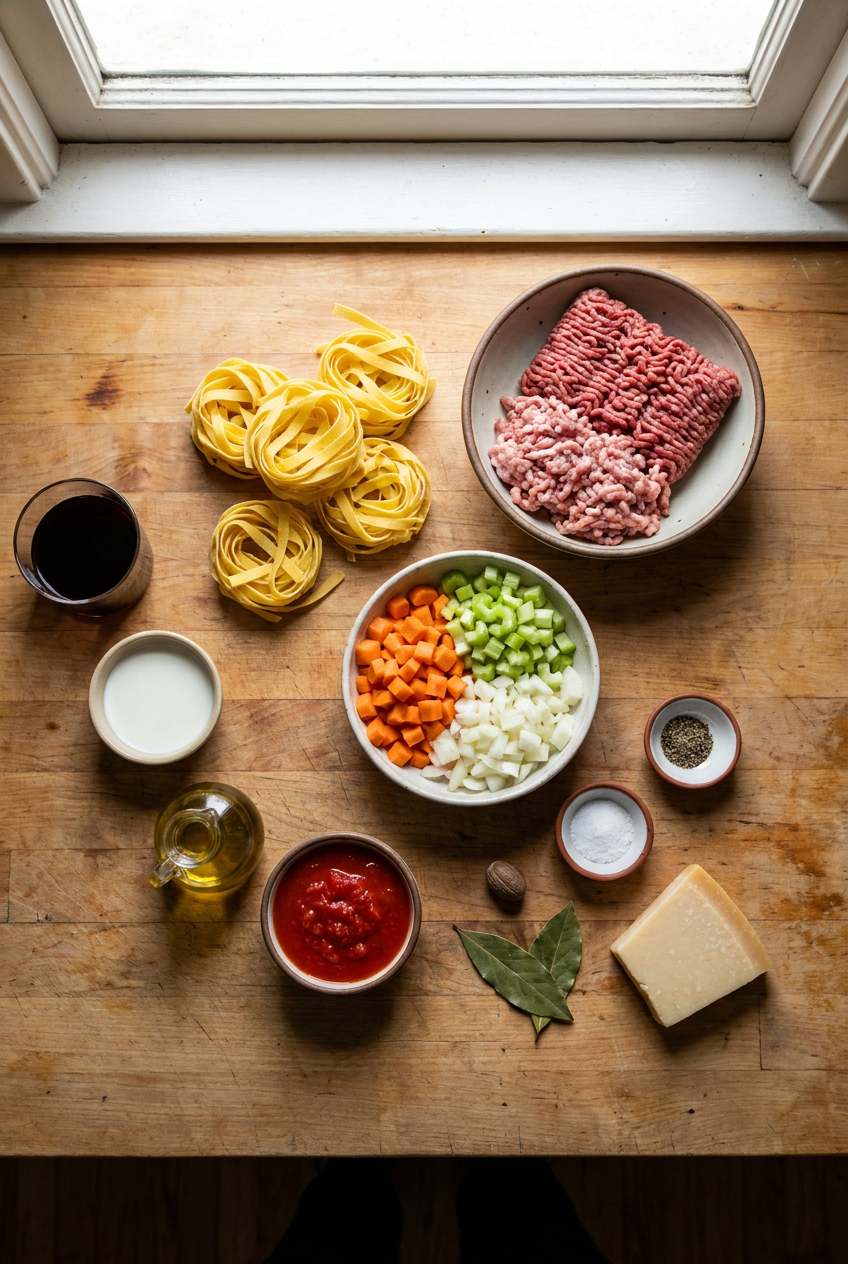
Your Simple Ingredients for the Perfect Classic Tagliatelle alla Bolognese
For the Ragù
- 2 tablespoons extra virgin olive oil
- 4 ounces pancetta, finely diced
- 1 pound ground beef chuck (80% lean)
- 1 medium yellow onion, finely chopped
- 1 large carrot, peeled and finely chopped
- 1 stalk celery, finely chopped
- 1/2 teaspoon kosher salt, plus more to taste
- 1/4 teaspoon freshly ground black pepper
- 1/4 cup dry white wine, such as Pinot Grigio
- 1 cup whole milk, warmed slightly
- 1/4 cup canned crushed tomatoes, with their juice
- 1 tablespoon tomato paste
- 1/4 teaspoon freshly grated nutmeg
For Pasta and Finishing
- 1 pound dried egg tagliatelle, or fresh
- 1/2 cup freshly grated Parmigiano-Reggiano, plus more for serving
- Fresh basil leaves for garnish (optional)
Ingredient Notes
Pancetta. This cured Italian pork belly delivers a subtle savory depth that plain bacon would overwhelm. Look for pancetta at the deli counter, diced into small cubes. If you cannot find it, unsmoked bacon or even guanciale are good substitutes, but avoid heavily smoked American bacon as it will change the delicate flavor profile.
Ground beef chuck. An 80% lean grind is ideal here. The fat renders slowly, keeping the meat tender and adding richness to the sauce. Too lean a grind will make the ragù dry and crumbly. You can also mix in ground pork for a more traditional Bolognese, which often uses a blend of meats.
Soffritto vegetables. Onion, carrot, and celery form the holy trinity of Italian cooking. Dicing them very finely, almost to a paste, is essential. This battuto technique ensures they dissolve into the sauce, contributing body and sweetness rather than chunky bits. A food processor can speed this up, but a sharp knife gives you more control.
Dry white wine. A crisp, dry white like Pinot Grigio or Sauvignon Blanc deglazes the pan and brightens the meaty flavors. Avoid sweet wines. If you prefer not to cook with alcohol, you can substitute an equal amount of low sodium chicken broth with a small squeeze of lemon.
Whole milk. One of the hallmarks of authentic Bolognese is the addition of milk. It tenderizes the meat, cuts through the acidity of the tomatoes, and gives the sauce a remarkably silky, rounded texture. Warm it slightly before adding to prevent curdling. You can use 2% milk in a pinch, but whole milk is best.
Tomatoes. Notice the small amount. Bolognese is not a tomato-heavy sauce; the star is the meat. The crushed tomatoes and tomato paste lend just a touch of sweetness, umami, and color. Use high quality unsalted canned tomatoes for the purest flavor.
Nutmeg. A whisper of freshly grated nutmeg is a classic finish that brings a warm, aromatic note and pairs beautifully with the milk and beef. Pre-ground nutmeg loses its potency quickly, so grate your own if you can.
Egg tagliatelle. This pasta is wider and more porous than fettuccine, designed to hold onto the ragù. Dried egg tagliatelle works wonderfully, but if you have access to fresh pasta, the texture becomes ethereally tender. Always cook in well salted water.
Parmigiano-Reggiano. Nothing compares to the real deal. Its nutty, crystalline complexity lifts the entire dish. Grate it yourself from a wedge for the best melt and flavor. Never use the shelf stable pre-grated cheese here.
How to Make Perfect Classic Tagliatelle alla Bolognese
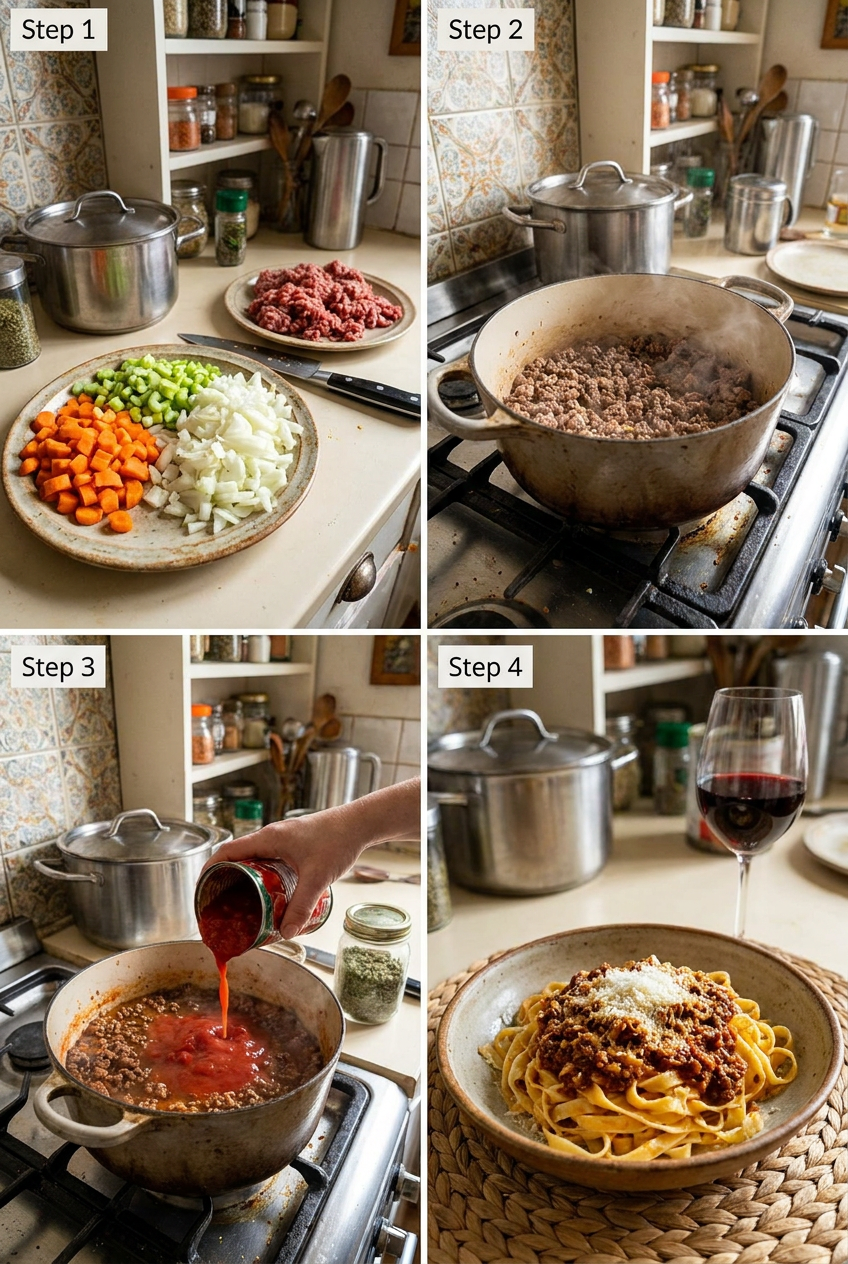
Phase 1: Building the Soffritto Base
Set a large, heavy bottomed Dutch oven over medium heat and add the extra virgin olive oil. Once the oil shimmers, scatter in the finely diced pancetta. Let it cook gently, stirring occasionally with a wooden spoon. You will hear a soft sizzle and see the fat begin to render. After about 5 minutes, the pancetta should be golden and crisp, with much of its fat released. Now tumble in your minced onion, carrot, and celery—the battuto. Season with the 1/2 teaspoon of kosher salt and the black pepper. The vegetables will hiss as they hit the hot oil. Stir them well to coat evenly and cook, reducing the heat just slightly if anything threatens to burn, until they are deeply softened and translucent, about 8 minutes. You will notice their aroma becoming sweet and fragrant, a sign the soffritto is ready to support the meat. Pro tip: Dicing the vegetables very finely ensures they melt into the sauce later, creating that signature silkiness rather than leaving distinct pieces.
Phase 2: Browning the Meat to Deep Flavor
Turn the heat up to medium high and crumble in the ground beef chuck. Use your wooden spoon to break the meat apart into smaller pieces. This is the moment where patience pays off. Do not stir constantly; let the meat sit in contact with the hot pan for a minute at a time so it develops a deep brown crust. As it cooks, you will see moisture release and then slowly evaporate. Listen for the sound of sizzling that deepens to a steady, meaty crackle. Continue to break up and turn the beef until every bit is deeply browned and no pink remains. Use a food thermometer to verify the internal temperature has reached 160°F (71°C). The entire process takes around 10 minutes. Pro tip: For an even finer textured ragù, use a potato masher to crush the meat into very small crumbles while it browns—this mimics the classic spoon technique of Bolognese nonnas.
Phase 3: Deglazing and Simmering the Ragù
With the meat beautifully caramelized, pour in the dry white wine. Immediately scrape the bottom of the pot with your spoon to lift every bit of fond—those glorious browned bits that are pure flavor. The wine will bubble fiercely and reduce quickly, filling the kitchen with a sharp, fruity steam. After about 2 minutes, it should be almost fully evaporated. Now stream in the warmed whole milk and stir to combine. Let it cook, bubbling gently, until it is almost completely absorbed by the meat, about 5 minutes. The mixture will look creamy and pale. Finally, add the crushed tomatoes, tomato paste, and freshly grated nutmeg. Stir everything together into a cohesive, slightly runny sauce and bring it to a gentle simmer. Once you see small bubbles across the surface, drop the heat to low. Partially cover the pot with a lid, leaving a small crack for steam to escape. Let it simmer for at least 1.5 hours, and up to 3 if you have the time. Stir every 20 minutes or so, and if the sauce ever looks too thick or dry, add a splash of water or unsalted broth. The final sauce should be thick, rich, and deeply colored, with the fat beginning to bead on the surface. Pro tip: This low and slow simmer is everything; just like learning to trust the process with our Moroccan chicken tagine, giving the ragù time rewards you with an unbelievably cohesive, luxurious sauce.
Phase 4: Cooking the Tagliatelle
When the ragù is about 15 minutes from finished, bring a large pot of water to a rolling boil. Add enough salt that it tastes like the sea—this is crucial for seasoning the pasta itself. Drop in the tagliatelle and cook until al dente according to the package instructions, usually around 8 to 10 minutes for dried egg pasta. Swirl the pasta gently with tongs to prevent sticking. Before draining, dip a measuring cup into the pot and reserve at least 1 cup of the starchy pasta water. Drain the tagliatelle in a colander but do not rinse it; you want the starch to help the sauce cling.
Phase 5: Marrying Sauce and Pasta
Return the drained pasta to the large pot or tip it directly into the pan with the ragù if it is big enough. Spoon several ladles of the hot ragù over the tagliatelle. Toss everything together vigorously with tongs, adding small splashes of the reserved pasta water as you go. This starchy liquid will loosen the sauce, help it emulsify with the olive oil and meat juices, and create a glossy coat that hugs every single strand. Once the pasta is beautifully dressed, fold in the 1/2 cup of freshly grated Parmigiano Reggiano and toss again until it melts into the sauce. The dish will become even richer and more cohesive. If you want a sweet counterpoint to this savory meal the next morning, our blueberry lemon ricotta pancakes make a delightful project for breakfast.
Pro Tips and Easy Variations for Your Classic Tagliatelle alla Bolognese
Pro Tips
- Dice the vegetables with a very sharp knife or pulse them in a food processor. A truly fine battuto ensures the soffritto melts into the sauce, providing body and sweetness without any crunchy bites. The smaller the dice, the more integrated the final texture.
- Do not rush the browning. Deep caramelization on the beef is where a significant amount of the savory flavor comes from. Let the meat sit undisturbed in the hot pan for a minute between stirs to develop that crucial crust.
- Warm the milk before adding it. Cold milk hitting a hot pan can curdle or seize. A quick 30 seconds in the microwave or on the stovetop until just lukewarm helps it incorporate smoothly into the meat.
- Use a wooden spoon to scrape the fond
Classic Tagliatelle alla Bolognese
classic tagliatelle alla bolognese recipe made easy at home. A rich, slow-simmered meat sauce that clings to every strand of fresh egg pasta, straight from thIngredients
Method
- Heat olive oil in a large Dutch oven over medium heat. Add pancetta and cook, stirring, until golden and fat is rendered, about 5 minutes. Add onion, carrot, and celery; season with 1/2 teaspoon salt and pepper. Sauté until vegetables are softened, about 8 minutes.
- Increase heat to medium-high. Add ground beef, breaking it up with a wooden spoon. Cook, stirring occasionally, until meat is deeply browned, any liquid has evaporated, and the internal temperature reaches 160°F (71°C), about 10 minutes. Use a food thermometer to check.
- Pour in white wine, scraping up any browned bits from the bottom. Let it bubble until nearly evaporated, about 2 minutes. Stir in milk and let it almost fully absorb, about 5 minutes. Then add crushed tomatoes, tomato paste, and nutmeg. Bring to a gentle simmer, then reduce heat to low. Cook, partially covered, for at least 1.5 hours, stirring occasionally. If sauce looks dry, add a splash of water or broth.
- When the sauce is nearly done, bring a large pot of salted water to a boil. Cook tagliatelle until al dente according to package instructions. Reserve 1 cup pasta water, then drain pasta.
- Add a few ladles of sauce to the drained pasta and toss vigorously, adding splashes of reserved pasta water as needed to loosen. Fold in 1/2 cup Parmigiano-Reggiano. Divide among bowls, top with remaining sauce, extra cheese, and a basil leaf.
Disclosure: This post may contain affiliate links. If you purchase through our links we may earn a small commission at no extra cost to you.
If you made this Classic Tagliatelle alla Bolognese, please leave a comment below and let me know how it turned out.