Classic Pasta alla Norma Recipe, Easy Italian Dinner in 45 Minutes
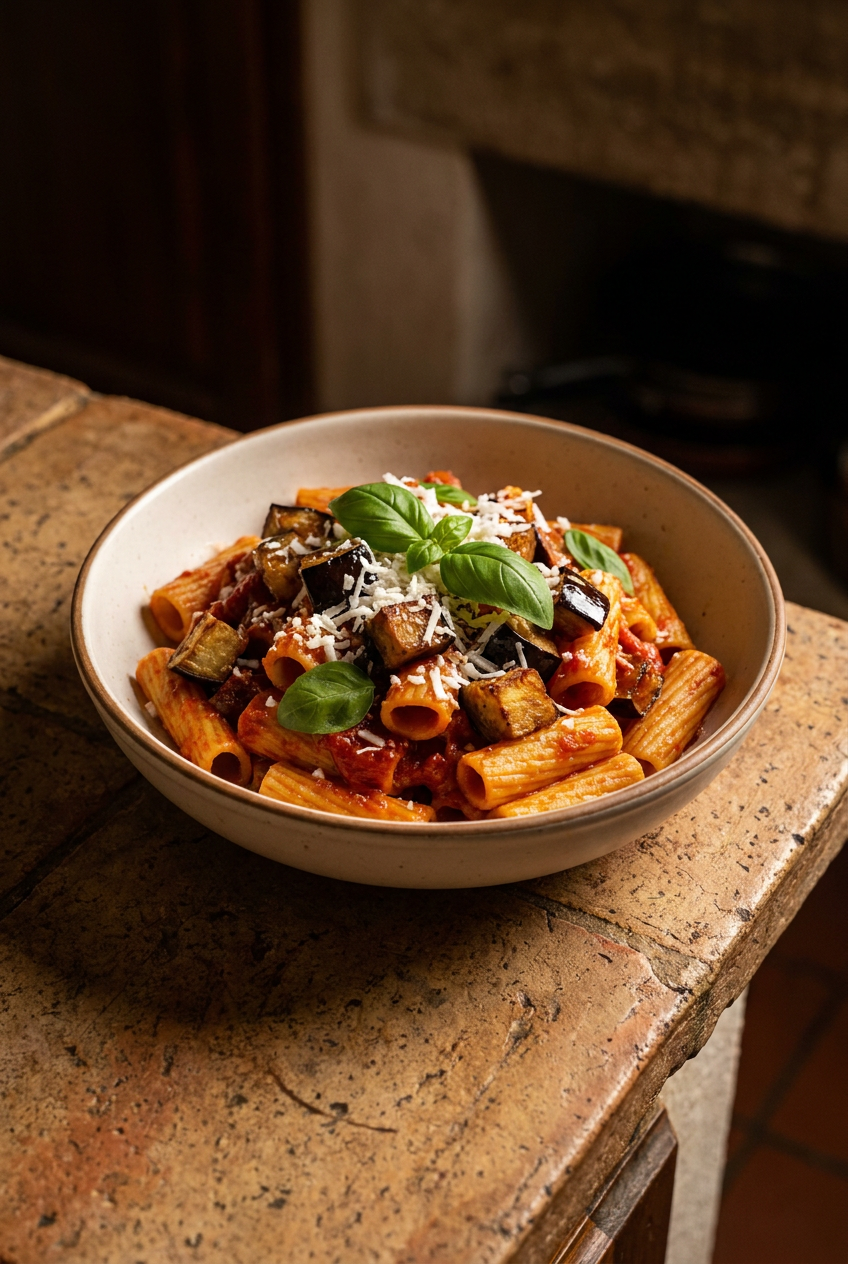
Table of Contents
- Classic Pasta alla Norma: A Rustic Sicilian Pasta with Golden Fried Eggplant and Ricotta Salata
- Why You Will Love This Classic Pasta alla Norma Recipe
- Your Simple Ingredients for the Perfect Classic Pasta alla Norma
- How to Make Perfect Classic Pasta alla Norma
- Pro Tips and Easy Variations for Your Classic Pasta alla Norma
- Serving Suggestions for a Perfect Italian Dinner
- Nutrition Information
- Storage and Make-Ahead Instructions
- Your Classic Pasta alla Norma Recipe Questions Answered
- More Incredible Italian Recipes to Try
- The Story Behind This Recipe
- Pin This Recipe for Later
Classic Pasta alla Norma: A Rustic Sicilian Pasta with Golden Fried Eggplant and Ricotta Salata
A classic pasta alla norma recipe is one of those dishes that instantly transports me to a sun-drenched Sicilian kitchen, even if I am just standing in my own on a rainy Tuesday afternoon. I remember the first time I tasted it in a tiny trattoria tucked behind a stone church in Catania. The plate arrived draped in a ruby red sauce, glistening with olive oil, and the first forkful stopped me mid-sentence. Crisp fried eggplant, sweet tomatoes, and that distinct salty, crumbly ricotta salata all tangled with ridged pasta. It was simple, rustic, and tasted like generations of home cooks had perfected exactly this combination. Every time I recreate a homemade classic pasta alla norma, that memory comes rushing back, and now I want to share every detail so you can bottle that same feeling in your own kitchen.
What makes this classic pasta alla norma recipe stand out from countless others is the thoughtful attention to each component. Too often eggplant turns oily and mushy, but here we salt it and fry it in small batches until deeply golden and almost creamy inside. The tomato sauce is not a quick pour from a jar. It is built slowly with whole San Marzano tomatoes you crush by hand, allowing their natural sweetness to concentrate into a sugo that clings to every pasta ridge. And the finishing touch, freshly grated ricotta salata, is non-negotiable. Its dry, salty bite cuts through the richness in a way that Parmesan never could. I guide you through the exact cues to watch for: the garlic should perfume the oil but never brown, the sauce should darken and thicken to a deep red, and the reserved pasta water should be added splash by splash until the dish looks glossy and cohesive. These are the small secrets that turn a humble bowl of pasta into an easy classic pasta alla norma that tastes like it came straight from a Sicilian nonna’s stove.
This is the kind of Italian dinner recipe I reach for when I want to feed people I love without spending hours in the kitchen, yet still want them to feel deeply cared for. It is beautiful for a lazy Sunday supper with a bottle of rustic red wine and a loaf of crusty bread. It is equally at home on a weeknight after a long day when all you crave is something hearty and soulful. The ingredients are pantry friendly and the active time is brief enough that you can pull it together while sipping a glass of wine and letting the day melt away. And if you love the ritual of making something from scratch, much like the careful patience needed for fluffy Japanese souffle pancakes, this dish rewards you with that same deep sense of accomplishment and a table full of clean plates.
Why You Will Love This Classic Pasta alla Norma Recipe
- Incredibly fast and manageable. From start to finish you are looking at about 45 minutes, and most of that is hands-off simmering time. The eggplant fries while the pasta water comes to a boil, so the whole meal comes together seamlessly.
- Deep, soulful flavor from simple ingredients. You transform a handful of humble produce into a sauce that tastes like it simmered all day. The natural sweetness of slow-cooked tomatoes and the savory crispness of fried eggplant make every bite memorable.
- Perfect texture in every forkful. Rigatoni or penne rigate grab the chunky sauce, while the fried eggplant cubes and salty cheese shreds add pops of contrast. Nothing is uniform, and that is what makes it so satisfying.
- A true taste of Sicily at home. You bring the essence of Catania into your dining room without a plane ticket. Ricotta salata, basil, and olive oil are the holy trinity that deliver an authentic, warm experience.
- Highly adaptable and forgiving. Whether you need a vegan version or want to dial up the heat, the base recipe is a canvas. It also tastes even better the next day, making it a smart leftover lunch.
- Pure comfort with a light touch. The dish feels indulgent but is not heavy. The eggplant is fried, yes, but it soaks up surprisingly little oil when done right, and the bright tomato sauce keeps everything lively.
Your Simple Ingredients for the Perfect Classic Pasta alla Norma
Eggplant
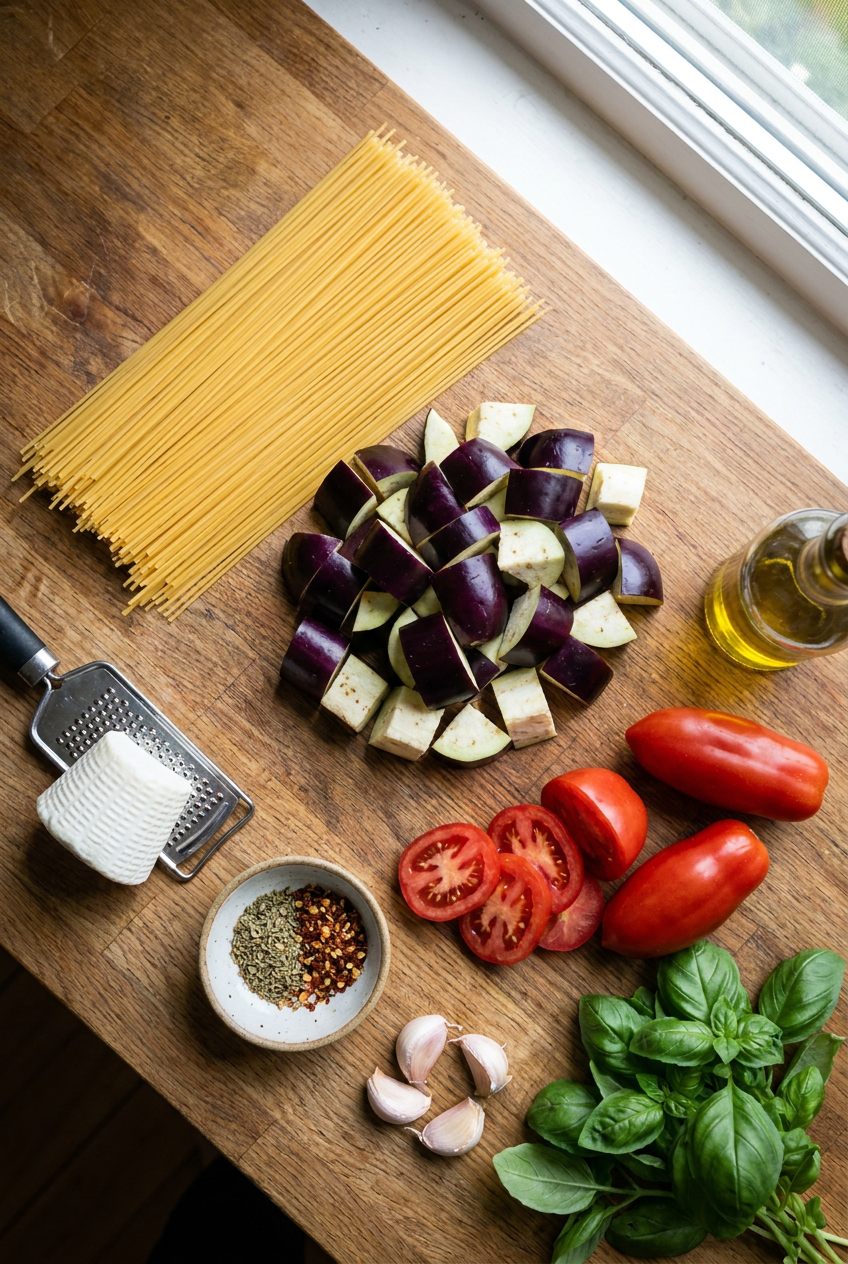
- 2 medium (about 1 1/2 lbs) eggplants, cut into 1/2-inch cubes
- 1 teaspoon kosher salt, for salting eggplant
Sauce
- 3 tablespoons extra-virgin olive oil, plus more for drizzling
- 3 cloves garlic, thinly sliced
- 1 can (28 oz) whole San Marzano tomatoes, crushed by hand with juices
- 1/4 teaspoon red pepper flakes, optional
- 1/2 cup fresh basil leaves, torn, plus more for garnish
- salt and black pepper, to taste
Pasta
- 1 lb rigatoni or penne rigate
- 1/2 cup reserved pasta cooking water, as needed
To Serve
- 1 cup ricotta salata, freshly grated, plus more for passing
Ingredient Notes
Eggplant. The star of the dish requires a bit of love. Look for firm, glossy eggplants that feel heavy for their size with no soft spots. Smaller eggplants tend to be less bitter and have fewer seeds. The salting step draws out excess water, which helps the cubes fry to a crisp exterior instead of steaming into mush. If you cannot find globe eggplant, slender Italian or Japanese varieties work beautifully and often need less salting.
San Marzano tomatoes. These are essential for a deeply rich, sweet sauce with low acidity. Their elongated shape and meaty texture break down into a velvety sugo. Always buy whole canned tomatoes and crush them by hand, as pre-crushed versions can include added puree that makes the sauce one dimensional. If you must substitute, use high quality whole peeled plum tomatoes and a pinch of sugar to balance acidity.
Extra-virgin olive oil. You need a good, grassy olive oil for both frying and finishing. It carries the flavor of the sauce and adds a final drizzle that lifts everything. While extra-virgin has a lower smoke point, the eggplant is fried over medium high heat in batches, which prevents burning. Still, do not leave the pan unattended.
Ricotta salata. This is a salted, pressed, and aged ricotta that is firm enough to grate. Its sharp, slightly milky saltiness is unmistakable and cannot be replaced by Parmesan or pecorino. Look for it in well-stocked cheese departments or Italian markets. If you are in a pinch, a very dry feta crumbled finely can mimic the texture and salt, but the flavor will be tangier.
Pasta shape. Rigatoni and penne rigate are perfect because their ridges and hollow centers trap the chunky sauce. Spaghetti works in a pinch, but the dish then becomes about twirling rather than scooping. The key is to cook the pasta very al dente so it can finish absorbing flavor in the skillet.
How to Make Perfect Classic Pasta alla Norma
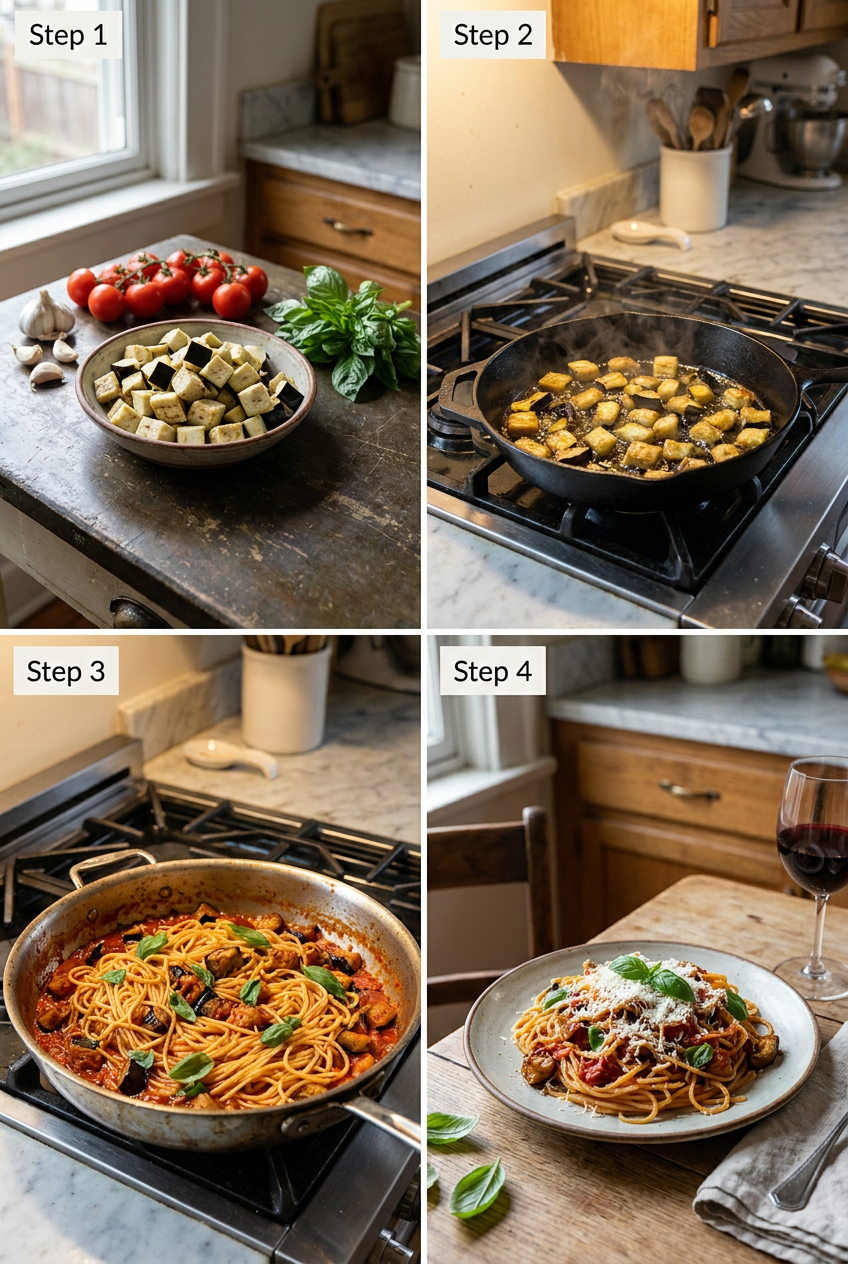
Salt the Eggplant
Spread the cubed eggplant on a rimmed baking sheet and toss it with 1 teaspoon kosher salt. Let it sit for 15 minutes. You will see tiny beads of moisture form on the surface, that is exactly what you want. This step pulls out excess water and any bitterness, setting you up for crisp frying. After 15 minutes, use paper towels to pat the cubes very dry but do not rinse them. The salt remains and seasons the eggplant from within. A crisp, golden fry depends entirely on dry eggplant, so take an extra moment to blot each batch. Pro tip: Letting salted eggplant sit too long, over 30 minutes, can make it overly salty. Fifteen minutes is the sweet spot.
Fry the Eggplant
In a large skillet, heat 2 tablespoons of olive oil over medium-high heat until it shimmers but does not smoke. Add a single layer of eggplant cubes, leaving a little space between each so they fry rather than steam. You should hear a lively sizzle right away. Fry for about 6 to 8 minutes, turning them every couple of minutes with a spatula, until they are deeply golden on all sides and perfectly tender inside. Transfer to a plate lined with paper towels. Repeat with the remaining eggplant, adding a fresh splash of oil only if the pan looks dry. Pro tip: Avoid overcrowding the pan. If you pile in too many cubes, the temperature drops and the eggplant releases water, turning soggy instead of crisp. Small batches are your best friend here.
Start the Tomato Sauce
Using the same skillet, lower the heat to medium and add the remaining 1 tablespoon of olive oil. Scrape up any golden bits left from frying, they hold flavor. Add the thinly sliced garlic and sauté until it is fragrant and just starting to turn pale gold around the edges, about 1 minute. If using red pepper flakes, stir them in now so they bloom in the warm oil. Pour in the hand-crushed San Marzano tomatoes along with all their juices. Watch for a little burst of steam and listen for that gentle sizzle. Pro tip: Crushing whole tomatoes by hand gives the sauce a rustic, chunky texture that clings to rigatoni far better than a smooth puree.
Simmer the Sugo
Season the sauce with a pinch of salt and a few grinds of black pepper. Bring it to a lively simmer, then reduce the heat to low and let it bubble very gently for 20 minutes. The sauce will visibly thicken, the color deepening from bright red to a rich, dark brick red. Stir occasionally with a wooden spoon, scraping the bottom to prevent sticking. Halfway through, taste and adjust salt. At the very end, fold in half of the torn basil so it wilts into the heat. Pro tip: A splatter guard is useful here because the sauce will pop as it reduces. The longer, slower simmer is what builds that concentrated, sweet tomato character you want.
Cook the Pasta
While the sauce reduces, bring a large pot of generously salted water to a rolling boil. The water should taste like the sea. Add the rigatoni and cook until it is just shy of al dente, about 1 minute less than the package suggests. Before draining, scoop out and reserve at least 1/2 cup of the starchy pasta water. Drain the pasta but do not rinse it. The light coating of starch helps the sauce cling. Pro tip: Tasting a piece of pasta a minute before the timer goes off ensures you hit that perfect firm but cooked bite. It will finish softening in the skillet, so err on the side of slightly underdone.
Combine and Finish
Gently fold the fried eggplant into the simmered tomato sauce so the cubes stay intact. Add the drained rigatoni and toss everything together with a large spoon and a delicate hand. Splash in the reserved pasta water a little at a time, tossing continuously, until the sauce loosens into a glossy, creamy coating that hugs every piece. Stir in the remaining torn basil and remove the skillet from the heat. Pro tip: The starch in the pasta water works like magic, emulsifying with the olive oil and tomato juices to create a velvety texture. Do not skip this. You now have a bowl that reminds me of the rich, slow-cooked depth of a Moroccan chicken tagine in its comforting, saucy embrace, but done in a fraction of the time.
Serve with Ricotta Salata
Transfer the pasta to a warm serving bowl or plate it directly. Shower generously with freshly grated ricotta salata, letting it melt slightly from the heat. Scatter a few more fresh basil leaves over the top and finish with a thin drizzle of raw, fruity olive oil. Bring the remaining ricotta salata to the table so everyone can add more. Pro tip: Ricotta salata is quite salty, so taste your dish before adding any extra salt. The cheese does the heavy lifting.
Pro Tips and Easy Variations for Your Classic Pasta alla Norma
Pro Tips
- Salting and drying eggplant is non-negotiable. It removes bitterness and pulls out moisture, so the cubes fry crispy instead of turning into a mushy mess. Blot them very dry with paper towels and never rinse off the salt.
- Use a mix of oils for frying if needed. Extra-virgin olive oil has a lower smoke point, so blending it with a splash of neutral oil like avocado or sunflower raises the smoke point and prevents the oil from turning bitter. The eggplant still absorbs good olive flavor.
- Always reserve pasta water. Its starch is the invisible hand that binds sauce and pasta into a velvety whole. Add it in small splashes while tossing so you control the consistency. The sauce should look glossy, not watery.
- Hand-crush your tomatoes. Whole San Marzano tomatoes broken apart by fingers give a rustic, varied texture that store-bought crushed or pureed versions cannot match. It makes the sauce feel homemade and chunky.
- Add basil at the very end. Tearing basil and stirring it in off the heat preserves its fresh, peppery fragrance. Basil added too early loses its brightness and can turn brown in the sauce.
- Grate ricotta salata with a microplane. This creates fluffy, snow-like shreds that melt quickly and distribute evenly. Thick chunks do not blend into the pasta as well.
Delicious Variations
- Vegan Norma. Replace ricotta salata with a crumbled, salty vegan feta. Stir a spoonful of nutritional yeast into the tomato sauce for extra savory depth. The result is just as satisfying and still rich.
- Spicy Norma. Add a whole dried peperoncino when sautéing the garlic, then remove before adding tomatoes, or finish the dish with a swirl of chili-infused olive oil. A pinch of extra red pepper flakes also works beautifully.
- Baked Eggplant Norma. For a lighter version, toss the salted, dried eggplant cubes with a little oil, spread on a sheet pan, and roast at 425°F for 20 to 25 minutes until golden and tender. It lessens the oil but still delivers deep flavor.
- Summer Vegetable Norma. Fold in halved cherry tomatoes or roasted red peppers along with the eggplant for a garden-heavy twist. The sweetness of the peppers plays beautifully against the salty cheese.
- Gluten-Free Norma. Use a sturdy gluten-free rigatoni or penne made from a corn and rice blend. Ensure you cook it very al dente and reserve extra pasta water, as gluten-free pastas tend to need more starch to bind the sauce.
If you are in the mood for another dish that transforms simple pantry items into something extraordinary, try my blueberry lemon ricotta pancakes for a sweet brunch option that carries the same rustic Italian spirit in a totally different form.
Serving Suggestions for a Perfect Italian Dinner
I love setting out a big bowl of classic pasta alla norma with a few thoughtful sides that round out the meal without competing. A peppery arugula salad dressed simply with lemon juice, good olive oil, and a few shavings of ricotta salata echoes the cheese in the pasta and cuts through the richness perfectly. A crusty loaf of pane Siciliano or any rustic Italian bread is essential for sopping up every last bit of sauce. For drinks, a medium-bodied Sicilian red like Nero d’Avola or a vibrant Frappato matches the tomato and eggplant beautifully, while a crisp white like Grillo is refreshing on a warm evening. If you are serving a crowd, double the recipe and present it on a large platter piled high with extra basil and cheese on the side. It is the kind of centerpiece that makes everyone lean in.
This pasta feels right at home at a casual Sunday supper where the whole table lingers, but it is elegant enough for a small dinner party. The key to scaling it up is to fry the eggplant in even more small batches, or use two skillets to speed things along. You can keep fried eggplant warm in a low oven while you finish the sauce. For a complete meal, start with a simple antipasto of marinated olives and good pecorino, then serve the Norma as the main event, and end with a scoop of lemon granita. It transports everyone to Sicily, one bite at a time.
Nutrition Information
(Approximate per serving, 4 servings total) Calories: 540, Fat: 18g, Carbohydrates: 82g, Protein: 19g, Fiber: 9g, Sodium: 620mg. Nutritional values are estimates only.
Storage and Make-Ahead Instructions
- Refrigerator. Store leftovers in an airtight container for up to 4 days. The flavors actually meld and deepen overnight, making next-day lunch something to look forward to. The pasta will soften slightly but stays delicious.
- Freezer. Freeze the tomato and eggplant sauce on its own, without pasta, for up to 3 months. The eggplant texture will soften upon thawing, but the sauce remains rich and full of flavor. Thaw overnight in the refrigerator and re-cook fresh pasta to serve.
- Reheating. Gently warm in a skillet over medium heat with a splash of water or a little more olive oil, tossing until heated through. You can also microwave for about 2 minutes, stirring halfway. Always add fresh basil and a extra grating of ricotta salata after reheating to wake the dish up.
- Make-Ahead. The sauce can be made completely up to 3 days in advance and kept in the fridge. Fry the eggplant and simmer the sugo, then store separately if you want to keep the eggplant crisper. Cook the pasta just before serving and combine everything in a hot skillet.
Your Classic Pasta alla Norma Recipe Questions Answered
Can I make this classic pasta alla norma ahead of time?
Yes, the sauce can be prepared and refrigerated up to 3 days in advance. Cook the pasta fresh right before serving, and fry the eggplant separately for the best texture. If you combine everything and reheat gently, the flavors blend beautifully, though the eggplant softens slightly.
What is the best substitute for ricotta salata?
A good substitute is a dry, crumbly feta cheese that has been rinsed to remove excess brine and then patted dry. Its salty tang is similar, though the taste is sharper. Pecorino Romano can work in a pinch but lacks the milky quality and salt balance ricotta salata provides.
How do I know when the eggplant is fried perfectly?
The cubes should be deeply golden on the outside and soft and creamy inside. They will shrink slightly and feel tender when pressed with a spatula. Listen for a steady sizzle during frying, and avoid moving them too often until a crust forms. If they absorb too much oil, your pan was not hot enough.
What is the most common mistake when making pasta alla norma?
The biggest misstep is skipping the salting and drying of the eggplant. This leads to a watery, oily mess that turns the entire dish greasy and heavy. Another common error is overcrowding the frying pan, which steams the eggplant instead of crisping it. Small batches and patience fix both.
Can I use pre-crushed tomatoes instead of whole?
You can, but the texture will be smoother and less rustic. Whole San Marzano tomatoes crushed by hand give a chunky, toothsome sauce that clings to pasta beautifully. If using crushed, choose a high quality brand with no added puree and simmer a bit longer to concentrate flavor.
How can I make this recipe gluten-free?
Simply use a good quality gluten-free rigatoni or penne made from a corn and rice blend. Cook it very al dente and reserve extra pasta water to help the sauce emulsify and coat the pasta. The rest of the recipe remains the same.
Why is my tomato sauce bitter?
Bitterness can come from garlic that has been browned too quickly or from low-quality canned tomatoes. Always sauté garlic on gentle heat until just fragrant, and choose whole San Marzano tomatoes for natural sweetness. A tiny pinch of sugar can also balance acidity if needed.
How do I keep the pasta from sticking together?
Use a large pot with plenty of well-salted boiling water and stir the pasta several times during the first minute of cooking. Draining it a minute before al dente and tossing immediately with the sauce and a splash of pasta water ensures each piece stays separate and coated.
Can I roast the eggplant instead of frying?
Absolutely. Toss the salted and dried cubes with a little oil and spread them on a parchment-lined baking sheet. Roast at 425°F for 20 to 25 minutes, turning once, until golden and tender. The dish will be lighter but still full of deep eggplant flavor.
What wine pairs best with pasta alla norma?
A Sicilian red like Nero d’Avola is a classic choice, with its plush berry notes that complement the tomato sauce. A lighter, earthy Frappato or even a crisp, mineral-driven Etna Bianco also pair beautifully. Ultimately, pick a wine you enjoy sipping while you cook.
More Incredible Italian Recipes to Try
Once you have fallen in love with the rustic charm of this classic pasta alla norma, I think you will find yourself drawn to other Italian dinners that celebrate simple, honest ingredients. A perfectly executed tomato and basil risotto, for example, offers that same deeply comforting bowl of creamy, savory goodness. Or a hearty minestrone made with what is fresh at the market brings the same soul-warming quality in soup form. If you adored the interplay of salty cheese and sweet vegetables here, a classic eggplant Parmesan stacks those flavors in baked, golden layers that feel like a cozy hug on a plate.
For a different yet equally satisfying Sicilian adventure, try a pan of baked anelletti, little pasta rings layered with rich meat ragu, peas, and melted caciocavallo cheese. It is a celebratory dish that takes a bit more time but rewards you with pure comfort. And when brunch calls, my blueberry lemon ricotta pancakes channel the same love for ricotta in a sweet, fluffy stack that feels like a weekend morning in the Italian countryside.
The Story Behind This Classic Pasta alla Norma
Pasta alla Norma was born in the city of Catania on the eastern coast of Sicily, under the shadow of Mount Etna. It is said to be named after Vincenzo Bellini’s opera “Norma,” a masterpiece so beloved that locals began using its name to praise anything truly extraordinary. Legend has it that a Catanese chef tasted this eggplant pasta in the early 20th century and declared it “a Norma,” meaning a work of art. The name stuck, and the dish became a symbol of Sicilian culinary identity.
What makes this recipe so enduring is how it honors the island’s bounty: eggplants that thrive in the volcanic soil, tomatoes kissed by Mediterranean sun, basil that perfumes the air, and ricotta salata made from sheep’s milk curds
Classic Pasta alla Norma
Ingredients
Method
- Spread cubed eggplant on a baking sheet and toss with 1 teaspoon kosher salt. Let sit for 15 minutes to draw out moisture, then pat very dry with paper towels. This step prevents sogginess and ensures crisp frying.
- In a large skillet, heat 2 tablespoons olive oil over medium-high. Working in batches, add eggplant in a single layer and fry, turning occasionally, until deeply golden and tender, about 6–8 minutes per batch. Transfer to a paper-towel-lined plate.
- In the same skillet, lower heat to medium and add remaining 1 tablespoon olive oil. Sauté garlic slices until fragrant but not browned, about 1 minute. Add red pepper flakes if using, then pour in the hand-crushed tomatoes with all their juices.
- Season the sauce with a pinch of salt and a few grinds of pepper. Bring to a simmer, then reduce heat to low and cook gently for 20 minutes, stirring occasionally, until thickened and rich. Stir in half the torn basil at the very end.
- Meanwhile, bring a large pot of generously salted water to a boil. Cook rigatoni until al dente according to package directions. Reserve 1/2 cup pasta water before draining.
- Return the fried eggplant to the sauce and stir gently. Add drained pasta and toss, adding splashes of reserved pasta water as needed to create a glossy, saucy coat. Fold in remaining basil and remove from heat.
- Transfer to a warm serving bowl. Generously dust with grated ricotta salata, scatter extra basil on top, and finish with a drizzle of raw olive oil. Serve immediately, passing more cheese at the table.
Disclosure: This post may contain affiliate links. If you purchase through our links we may earn a small commission at no extra cost to you.
If you made this Classic Pasta alla Norma, please leave a comment below and let me know how it turned out.