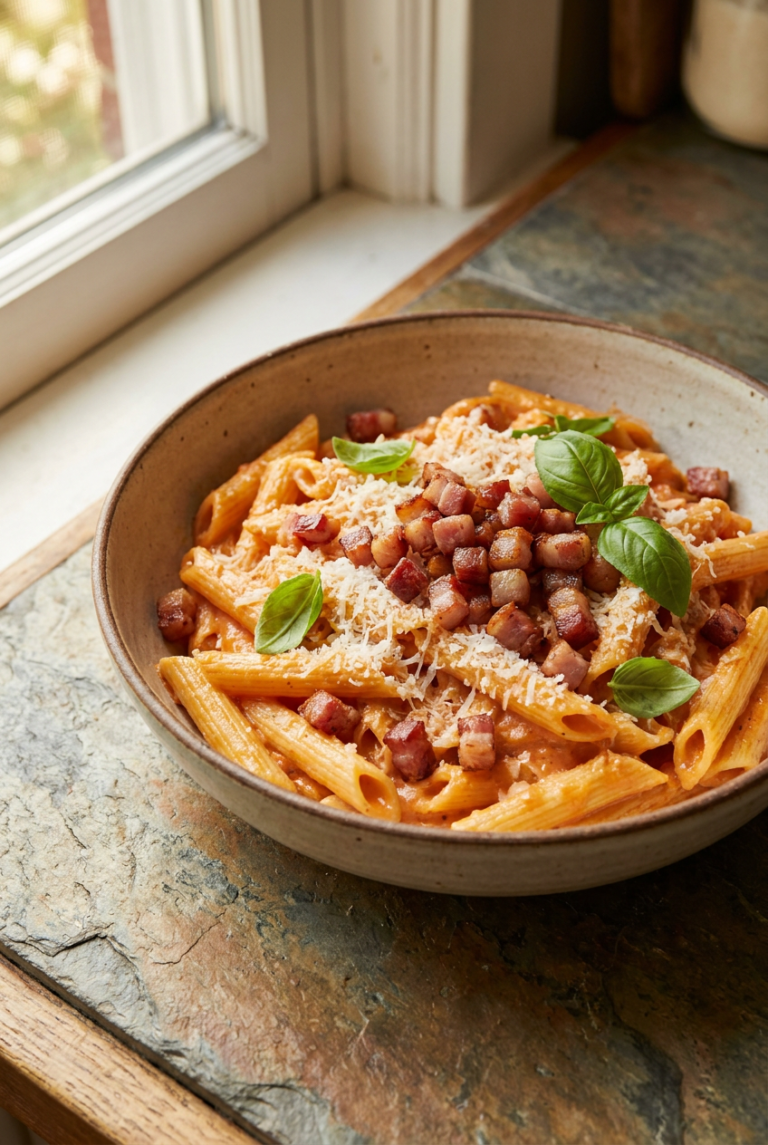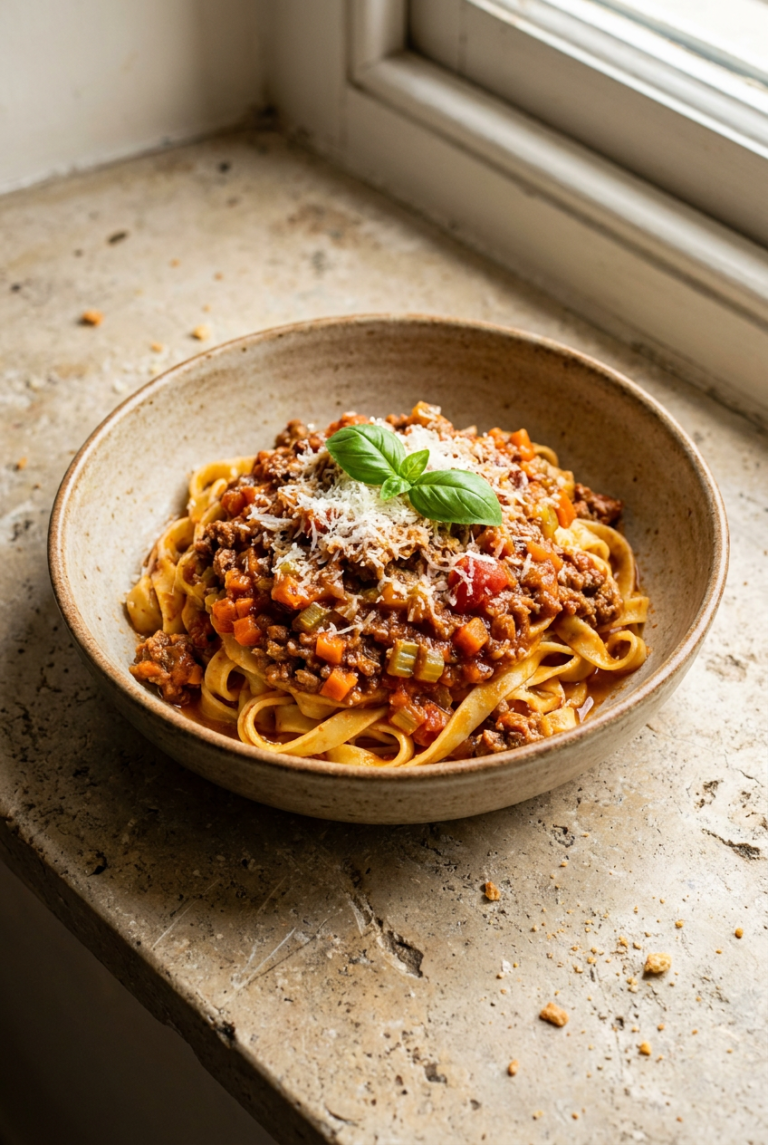
Spring Garden Primavera Pasta Recipe, Easy Italian Dinner in 35 Minutes
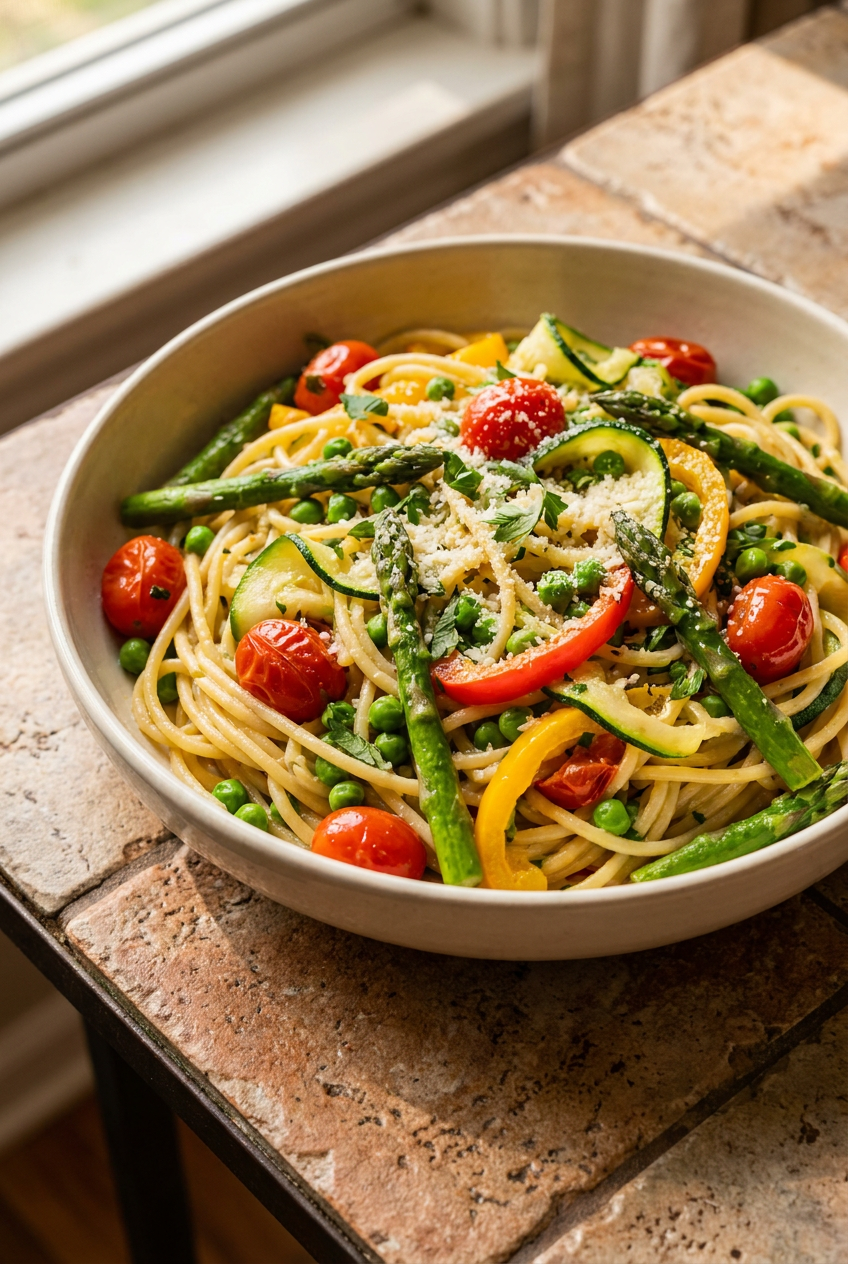
Table of Contents
- Spring Garden Primavera Pasta Recipe: A Vibrant Celebration of Spring Vegetables Tossed with Al Dente Pasta in a Light, Lemony Cream Sauce
- Why You Will Love This Spring Garden Primavera Pasta Recipe
- Your Simple Ingredients for the Perfect Spring Garden Primavera Pasta
- How to Make Perfect Spring Garden Primavera Pasta
- Pro Tips and Easy Variations for Your Spring Garden Primavera Pasta
- Serving Suggestions for a Perfect Dinner
- Nutrition Information
- Storage and Make Ahead Instructions
- Your Spring Garden Primavera Pasta Questions Answered
- More Incredible Italian Recipes to Try
- The Story Behind This Recipe
- Pin This Recipe for Later
Spring Garden Primavera Pasta Recipe: A Vibrant Celebration of Spring Vegetables Tossed with Al Dente Pasta in a Light, Lemony Cream Sauce
This spring garden primavera pasta recipe is the dish I wait all winter to make, the one that signals the farmers market is finally bursting with color again. I still remember the first time I made it, standing in my kitchen on a warm April afternoon with a canvas tote full of slender asparagus, bright yellow bell peppers, and zucchini so fresh they still had their blossoms attached. The smell of garlic hitting warm olive oil, the gentle sizzle of vegetables softening in the pan, and that final toss of al dente pasta with lemon zest and cream transported me straight to a trattoria table somewhere in the Italian countryside. My kids circled the kitchen like hungry little hawks, and when I set the bowls down, the silence that followed was the highest compliment any home cook could ask for. That moment cemented this dish as a seasonal ritual in our home.
What makes this version of primavera stand out from others you might have tried is the intentional layering of vegetables based on their density and cooking time. Too many primavera recipes throw everything into the pan at once, resulting in some vegetables turning to mush while others stay nearly raw. Here, we start with the firmer zucchini and bell pepper, giving them a head start, then introduce the more delicate asparagus and cherry tomatoes, and finally stir in peas at the very end so they retain their pop and sweetness. The sauce itself is another point of distinction. Instead of a heavy, flour thickened cream sauce that coats the vegetables and weighs everything down, this recipe uses just enough heavy cream to create a silky emulsion with the pasta water and Parmesan. The lemon zest and juice cut through the richness beautifully, leaving you with a sauce that clings to every piece of pasta without feeling heavy. It is a technique focused approach that rewards you with perfectly textured vegetables and a sauce that tastes far more luxurious than the effort involved. If you appreciate recipes where technique truly matters, you might also enjoy the precision behind these fluffy Japanese souffle pancakes, where patience and method create something truly special.
This recipe is perfect for busy weeknights when you want something that feels special without requiring hours in the kitchen, but it is also elegant enough to serve at a spring dinner party or Easter gathering. It is the kind of meal that pleases everyone at the table, from the dedicated vegetable lovers to the pasta obsessed kids who might not even notice how many colorful vegetables they are eating. I love making it on Sunday evenings when I have had a chance to visit the farmers market and want to use up all the beautiful produce before the week begins. It also happens to be an excellent dish for cooking with a partner or a friend, one person manning the pasta pot while the other works the skillet, chatting and sipping wine as you go. Whether you are cooking for one and looking forward to excellent leftovers, or feeding a hungry family of four, this spring garden primavera pasta recipe delivers on all fronts.
Why You Will Love This Spring Garden Primavera Pasta Recipe
- Incredibly fast and efficient. From start to finish you are looking at about 35 minutes for a complete dinner. The pasta water comes to a boil while you chop the vegetables, and everything comes together in one skillet while the pasta cooks.
- Celebrates real seasonal produce. This dish puts vegetables at the center of the plate rather than treating them as an afterthought. Each vegetable retains its distinct texture and flavor, and the lemon cream sauce enhances rather than masks their natural sweetness.
- Light yet satisfying. Unlike many cream based pasta dishes that leave you feeling weighed down, the lemon and measured amount of cream here create a sauce that feels bright and fresh. You finish your bowl feeling nourished and content, not heavy.
- Endlessly adaptable. You can swap in whatever spring vegetables look best at the market, add protein if you like, or make the whole thing dairy free with a few simple substitutions. The core technique stays the same regardless of what you put in the pan.
- Teaches a valuable cooking skill. Learning to cook vegetables in stages based on their density is a technique that will serve you well in countless other recipes. Once you understand the principle, you will apply it to stir fries, sautés, and sheet pan dinners without even thinking about it.
- Makes excellent leftovers. The flavors meld beautifully overnight, and the pasta reheats surprisingly well with a splash of water. I often make a double batch just so I can enjoy it for lunch the next day.
Your Simple Ingredients for the Perfect Spring Garden Primavera Pasta
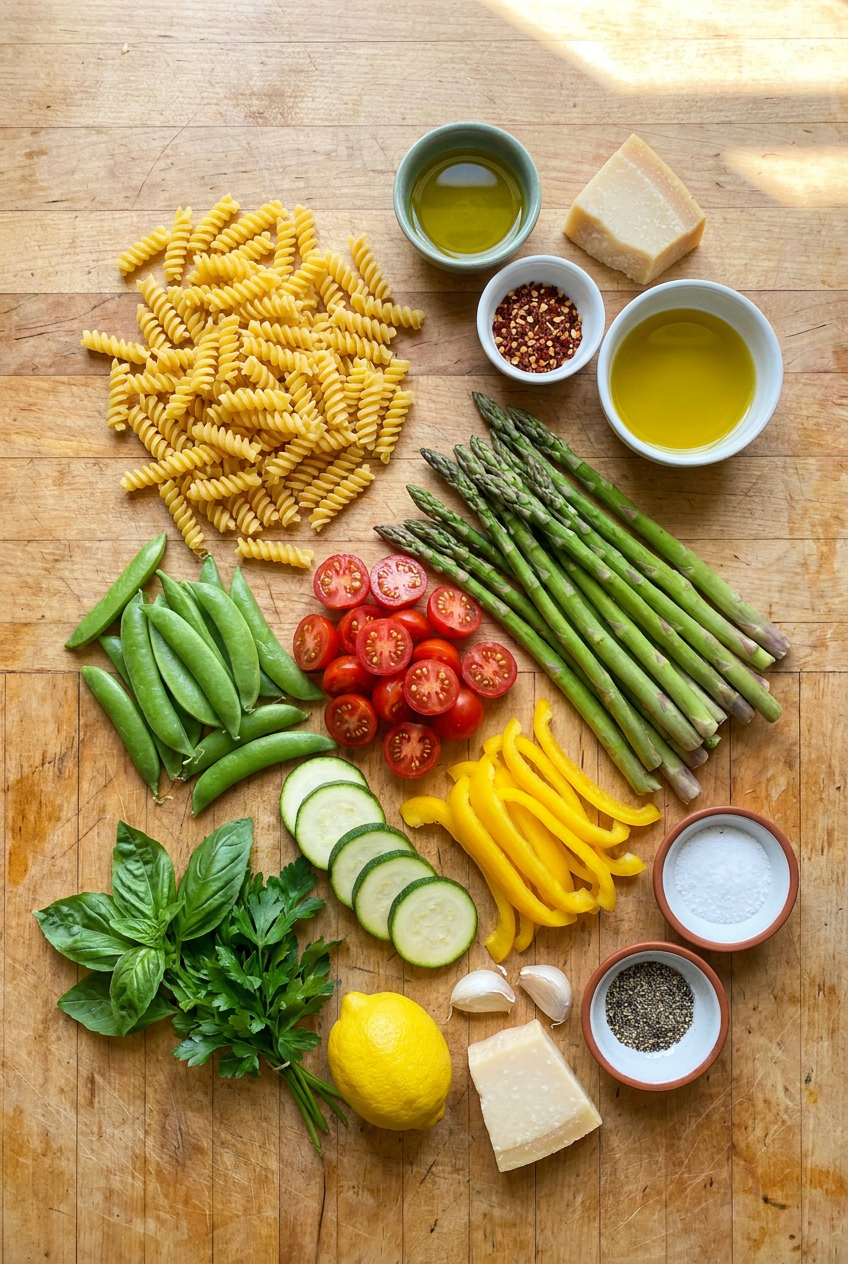
Main Ingredients
- 12 oz penne pasta, or other short pasta
- 2 tbsp olive oil, extra virgin
- 3 cloves garlic, minced
- 1 zucchini, diced medium
- 1 yellow bell pepper, thinly sliced
- 1 cup asparagus, cut into 1 inch pieces, woody ends trimmed
- 1 cup cherry tomatoes, halved
- 3/4 cup frozen peas, thawed
- 1/2 cup heavy cream
- 1 lemon, zest and juice
- 1/2 cup grated Parmesan cheese, plus more for serving
- Salt and black pepper to taste
- 1/4 cup fresh basil, torn or julienned
Ingredient Notes
Penne pasta. Penne is my first choice for this recipe because its tubular shape and ridged surface catch the light cream sauce beautifully, ensuring every bite is well coated. Look for a bronze die cut pasta if you can find it, as the rougher texture helps sauce cling even better. Farfalle, fusilli, or rigatoni are all excellent substitutes that perform the same job.
Extra virgin olive oil. Since this is a simple dish with relatively few ingredients, the quality of your olive oil will be noticeable in the final result. Choose one with a fruity, slightly peppery character that complements the fresh vegetables. You do not need to spend a fortune, but avoid anything labeled simply “olive oil” or “light” olive oil, which lack the flavor we want here.
Zucchini. Medium sized zucchini work best for this recipe, as very large ones tend to be watery and have larger seeds. Look for zucchini that feel heavy for their size with smooth, unblemished skin. When diced into medium pieces, they soften at just the right pace alongside the bell pepper.
Asparagus. Spring asparagus is the star of any primavera, with its grassy sweetness and tender texture. Choose spears that are firm and straight with tightly closed tips. The woody ends should snap off naturally when you bend the spear. For this recipe, cut the remaining tender portion into 1 inch pieces so they cook quickly and are easy to spear with a fork.
Heavy cream. Just half a cup of heavy cream is all you need to create a luxuriously silky sauce that coats every strand of pasta. The high fat content prevents curdling when the lemon juice is added, something that can happen with lower fat alternatives. If you must substitute, full fat canned coconut cream works well for a dairy free version.
Parmesan cheese. Freshly grated Parmesan is non negotiable here. Pre grated cheese contains anti caking agents that prevent it from melting smoothly into the sauce, leaving you with a grainy texture. Buy a wedge and grate it yourself right before using. The difference in both flavor and texture is dramatic.
Fresh basil. Basil is added at the very end, off heat, so it retains its vibrant green color and fresh, peppery aroma. Look for bright green leaves without dark spots or wilting. If you cannot find fresh basil, fresh flat leaf parsley makes a lovely substitute with a slightly different but equally bright character.
How to Make Perfect Spring Garden Primavera Pasta
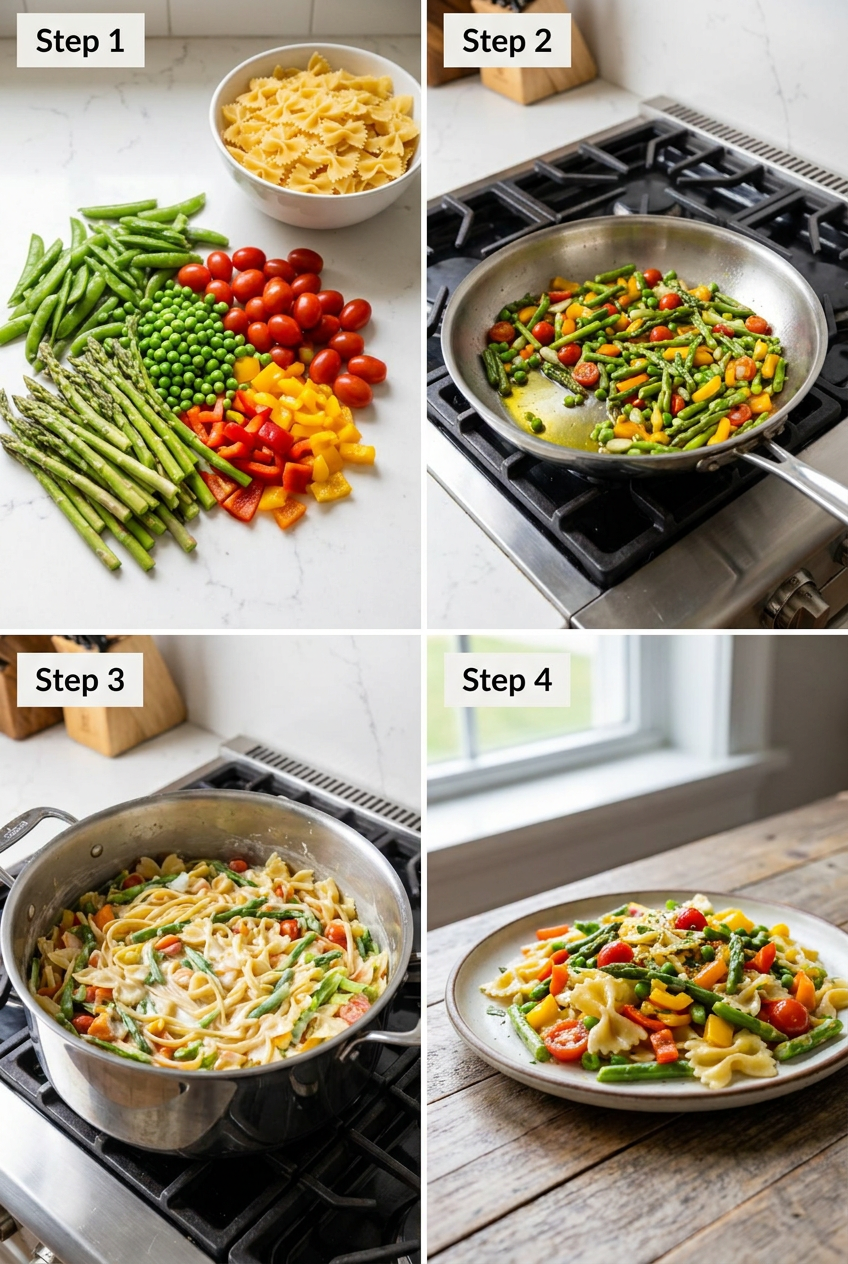
Phase 1: Build the Foundation
Step 1: Cook the Pasta
Fill your largest pot with water and bring it to a rolling boil over high heat. You want enough water that the pasta can move freely, so aim for at least 4 quarts. Once the water is at a full boil, add salt generously, tasting the water to make sure it reminds you of the sea. This is your only opportunity to season the pasta itself from the inside out. Add the penne and cook according to the package directions for al dente, which typically means about 10 to 11 minutes. About 30 seconds before you drain the pasta, dip a heatproof measuring cup into the pot and scoop out half a cup of the starchy pasta water. Set this aside and then drain the pasta in a colander. Do not rinse it, as the starch on the surface helps the sauce cling.
Step 2: Sauté the Firm Vegetables
While the pasta cooks, set a large skillet over medium high heat and add the olive oil. Let the oil warm for about 30 seconds until it shimmers and flows easily when you tilt the pan. Add the minced garlic and stir constantly for about 30 seconds until it becomes fragrant and just barely begins to turn golden at the edges. Garlic can burn in an instant, so keep it moving. Immediately add the diced zucchini and sliced yellow bell pepper, spreading them into a single layer as much as possible. Let them cook without stirring for the first minute to develop a bit of golden browning on the bottom, then stir occasionally for about 4 minutes total. You are looking for the vegetables to soften slightly at the edges while still holding their shape. If the pan seems too crowded and the vegetables are steaming rather than browning, work in batches or use a larger skillet.
Phase 2: Layer in the Delicate Vegetables
Step 3: Add the Quick Cooking Vegetables
Add the asparagus pieces and halved cherry tomatoes to the skillet. Continue cooking for about 2 minutes, stirring gently so the tomatoes do not break apart completely. You will notice the cherry tomatoes start to soften and their skins will begin to wrinkle and blister slightly, releasing a bit of their sweet juice into the pan. This is exactly what you want. The asparagus should turn bright green and become just tender enough to pierce with a fork while still offering a slight resistance. Stir in the thawed peas and season everything with a generous pinch of salt and several grinds of black pepper. The peas need only about 30 seconds in the heat since they are already thawed and you want to preserve their fresh pop.
Phase 3: Build the Sauce and Bring It All Together
Step 4: Create the Light Cream Sauce
Reduce the heat to low before adding the cream to prevent any risk of curdling, especially important since we are about to add lemon juice. Pour in the heavy cream, then add the lemon zest and lemon juice. Stir everything together gently and let it simmer on low heat for about 1 minute. You will see the sauce come together into a cohesive, pale golden liquid that lightly coats the back of your spoon. If you forgot to take the cream out of the refrigerator ahead of time and it is very cold, add the lemon juice slowly off the heat to prevent the cream from separating. The warmth of the pan should be enough to gently heat the sauce through without any issues.
Step 5: Toss Pasta with Sauce
Add the drained penne and the grated Parmesan to the skillet. Using tongs or two large spoons, toss everything together thoroughly, making sure every piece of pasta gets coated with the sauce and the vegetables are evenly distributed. Now reach for your reserved pasta water. Start by adding 2 tablespoons and toss again. The starchy water works like magic, helping the sauce emulsify into something silky and cohesive that clings to the pasta rather than pooling at the bottom of the pan. Keep adding pasta water a tablespoon at a time until the sauce reaches the perfect consistency, glossy and fluid enough to coat the back of a spoon without running off immediately. This technique of using pasta water to build a sauce is similar in principle to the slow braising method used in a Moroccan chicken tagine, where patience and gradual liquid addition create something deeply cohesive and flavorful.
Step 6: Finish and Serve
Remove the skillet from the heat entirely before adding the fresh basil. Tearing or scattering the basil into the warm pasta off heat preserves its vibrant green color and fresh, aromatic flavor. If basil is exposed to direct high heat, it blackens and loses its brightness almost immediately. Toss the basil through gently, then taste the pasta and adjust the seasoning with additional salt and pepper if needed. Spoon the primavera into warm bowls, which you can quickly rinse with hot water and dry before serving to help the pasta stay warm longer. Finish each bowl with an extra snowfall of grated Parmesan and perhaps a final crack of black pepper on top.
Pro Tips and Easy Variations for Your Spring Garden Primavera Pasta
Pro Tips
- Chop vegetables to uniform sizes. Consistency in size means consistency in cooking. When your zucchini dice and asparagus pieces are all roughly the same size, everything finishes cooking at the same moment. Aim for pieces that are easy to pick up with a fork and fit comfortably in a single bite.
- Salt the pasta water generously. The pasta absorbs water as it cooks, and if that water is properly salted, the pasta itself becomes seasoned from within. This means you need less salt in the sauce later and the overall flavor is more balanced. Two tablespoons of kosher salt per gallon of water is a good rule of thumb.
- Save that pasta water. The starchy water left behind after cooking pasta is one of the most valuable tools in Italian cooking. It helps emulsify sauces, adds body without additional cream or butter, and can rescue a sauce that seems too thick or dry. Never drain pasta without scooping some out first.
- Warm the cream before adding lemon. Cold cream can curdle when it meets acidic ingredients like lemon juice. Take the chill off by letting the cream sit at room temperature while you prep, or add it to the pan and warm it gently before introducing the lemon. This small step guarantees a smooth, velvety sauce every time.
- Do not crowd the pan. Vegetables release moisture as they cook, and if the pan is too crowded, that moisture turns into steam. Steamed vegetables lack the caramelized edges and concentrated flavor you get from a properly hot pan with space between the pieces. Use your largest skillet and work in batches if needed.
Delicious Variations
- Add grilled chicken or shrimp. Slice a grilled chicken breast or a handful of sautéed shrimp and toss it in with the pasta at the end. Season the protein simply with salt, pepper, and a little lemon zest so it complements the vegetables rather than competing with them.
- Make it dairy free. Replace the heavy cream with a cashew cream made by blending soaked raw cashews with water until smooth. Swap the Parmesan for nutritional yeast, which provides a similar savory, cheesy note. The lemon and basil remain the same, and the result is surprisingly close to the original.
- Use whole wheat or legume pasta. Whole wheat penne adds a nutty depth and extra fiber, while chickpea or lentil pasta boosts the protein content significantly. The sauce and vegetables work beautifully with any of these alternatives, though you may need a touch more pasta water to keep the sauce loose.
- Try different spring vegetables. Sugar snap peas, baby artichokes, fava beans, or thin stalks of broccolini all make wonderful substitutions or additions. The key is to blanch or sauté each vegetable according to its density so everything arrives at the table perfectly tender and bright.
- Add a touch of heat. A pinch of red pepper flakes added alongside the garlic brings a gentle warmth that plays beautifully against the sweet vegetables and creamy lemon sauce. Start with a quarter teaspoon and adjust to your taste. This variation reminds me of the bright, tangy heat you find in recipes like blueberry lemon ricotta pancakes, where a little zing makes everything more interesting.
Serving Suggestions for a Perfect Dinner
This spring garden primavera pasta recipe is a complete meal on its own, but a few well chosen accompaniments turn it into a dinner worth remembering. A loaf of crusty garlic bread, toasted until golden and rubbed with a cut clove of garlic while still warm, is perfect for catching every last bit of the lemon cream sauce. On the side, a simple arugula salad dressed with olive oil, lemon juice, and a shower of Parmesan shavings echoes the flavors in the pasta without repeating them. For drinks, a chilled glass of Pinot Grigio or a crisp Sauvignon Blanc cuts through the richness of the cream while complementing the bright, green notes of the vegetables. If you prefer something non alcoholic, a sparkling water with a squeeze of lemon feels just as celebratory.
This dish shines at spring gatherings, from casual weeknight family dinners to Easter lunch or a Mother’s Day meal. If you are serving a crowd, the recipe doubles or triples beautifully with one important adjustment: use your largest skillet or work in batches for the vegetable sauté so everything browns instead of steaming. Warm your serving bowls in a low oven to keep the pasta hot at the table, and set out extra Parmesan and fresh basil so guests can customize their bowls. For a more substantial dinner party spread, start with a light antipasto platter of marinated olives, roasted red peppers, and fresh mozzarella, then finish with a simple lemon sorbet to cleanse the palate.
Nutrition Information
(Approximate per serving, 4 servings total) Calories: 420, Fat: 16g, Carbohydrates: 52g, Protein: 15g, Fiber: 7g, Sugar: 8g, Sodium: 380mg. Nutritional values are estimates only.
Storage and Make Ahead Instructions
- Refrigerator: Store leftover primavera in an airtight container in the refrigerator for up to 4 days. The pasta will absorb some of the sauce as it sits, so expect it to be a bit drier when you open the container. A splash of water or a drizzle of olive oil during reheating brings it right back to life.
- Freezer: You can freeze this dish in a sealed, freezer safe container for up to 3 months. Cream sauces can separate slightly when frozen and thawed, so do not be alarmed if the texture looks a little off when you first pull it out. A gentle reheat with a splash of water and a thorough stir will bring the sauce back together nicely.
- Reheating: For the best texture, reheat individual portions in a skillet over medium low heat with a tablespoon or two of water. Stir frequently until warmed through. In the microwave, cover the bowl with a damp paper towel and heat for about 2 minutes, stirring halfway through. The damp towel creates steam that helps revive the sauce and keeps the pasta from drying out.
- Make Ahead: While the finished dish is best enjoyed fresh, you can prep several components in advance. Blanch the asparagus and peas a day ahead, then plunge them into ice water to stop the cooking, drain well, and refrigerate. Grate the Parmesan, mince the garlic, and chop the zucchini and bell pepper the night before. Store everything separately in the refrigerator,
Spring Garden Primavera Pasta
spring garden primavera pasta recipe made easy at home. A vibrant celebration of spring vegetables tossed with al dente pasta in a light, lemony cream sauce.Ingredients
Method
- Bring a large pot of salted water to a boil. Cook penne according to package directions until al dente. Reserve ½ cup pasta water, then drain.
- In a large skillet over medium-high heat, warm olive oil. Add garlic and sauté 30 seconds until fragrant. Add zucchini and bell pepper; cook, stirring occasionally, until just beginning to soften, about 4 minutes.
- Add asparagus and cherry tomatoes to the skillet. Cook 2 minutes more, then stir in peas and season with salt and pepper.
- Reduce heat to low. Pour in heavy cream, lemon zest, and lemon juice. Stir to combine and simmer gently for 1 minute.
- Add drained pasta and grated Parmesan to the skillet. Toss well, adding splashes of reserved pasta water as needed to create a silky, clingy sauce.
- Remove from heat. Toss in fresh basil. Taste and adjust seasoning. Serve immediately in warm bowls with extra Parmesan.
Disclosure: This post may contain affiliate links. If you purchase through our links we may earn a small commission at no extra cost to you.
If you made this Spring Garden Primavera Pasta, please leave a comment below and let me know how it turned out.