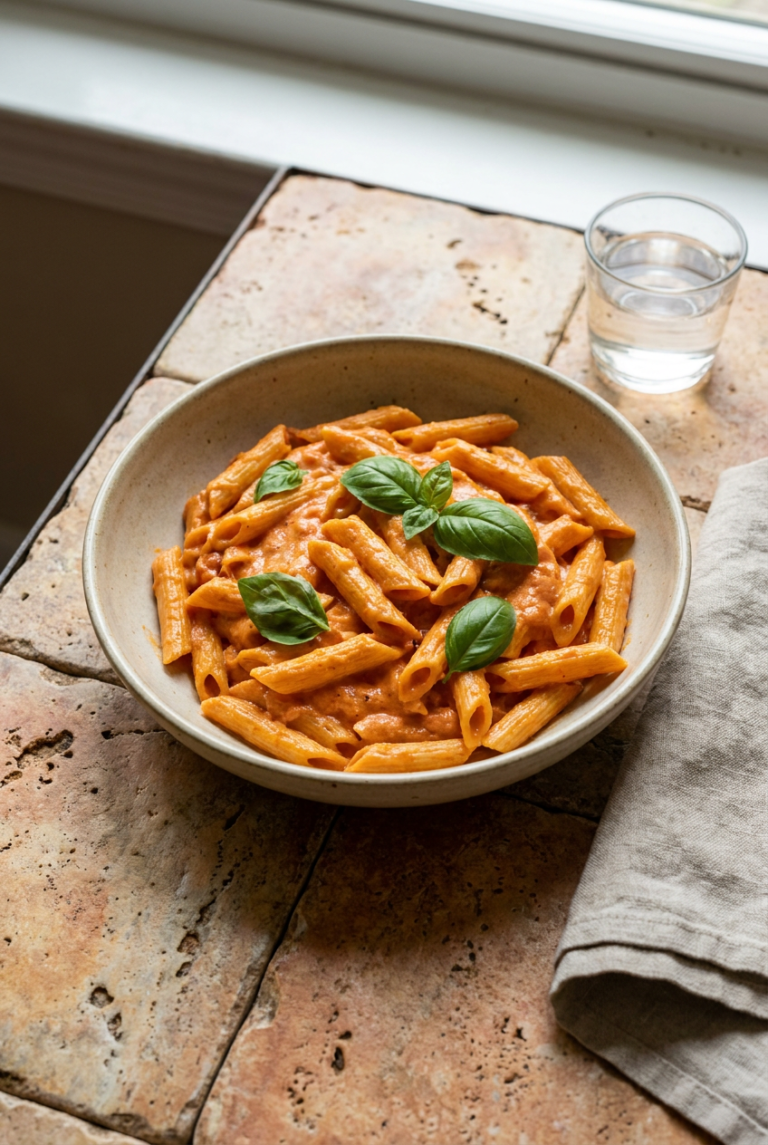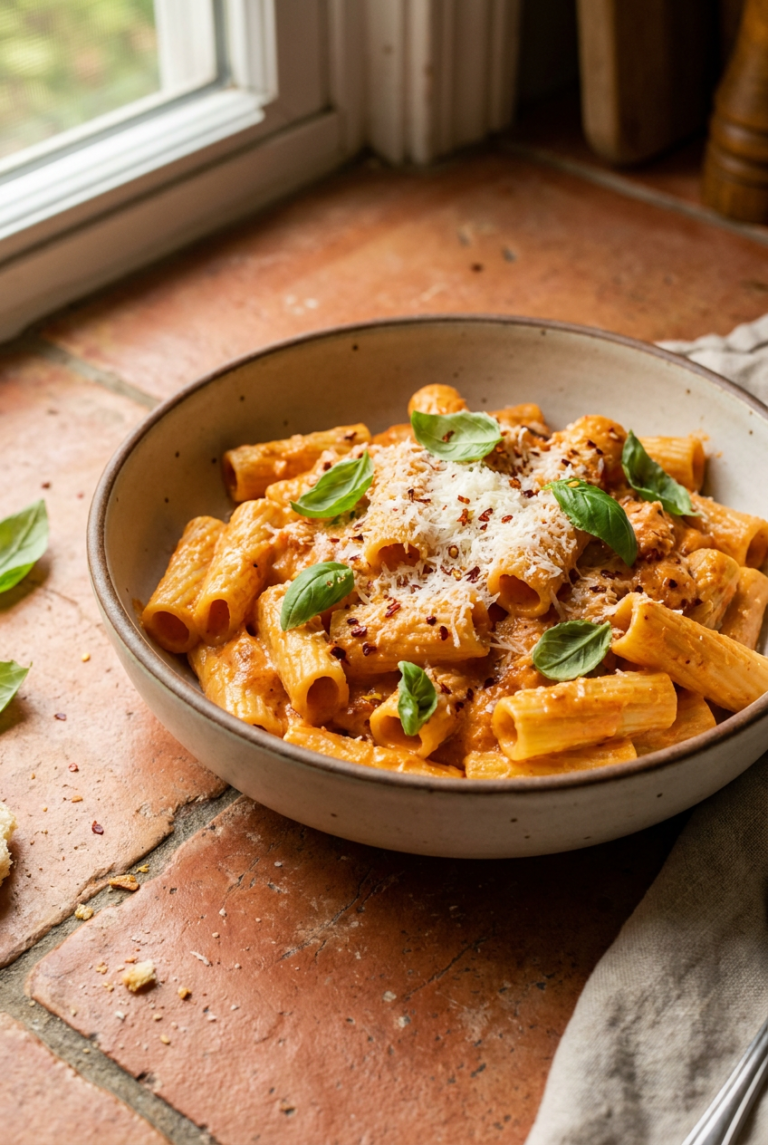
Classic Homemade Egg Pasta Recipe, Easy Italian Dinner in 1 Hour
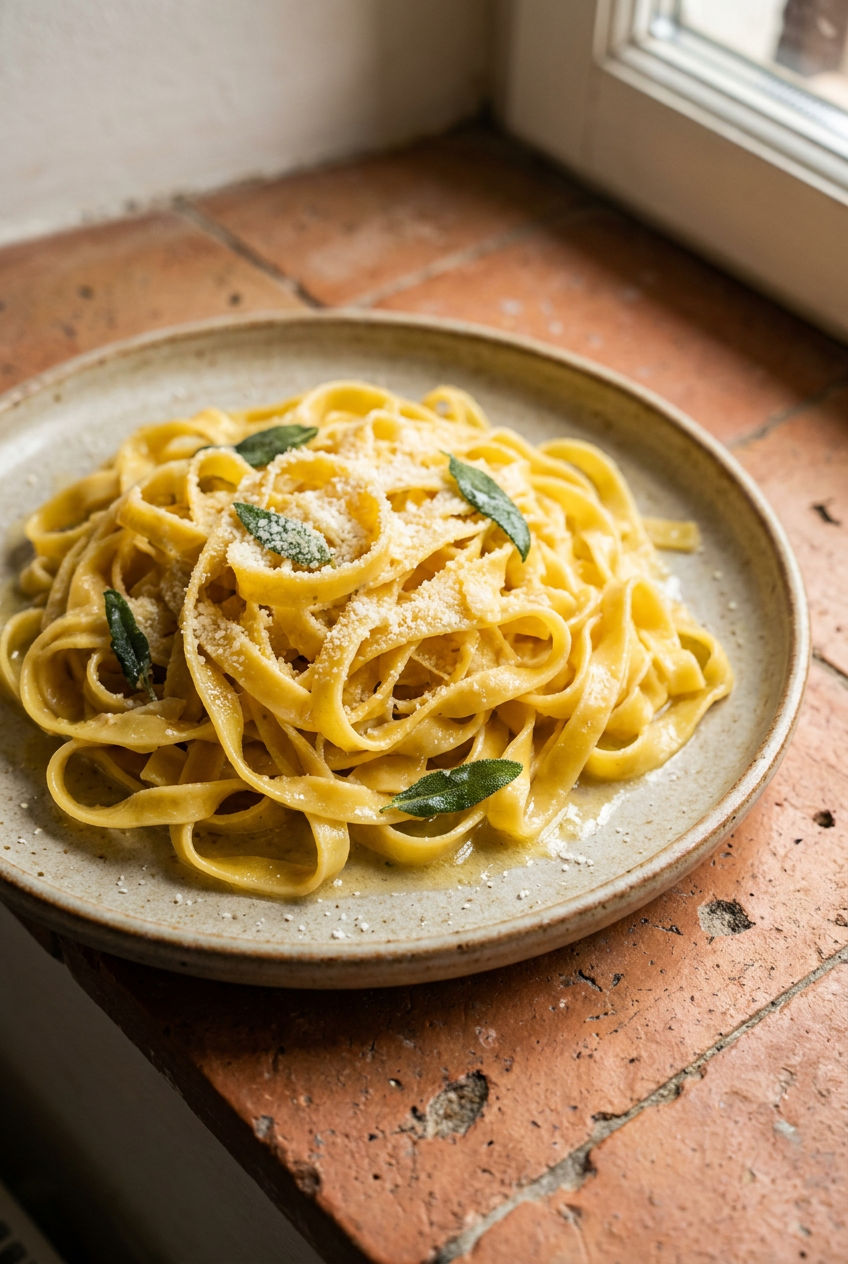
Table of Contents
- Classic Homemade Egg Pasta: Silky, tender fresh pasta made from scratch with just four simple ingredients
- Why You Will Love This Classic Homemade Egg Pasta Recipe
- Your Simple Ingredients for the Perfect Classic Homemade Egg Pasta
- How to Make Perfect Classic Homemade Egg Pasta
- Pro Tips and Easy Variations for Your Classic Homemade Egg Pasta
- Serving Suggestions
- Nutrition Information
- Storage and Make-Ahead Instructions
- Your Classic Homemade Egg Pasta Questions Answered
- More Incredible Italian Recipes to Try
- The Story Behind This Recipe
- Pin This Recipe for Later
Classic Homemade Egg Pasta: Silky, tender fresh pasta made from scratch with just four simple ingredients
I still remember the first time I watched my nonna press her thumb into a golden mound of flour, crack three room temperature eggs into the center, and slowly, rhythmically, pull the flour inward until a silky dough appeared. There was no recipe card, no timer, just decades of feel. She could tell by the way the dough pushed back that it was ready. That moment changed everything I thought I knew about Italian cooking. This classic homemade egg pasta recipe is my attempt to capture that same quiet magic in your kitchen. You do not need fancy equipment or imported ingredients. All you need is flour, eggs, a little olive oil, salt, and the willingness to get your hands dusty. The result is tender, golden ribbons that taste infinitely better than anything dried in a box.
What sets this classic homemade egg pasta recipe apart is the attention to two things that most quick guides overlook: the temperature of your eggs and the way you rest the dough. Room temperature eggs are non-negotiable here. They emulsify more smoothly with the oil and hydrate the flour evenly, building a dough that feels like soft suede under your palms. And the 30-minute rest, well, that is the difference between pasta that fights your rolling pin and pasta that stretches willingly into thin, translucent sheets. I have made the mistake of skipping that rest, and I ended up with leathery noodles that tasted fine but lacked that melt-in-your-mouth tenderness. So trust the process. If you have ever been intimidated by making pasta from scratch, I promise this recipe will walk you through every fold and every flour dusting. It is forgiving, it is meditative, and it leads to a dinner that feels like a hug on a plate. If you love the delicate texture of blueberry lemon ricotta pancakes, you will absolutely adore the billowy lightness of fresh egg pasta the moment it hits the salted water.
This recipe is for the home cook who wants to slow down and make something real. It is perfect on a Sunday afternoon when you have an hour to linger in the kitchen, maybe with a glass of wine and some soft music. The pasta itself cooks in just a couple of minutes, so once your dough is rolled and cut, you can have dinner on the table almost instantly. I love serving it for weeknight anniversaries, cozy family dinners, or when I am teaching a friend how to cook from scratch. The portions scale easily, and the dough can even be made ahead. Whether you drape it in a simple tomato sauce or a pool of brown butter and sage, this classic homemade egg pasta recipe will become one of those staples you reach for every time you want to eat something truly wonderful.
Why You Will Love This Classic Homemade Egg Pasta Recipe
- Incredibly simple ingredient list. You only need four humble pantry items to create a restaurant-worthy meal. There is nothing to hunt down at a specialty store, and you likely already have everything on hand.
- Tender yet resilient texture. The dough kneads into an elastic sheet that rolls paper thin without tearing. Once cooked, each strand is silky with a slight bite, never mushy, never tough.
- Meditative, hands-on process. Kneading and rolling fresh pasta is deeply satisfying, much like kneading bread dough. The rhythm of working the dough quiets your mind and connects you to generations of home cooks.
- Fast cooking time. After all the prep, the fresh noodles cook in just two to three minutes. That means dinner goes from rolling pin to plate faster than you can set the table.
- Endlessly versatile. The same dough works for fettuccine, pappardelle, lasagna sheets, or stuffed pastas. One recipe, dozens of meals, all from a single golden slab of dough.
- Freezer friendly. You can make a double batch, form the noodles into nests, and freeze them for a homemade dinner on even the busiest nights. The quality stays pristine for months.
Your Simple Ingredients for the Perfect Classic Homemade Egg Pasta
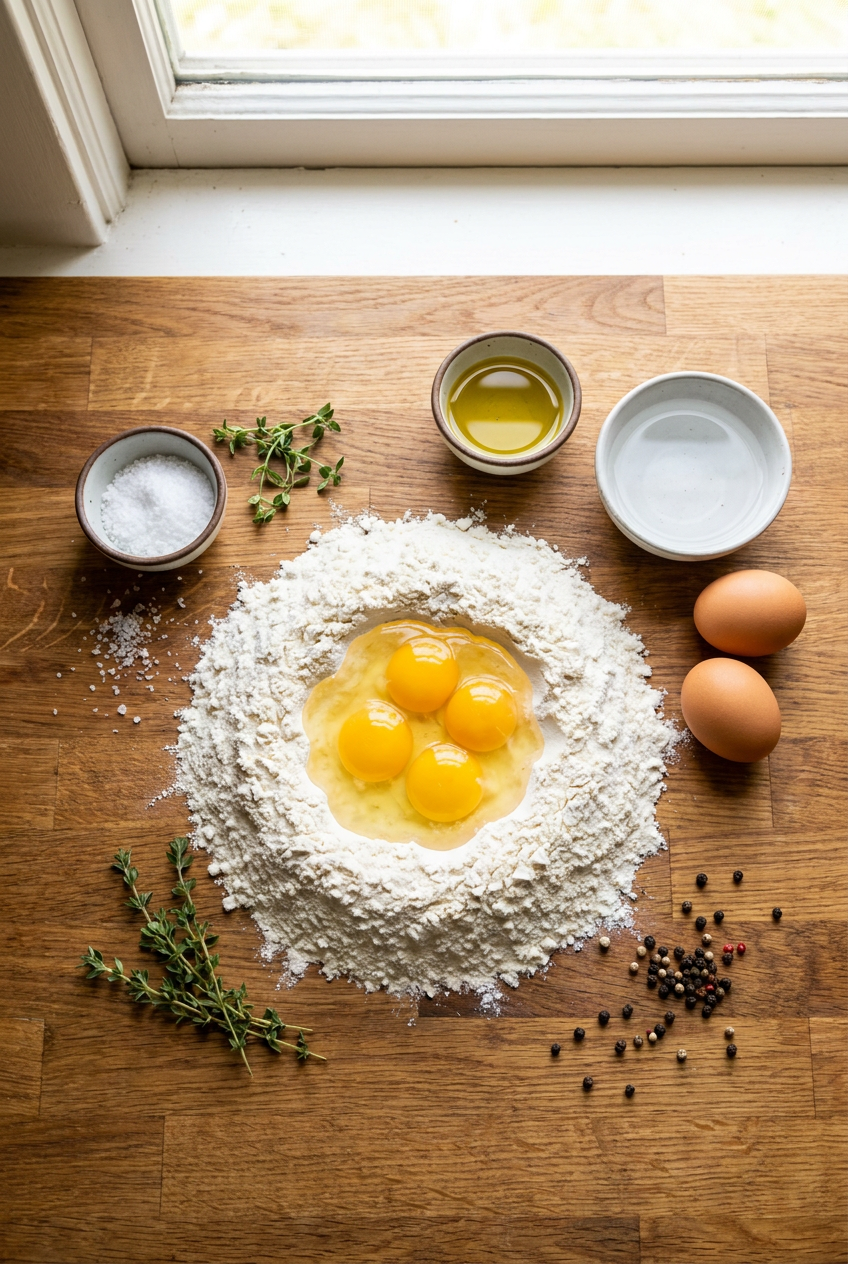
Pasta Dough
- 2 cups all-purpose flour, plus extra for dusting
- 3 large eggs, room temperature
- 1 tablespoon extra virgin olive oil
- 1/2 teaspoon fine sea salt
Ingredient Notes
All-purpose flour is the backbone of this classic homemade egg pasta recipe. It provides enough gluten structure to give the dough elasticity while keeping the final noodle tender. You want a standard unbleached flour with a moderate protein content, around 10 to 12 percent. If you have access to ’00’ flour, it will yield an even silkier, more delicate pasta because of its finer grind, but regular all-purpose is faithful and forgiving. Avoid bread flour unless you love a chewier bite. To measure accurately, spoon the flour gently into a dry measuring cup and level it with a straight edge, never pack or scoop directly from the bag.
Eggs are the soul of this dough. They add richness, color, and that unmistakable eggy flavor that defines fresh pasta. Room temperature eggs are essential because cold eggs tighten the gluten and make the dough difficult to work with. Take them out of the refrigerator at least 45 minutes before you begin, or place them in a bowl of warm water for 10 minutes. The yolks contribute fat and golden hue; the whites bring binding power and moisture. I use large eggs, and if yours are smaller, you may need a drop of water to bring the dough together.
Extra virgin olive oil works behind the scenes to smooth the dough and make it more pliable during kneading. It also adds a whisper of fruitiness that rounds out the flavor. Use a good quality oil you would enjoy on a salad, since you will taste its nuance in the finished pasta. In a pinch, a neutral oil like grapeseed can work, but you will lose that subtle Mediterranean note.
Fine sea salt seasons the dough from within. Unlike coarse kosher salt, fine sea salt dissolves quickly and distributes evenly so you do not bite into a salty pocket. Do not skip it. Pasta without internal salt tastes flat no matter how well you salt the cooking water. If you only have table salt, use a scant 1/2 teaspoon as it measures denser than sea salt.
How to Make Perfect Classic Homemade Egg Pasta
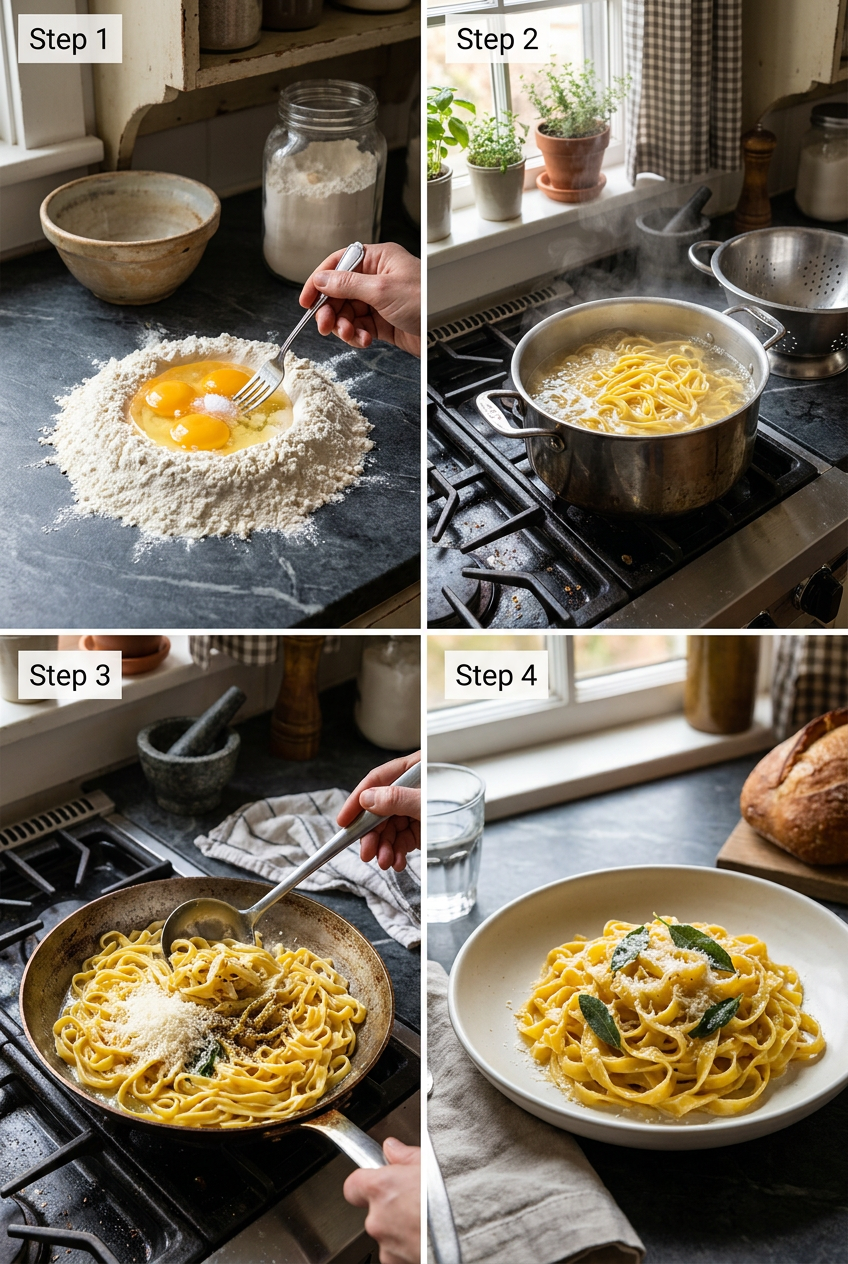
Phase 1: Building the Dough
Step 1: Form the flour well
Find a large, clean work surface, a wooden board, a marble counter, or even a large mixing bowl if you prefer less mess. Mound the 2 cups of flour directly on the surface and use your fingers to hollow out a wide well in the center. The well should look like a tiny volcano, deep enough to hold three eggs comfortably without any spillover. This classic old-world technique gives you control as you gradually incorporate flour into the eggs. Into that well, crack the three room temperature eggs, then pour in the tablespoon of olive oil and sprinkle the 1/2 teaspoon of fine sea salt. The moment the eggs hit the flour, you will smell that warm, rich scent that promises something good.
Step 2: Incorporate the eggs
With a fork, gently break the yolks and begin stirring the eggs in the center, as if making scrambled eggs inside a flour fortress. Slowly, start drawing small amounts of flour from the inner walls of the well into the egg mixture. Continue this circular motion, always pulling flour inward and keeping the outer walls intact as long as possible. The mixture will progress from liquid to a thick paste, then to a shaggy, clumpy mass. Do not panic if the well breaks and egg runs across the counter, just scrape it back with a bench scraper or your fingers and keep bringing everything together. If you have ever made Moroccan chicken tagine, you will recognize the same principle of patiently building layers of flavor, here it is all about building a cohesive dough structure.
Step 3: Knead the dough
Once the shaggy dough comes together enough to handle, abandon the fork and use your hands. Gather every little crumb and press the dough into a ball. It will look messy and feel a bit dry at first, that is exactly right. Begin kneading by pushing the dough away from you with the heel of your hand, then folding it back over itself and turning it a quarter turn. Continue this rhythmic push, fold, turn for 8 to 10 minutes. You will feel the dough transform: at first it resists and cracks, but as the gluten develops, it becomes smooth and elastic. Properly kneaded dough will feel like a soft earlobe or warm clay, slightly tacky but never sticking to your fingers or the work surface. If it is too dry and crumbly, wet your hands with water and knead it in a drop at a time. If it is wet and sticky, dust the dough and the surface lightly with flour. Perform the finger test: press your thumb firmly into the dough, it should bounce back and leave only a faint indentation. That spring means the gluten network is strong and ready.
Phase 2: The Rest
Step 4: Rest the dough
Wrap the ball of dough tightly in plastic wrap, pressing out any air pockets. Let it rest on the counter at room temperature for a full 30 minutes. This is non-negotiable and the most often skipped step in a classic homemade egg pasta recipe. Resting relaxes the gluten strands you just worked so hard to develop, which makes the dough far easier to roll out thinly without tearing. During this time, the flour also fully hydrates, resulting in a smoother texture. You can use this pause to clean your surface, set up your pasta machine, and put a large pot of water on to boil.
Phase 3: Rolling and Shaping
Step 5: Roll out the dough
Unwrap the rested dough and cut it into four equal pieces. Keep the pieces you are not working with covered with plastic wrap or a clean kitchen towel to prevent them from drying out. Lightly dust your work surface and one piece of dough with flour. Flatten that piece with your palm into an oblong disc, then begin rolling it through a pasta machine set to the widest setting, often marked 1 or 0. The first pass may look uneven and raggedy. Fold the sheet in thirds like a letter, give it a quarter turn, and pass it through the same setting again. Repeat this folding and rolling once or twice until the sheet is smooth and regular. Then, without folding, start stepping down through the settings, one number at a time, until you reach your desired thickness. For fettuccine, I stop at setting 6 on my machine, which yields a delicate yet sturdy pasta. Dust the sheet lightly with flour between passes if it begins to feel tacky, but avoid any excess flour on the surface, as too much can make the cooked pasta tough. If you do not have a pasta machine, you can absolutely roll the dough by hand with a long rolling pin, aiming for translucency by frequently rotating the sheet and dusting lightly.
Step 6: Cut the pasta
Lay the finished sheet flat on a lightly floured surface. If using a pasta machine with a cutter attachment, run the sheet through to create fettuccine or tagliatelle. To cut by hand, gently fold the sheet like a business letter, folding in thirds without pressing hard, then use a sharp chef’s knife to slice across into strips of your desired width. Immediately after cutting, toss the strands with a tiny bit of flour to separate them, then twirl them into loose nests and set them on a floured baking sheet. The nests are not only pretty but practical, they keep the pasta from clumping while you work through the remaining portions.
Phase 4: The Boil
Step 7: Cook the pasta
Your large pot of water should be at a rolling, violent boil. Add enough salt that the water tastes like the sea, this is the only chance you have to season the pasta itself from the outside. Drop the fresh nests into the boiling water and give them a gentle stir with tongs to separate. Fresh pasta cooks startlingly fast. Start checking for doneness after about 90 seconds. It is ready when it floats to the surface and a taste test reveals a tender yet pleasantly chewy bite, al dente but with no raw flour flavor. The strands will look beautifully golden and supple. An instant read thermometer inserted into a piece should read at least 160°F (71°C) to ensure the eggs are fully cooked for food safety. Before you drain the pasta, dip a heatproof measuring cup into the pot and reserve about a cup of the cloudy, starchy pasta water. This liquid gold helps any sauce cling to the noodles.
Pro Tips and Easy Variations for Your Classic Homemade Egg Pasta
Pro Tips
- Use room temperature eggs. Cold eggs make the dough stiff and difficult to knead. Warm eggs emulsify better with the oil and allow the flour to absorb moisture evenly, resulting in a silkier dough from the start.
- Don’t skip the 30-minute rest. Resting relaxes the gluten network after aggressive kneading. Without it, the dough will spring back stubbornly when you try to roll it thin, and your arms will feel it.
- Salt your pasta water generously. Fresh pasta has no internal salt besides the small amount in the dough. The cooking water must be salty enough to season each strand. If your water tastes underseasoned, your pasta will too.
- Minimal flour during rolling. Too much dusting flour dries out the dough and makes the cooked pasta pasty. Use just enough so the dough does not stick to the machine rollers. Shake off excess before thinning.
- Cut with confidence. Whether using a knife or a machine cutter, cut the strips in one smooth, steady motion. Hesitation can tear the delicate sheets or create uneven noodles that cook irregularly.
- Check doneness by bite, not by clock. The exact cooking time varies with thickness, humidity, and the amount of flour on the pasta. The only reliable test is to fish out a strand and taste it. It should offer a tender resistance but no chalkiness.
Delicious Variations
- Spinach Pasta. Take 1/4 cup of cooked spinach, squeeze it completely dry, and puree it until smooth. Mix it into the egg mixture, reducing one egg if the dough becomes too wet. You will get a vivid green dough with a gentle earthy note. This is a wonderful starting point for a light primavera.
- Whole Wheat Pasta. Swap half the all-purpose flour with finely ground whole wheat flour. Add an extra tablespoon or two of water during kneading because whole wheat absorbs more moisture. The result is nutty, hearty pasta that pairs beautifully with robust sauces like a wild mushroom ragu.
- Herb Speckled Pasta. Finely chop a tablespoon of tender herbs, thyme, parsley, or chives, and knead them directly into the dough after it comes together. The herbs perfume every bite and make the pasta look stunning threaded with green flecks.
- Saffron Pasta. Steep a generous pinch of saffron threads in a teaspoon of warm water for 10 minutes, then add it to the eggs. The dough turns a stunning golden orange and carries a subtle floral richness that is unforgettable with seafood.
- Squid Ink Pasta. Add one teaspoon of squid ink to the eggs for a dramatic black pasta that tastes gently of the sea. This variation shines in a simple garlic and olive oil preparation with a sprinkle of chili flakes.
If you love delicate, cloud-like textures, you might also enjoy making fluffy Japanese souffle pancakes. Both recipes reward patience and a gentle touch.
Serving Suggestions for a Perfect Dinner
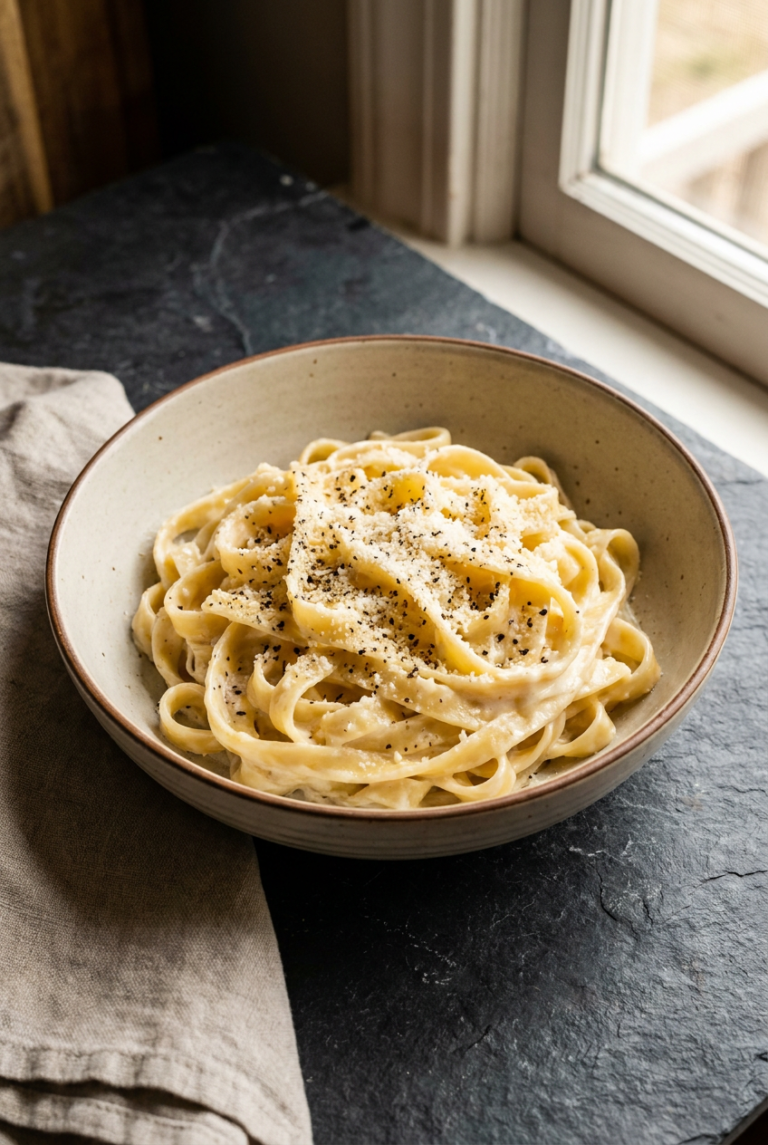
The beauty of fresh egg pasta lies in its ability to elevate even the simplest sauces. My go-to weeknight preparation is tossing the hot noodles with brown butter that I have sizzled with fresh sage leaves until they are crisp and fragrant. A blizzard of finely grated Parmigiano Reggiano finishes the dish with salty, nutty depth. For a brighter meal, stir together extra virgin olive oil, lemon zest, crushed red pepper, and a handful of chopped parsley. The fat in the pasta captures every drop of dressing. A simple marinara or a ragù simmered all afternoon works wonderfully too. For drinks, a crisp Pinot Grigio or a lightly chilled Lambrusco cuts through the richness, while sparkling water with a squeeze of lemon cleanses the palate between bites.
This pasta fits nearly every occasion. A double batch on Saturday afternoon gives you a head start on a weeknight comfort meal. For dinner parties, I set up a rolling station and let guests help cut the pasta, it turns into an interactive, laughter-filled event. To complete the meal, serve a bright arugula salad with shaved parmesan and a lemon vinaigrette alongside. If you want protein, quick-seared scallops or grilled chicken breast work beautifully, but honestly, a bowl of these golden noodles with nothing but butter and cheese feels absolutely complete. Any leftover pasta water moistens and binds the sauce without diluting flavor, so always reserve more than you think you need.
Nutrition Information
(Approximate per serving, 4 servings total) Calories: 290, Fat: 6g, Carbohydrates: 48g, Protein: 11g, Fiber: 2g, Sodium: 310mg. Nutritional values are estimates only.
Storage and Make-Ahead Instructions
- Refrigerator: Fresh uncooked pasta can be stored in the refrigerator for up to 2 days. Arrange the nests on a parchment-lined baking sheet, dust generously with flour to prevent sticking, and cover loosely with plastic wrap. The pasta may oxidize slightly and darken, but the texture remains perfect.
- Freezer: Place the flour-dusted nests on a baking sheet and freeze until solid, about 1 hour. Then transfer the nests to a freezer-safe zip-top bag or airtight container. They keep beautifully for up to 3 months. No need to thaw; cook directly from frozen, adding an extra minute to the boiling time.
- Reheating: Cooked pasta is best enjoyed immediately, but if you have leftovers, toss them with a little olive oil to prevent clumping and store in the refrigerator. Reheat by plunging into boiling water for 30 seconds, or microwave gently with a damp paper towel on top.
- Make-Ahead: You can make the dough up to 24 hours in advance. Wrap it tightly and refrigerate. Bring it back to room temperature for about an hour before rolling, it will be stiff when cold but relaxes as it warms. You can also roll and cut the pasta, then freeze as described for ultimate convenience.
Your Classic Homemade Egg Pasta Questions Answered
Can I make the dough ahead of time?
Absolutely. Wrap the kneaded dough tightly and refrigerate for up to 1 day. The cold will firm the gluten, so let the wrapped dough sit at room temperature for about an hour before you try to roll it out, or roll it gently with a rolling pin to soften it gradually.
What if I don’t have a pasta machine?
A long, sturdy rolling pin works beautifully. It just requires patience and a bit of elbow grease. Roll from the center outward, rotating the dough frequently and dusting with minimal flour. Aim for a thickness where you can see the outline of your hand through the sheet.
Why is my dough too dry or too sticky?
Flour humidity and egg size vary. If the dough refuses to come together during kneading, wet your hands with water and knead it in drop by drop. If it clings to your fingers and the surface, work in flour a teaspoon at a time until it feels tacky but not sticky.
How do I know when the pasta is fully cooked?
Fresh pasta is done when it floats to the surface and a taste test reveals an al dente texture. It should offer a slight resistance but no raw flour taste. For food safety, an instant-read thermometer should register at least 160°F (71°C) in the center of a strand.
Can I use this dough for ravioli?
Yes, this dough is perfect for filled pastas. Roll it slightly thinner, to setting 7 or 8 on your machine, since the doubled layers will cook. Keep the sheets covered as you work to prevent them from drying out before sealing.
My pasta turned clumpy after cutting, what went wrong?
Likely not enough flour dusting after cutting, or the sheets were slightly wet. Toss the cut strands with a generous pinch of flour, gently separating them with your fingers, and form nests immediately. Stacking the nests too tightly can also cause sticking.
How do I prevent the pasta from sticking together in the pot?
Use a very large pot with abundant water, at least 4 quarts for one batch. Stir the pasta gently for the first 30 seconds after adding it to the boiling water. This initial stir separates the strands before the starches gelatinize.
Can I halve or double this recipe?
Certainly. For smaller amounts, use 1 cup flour, 1 large egg, 1 teaspoon oil, and 1/4 teaspoon salt, this will serve 2. For a crowd, double the ingredients and divide the dough into 8 pieces when rolling. The method stays the same.
What is the best flour for fresh egg pasta?
Standard all-purpose flour yields excellent results. For the silkiest possible pasta, use finely milled ’00’ flour from Italy, which has a lower protein content and a powdery texture. Avoid bread flour unless you prefer a distinctly chewy noodle.
Can I make this pasta without eggs?
Eggs are essential for this particular classic homemade egg pasta recipe. If you need an egg-free alternative, explore semolina and water pastas from southern Italy, but they produce a different, firmer texture. This dough relies on eggs for its tenderness and richness.
More Incredible Italian Recipes to Try
Once you have mastered this classic homemade egg pasta recipe, the door to Italian home cooking swings wide open. If you fell in love with the process of handcrafting something delicate and tender, you will absolutely adore making pillowy gnocchi. Potato gnocchi is a wonderful next step because it demands a similar gentle touch and rewards you with little clouds that soak up any sauce you pair them with. Another comforting Italian staple is risotto, where the rhythm of stirring releases starches and creates a creamy, luxurious dish without a drop of cream. A classic mushroom risotto or a saffron-tinted Milanese version makes a stunning dinner alongside a simple green salad.
For those who love the rich, slow-cooked flavors that pair so beautifully with fresh pasta, a Bolognese sauce is a natural companion. Simmering a pot of meaty ragù all day fills the house with an incredible aroma and transforms a simple plate of tagliatelle into an unforgettable feast. And if you are looking for something to complete the meal, try your hand at a rustic focaccia. The dough is forgiving and the olive oil-kissed, dimpled top is impossibly satisfying to bake. You might also enjoy browsing Moroccan chicken tagine for a different kind of slow comfort, or the ethereal fluffy Japanese souffle pancakes for a sweet, cloudlike continuation of the delicate textures you just created.
The Story Behind This Classic Homemade Egg Pasta
The tradition of rolling egg pasta by hand stretches back centuries, rooted in the kitchens of Northern and Central Italy, where the cooler climate and richer agricultural traditions allowed for the widespread use of fresh eggs. Unlike the harder, water-based semolina pastas of the south, egg pasta developed into the silky ribbons we associate with Bologna, Modena, and Emilia-Romagna. In those regions, the skill of the sfogline, women who mastered the art of rolling dough into impossibly thin sheets using a long wooden rolling pin called a mattarello, was passed from mother to daughter. The dough itself varied from home to home, with some families using only yolks for a richer, more golden pasta, and others relying on the same humble proportions we use today.
As Italian immigrants carried their traditions across the ocean, this classic homemade egg pasta recipe evolved in diaspora kitchens, adapting to the flours and tools available. Hand-cranked pasta machines became beloved shortcuts, but the spirit of the recipe remained the same: a quiet, intentional act of making something nourishing from scratch. When I stand at my counter with a mound of flour and a few eggs, I feel connected to all those hands before mine. This recipe is not just about dinner; it is about preserving a small, beautiful ritual in a world that moves too fast. I hope you feel that connection too.
Pin This Classic Homemade Egg Pasta Recipe for Later
Love this recipe? Save it to your favorite Pinterest board so you can find it again easily. Share it with friends and family who would enjoy making it too.
I truly hope this classic homemade egg pasta recipe becomes a treasured part of your cooking life. There is something profoundly satisfying about pulling a tray of golden nests from the freezer on a Tuesday night and knowing a real meal is just minutes away. I would love to hear how yours turned out. Please leave a comment below and tell me if you tried a variation, or share a photo of your own flour well technique. Happy rolling, and happy eating.
Classic Homemade Egg Pasta
Ingredients
Method
- On a clean work surface, mound the flour and create a wide well in the center. Add the eggs, olive oil, and salt into the well.
- Using a fork, gently beat the eggs, gradually drawing in flour from the inner walls of the well. Continue until the mixture becomes a shaggy dough.
- Using your hands, bring the dough together and knead for 8-10 minutes until smooth, elastic, and slightly tacky but not sticky. If too dry, add water a drop at a time; if too sticky, dust with flour.
- Wrap the dough tightly in plastic wrap and let it rest at room temperature for 30 minutes. This relaxes the gluten, making it easier to roll.
- Cut the dough into 4 equal pieces. Keep unused portions covered. Flatten one piece and, on a lightly floured surface, roll it through a pasta machine starting at the widest setting, folding and re-rolling until smooth. Gradually reduce the thickness to your desired setting (usually #6 for fettuccine).
- Lay the rolled sheet flat and cut into fettuccine or tagliatelle noodles using the machine's cutter attachment or by hand with a sharp knife. Toss the cut pasta lightly with flour and form into loose nests.
- Bring a large pot of generously salted water to a rolling boil. Add the fresh pasta and cook for 2-3 minutes until al dente and fully cooked through; an instant-read thermometer inserted into a strand should read at least 160°F (71°C) to ensure the eggs are safe. Reserve 1 cup of pasta water before draining.
Disclosure: This post may contain affiliate links. If you purchase through our links we may earn a small commission at no extra cost to you.
If you made this Classic Homemade Egg Pasta, please leave a comment below and let me know how it turned out.