Casarecce with Roasted Butternut Squash, Sage Brown Butter, and Crispy Pancetta Recipe, Easy Italian Dinner in 45 Minutes
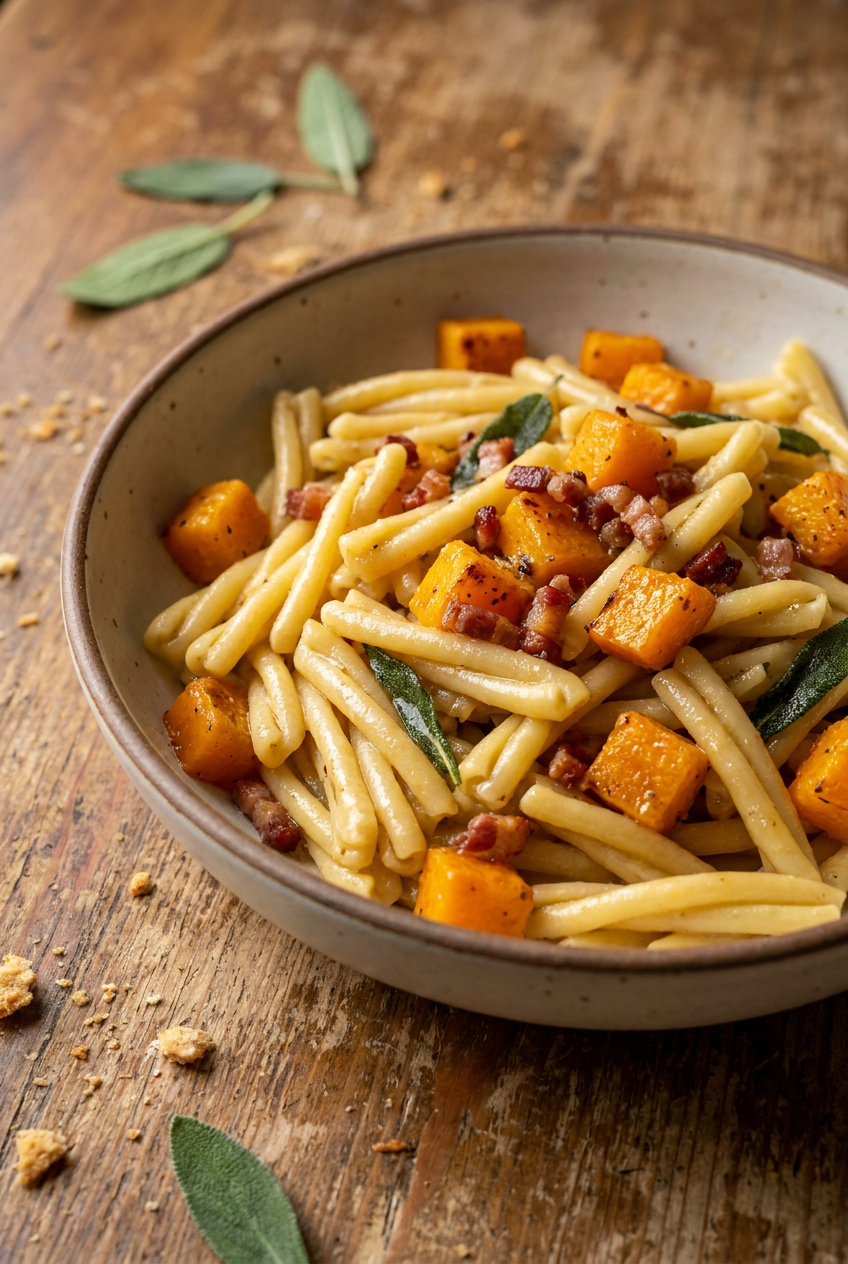
Table of Contents
- Casarecce with Roasted Butternut Squash, Sage Brown Butter, and Crispy Pancetta: Twists of casarecce pasta cradle caramelized butternut squash and crispy pancetta, all bathed in a nutty sage brown butter that is pure autumn comfort.
- Why You Will Love This Casarecce with Roasted Butternut Squash, Sage Brown Butter, and Crispy Pancetta Recipe
- Your Simple Ingredients for the Perfect Casarecce with Roasted Butternut Squash, Sage Brown Butter, and Crispy Pancetta
- How to Make Perfect Casarecce with Roasted Butternut Squash, Sage Brown Butter, and Crispy Pancetta
- Pro Tips and Easy Variations for Your Casarecce with Roasted Butternut Squash, Sage Brown Butter, and Crispy Pancetta
- Serving Suggestions
- Nutrition Information
- Storage and Make-Ahead Instructions
- Your Casarecce with Roasted Butternut Squash, Sage Brown Butter, and Crispy Pancetta Questions Answered
- More Incredible Italian Recipes to Try
- The Story Behind This Recipe
- Pin This Recipe for Later
Casarecce with Roasted Butternut Squash, Sage Brown Butter, and Crispy Pancetta: Twists of casarecce pasta cradle caramelized butternut squash and crispy pancetta, all bathed in a nutty sage brown butter that is pure autumn comfort.
The first time I made this casarecce with roasted butternut squash, sage brown butter, and crispy pancetta recipe, it was a chilly October evening and I had just returned from the farmers market with a knobby butternut squash that felt heavy with promise. I remember standing in my kitchen, the windows fogging slightly from the pot of salted water heating on the stove, and thinking about how certain dishes capture a season so completely that eating them feels like pulling on your favorite wool sweater. This is that dish for me. The way the casarecce twists hold onto every bit of nutty brown butter, the way the roasted squash collapses into creamy sweetness against the salty crunch of pancetta, and the way fried sage leaves shatter like delicate autumn glass between your teeth, it all comes together in a tangle of warmth and comfort that I have returned to dozens of times since that first evening. There is something deeply satisfying about a pasta that requires no heavy cream, no complicated sauce reduction, just good technique and patience with butter that is slowly transforming into gold.
What sets this particular version apart from other squash pasta recipes you might have tried is the attention to technique in three critical areas. First, we roast the butternut squash at a high temperature until the edges are deeply caramelized, which concentrates its natural sugars and creates little golden bits that taste almost like candied vegetables. Second, we start the pancetta in a cold skillet, a small but important step that allows the fat to render slowly and evenly, leaving you with shatteringly crisp morsels and a skillet full of flavorful rendered fat that becomes the foundation for the brown butter. Third, and most importantly, we build the brown butter in that same skillet, layering the porky depth of the pancetta drippings with the nutty, toasty notes of butter cooked just past its melting point. Toss it all together with starchy pasta water and good Parmigiano-Reggiano, and you get a sauce that is somehow both light and luxuriously rich, clinging to every ridged twist of casarecce. If you have ever tried making fluffy Japanese souffle pancakes, you know the kind of quiet kitchen focus this dish rewards, a patient attention to small details that adds up to something truly special.
This casarecce with roasted butternut squash, sage brown butter, and crispy pancetta recipe is exactly the kind of dinner you want when the air turns crisp and the sun sets earlier each day. It is perfect for a cozy weeknight when you have forty five minutes to spend in the kitchen, but elegant enough to serve at a small dinner party with friends gathered around the table. I have made it for quiet date nights at home, for Thanksgiving eve dinners when no one wants anything heavy before the big feast, and for solo meals with leftovers I genuinely looked forward to reheating the next day. It works because it balances richness with brightness, sweetness with salt, and soft textures with crunch. Whether you are an experienced home cook comfortable with browning butter or someone looking to expand your pasta repertoire beyond marinara, this recipe meets you where you are and guides you to a deeply rewarding plate of food.
Why You Will Love This Casarecce with Roasted Butternut Squash, Sage Brown Butter, and Crispy Pancetta Recipe
- A sauce that feels luxurious but uses no cream. The combination of brown butter, starchy pasta water, and Parmigiano-Reggiano creates a glossy emulsion that coats every piece of pasta beautifully. It tastes indulgent but lets the individual ingredients shine through without heaviness.
- Textural contrast in every bite. The tender pasta, creamy caramelized squash, and shatteringly crisp pancetta and sage leaves mean your mouth never gets bored. Each forkful has something soft, something crispy, and something chewy working together.
- Deeply seasonal but pantry-friendly. Beyond the butternut squash and fresh sage, most of the ingredients are staples you likely already have in your kitchen. This makes it an easy recipe to reach for when autumn produce is at its peak and you want dinner to feel special without a special trip to the store.
- One skillet builds the entire sauce. Starting with the pancetta fat, then browning butter in the same pan, means every layer of flavor is captured and transferred directly to the finished dish. Fewer dishes to wash and a more cohesive final flavor are two wins in my book.
- Impressive enough for guests, approachable enough for Tuesday. The finished plate looks stunning with crispy sage leaves scattered on top and a generous snowfall of Parmesan. People will think you fussed much more than you actually did, which is always my favorite kind of recipe to share.
- Adaptable to different dietary needs with simple swaps. You can leave out the pancetta entirely and build flavor with toasted nuts and smoked salt for a vegetarian version that is just as satisfying. The brown butter technique remains the star either way.
Your Simple Ingredients for the Perfect Casarecce with Roasted Butternut Squash, Sage Brown Butter, and Crispy Pancetta
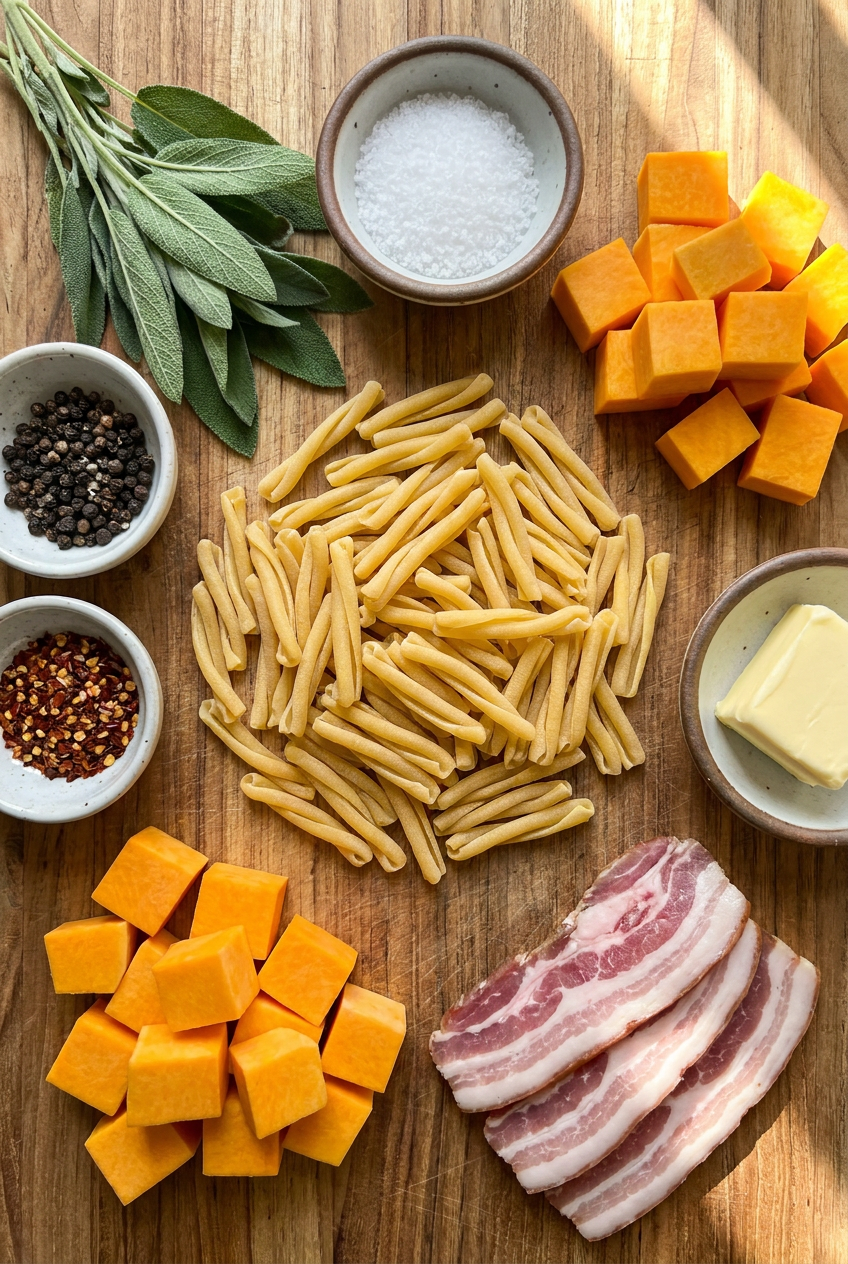
For the Roasted Squash
- 3 cups butternut squash, peeled and cut into 1/2-inch cubes (about 1 small squash)
- 1 tablespoon olive oil
- 1/2 teaspoon kosher salt
- 1/4 teaspoon freshly ground black pepper
For the Pasta and Sauce
- 1 pound dried casarecce pasta
- 4 ounces pancetta, diced small (can substitute thick-cut bacon)
- 6 tablespoons unsalted butter
- 12 to 15 fresh sage leaves, plus extra for garnish
- 2 cloves garlic, thinly sliced
- 1/4 teaspoon red pepper flakes (optional)
- 1/2 cup freshly grated Parmigiano-Reggiano, plus more for serving
- Salt and freshly ground black pepper, to taste
- Extra-virgin olive oil, for drizzling
Ingredient Notes
Butternut squash. This is the sweet, earthy heart of the dish. Look for a squash that feels heavy for its size with smooth, matte skin and no soft spots. The 1/2-inch cube size is important because it allows the squash to cook through and caramelize in the same window of time, cut smaller and they burn, larger and they stay firm in the center. If butternut is unavailable, delicata or acorn squash work beautifully and do not require peeling, though the flavor will be slightly less sweet and more vegetal.
Casarecce pasta. The name means “homemade” in Sicilian dialect, and these short twisted noodles with a groove running down the center are ideal for capturing chunky sauces. The ridges and curl trap little bits of squash, crispy pancetta, and the brown butter emulsion. If you cannot find casarecce, fusilli, rotini, or cavatelli are excellent substitutes because they share that sauce-catching texture. Avoid long, smooth pasta shapes like spaghetti or linguine, which will not hold the elements of the dish properly.
Pancetta. This Italian cured pork belly adds a salty, savory depth that balances the sweetness of the squash. Dicing it small ensures it renders fully and gets crispy rather than chewy. Look for pancetta at the deli counter, either sliced thick and diced at home or purchased already cubed. Thick-cut bacon is a fine substitute, though it will contribute a smokier flavor that some people love and others find distracting. If using bacon, choose a high-quality brand without excessive sugar in the cure.
Unsalted butter. Browning butter is a delicate process and using unsalted butter gives you complete control over the final seasoning of the dish. The butter should be cold from the refrigerator when you start, which allows it to melt and brown more evenly. European-style butters with higher butterfat content brown beautifully and contribute a richer flavor, but standard American butter works perfectly well.
Fresh sage leaves. There is no dried substitute here. Fresh sage leaves fried in brown butter become crisp, earthy, and intensely aromatic. They are entirely edible and not just a garnish, they taste like the essence of autumn itself. Look for leaves that are vibrant green with no black spots or wilting. Store them wrapped in a damp paper towel in the refrigerator until you are ready to use them.
Parmigiano-Reggiano. Please use the real thing, freshly grated from a wedge. The granular, crystalline texture of authentic Parmigiano-Reggiano melts into the pasta water and butter to create a smooth, savory sauce. Pre-grated cheese often contains anti-caking agents that prevent it from emulsifying properly and can leave your sauce grainy. The rind can also be saved and thrown into soups or stews for added depth.
How to Make Perfect Casarecce with Roasted Butternut Squash, Sage Brown Butter, and Crispy Pancetta
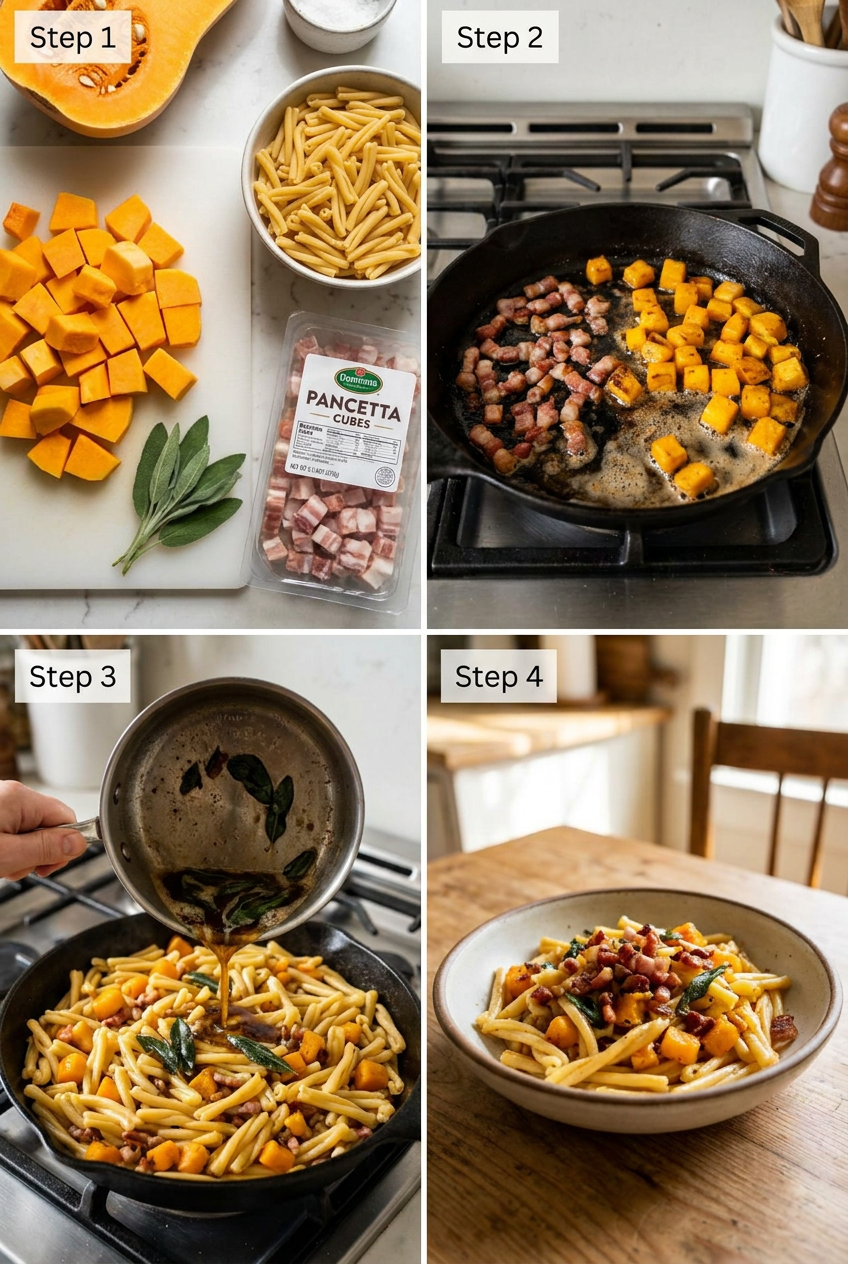
Phase 1: Roast the Squash
Step 1: Roast the Squash. Preheat your oven to 425°F (220°C). This high heat is essential for achieving those caramelized edges that make the squash taste deeply sweet and almost nutty. On a rimmed baking sheet, toss the cubed butternut squash with the olive oil, kosher salt, and freshly ground black pepper until every piece is evenly coated. Spread the squash into a single layer, making sure there is space between the cubes. If they are crowded, they will steam rather than roast. Place the pan in the oven and roast for 20 to 25 minutes, flipping the pieces halfway through with a spatula. You will know the squash is ready when the cubes are fork-tender and the edges have turned a deep golden brown. The smell at this point will be sweet and slightly toasty. A small tip here: line your baking sheet with parchment paper for easier cleanup, but do not use foil as the squash can stick and tear, leaving behind those precious caramelized bits.
Phase 2: Render the Pancetta and Build the Brown Butter Base
Step 2: Cook the Pancetta. While the squash roasts, place the diced pancetta in a large cold skillet. Do not preheat the pan, starting cold allows the fat to render slowly and evenly, resulting in uniformly crispy pancetta rather than pieces that are burnt outside and chewy inside. Set the skillet over medium heat and cook, stirring occasionally with a wooden spoon. As the pan heats, you will hear a gentle sizzle that grows steadier. After about 6 to 8 minutes, the pancetta will be deeply golden, the fat will have pooled in the pan, and the pieces will be crisp. Use a slotted spoon to transfer the pancetta to a paper towel lined plate, leaving every drop of rendered fat behind in the skillet. This fat is liquid gold and will form the base of your sauce.
Step 3: Make the Sage Brown Butter. With the skillet still over medium heat and the rendered fat shimmering inside, add the 6 tablespoons of unsalted butter. It will melt quickly and start to foam. Swirl the pan gently and continuously, watching closely. After 3 to 4 minutes, the foam will subside slightly, the milk solids at the bottom of the pan will turn from pale yellow to golden, and you will notice a rich, nutty aroma filling the kitchen. This is the exact moment brown butter happens. Immediately drop in the fresh sage leaves and sliced garlic. They will sizzle vigorously and the sage will crisp up within 30 to 60 seconds. Watch the garlic carefully, golden is perfect, but brown means bitter. Remove the skillet from the heat and use tongs or a fork to transfer the now crispy sage leaves to the plate with the pancetta. Leave the garlic in the butter. A critical tip here: the butter continues cooking even off heat from the residual warmth of the pan, so erring on the side of slightly underdone is safer than letting it go too far. If you smell even a hint of bitterness or see black specks, it has burned and you will need to start this step over with fresh butter.
Phase 3: Pasta and Assembly
Step 4: Cook the Pasta. While the brown butter comes together, bring a large pot of water to a rolling boil and salt it generously. The water should taste like the sea, as this is your primary opportunity to season the pasta itself. Cook the casarecce according to the package directions until al dente, which usually takes about 9 to 11 minutes depending on the brand. Before draining, dip a heatproof measuring cup into the pot and reserve at least 1 cup of the starchy pasta cooking water. This water is the secret to creating a glossy, emulsified sauce that clings to every twist of pasta. Drain the pasta but do not rinse it, you want the starch on the surface to help the sauce adhere.
Step 5: Combine and Serve. Return the skillet with the brown butter and garlic to low heat. Add the drained casarecce, the roasted butternut squash, and about half of the crispy pancetta. Toss everything together gently but thoroughly. As you toss, begin adding the reserved pasta water a few tablespoons at a time. You will see the sauce transform, becoming creamy and glossy as the starch, butter, and cheese emulsify. You will likely use about 1/2 to 3/4 cup total, but add just enough to create a sauce that lightly coats each noodle without pooling at the bottom. Remove the skillet from the heat entirely before folding in the freshly grated Parmigiano-Reggiano, this prevents the cheese from clumping or seizing. Season to taste with salt, black pepper, and red pepper flakes if you are using them. Serve immediately in warm bowls, topping each portion with the remaining crispy pancetta, the fried sage leaves, an extra generous grating of Parmesan, and a final drizzle of good extra-virgin olive oil. The contrast of colors at this stage is beautiful, golden squash, deep green sage, and creamy pasta against the white of the cheese.
Pro Tips and Easy Variations for Your Casarecce with Roasted Butternut Squash, Sage Brown Butter, and Crispy Pancetta
Pro Tips
- Infuse the butter from the start for deeper sage flavor. Add half of your sage leaves to the butter at the very beginning of the browning process, let them fry and infuse the fat as the butter cooks, then strain them out before adding the fresh sage at the end. This double sage technique layers flavor in a way that is subtle but unmistakable.
- Pre-roast the squash for weeknight efficiency. Roast a double batch of butternut squash earlier in the week and store it in an airtight container in the refrigerator. On a busy evening, this dish comes together in under twenty minutes since the longest step is already done.
- Toast your peppercorns before grinding. If you want an extra layer of warmth, briefly toast whole black peppercorns in a dry skillet until fragrant, then grind them fresh over the finished dish. The toasting brings out floral notes that complement the sage butter beautifully.
- Warm your serving bowls. This pasta cools quickly, and a cold bowl accelerates that process. Dip your serving bowls in the hot pasta water for a few seconds before draining the pasta, or warm them in a low oven. The dish stays at the perfect eating temperature longer.
- Grate cheese finely for the smoothest sauce. Use a microplane or the finest holes on your box grater. Finely grated Parmesan melts into the sauce almost instantly and distributes more evenly, while larger shreds can clump together and create stringy pockets.
- Reserve more pasta water than you think you need. It is far better to have extra and discard it than to run short while tossing the pasta. The starchy water is what transforms the brown butter from a fat into a creamy sauce, and you cannot replicate its effect with plain water.
Delicious Variations
- Vegetarian version with toasted nuts. Omit the pancetta and add 1/3 cup of toasted pine nuts or roughly chopped walnuts at the end for crunch. Replace the rendered pancetta fat by adding an extra tablespoon of butter. A pinch of smoked salt folded in at the finish mimics the savory depth the pork would have provided.
- Sweet potato swap. Substitute the butternut squash with an equal amount of peeled sweet potato cut into the same 1/2-inch cubes. The result is sweeter and earthier, with a slightly denser texture that roasts into almost candied edges, wonderful paired with the same brown butter sage sauce.
- Spicy sausage addition. Replace the pancetta with 4 ounces of crumbled spicy Italian sausage. Brown it in the skillet the same way, breaking it into small pieces as it cooks. The fennel and chili notes in the sausage add a completely different but equally delicious dimension.
- Lemon and hazelnut finish. Toss the finished pasta with the zest of one lemon and a handful of toasted, roughly chopped hazelnuts just before serving. The brightness of the citrus cuts through the richness, and the hazelnuts echo the nuttiness of the brown butter. This variation somehow tastes like the entire autumn season condensed into one bowl.
If you enjoy this kind of balanced, comfort-forward cooking, you might also love my Moroccan chicken tagine, another dish that transforms simple ingredients into something deeply warming and aromatic.
Serving Suggestions for a Perfect Dinner
This pasta is rich and deeply satisfying on its own, but a simple side salad cuts through the buttery sauce and refreshes the palate between bites. I love serving it with a handful of peppery arugula tossed in a bright lemon vinaigrette with shaved Parmesan and maybe a few toasted pine nuts. The acidity and slight bitterness of the greens provide the perfect counterpoint to the sweet squash and nutty brown butter. For drinks, a crisp Italian white wine like Vermentino has the minerality and acidity to stand up to the richness without overwhelming it. If you prefer red, a light-bodied Barbera with its high acidity and low tannins works beautifully, its cherry notes playing off the caramelized squash and salty pancetta.
This dish is built for autumn gatherings. It feels special enough for a Thanksgiving-adjacent dinner when you want seasonal flavors without the marathon cooking session. It scales easily for a crowd, simply double the ingredients and use two baking sheets for the squash so the cubes still roast rather than steam. For a complete meal that feels abundant but not excessive, serve it as the centerpiece with that arugula salad on the side and a simple dessert of poached pears or a scoop of vanilla gelato drizzled with honey. Set the table with warm candlelight and let everyone serve themselves from a large platter with the crispy sage leaves scattered dramatically across the top.
Nutrition Information
(Approximate per serving, 4 servings total) Calories: 620, Fat: 34g, Carbohydrates: 58g, Protein: 22g, Fiber: 5g, Sugar: 6g, Sodium: 680mg. Nutritional values are estimates only.
Storage and Make-Ahead Instructions
- Refrigerator: Store leftovers in an airtight container in the refrigerator for up to 4 days. The pasta will absorb some of the sauce as it sits, so expect a slightly softer texture when reheated. The crispy pancetta will lose its crunch, but the flavor remains wonderful.
- Freezer: You can freeze this dish in a freezer-safe container for up to 3 months. The pasta texture will soften upon thawing and reheating, but it is still perfectly enjoyable. For best results, freeze in individual portions so you can reheat only what you need.
- Reheating: The best method is in a skillet over medium-low heat with a splash of water and a small pat of butter. Toss gently until warmed through, the added moisture helps revive the sauce. If using a microwave, heat in short bursts with a splash of water, stirring halfway through, until steaming.
- Make-Ahead: The butternut squash can be roasted up to 3 days ahead and refrigerated. The pancetta can be cooked and stored separately at room temperature for a few hours before serving, or refrigerated and then re-crisped quickly in a dry skillet. The brown butter and sage are best made fresh just before serving to preserve the crisp texture of the sage leaves.
Your Casarecce with Roasted Butternut Squash, Sage Brown Butter, and Crispy Pancetta Questions Answered
Can I use a different pasta shape for this recipe?
Yes, any short, textured pasta like fusilli, rotini, or cavatelli works wonderfully because the ridges and curves catch the chunky sauce and bits of squash. Avoid long, smooth noodles like spaghetti or linguine, which will not hold the elements of the dish properly and will make eating the squash pieces awkward.
What do I do if my brown butter separates while tossing the pasta?
If the butter breaks and the sauce looks oily rather than creamy, do not panic. Add a generous splash of the reserved starchy pasta water and toss or whisk vigorously off the heat. The starch in the water will help re-emulsify the butter and cheese into a smooth, glossy sauce that clings to every noodle.
How do I know when the brown butter is done correctly?
You are looking for three signs: the foam subsides slightly, the milk solids at the bottom of the pan turn a warm golden brown, and a rich, nutty aroma fills the kitchen. As soon as you see brown specks and smell that toasty scent, remove the pan from the heat. Brown butter can go from perfect to burnt in seconds, so err on the side of removing it early.
Can I make this recipe dairy-free?
Yes, you can use a high-quality vegan butter for browning and a nut-based Parmesan alternative. The brown butter flavor is unique to dairy butter, but a good plant-based butter will still give you that nutty depth. Look for one with a high fat content that browns well, and taste as you go to adjust seasoning.
My squash turned out soft and not caramelized. What went wrong?
This usually happens for one of two reasons: the oven temperature was too low, or the squash cubes were crowded on the baking sheet. Make sure your oven is fully preheated to 425°F and spread the cubes in a single layer with space between them. Overcrowding traps steam and prevents browning, so use two pans if necessary.
Can I prepare the entire dish ahead of time?
This dish is best served immediately after tossing because the pasta continues to absorb the sauce and the sage leaves lose their crispness over time. However, you can roast the squash and cook the pancetta in advance. When ready to eat, make the brown butter fresh, boil the pasta, and assemble everything quickly for the best texture and flavor.
What is the best substitute for pancetta?
Thick-cut bacon is the most accessible substitute. Look for a high-quality brand that is not overly sweet from added sugar in the cure. Guanciale, cured pork jowl, is a more traditional Italian option that renders into incredibly rich, flavorful fat. Both work beautifully, though bacon will add a smokier note.
Do I really need to save the pasta water?
Absolutely, this is not a step to skip. The starchy pasta water is the key ingredient that transforms the brown butter and cheese into a creamy, emulsified sauce. Plain water will not have the same effect. Reserve at least a full cup, and add it gradually while tossing until the sauce reaches the consistency you want.
How can I scale this recipe for a larger group?
To double the recipe, use two baking sheets for the squash so the cubes roast and caramelize properly rather than steaming. Cook the pancetta in batches to avoid crowding the skillet, which would cause steaming instead of crisping. The brown butter can be made in the same skillet, but you may need to work in batches or use a larger pan. Toss the pasta in a large warm bowl to accommodate the volume.
What do I do if I burn the garlic in the brown butter?
Unfortunately, burned garlic cannot be saved and will make the entire dish taste acrid and bitter. If your garlic slices turn dark brown or black, it is best to strain out the butter, discard the garlic, and start that portion over with fresh butter and new garlic. The good news is that this step happens quickly, so the fix does not add much time.
More Incredible Italian Recipes to Try
If the combination of caramelized vegetables, savory pork, and perfectly cooked pasta speaks to your soul, there are a few other Italian dinner recipes you should absolutely have in your rotation. A classic Moroccan chicken tagine might seem like a departure, but it shares the same philosophy of layering warm spices with tender protein and sweet vegetables until everything melts into something deeply comforting. It is the kind of slow-cooked dish that fills your kitchen with an aroma that makes people wander in and ask what is for dinner.
For mornings when you want to carry that same sense of seasonal comfort into breakfast, I often turn to blueberry lemon ricotta pancakes. They are light and fluffy with a tangy richness from the ricotta that reminds me of the way the brown butter in this pasta adds depth without weight. And if you are in the mood for another pasta that feels like a special occasion but comes together on a weeknight, a simple aglio e olio with good olive oil, garlic, and a pinch of chili flakes is always a beautiful thing. These are the recipes that teach you how much flavor lives in simple ingredients handled with care.
The Story Behind This Casarecce with Roasted Butternut Squash, Sage Brown Butter, and Crispy Pancetta
This dish is rooted in the Italian tradition of cooking with the seasons, where pasta serves as the canvas for whatever the garden or market is offering at its peak. Brown butter and sage, known in Italian as “burro fuso e salvia,” is a classic sauce from Northern Italy that has historically been paired with delicate filled pastas like ravioli or gnocchi. The combination of nutty browned butter and earthy sage has been a cornerstone of Italian home cooking for generations, appearing on trattoria menus in Lombardy and beyond when the weather turns cool. The addition of roasted winter squash and crispy pancetta takes that traditional sauce and gives it a heartier, more rustic character, reflecting the way home cooks have always adapted classic techniques to what is available and abundant.
I first fell in love with the burro e salvia combination on a trip to Italy years ago, where I watched a cook in a small osteria swirl butter in a copper pan until it smelled like toasted hazelnuts, toss in fresh sage leaves that crackled and crisped on contact, and then coat delicate ravioli in the fragrant sauce with a few swift flips of the pan. I came home wanting to recreate that moment, but with a shape and substance that could stand as a full meal on its own. Adding roasted squash and pancetta was my way of making that elegant, minimalist sauce feel like a complete and comforting dinner. Every time I make this now, I am transported back to that tiny osteria kitchen, watching butter transform into something magical.
Pin This Casarecce with Roasted Butternut Squash, Sage Brown Butter, and Crispy Pancetta Recipe for Later
Love this recipe? Save it to your favorite Pinterest board so you can find it again easily. Share it with friends and family who would enjoy making it too.
I truly hope this casarecce with roasted butternut squash, sage brown butter, and crispy pancetta recipe becomes a favorite in your kitchen, one of those dishes you pull out every autumn when the squash is piled high at the market and the evenings are cool enough to crave something warm and substantial. Let me know in the comments how it turned out for you, whether you stuck with the pancetta or tried the vegetarian version with toasted nuts. I love hearing about the small adjustments and personal touches that make a recipe feel like your own.
Casarecce with Roasted Butternut Squash, Sage Brown Butter, and Crispy Pancetta
Ingredients
Method
- Preheat oven to 425°F (220°C). Toss the cubed butternut squash with olive oil, salt, and pepper on a rimmed baking sheet. Spread in a single layer and roast for 20-25 minutes, flipping halfway, until tender and caramelized on the edges.
- While squash roasts, place the diced pancetta in a large cold skillet. Set over medium heat and cook, stirring occasionally, until the fat renders and the pancetta is crisp and reaches an internal temperature of 145°F (63°C), about 6-8 minutes. Use a slotted spoon to transfer pancetta to a paper towel-lined plate, leaving the rendered fat in the skillet.
- Add the butter to the same skillet with the rendered fat. Cook over medium heat, swirling often, until the butter foams, turns golden, and gives off a nutty aroma, 3-4 minutes. Immediately drop in the sage leaves and sliced garlic. Fry for 30-60 seconds until the sage is crisp and garlic is golden, then remove from heat. Transfer the crisp sage leaves to a plate with the pancetta.
- Bring a large pot of generously salted water to a boil. Cook the casarecce according to package directions until al dente. Reserve 1 cup of pasta cooking water, then drain.
- Return the skillet with the brown butter (garlic still inside) to low heat. Add the drained pasta, roasted squash, and half the crispy pancetta. Toss well, adding splashes of reserved pasta water to create a glossy, creamy sauce that clings to the noodles. Remove from heat, fold in the grated Parmigiano-Reggiano, and season with salt, pepper, and red pepper flakes if using. Serve immediately, topped with remaining pancetta, the crisp sage leaves, extra Parmesan, and a drizzle of olive oil.
Disclosure: This post may contain affiliate links. If you purchase through our links we may earn a small commission at no extra cost to you.
If you made this Casarecce with Roasted Butternut Squash, Sage Brown Butter, and Crispy Pancetta, please leave a comment below and let me know how it turned out.