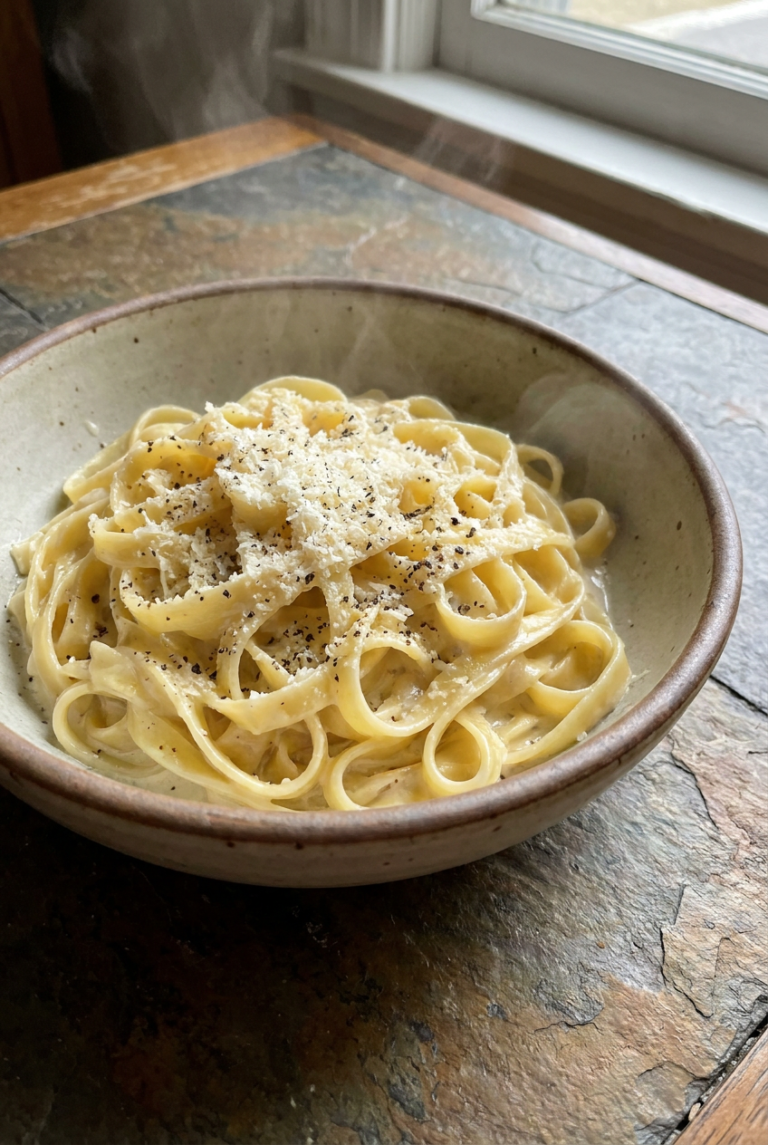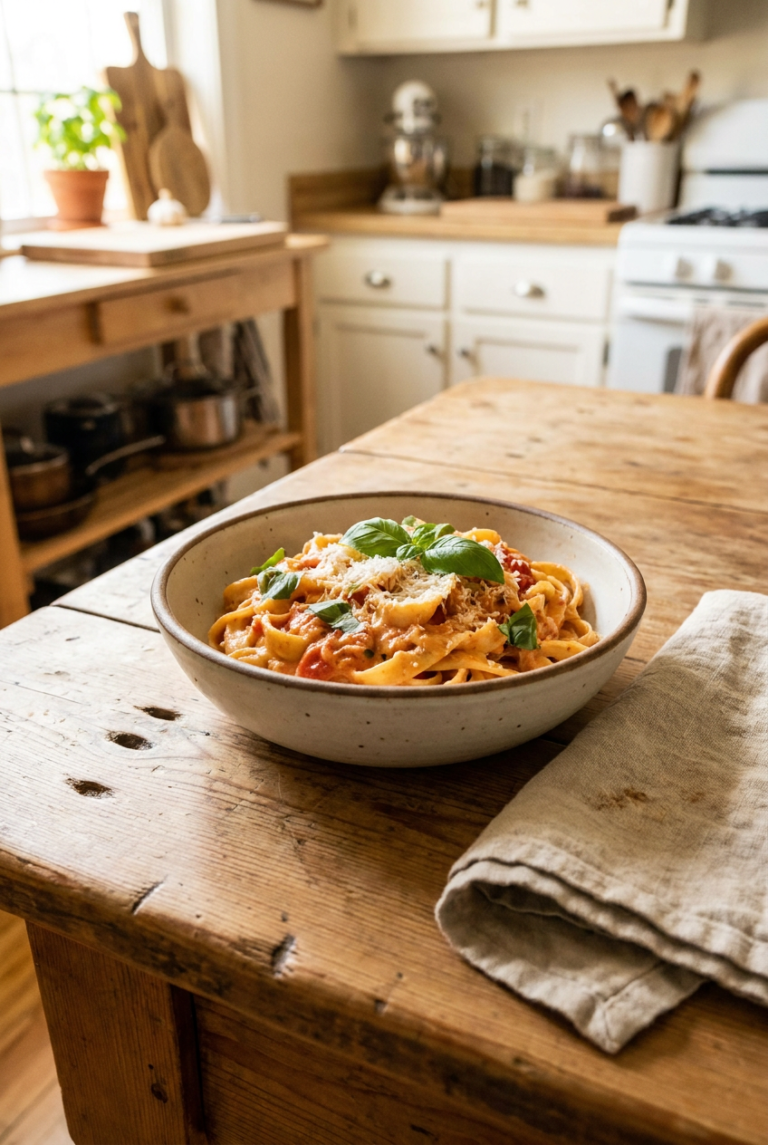
Tagliatelle al Ragù (Classic Bolognese) Recipe, Easy Italian Dinner in 2 Hours
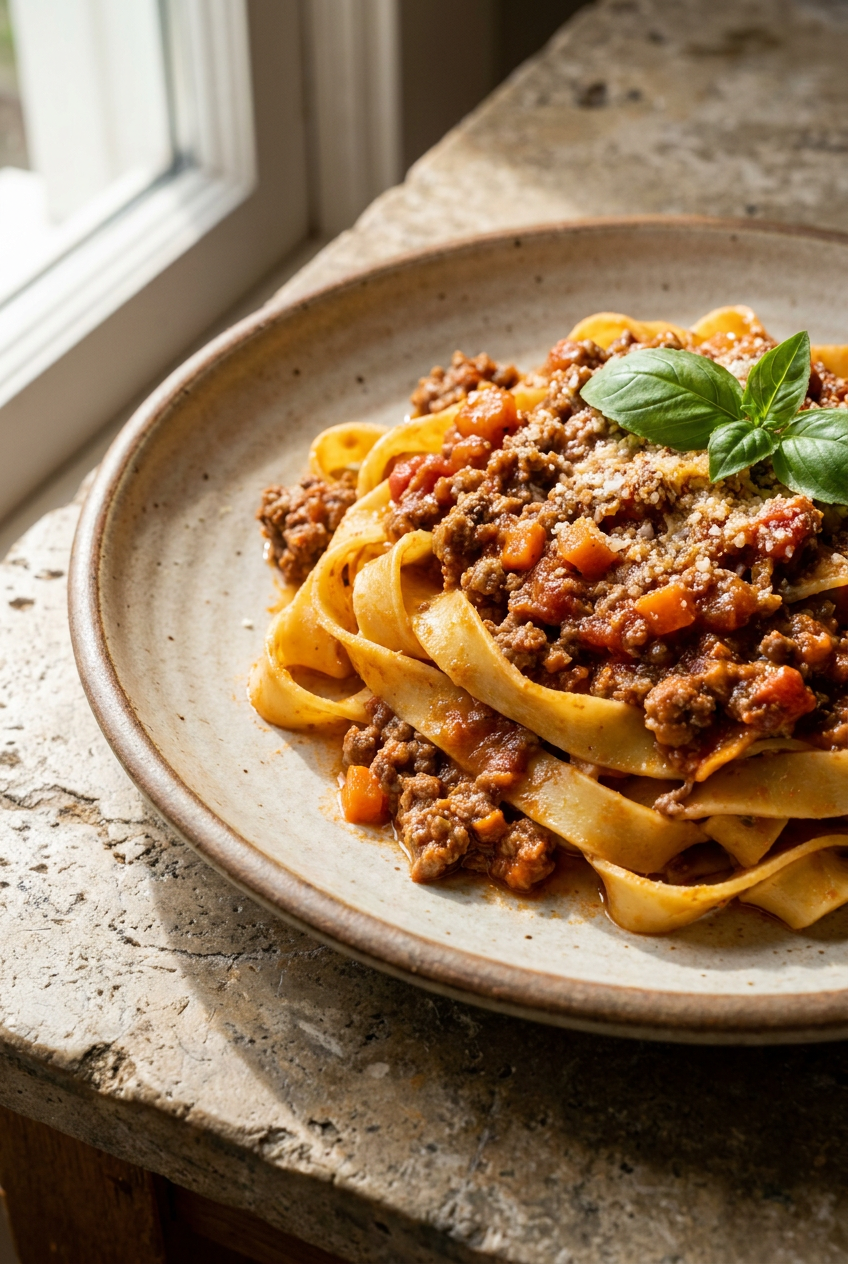
Table of Contents
- Tagliatelle al Ragù (Classic Bolognese): Silky ribbons of fresh tagliatelle tossed in a rich, slow-simmered meat ragù, the soul of Italian comfort food.
- Why You Will Love This Tagliatelle al Ragù (Classic Bolognese) Recipe
- Your Simple Ingredients for the Perfect Ragù
- How to Make the Best Tagliatelle and Ragù from Scratch
- Pro Tips and Easy Variations for Your Homemade Bolognese
- Serving Suggestions for a Perfect Dinner
- Nutrition Information
- Storage and Make-Ahead Instructions
- Your Classic Bolognese and Tagliatelle Questions Answered
- More Incredible Italian Recipes to Try
- The Story Behind This Classic Bolognese Ragù
- Pin This Classic Bolognese Recipe for Later
Tagliatelle al Ragù (Classic Bolognese): Silky ribbons of fresh tagliatelle tossed in a rich, slow-simmered meat ragù, the soul of Italian comfort food.
This tagliatelle al ragù (classic bolognese) recipe is the one I turn to when I need a hug on a plate. I remember standing beside my nonna in her tiny apartment kitchen, the windows steaming up as she stirred a pot of ragù that had been gently bubbling since the early afternoon. The intoxicating scent of slowly cooked soffritto mingled with red wine and tomatoes filled every corner of the house. That long, patient simmer transformed a handful of humble ingredients into something truly magical. It was never a quick weekday sauce; it was a Sunday ritual, a reason for the whole family to gather around the table. When those wide, silky ribbons of tagliatelle meet that velvety meat sauce, you understand why this dish is the soul of Italian comfort food.
You will find countless versions of Bolognese out there, but what sets this easy Tagliatelle al Ragù (Classic Bolognese) apart is the respect for the slow process. Many rush the soffritto or skip the milk, which I believe are non-negotiable secrets. The soffritto must cook gently until sweet and translucent, never browned, otherwise it introduces bitterness. The milk, added toward the end of simmering, tenderizes the meat and rounds out the acidity of the tomatoes. This recipe does not rely on a pantry full of dried herbs; it depends on time and technique. The result is a thick, rich ragù that clings beautifully to every strand of pasta. A homemade Tagliatelle al Ragù (Classic Bolognese) from scratch might sound like a project, but I promise you, most of the work is hands-off simmering. The reward is a depth of flavor you simply cannot get from a jar.
This is the perfect Italian Dinner recipe for anyone who craves a deeply satisfying meal. It is ideal for a lazy Sunday supper when you can let the sauce bubble away while you read a book or catch up with loved ones. The prep is straightforward, and the aromas that fill your kitchen will make the wait feel like pure anticipation. If you enjoy dishes that feel like an event, much like the first time I made fluffy Japanese souffle pancakes, you will love the sense of accomplishment this recipe brings. It is also wonderful for a dinner party because the ragù tastes even better the next day, so you can do all the hard work ahead. Serve it with a glass of Chianti and a simple salad, and you have a meal that makes everyone linger at the table.
Why You Will Love This Tagliatelle al Ragù (Classic Bolognese) Recipe
- Deeply comforting and nostalgic. Every bite carries the warmth of a slow-cooked meal made with love. The taste is reminiscent of family gatherings and cozy kitchens, making it the perfect edible memory.
- Unbelievably rich and silky texture. The combination of gentle simmering, a splash of milk, and starchy pasta water creates a sauce that coats the tagliatelle in a velvety embrace. It never feels heavy or greasy, just perfectly balanced.
- Surprisingly simple to make. While the cooking time is generous, the active effort is minimal. You mostly stir occasionally and let the stove do its work, which means you can enjoy your day while dinner practically makes itself.
- Uses everyday ingredients in a special way. You will find everything you need at a standard grocery store: carrots, celery, onion, ground meat, canned tomatoes, and milk. The magic is how you treat them, not exotic grocery trips.
- Infinitely better the next day. This is the best Tagliatelle al Ragù (Classic Bolognese) recipe for meal prep because the flavors meld and intensify overnight. You can cook the sauce on Sunday and serve it on Monday, and it will taste even more incredible.
- A complete celebration in a bowl. It needs very little alongside it to feel like a feast. A dusting of real Parmigiano-Reggiano and maybe a few basil leaves turn a plate of pasta into a restaurant-worthy experience right at home.
Your Simple Ingredients for the Perfect Ragù
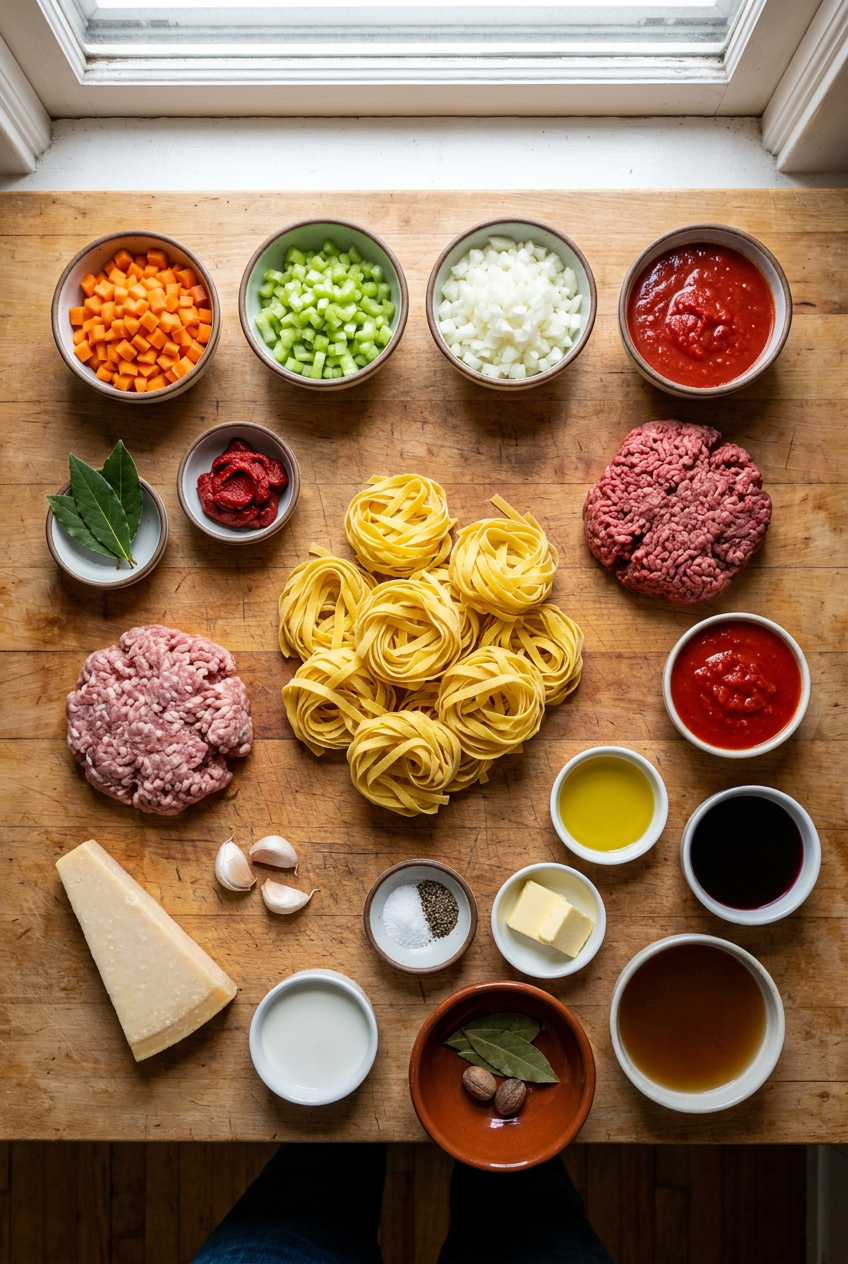
For the Ragù
- 2 tbsp extra virgin olive oil
- 1 medium onion, finely chopped
- 2 medium carrots, finely diced (about 1 cup)
- 2 celery stalks, finely diced (about 1/2 cup)
- 2 cloves garlic, minced
- 8 oz ground beef (225g)
- 8 oz ground pork (225g)
- 3 tbsp tomato paste
- 1 cup dry red wine, such as Chianti
- 1 can (15 oz) crushed tomatoes
- 1 cup beef broth (240ml)
- 1/2 cup whole milk (120ml)
- to taste sea salt and freshly ground black pepper
For the Pasta
- 400g tagliatelle pasta, dried, or 500g fresh
To Serve
- 1/2 cup Parmigiano-Reggiano, freshly grated
- a handful fresh basil leaves, optional
Ingredient Notes
Onion, carrots, and celery (soffritto). This trio is the aromatic foundation of countless Italian dishes. When cooked low and slow in olive oil, they release their natural sugars and create a sweet, savory base that supports the entire sauce. Look for firm carrots and celery without any limpness. Do not substitute with onion powder or dried vegetables; the fresh moisture and texture are essential.
Ground beef and ground pork. Using a blend of the two meats is the secret to a ragù with both robust flavor and a tender, juicy texture. The beef brings deep savory notes, while the pork adds natural fat and a slight sweetness that prevents dryness. Choose ground meat with at least 20% fat for the best results. If you can only find lean meat, you may want to add a small knob of unsalted butter during the meat browning step to compensate.
Dry red wine. A bold wine like Chianti or Sangiovese adds acidity, depth, and a fruity backbone that lifts the richness of the meat. The alcohol cooks off completely, leaving behind concentrated grape flavors. Do not use cooking wine; the flavor is harsh and salty. Instead, pick a bottle you would happily drink, and pour yourself a glass for later.
Whole milk. This might be the most gentle ingredient in the pot, yet it makes a noticeable difference. Adding milk at the end of simmering softens the meat proteins and mellows the tomato acidity, resulting in a luscious, almost creamy sauce. Whole milk works best; lower fat varieties can curdle when heated for a long time. If you have no milk, a splash of heavy cream works as a substitute, but reduce the amount to a few tablespoons to avoid masking the other flavors.
Tagliatelle. The wide, flat ribbons of this egg pasta are the classic pairing for a meaty ragù because they capture and cradle the sauce beautifully. Fresh tagliatelle cooks in just a few minutes and has a silky, delicate chew. Dried tagliatelle is a perfectly fine substitute, offering a firmer bite. In a pinch, pappardelle or fettuccine can step in.
Parmigiano-Reggiano. This is not just a garnish; it is a salty, nutty finish that completes the dish. Always buy a block and grate it yourself right before serving. Pre-grated cheeses often contain anti-caking agents and lack the fresh, complex flavor that melts so gracefully into the hot pasta.
How to Make the Best Tagliatelle and Ragù from Scratch
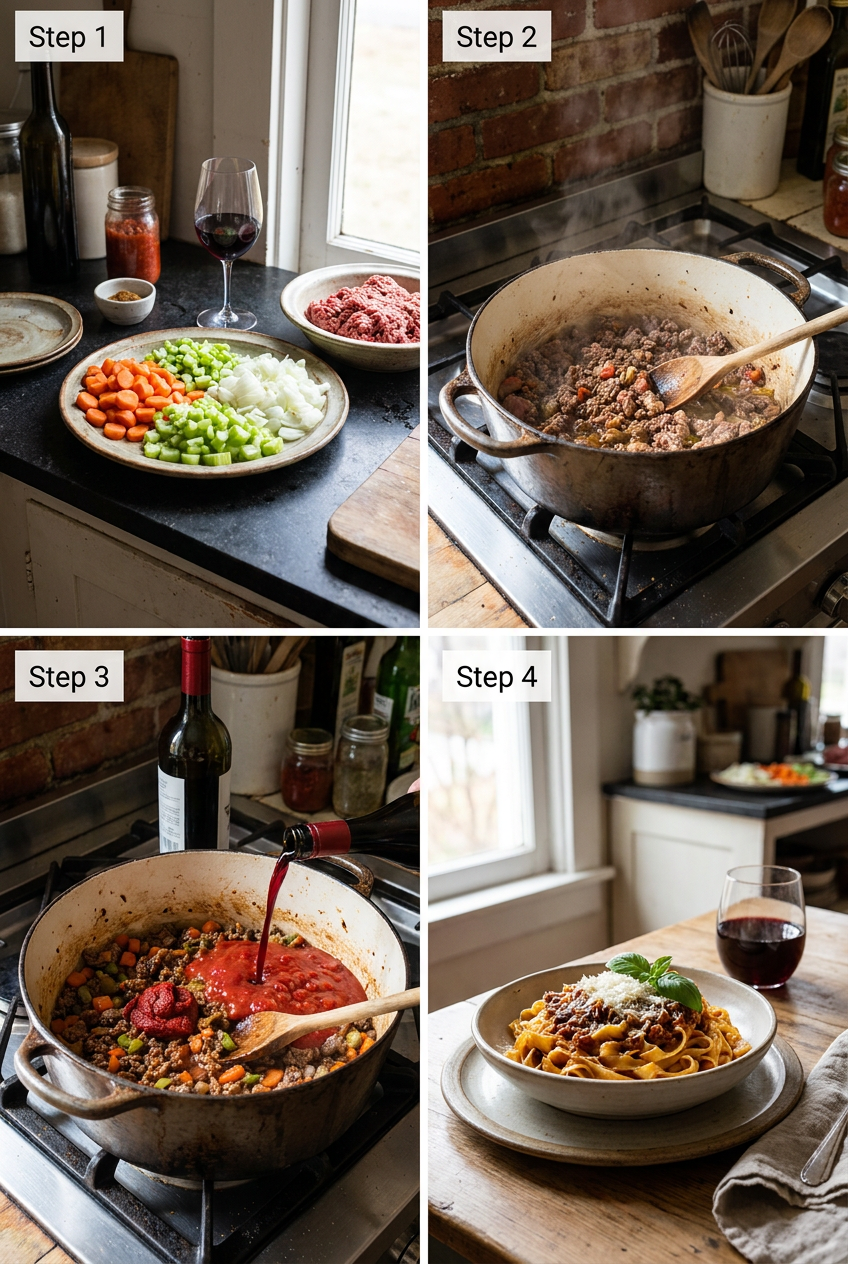
Phase 1: Building the Flavor Base
Step 1: Prepare the soffritto. Warm the olive oil in a large heavy-bottomed skillet or Dutch oven over medium-low heat. Add the finely chopped onion, diced carrots, and diced celery with a small pinch of salt. Cook very gently, stirring every now and then, for about 10 minutes. You are looking for the vegetables to turn soft and translucent without taking on any golden color. The kitchen should smell sweet and inviting, not toasty. If you hear a sizzle or see any browning, lower the heat immediately. This slow start is the quiet hero of the sauce.
Step 2: Brown the meat thoroughly. Raise the heat to medium and crumble the ground beef and ground pork into the pot. Use a wooden spoon to break up the meat into small, even crumbles. Cook for around 8 minutes, stirring occasionally, until every piece has lost its pink color and the meat starts to stick slightly to the bottom of the pan. That light sticking is good; it means a flavorful fond is forming. For food safety, use a meat thermometer to check that the center of the meat reaches 160°F (71°C). If an excessive amount of fat pools in the pan, spoon off all but a tablespoon or two to avoid a greasy sauce.
Phase 2: Layering the Sauce
Step 3: Deglaze and enrich with tomato paste and wine. Push the browned meat to the edges of the pan, making a little well in the center. Add the minced garlic directly onto that hot surface and cook for 1 minute until it becomes intensely fragrant but not brown. Add the tomato paste and stir it into the meat and garlic, letting it caramelize slightly for 2 minutes; it will darken to a deep brick red and smell rich. Pour in the red wine and immediately start scraping the bottom of the pan with your spoon to release all those stuck-on browned bits. Let the wine bubble and reduce until it has nearly halved in volume and the sharp alcohol scent has mellowed, about 3 minutes. The whole kitchen will smell incredible at this point.
Step 4: Simmer the ragù low and slow. Pour in the crushed tomatoes, beef broth, and whole milk. Stir everything together until it’s evenly combined. Bring the sauce to a very gentle simmer, then immediately turn the heat down to the lowest setting. Partially cover the pot with a lid, leaving a small gap for steam to escape. Allow the ragù to cook for at least 1 hour, though 1.5 to 2 hours is even better. Stir it every 15 to 20 minutes, scraping the bottom to prevent sticking. The sauce is ready when it is thick enough that a spoon dragged through leaves a trail that slowly fills in, and the fat on the surface is glossy and separate. Taste it at this stage and add sea salt and freshly ground black pepper to your liking. I usually add about 1 teaspoon of salt and a generous grind of pepper, but adjust gradually.
Much like the slow braise of a Moroccan chicken tagine, this low and steady simmer gives the ragù its deeply layered character. If at any point the sauce seems to be drying out before it is fully tender, add a few splashes of water or broth. The goal is a concentrated, not a thin, sauce.
Phase 3: Finishing the Dish
Step 5: Cook the tagliatelle perfectly. When your ragù is almost finished, bring a large pot of water to a rolling boil. Salt it generously; I use about 1 tablespoon of coarse salt per 5 quarts of water. The water should taste pleasantly salty like the sea. Add the tagliatelle and cook according to package directions until al dente. Fresh pasta will take 2 to 3 minutes, dried about 8 to 10. Before you drain the pasta, scoop out a coffee mug of the starchy pasta cooking water and set it aside.
Step 6: Toss and serve immediately. Drain the pasta quickly and transfer it directly into the pot of ragù while both are still hot. Place the pot over low heat and use tongs to gently toss the tagliatelle with the sauce. If the mixture looks a bit too thick or the sauce isn’t clinging well, splash in a few tablespoons of that reserved pasta water. The starch in the water emulsifies with the fats and creates a silky, restaurant-quality coating on every ribbon. Divide the pasta among warm bowls, top with a generous snowfall of freshly grated Parmigiano-Reggiano, and tuck in a few basil leaves if you like. Eating it right away while the tagliatelle are at their most tender is one of life’s purest joys.
Pro Tips and Easy Variations for Your Homemade Bolognese
Pro Tips
- Give your soffritto the time it deserves. Rushing the vegetables over high heat makes them brown and bitter rather than sweet and melting. Cook them so slowly you barely hear a sizzle, and you will taste the difference in the final sauce.
- Create a fond for deeper flavor. When browning the meat, do not stir it constantly. Let it sit in the pan for a minute or two between stirs so it develops a lightly caramelized crust on the bottom. Those browned bits will lift up with the wine and infuse the ragù with savory complexity.
- Invest in a heavy pot. A Dutch oven or thick-bottomed skillet distributes heat evenly and prevents hot spots that can burn your sauce during the long simmer. It is one piece of equipment that makes caring for your ragù so much easier.
- Always finish the pasta in the sauce. This is the Italian way and the only way to ensure the tagliatelle is fully dressed. The gentle heat allows the pasta to absorb the sauce while the starchy water binds everything into a cohesive, glossy dish.
- Salt the pasta water liberally. This is your only chance to season the pasta itself from the inside out. Bland pasta will dull the entire bowl, no matter how tasty the ragù. Taste the water; it should remind you of the ocean, not just a pinch of salt.
Delicious Variations
- Traditional three-meat blend. Replace half of the pork with ground veal for a classic combination of beef, pork, and veal that yields an even more tender and nuanced ragù. Cook it exactly the same way, and expect an even softer texture.
- Hearty mushroom and lentil vegetarian version. Swap the meats for 2 cups of finely chopped cremini mushrooms and 1 cup of cooked brown lentils. Sauté the mushrooms until they release their moisture and begin to brown, then proceed with the recipe, adding the lentils alongside the tomatoes. A pinch of red pepper flakes adds a gentle warmth.
- Spicy arrabbiata twist. If you crave a little heat, add half a teaspoon of red pepper flakes with the garlic. This gives the sauce a subtle kick that balances the richness without overwhelming the classic flavors.
- White Bolognese (ragù bianco). Omit the crushed tomatoes and tomato paste entirely. Double the beef broth and add a sprig of fresh rosemary and a bay leaf during simmering. The result is a pale, intensely meaty sauce that is elegant and wonderful over wide noodles.
- Extra creamy finish. Stir in an additional 2 tablespoons of heavy cream or a knob of butter just before tossing with the pasta for an even more indulgent mouthfeel. This is perfect for a special occasion when you want to spoil yourself.
These small tweaks keep the recipe feeling fresh, though the classic version always has a place at the table. If you enjoy experimenting with comforting breakfasts as much as savory dinners, you might find a new favorite in our blueberry lemon ricotta pancakes for a bright start to a lazy weekend.
Serving Suggestions for a Perfect Dinner
When I set the table for this tagliatelle al ragù, I keep the sides simple and let the pasta take the spotlight. A crisp arugula salad dressed with nothing more than a squeeze of fresh lemon juice, a drizzle of good extra virgin olive oil, and a few shavings of Parmigiano-Reggiano is all you need. The peppery greens cut through the richness of the sauce and lighten each bite. For drinks, a glass of Chianti Classico is the natural partner; the same wine used in the ragù echoes the deep tomato and herb notes while its acidity keeps your palate clean. If you prefer something non-alcoholic, sparkling water with a wedge of lemon works beautifully.
This Italian Dinner recipe is made for moments when you want to gather people around your table without spending the entire evening in the kitchen. It scales up easily for a crowd; simply double the ragù ingredients and use a larger pot. You can have the sauce made a day ahead, then simply cook fresh tagliatelle and reheat the ragù when guests arrive. Present the pasta in a large warmed serving bowl and pass a block of Parmigiano-Reggiano with a grater so everyone can add as much as they like. The sight and smell alone will make everyone feel welcomed and well-fed. It is also a lovely dish for a romantic dinner at home, where you can enjoy the slow pleasure of homemade pasta and a glass of red wine together.
Nutrition Information
(Approximate per serving, 4 servings total) Calories: 620, Fat: 24g, Carbohydrates: 60g, Protein: 32g, Fiber: 5g, Sugar: 9g, Sodium: 750mg. Nutritional values are estimates only.
Storage and Make-Ahead Instructions
- Refrigerator: Store the ragù and pasta either together or, ideally, separately in airtight containers. If combined, the pasta will absorb some sauce and soften slightly, but it remains delicious for up to 4 days. For the best texture, keep the sauce in one container and the cooked pasta in another, tossing them together only when reheating.
- Freezer: The ragù freezes beautifully for up to 3 months. Let it cool completely, then transfer it to a freezer-safe container or heavy-duty freezer bag, removing as much air as possible. Thaw overnight in the refrigerator before reheating. Freshly cooked tagliatelle does not freeze well, so it
Tagliatelle al Ragù (Classic Bolognese)
tagliatelle al ragù (classic bolognese) recipe made easy at home. Silky ribbons of fresh tagliatelle tossed in a rich, slow-simmered meat ragù, the soul of ItIngredients
Method
- In a large heavy-bottomed skillet or Dutch oven, heat the olive oil over medium-low heat. Add the onion, carrots, and celery with a pinch of salt. Cook gently, stirring occasionally, until the vegetables are soft and translucent, about 10 minutes. Do not brown them.
- Increase the heat to medium. Add the ground beef and pork. Break up the meat with a wooden spoon and cook until evenly browned and no longer pink, ensuring it reaches an internal temperature of 160°F (71°C) for food safety (use a meat thermometer to check), about 8 minutes. Drain off excess fat if desired, but leave a little for richness.
- Push the meat to the sides, add the garlic to the center, and cook for 1 minute until fragrant. Stir in the tomato paste and cook for 2 minutes. Pour in the red wine, scraping up any browned bits. Simmer until the wine has reduced by half, about 3 minutes.
- Add the crushed tomatoes, beef broth, and milk. Stir well and bring to a gentle simmer. Reduce the heat to low, partially cover, and cook for at least 1 hour (or up to 2), stirring occasionally, until the sauce is thick and the flavors melded. Season with salt and pepper to taste.
- When the ragù is almost done, bring a large pot of generously salted water to a boil. Cook the tagliatelle according to package instructions until al dente. Reserve 1 cup of the pasta cooking water, then drain.
- Add the drained tagliatelle to the ragù, tossing gently over low heat. If the sauce seems too thick, add a splash of reserved pasta water to reach a silky consistency. Serve immediately in warm bowls, topped with Parmigiano-Reggiano and fresh basil.
Disclosure: This post may contain affiliate links. If you purchase through our links we may earn a small commission at no extra cost to you.
If you made this Tagliatelle al Ragù (Classic Bolognese), please leave a comment below and let me know how it turned out.