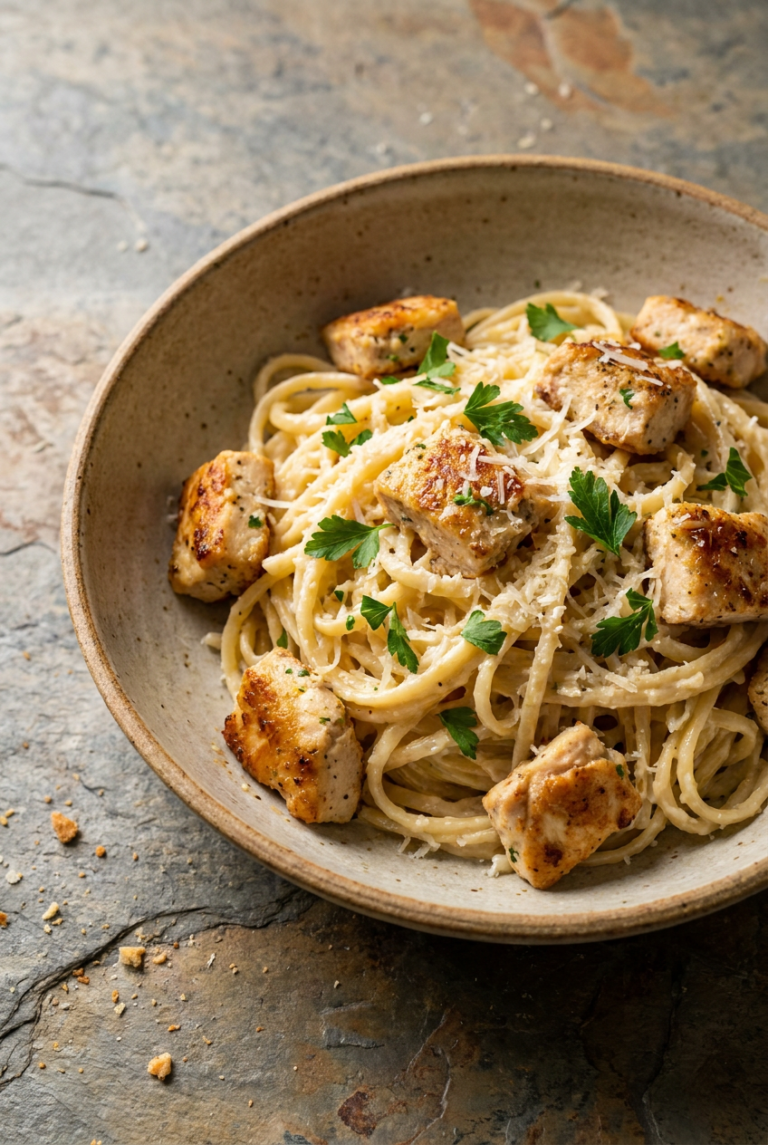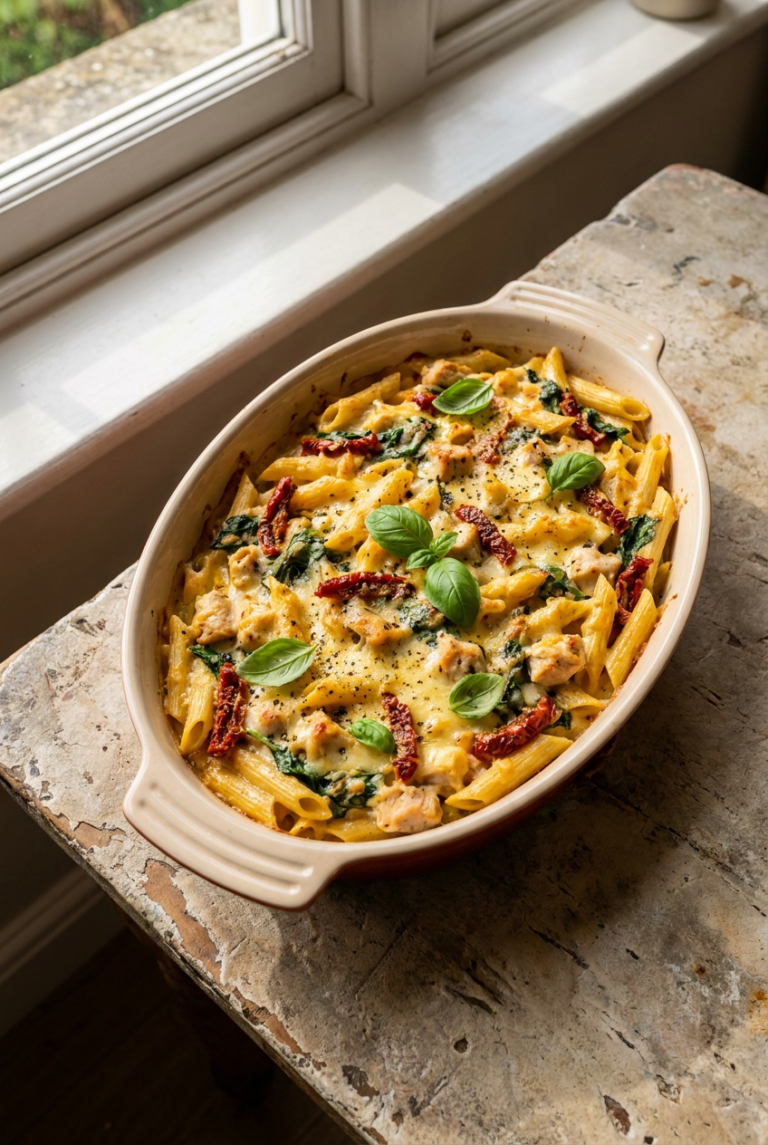
Classic Fettuccine Alfredo Recipe, Easy Italian Dinner in 30 Minutes
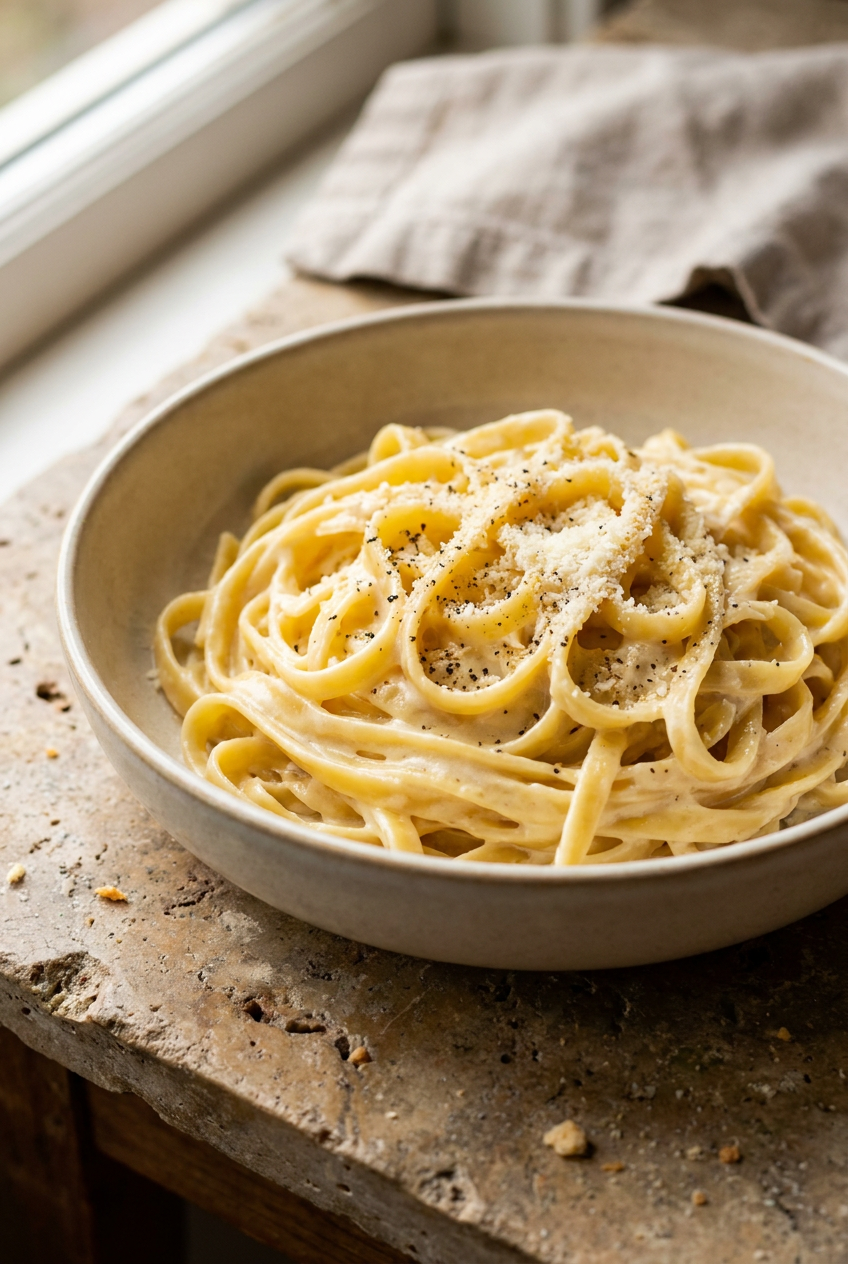
Table of Contents
- Classic Fettuccine Alfredo: A luxuriously creamy, restaurant quality pasta that comes together in just 30 minutes
- Why You Will Love This Classic Fettuccine Alfredo Recipe
- Your Simple Ingredients for the Perfect Classic Fettuccine Alfredo
- How to Make Perfect Classic Fettuccine Alfredo
- Pro Tips and Easy Variations for Your Classic Fettuccine Alfredo
- Serving Suggestions
- Nutrition Information
- Storage and Make-Ahead Instructions
- Your Classic Fettuccine Alfredo Questions Answered
- More Incredible Italian Recipes to Try
- The Story Behind This Recipe
- Pin This Recipe for Later
Classic Fettuccine Alfredo: A luxuriously creamy, restaurant quality pasta that comes together in just 30 minutes
There are certain recipes that feel like a warm embrace after a long, demanding day, and this classic fettuccine alfredo recipe sits right at the top of that list for me. I still remember the first time I tasted real fettuccine alfredo, not the gloppy, overly thick version from a chain restaurant, but the kind made with nothing more than butter, good Parmesan, and a splash of cream. I was in my early twenties, cooking in a tiny apartment kitchen with a single window that fogged up from the pasta water, and I remember twirling those first ribbons of pasta around my fork and thinking, this is what comfort tastes like. The sauce was silky, not heavy. It clung to each strand of fettuccine in the most beautiful way, and the whole dish came together in less time than it took to set the table. That moment changed how I thought about Italian cooking forever. It was not about complexity or a long list of ingredients. It was about respecting a handful of simple things and treating them with care. Every time I make this dish now, I am transported back to that steamy little kitchen, and I feel the same sense of quiet satisfaction.
What makes this particular classic fettuccine alfredo recipe different from others you might have tried is the emphasis on technique over quantity. There are no flour thickeners here, no cream cheese shortcuts, no garlic powder from a jar. The magic happens in the pan when starchy pasta water meets melted butter and cream, creating an emulsion that coats every noodle without weighing it down. I have tested this recipe more times than I can count, and the single most important lesson I have learned is that low heat and patience are your greatest allies. When you add the Parmesan off the heat and let the residual warmth melt it gently, you get a sauce that is impossibly smooth, never grainy or separated. It is the kind of dish that feels indulgent and special, yet it is built on techniques that any home cook can master in an evening. If you love recipes where a few quality ingredients transform into something truly memorable, you might also enjoy my blueberry lemon ricotta pancakes, another dish where simplicity shines through in the best possible way.
This recipe is for the weeknight when you want something that feels celebratory without requiring hours in the kitchen. It is for the dinner party where you want to impress guests with a dish that tastes like it came from a fine dining kitchen. It is for the quiet evening when you need a bowl of something warm and deeply satisfying. I have served this homemade classic fettuccine alfredo on birthdays, on ordinary Tuesdays, and on holiday eves when the house was full of family. Every single time, it disappears fast, and someone always asks for the recipe. What I love most is that it demands your full attention for only about twenty minutes. You cannot walk away and scroll on your phone while the sauce comes together, but that is precisely what makes it special. You stand at the stove, you stir, you watch the cheese melt into the cream, and you are fully present. In a world that constantly pulls us in a dozen directions, a recipe that asks for your presence feels like a small gift.
Why You Will Love This Classic Fettuccine Alfredo Recipe
- Ready in half an hour from start to finish. The pasta boils while you build the sauce, so everything comes together in one seamless flow. You can have a genuinely impressive dinner on the table faster than it takes to order delivery.
- Only a handful of real ingredients. This is not a recipe that sends you hunting through specialty stores. Butter, cream, Parmesan, garlic, and pasta are all you need, and each one plays an essential role in creating that signature velvety texture.
- Restaurant quality results at home. When you master the simple technique of emulsifying the sauce with pasta water, you will produce a dish that rivals anything from your favorite Italian restaurant. The sauce will be glossy, smooth, and perfectly clingy.
- Endlessly adaptable to what you have on hand. Once you understand the base technique, you can add sauteed shrimp, grilled chicken, steamed broccoli, or even a handful of fresh peas. The foundation stays the same while the variations keep things interesting.
- Comfort food that feels elegant. There is something undeniably luxurious about twirling long ribbons of fettuccine through a creamy, Parmesan infused sauce. It feels special enough for date night but familiar enough for a cozy family dinner.
- A wonderful way to practice essential cooking skills. Making this dish teaches you about emulsion, the importance of starchy pasta water, and how residual heat can gently melt cheese without breaking the sauce. These are skills that will serve you well across countless other recipes.
Your Simple Ingredients for the Perfect Classic Fettuccine Alfredo
Pasta
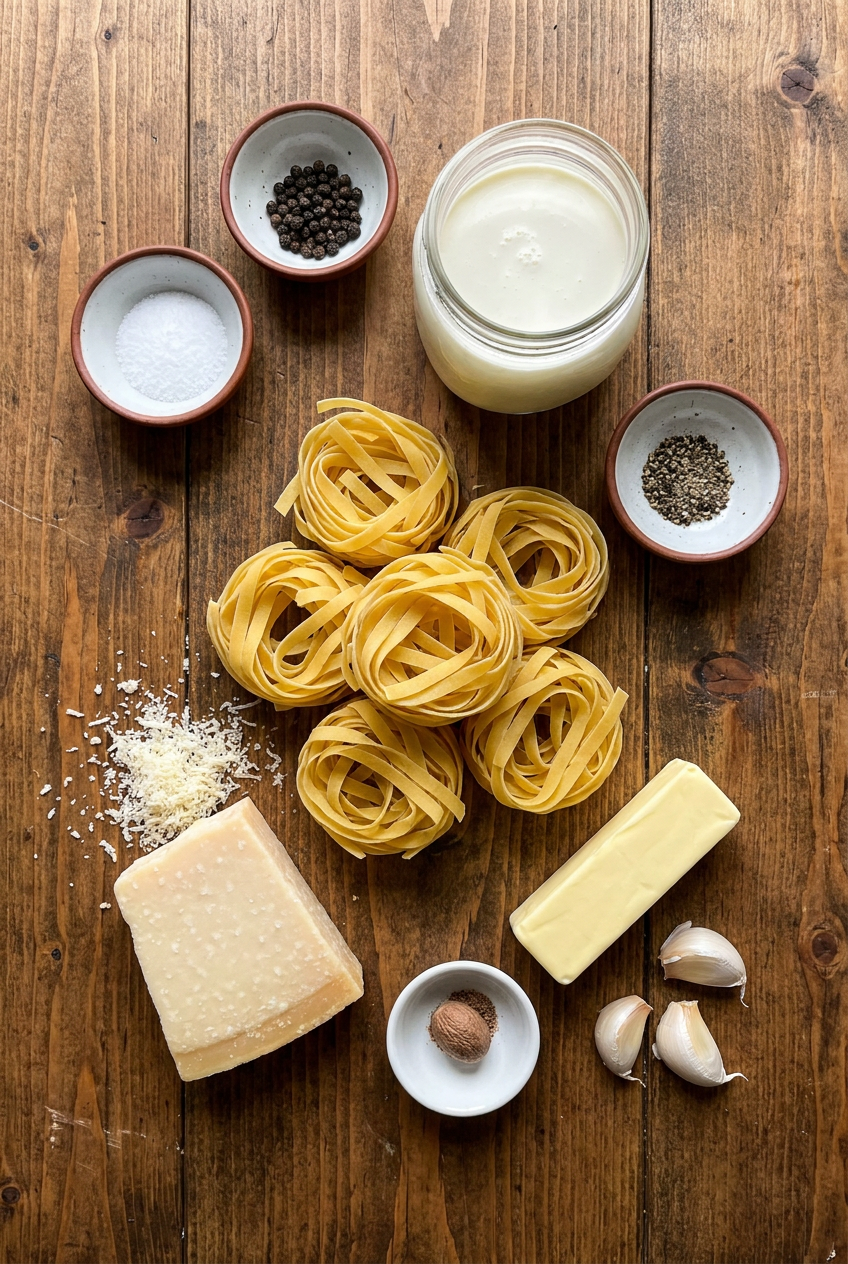
- 12 oz dried fettuccine
Sauce
- 4 tbsp unsalted butter, cut into pieces
- 3/4 cup heavy cream, room temperature
- 3/4 cup freshly grated Parmigiano Reggiano, plus more for serving
- 2 cloves garlic, minced
- 1/2 tsp salt, or to taste
- 1/4 tsp freshly ground black pepper
- 1/4 cup reserved pasta water, as needed
Garnish
- 2 tbsp fresh parsley, chopped
Ingredient Notes
Dried fettuccine. Fettuccine is the classic choice here, and its wide, flat shape is ideal for holding onto the creamy sauce. Look for a bronze die cut pasta if you can find it, as the slightly rougher texture gives the sauce more surface area to cling to. If you cannot find fettuccine, linguine or tagliatelle work beautifully as substitutes. Fresh pasta can also be used, but you will need to adjust the cooking time and watch it closely since it cooks much faster.
Unsalted butter. Starting with unsalted butter gives you full control over the seasoning of the finished dish. The butter melts into the base of the sauce and carries the gentle flavor of the garlic throughout. Choose a good quality butter with a higher fat content if possible, as it will create a richer, more stable emulsion. If salted butter is all you have, simply reduce the added salt and taste as you go.
Heavy cream. This is the backbone of the sauce and provides the signature richness that makes fettuccine alfredo so satisfying. Heavy cream has a fat content of around 36 percent, which helps it reduce into a thick, luscious sauce without needing any flour or thickeners. Let the cream come to room temperature before adding it to the pan, as cold cream hitting a warm pan can cause the fat to separate. In a pinch, half and half can work, but the sauce will be noticeably thinner.
Parmigiano Reggiano. Please, I am begging you, grate this yourself from a block. The pre shredded or pre grated versions sold in tubs contain anti caking agents like cellulose that prevent the cheese from melting smoothly into the sauce. A block of authentic Parmigiano Reggiano will have a granular texture and a deep, nutty, savory flavor that transforms the entire dish. Use a microplane or the smallest holes on your box grater for the fluffiest, most easily melted shreds. Grana Padano is an acceptable substitute at a slightly lower price point.
Garlic. Two fresh cloves, minced finely, add a subtle aromatic backdrop that complements the richness of the cream and cheese without overpowering the dish. The goal is a gentle fragrance, not a sharp garlic punch. If you prefer a milder garlic presence, you can smash the cloves and let them infuse the butter, then remove them before adding the cream.
Reserved pasta water. This is not an optional ingredient. The starchy, salty water left behind after boiling the pasta is the secret to a silky, emulsified sauce that clings to every noodle. The starch acts as a natural stabilizer, helping the fat from the butter and cream combine with the water into a cohesive, glossy sauce. Always scoop out at least a cup before draining, and add it to the sauce a splash at a time until you reach the perfect consistency.
How to Make Perfect Classic Fettuccine Alfredo
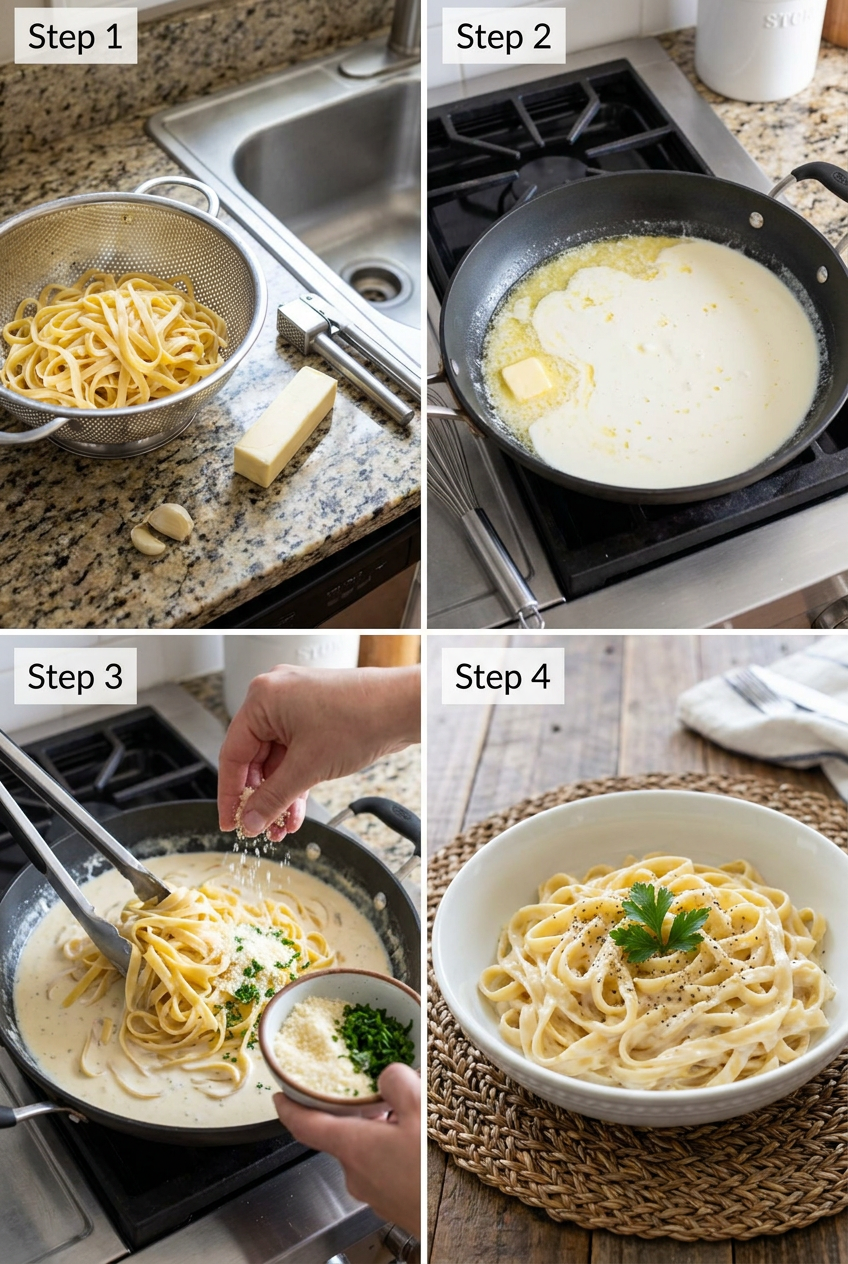
Step 1: Cook the Pasta
Fill a large pot with water and salt it generously. I mean generously, the water should taste pleasantly salty, almost like the sea. This is your one chance to season the pasta itself from the inside out, so do not be shy. Bring the water to a rolling boil, then add the fettuccine. Cook according to the package directions until the pasta is al dente, which means it should be tender but still have a slight firmness when you bite into it. This usually takes about 8 to 10 minutes, but start checking a minute or two early. Just before you drain the pasta, carefully scoop out at least one cup of the starchy pasta water and set it aside. Do not skip this step, as this liquid gold is essential for the sauce. Drain the fettuccine in a colander but do not rinse it, as the residual starch on the noodles helps the sauce adhere.
Step 2: Start the Sauce
While the pasta cooks, grab a large skillet or saute pan and set it over medium low heat. Add the butter and let it melt slowly, swirling the pan occasionally. You want the butter to foam gently, not sizzle aggressively or brown. Once the butter is fully melted, add the minced garlic and stir it around for about 30 seconds. You will know it is ready when the kitchen fills with that warm, sweet garlic fragrance and the bits of garlic look translucent and soft. Watch it closely here because garlic can go from fragrant to burnt in a matter of seconds, and burnt garlic will make the entire sauce taste bitter. If you are nervous about this step, you can keep the heat on the lowest setting and let the garlic infuse the butter more gently.
Step 3: Add Cream and Cheese
With the heat still on low, pour in the room temperature heavy cream and stir it constantly with a whisk or a wooden spoon as it warms through. You will see the cream begin to gently steam after a minute or two. At this point, remove the pan from the heat entirely. This is one of the most important moments in the entire recipe. Adding the Parmesan off the direct heat ensures that it melts slowly and smoothly without the proteins seizing up and turning grainy. Sprinkle the grated Parmigiano Reggiano into the cream a handful at a time, whisking after each addition until it disappears into the sauce. The residual heat from the pan and the warm cream will melt the cheese perfectly. Season with salt and freshly ground black pepper, tasting as you go. The sauce will look somewhat thick at this stage, but do not worry, as the pasta water will loosen it to the ideal consistency in the next step. This careful approach to building a smooth, glossy sauce reminds me of the patience required when making something like fluffy Japanese souffle pancakes, where gentle technique makes all the difference in the final result.
Step 4: Toss Pasta with Sauce
Return the pan to the lowest possible heat setting and add the drained fettuccine directly into the sauce. Using a pair of kitchen tongs, start tossing and turning the pasta, lifting and dropping the noodles repeatedly to encourage the sauce to coat every strand. As you toss, add a splash of the reserved pasta water, about two tablespoons at a time. You will see the sauce immediately loosen and become glossy and fluid. The starch in the water binds the fat from the butter and cream into a stable emulsion that hugs the pasta beautifully. Keep tossing and adding small splashes of water until the sauce reaches a consistency you love. It should pool slightly on the plate but not be watery, and each noodle should glisten with a creamy coating. This step usually takes about two to three minutes of active tossing.
Step 5: Finish and Serve
Once the sauce looks perfect, remove the skillet from the heat. Sprinkle the chopped fresh parsley over the top and give everything one final gentle toss to distribute the green flecks throughout. The parsley adds a touch of freshness and color that balances the richness of the sauce. Serve the pasta immediately in shallow, warmed bowls. Warming the bowls is a small step that makes a big difference, as alfredo sauce begins to thicken and set as soon as it cools. Pass extra grated Parmigiano Reggiano at the table so everyone can add a final snowy dusting on top. This dish waits for no one, so gather your people and eat right away while the sauce is at its silkiest and most luxurious.
Pro Tips and Easy Variations for Your Classic Fettuccine Alfredo
Pro Tips
- Grate your own Parmesan cheese. Pre shredded cheese contains starches and anti caking agents that prevent smooth melting. A block of authentic Parmigiano Reggiano, grated on a microplane just before using, will dissolve into the sauce effortlessly and deliver superior flavor. The difference is night and day, and once you taste it made this way, you will never go back to the convenience version.
- Always reserve pasta water before draining. The starchy, salty water is the most powerful tool you have for adjusting sauce consistency and creating a stable emulsion. I like to scoop out a generous cup using a heatproof measuring cup or a ladle, then add it slowly as I toss the pasta. You may not need all of it, but having extra is far better than scrambling to find a substitute after you have already drained the pot.
- Use room temperature cream to prevent the sauce from seizing. Cold cream hitting a hot pan can cause the butterfat to separate, leading to a greasy, broken sauce. Take the cream out of the refrigerator about twenty minutes before you start cooking, or gently warm it in a small saucepan before adding it to the pan.
- Keep the heat gentle throughout the entire process. High heat is the enemy of a smooth alfredo sauce. Melt the butter slowly, warm the cream without letting it bubble, and always remove the pan from the heat before adding the cheese. The residual warmth is more than enough to melt grated Parmesan into a silky consistency.
- Warm your serving bowls before plating. A cold bowl will immediately start cooling the sauce and causing it to thicken and lose its glossy fluidity. Run the bowls under hot water for thirty seconds or place them in a low oven for a few minutes before serving. This small step keeps the pasta steaming and the sauce perfectly loose.
- Food safety reminder for any egg based variations. If you experiment with adding an egg yolk to your alfredo sauce for extra richness, ensure that the egg reaches a safe temperature and that both the white and the yolk are fully cooked before consuming.
Delicious Variations
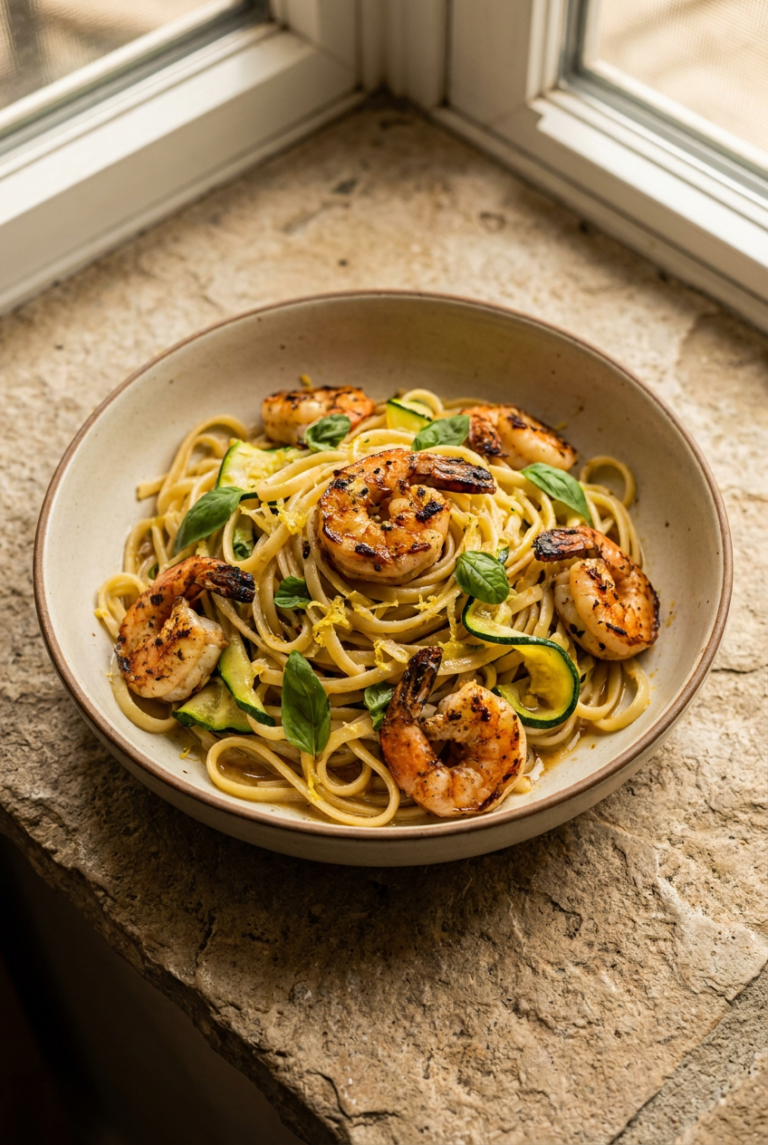
- Shrimp Alfredo. Season a dozen large shrimp with salt, pepper, and a pinch of red pepper flakes. Sear them in the butter before adding the garlic, cooking about two minutes per side until pink and opaque. Remove the shrimp, build the sauce as directed, then return the shrimp to the pan when you toss the pasta.
- Chicken Alfredo. Season boneless, skinless chicken breasts with salt, pepper, and Italian seasoning. Grill or pan sear them over medium high heat until golden and cooked through, about six minutes per side. Let the chicken rest for a few minutes, slice it against the grain, and fan the slices over the plated pasta.
- Garlic roasted broccoli Alfredo. Toss small broccoli florets with olive oil, salt, and pepper, then roast at 425 degrees Fahrenheit for about fifteen minutes until tender and lightly charred at the edges. Fold the roasted broccoli into the finished pasta for a hearty, vegetable packed version.
- Mushroom and thyme Alfredo. Saute sliced cremini mushrooms in a little extra butter until deeply browned and all their moisture has evaporated. Add a few sprigs of fresh thyme along with the garlic, then proceed with the sauce as written. The earthy mushrooms and herbal thyme add wonderful depth.
If you enjoy exploring variations of classic comfort foods, you will find a similar spirit of adaptability in my Moroccan chicken tagine, another dish where mastering the foundational technique opens the door to endless creative possibilities.
Serving Suggestions for a Perfect Italian Dinner
This best classic fettuccine alfredo recipe shines brightest when paired with sides that offer a contrast to its creamy richness. A crisp Caesar salad with cold, crunchy romaine, shaved Parmesan, and a bright lemony dressing cuts through the sauce beautifully and adds a refreshing element to the plate. Garlic bread or warm, crusty Italian bread is practically mandatory for sopping up any sauce left behind in the bowl. For drinks, a chilled glass of Pinot Grigio or an unoaked Chardonnay complements the buttery notes of the sauce without overwhelming them. If you prefer non alcoholic options, sparkling water with a squeeze of fresh lemon works wonderfully to cleanse the palate between bites. When it comes to presentation, I like to use a carving fork to twirl a generous nest of fettuccine in the center of each warmed bowl, ensuring the sauce glistens and the parsley flecks are visible. A final snowfall of freshly grated Parmesan and a crack of black pepper right at the table make it feel like a true restaurant experience at home.
This dish is perfectly suited for so many occasions. It makes a wonderful Valentine’s Day dinner when you want something romantic without spending the entire evening in the kitchen. It is an excellent choice for a small dinner party because you can have all your ingredients prepped and measured ahead of time, then execute the sauce in minutes while your guests enjoy a glass of wine. For a family meal, you can easily double the recipe and serve it on a large platter for everyone to help themselves. If you are feeding a crowd, keep in mind that the sauce is best made in batches rather than one enormous pot, as too much volume can make it difficult to control the temperature and achieve the right emulsion. Scale up by making two separate batches of sauce and combining them with the pasta just before serving.
Nutrition Information
(Approximate per serving, 4 servings total) Calories: 650, Fat: 38g, Carbohydrates: 55g, Protein: 20g, Fiber: 2g, Sugar: 2g, Sodium: 480mg. Nutritional values are estimates only.
Storage and Make-Ahead Instructions
- Refrigerator: Store any leftovers in an airtight container in the refrigerator for up to three days. Keep in mind that the sauce will thicken considerably as it chills, and the pasta will absorb some of the moisture. The texture will not be exactly the same as when freshly made, but the flavor will still be wonderful.
- Freezer: Freezing is not recommended for this dish. Cream based sauces have a tendency to separate and become grainy when thawed, as the fat and water components break apart during the freezing process. If you must freeze, be prepared for a compromised texture upon reheating.
- Reheating: The gentlest way to revive leftover fettuccine alfredo is in a skillet over low heat with a splash of milk, cream, or water. Add the liquid slowly, stirring and tossing constantly, until the sauce loosens and becomes creamy again. Avoid the microwave if possible, as it can heat unevenly and cause the sauce to break. If the microwave is your only option, use a lower power setting and stir every thirty seconds.
- Make-Ahead: While this classic fettuccine alfredo recipe is truly best prepared and served immediately, you can set yourself up for success by prepping all your ingredients in advance. Grate the Parmesan, mince the garlic, measure out the cream and butter, and chop the parsley. With everything ready to go, the actual cooking process takes less than twenty minutes. You can also cook the pasta al dente, drain it, and toss it with a tiny drizzle of olive oil to prevent sticking, then reheat it in the sauce with extra pasta water when you are ready to serve.
Your Classic Fettuccine Alfredo Questions Answered
Can I use milk instead of heavy cream?
Heavy cream is what gives this sauce its signature richness and thick, velvety body. You can substitute half and half in a pinch, but the sauce will be noticeably thinner and less luxurious. Plain milk is not recommended because it lacks the fat content needed to create a stable emulsion, and the sauce will likely turn out watery and disappointing.
Why did
Classic Fettuccine Alfredo
classic fettuccine alfredo recipe made easy at home. A luxuriously creamy, restaurant-worthy pasta that comes together in just 30 minutes with a handful of si
Ingredients
Method
- Bring a large pot of salted water to a boil. Cook fettuccine according to package directions until al dente. Before draining, reserve 1 cup of pasta water. Drain pasta and set aside.
- In a large skillet over medium-low heat, melt the butter. Add minced garlic and sauté for 30 seconds until fragrant, but not browned.
- Pour in the heavy cream, stirring constantly. Gradually add the grated Parmesan, whisking until melted and smooth. Season with salt and pepper.
- Add the drained fettuccine to the skillet. Toss with tongs, adding a splash of reserved pasta water as needed to thin the sauce and help it cling to the noodles.
- Remove from heat, sprinkle with parsley, and toss once more. Serve immediately in warmed bowls with extra Parmesan on top.
Disclosure: This post may contain affiliate links. If you purchase through our links we may earn a small commission at no extra cost to you.
If you made this Classic Fettuccine Alfredo, please leave a comment below and let me know how it turned out.
Classic Fettuccine Alfredo
Ingredients
Method
- Bring a large pot of salted water to a boil. Cook fettuccine according to package directions until al dente. Before draining, reserve 1 cup of pasta water. Drain pasta and set aside.
- In a large skillet over medium-low heat, melt the butter. Add minced garlic and sauté for 30 seconds until fragrant, but not browned.
- Pour in the heavy cream, stirring constantly. Gradually add the grated Parmesan, whisking until melted and smooth. Season with salt and pepper.
- Add the drained fettuccine to the skillet. Toss with tongs, adding a splash of reserved pasta water as needed to thin the sauce and help it cling to the noodles.
- Remove from heat, sprinkle with parsley, and toss once more. Serve immediately in warmed bowls with extra Parmesan on top.