Colorful Asian Vegetable Stir-Fry Recipe, Easy Asian Dinner in 25 Minutes
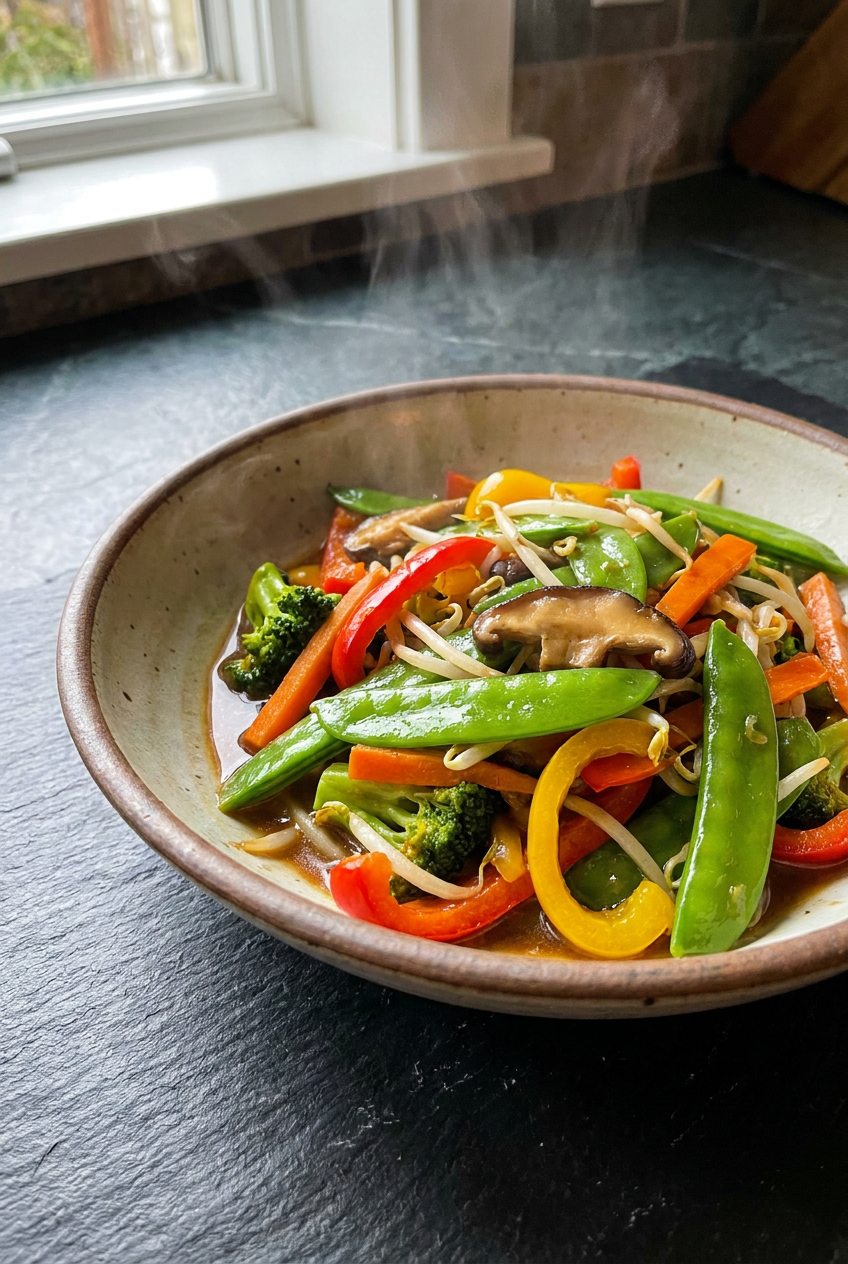
Table of Contents
- Colorful Asian Vegetable Stir-Fry: A vibrant medley of crisp vegetables tossed in a savory ginger-garlic sauce, perfect for a quick, healthy weeknight dinner
- Why You Will Love This Colorful Asian Vegetable Stir-Fry Recipe
- Your Simple Ingredients for the Perfect Colorful Asian Vegetable Stir-Fry
- How to Make Perfect Colorful Asian Vegetable Stir-Fry
- Pro Tips and Easy Variations for Your Colorful Asian Vegetable Stir-Fry
- Serving Suggestions
- Nutrition Information
- Storage and Make-Ahead Instructions
- Your Colorful Asian Vegetable Stir-Fry Questions Answered
- More Incredible Asian Recipes to Try
- The Story Behind This Recipe
- Pin This Recipe for Later
Colorful Asian Vegetable Stir-Fry: A vibrant medley of crisp vegetables tossed in a savory ginger-garlic sauce, perfect for a quick, healthy weeknight dinner
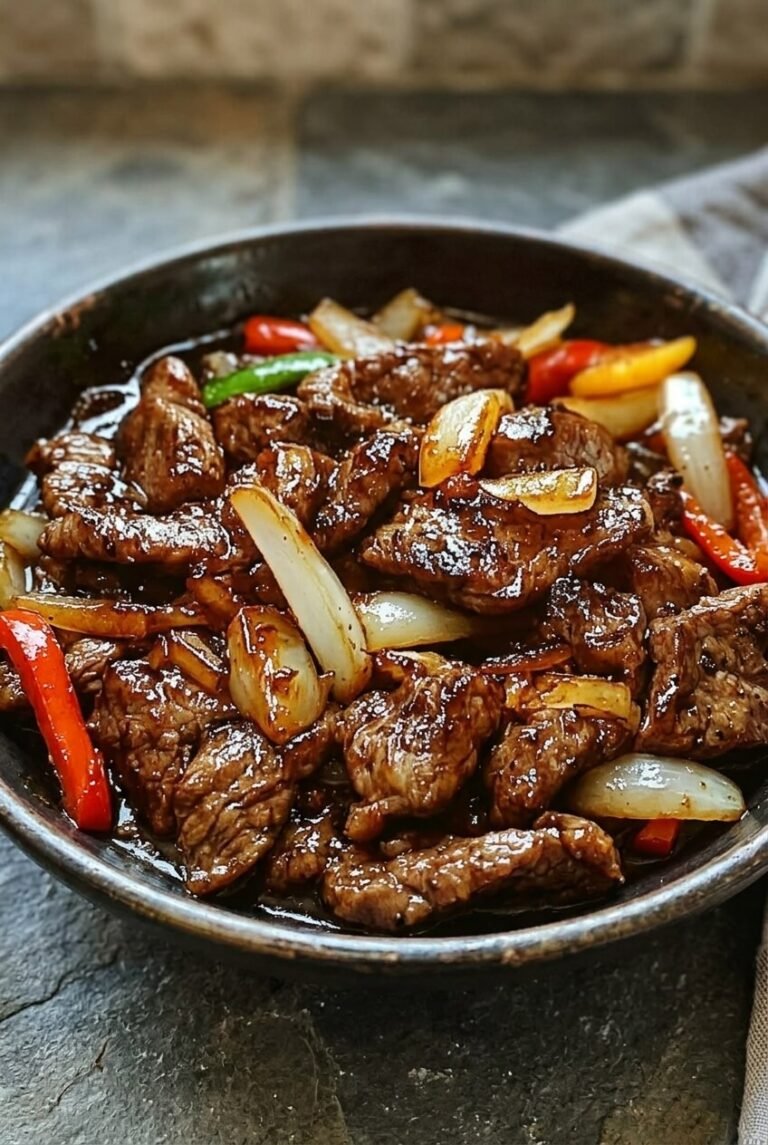
There is one colorful asian vegetable stir-fry recipe that I reach for more than any other when the fridge is bursting with farmers’ market finds and dinner needs to be on the table in under half an hour. This dish is that recipe. I still remember the first time I threw it together on a chaotic Tuesday evening, the kitchen filled with the scent of sizzling garlic and ginger and the bright colors of red peppers, green broccoli, and orange carrots leaping out from the wok. My family was skeptical of a plate piled high with vegetables, but one bite and they were convinced. The snap peas crunched, the mushrooms soaked up all that savory sauce, and the tender broccoli florets carried just enough char to make everything taste a little bit special. That night, this stir-fry became a permanent part of our weekly rotation, and it has been for years.
What sets this colorful Asian vegetable stir-fry apart from others you might have tried comes down to two things: the careful order of cooking and the glossy, well-balanced sauce that clings to every piece. By giving the denser vegetables a brief head start and then adding quicker-cooking ones, you guarantee that everything finishes at exactly the same crisp-tender stage. The sauce is built on a foundation of soy sauce, rice vinegar, and a whisper of sesame oil, pulled together with a cornstarch slurry that transforms it into something silky and restaurant-worthy without a drop of heavy cream or butter. It is the type of sauce that makes you want to spoon extra over a mound of steamed jasmine rice and call it a meal. Compared to the fluffy Japanese souffle pancakes I love to make on lazy Sunday mornings, this stir-fry is the weekday hero, all speed and no fuss but with equally rewarding flavors.
This recipe is for anyone who ever wished vegetables could taste exciting, anyone who wants a no-recipe recipe that can adapt to whatever produce is hiding in the crisper drawer. It works for a quiet dinner for two, a family meal with little ones who can help snap the ends off snap peas, or a vibrant contribution to a potluck where a colorful platter is always welcome. It is naturally gluten-free when you use tamari, endlessly customizable, and ready in the time it takes to cook rice. If you are trying to eat more plants without feeling like you are missing out, this is your answer, and if you are simply looking for an easy dinner that tastes like you ordered takeout, well, you just found it.
Why You Will Love This Colorful Asian Vegetable Stir-Fry Recipe
- Incredibly fast and efficient. From the moment you turn on the stove to the moment you take your first bite, you are looking at about 25 minutes of total time, which means this recipe fits into even the busiest weeknight without stress. The active cooking time is barely 10 minutes, so you spend more time enjoying the meal than standing over a hot pan.
- Packed with vibrant colors and textures. Every forkful delivers a satisfying crunch from snap peas, a meaty bite from cremini mushrooms, and a gentle sweetness from bell peppers and carrots. The visual appeal alone makes it exciting to eat, and the mix of textures keeps each bite different and engaging.
- The sauce is a game-day player. It is savory, a little tangy, and just sweet enough to round out the edges without overpowering the vegetables. Because it thickens up in the final minute, it coats everything evenly and tastes like something you would get from your favorite neighborhood bistro.
- Endlessly adaptable to what you have on hand. If broccoli is not your thing, swap in cauliflower. No snap peas? Thinly sliced asparagus or green beans work beautifully. This recipe gives you a framework that encourages you to use whatever fresh vegetables are at their peak without ever feeling like you are compromising.
- Naturally plant-based and wholesome. The dish is vegan as written—just use maple syrup instead of honey—and it delivers a balanced plate of fiber, vitamins, and plant-powered protein when you add a side of quinoa or tofu. You can feel good about serving it to everyone at the table, regardless of dietary preferences.
- Makes even leftovers exciting. Unlike some vegetable dishes that turn sad and soggy in the fridge, this stir-fry holds its texture remarkably well when stored properly, making it a reliable option for meal prep lunches that you will actually look forward to eating the next day.
Your Simple Ingredients for the Perfect Colorful Asian Vegetable Stir-Fry
Main Vegetables
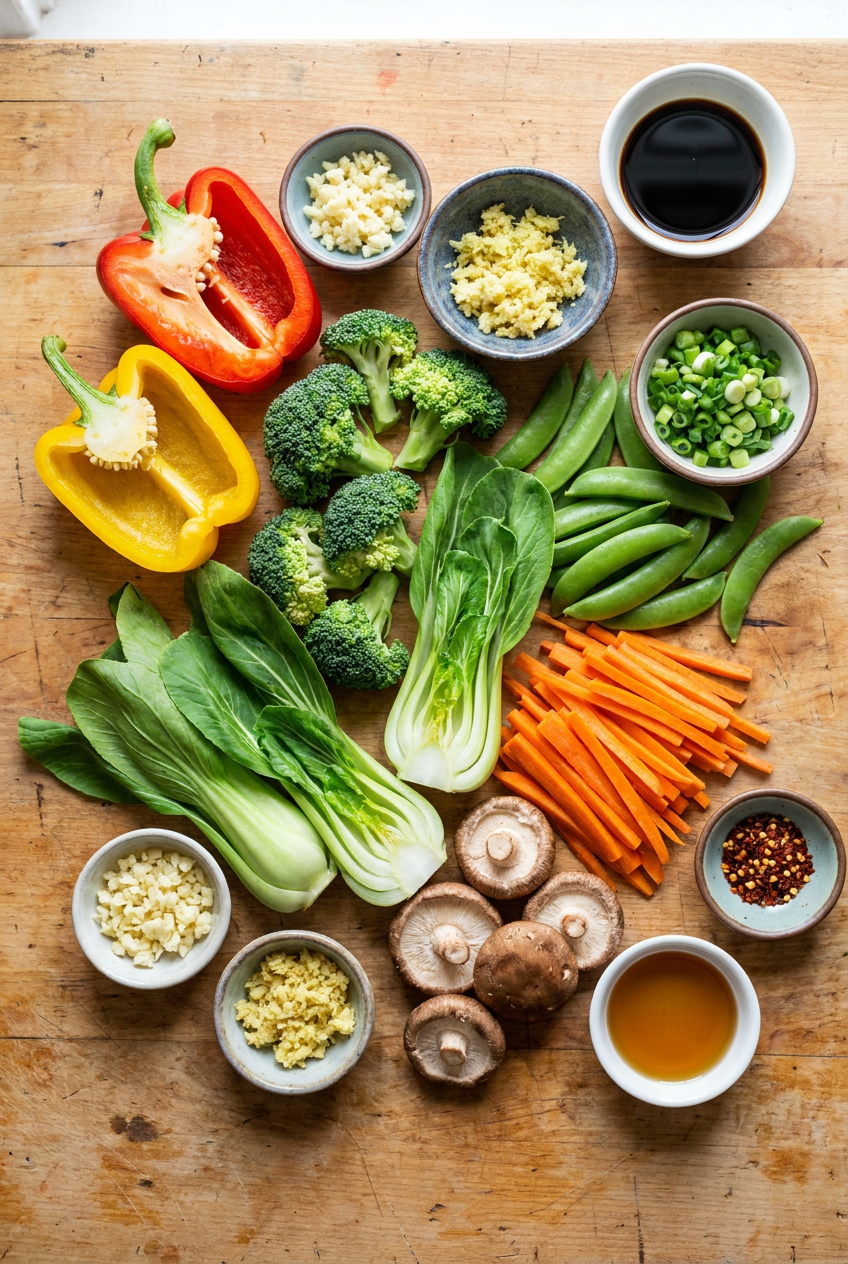
- 2 cups broccoli florets, cut into bite-sized pieces
- 1 red bell pepper, sliced into strips
- 2 medium carrots, julienned or thinly sliced on a bias
- 1 cup snap peas, trimmed
- 1 cup cremini mushrooms, sliced
Aromatics
- 3 cloves garlic, minced
- 1 tablespoon fresh ginger, grated
Sauce
- 3 tablespoons low-sodium soy sauce (or tamari for gluten-free)
- 1 tablespoon rice vinegar
- 1 teaspoon sesame oil
- 1 teaspoon cornstarch, mixed with 2 tablespoons water to form a slurry
- 1 teaspoon honey or maple syrup, optional, for balance
For Cooking & Serving
- 1 tablespoon neutral oil (avocado or canola), for stir-frying
- 2 cups cooked jasmine rice or quinoa, for serving
- 1 tablespoon toasted sesame seeds, for garnish
- 2 stalks green onions, sliced, for garnish
Ingredient Notes
Broccoli: Broccoli provides the hearty, earthy backbone of this stir-fry. Look for tight, dark green florets with no yellowing, which indicates the freshest possible head. Cutting the florets into similar bite-sized pieces ensures they cook at the same rate as the carrot slices. In a pinch, broccolini or even cauliflower florets make a wonderful substitute.
Red bell pepper: The sweet, juicy flesh of a red bell pepper brightens the dish with its vibrant color and natural sugars that caramelize slightly in the hot pan. Choose a pepper that feels heavy for its size with smooth, shiny skin. Yellow or orange peppers work just as well, though green bell pepper can lean slightly bitter and is better suited for longer cooking times.
Carrots: Julienned or thinly bias-sliced carrots give the stir-fry a subtle earthy sweetness and a satisfying firm bite. The key is to cut them thin enough that they soften during the short cooking window but remain distinct enough to hold their shape. When shopping, pick carrots that are firm and smooth, avoiding any that feel rubbery.
Snap peas: These crisp, sweet pods add a wonderful fresh crunch and bright green color. Trim away the fibrous string along the seam for the most pleasant eating experience. Snow peas can step in here if snap peas are not available, though they cook even faster so add them a minute later in the process.
Cremini mushrooms: Also labeled as baby bella mushrooms, creminis bring a savory, almost meaty depth that absorbs the sauce beautifully. Wipe them clean with a damp paper towel instead of washing them under water, because mushrooms soak up moisture and will steam rather than sear. Regular white button mushrooms or sliced shiitakes are excellent alternatives.
Garlic and ginger: These two aromatics are the foundation of flavor for any authentic stir-fry. Fresh garlic delivers a pungent, slightly spicy kick, while grated ginger adds a warm, zesty brightness. Never substitute garlic powder or dried ginger here; the fresh versions release their oils into the hot oil and permeate the vegetables in a way dried spices simply cannot.
Soy sauce: Using a good low-sodium soy sauce lets you control the salt level without sacrificing the deep umami punch that defines the sauce. Tamari is a wonderful gluten-free alternative that often has a richer, less sharp taste. Coconut aminos can work for a soy-free version, though you may want to add a pinch of salt to compensate for its milder flavor.
Sesame oil: A small amount of toasted sesame oil provides a nutty, aromatic finish that rounds out the sauce. Because it is used in such a small quantity, its quality makes a noticeable difference. Cold-pressed toasted sesame oil has a deep golden color and an intense fragrance that fills the kitchen the moment you open the bottle.
How to Make Perfect Colorful Asian Vegetable Stir-Fry
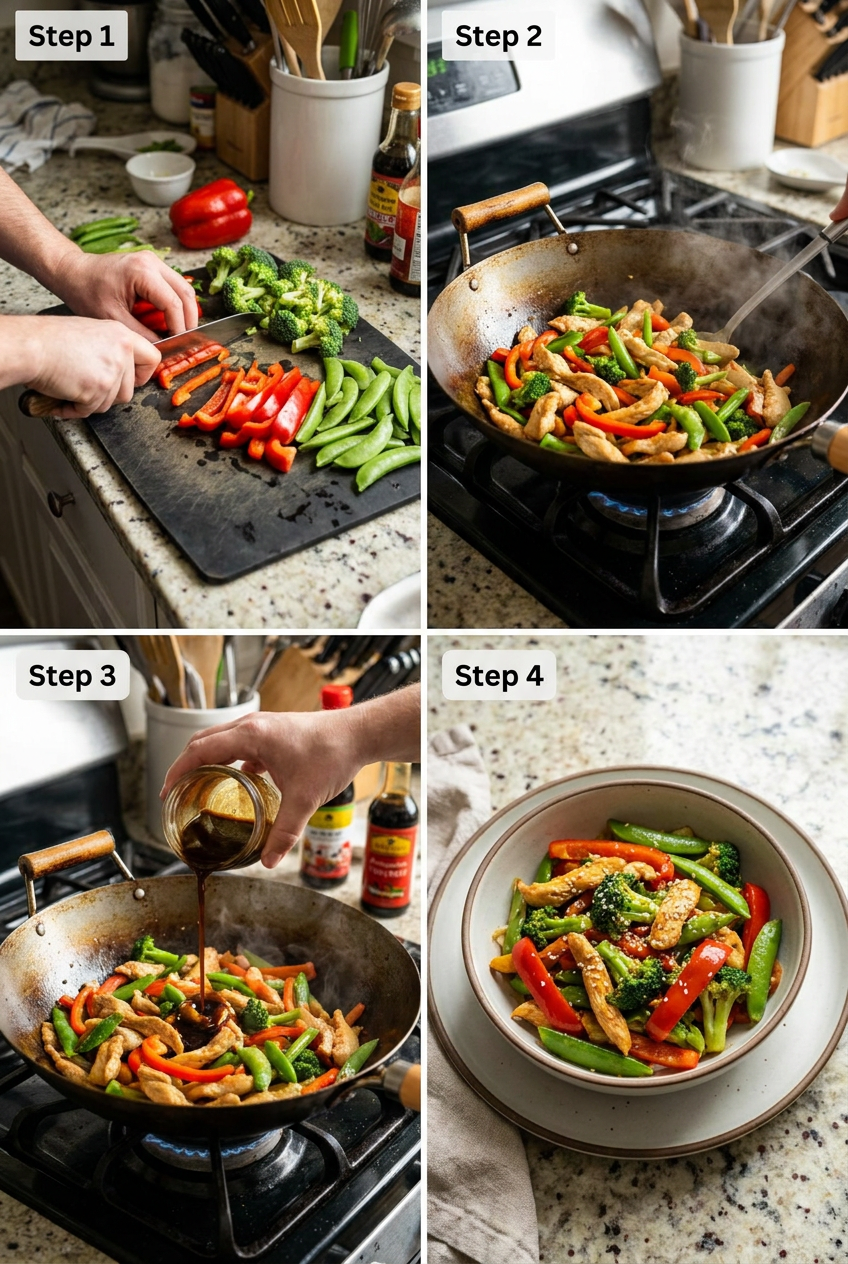
Step 1: Prep all ingredients
Wash, dry, and cut every vegetable exactly as listed. This step is the single most important part of stir-fry success because once the pan gets hot, there is no time to pause and chop. Prepare the sauce by whisking together the soy sauce, rice vinegar, sesame oil, the optional sweetener, and the cornstarch slurry in a small bowl until the cornstarch is fully dissolved. Set the bowl right next to the stove along with the prepped garlic and ginger. When you can glance over and see everything lined up, you will know you are ready to cook without any panic. Pro tip: Measured mise en place is not just for fancy restaurants—it guarantees that nothing burns while you search for the next ingredient.
Step 2: Heat the pan
Place a large 12-inch skillet or a wok over high heat. Let it sit there until you can feel the heat radiating upward when you hold your hand a few inches above the surface; a drop of water should skitter and evaporate almost instantly. Pour in the neutral oil and swirl to coat the bottom completely. You want the oil to shimmer and barely smoke before adding the aromatics. That intense initial heat is what gives stir-fried vegetables a lightly charred exterior while keeping the inside crisp. Pro tip: If you are using a nonstick skillet, you can still get great results even if you turn the heat down a fraction to protect the coating—just be sure the pan is still very hot before adding the oil.
Step 3: Stir-fry aromatics
Add the minced garlic and grated ginger to the hot oil and stir constantly with a spatula or wooden spoon. Within about 15 to 20 seconds, you will notice an incredible fragrance filling the air, and the garlic will turn a pale golden color. That is your cue to move on immediately. If the aromatics start to brown too quickly or look like they might burn, splash in a tablespoon of water to cool the pan momentarily and buy yourself a few extra seconds. Pro tip: Burning garlic tastes unpleasantly bitter, so keep it moving and do not walk away from the stove for even a moment during this step.
Step 4: Cook hard vegetables
Tumble the broccoli florets and carrot slices into the pan. At this stage, the pan should still be fiercely hot, and you will hear a satisfying sizzle as the vegetables hit the oil. Stir-fry for about 2 minutes, tossing frequently with a spatula or by shaking the pan if you are confident. The broccoli will turn a vivid green, and the carrots will start to soften at the edges while maintaining a slight crunch. If things seem dry or the vegetables are not steaming as much as you would like, add 1 to 2 tablespoons of water and cover the pan for 30 seconds to create a steamy environment that gently tenderizes the firmest pieces. Pro tip: That small splash of water is a trick I learned after a friend’s tip about making Moroccan chicken tagine, where a little liquid goes a long way to coax out tenderness without losing texture.
Step 5: Add remaining vegetables
Throw in the bell pepper strips, snap peas, and sliced cremini mushrooms. Continue stir-frying for another 2 to 3 minutes, tossing everything together so the new additions mingle with the partially cooked broccoli and carrots. The bell pepper will start to soften slightly but should still have a pleasant snap, the snap peas will turn bright green, and the mushrooms will shrink a little and release their savory juices. Take a piece of broccoli and bite into it—it should be tender but not floppy, with a clean, fresh crunch. Pro tip: Keep the vegetables moving. If they sit in one spot too long, they steam instead of sear, and you will lose that vibrant crispness that makes this recipe so special.
Step 6: Add sauce and finish
Give the sauce bowl one last quick stir because the cornstarch likes to settle at the bottom. Pour the mixture evenly over the vegetables. Immediately start tossing so every piece gets coated. Within about 30 seconds, you will see the sauce begin to bubble and turn from a thin liquid into a glossy, slightly thickened coating that clings to the broccoli and mushrooms. Cook for about a minute more, until the sauce is perfectly napped around each vegetable. If the sauce thickens more than you prefer, simply add a tablespoon of water and stir to loosen it. Pro tip: Taste a piece now and adjust with a tiny drizzle of soy sauce or a squeeze of lime if you want a brighter finish.
Step 7: Serve immediately
Spoon the warm cooked jasmine rice or quinoa into bowls, then pile the glistening vegetable stir-fry right on top. Scatter toasted sesame seeds and sliced green onions over everything for a final pop of flavor and color. Serve right away while the vegetables are at their absolute best temperature and texture. Pro tip: If you want to add extra protein, slide a pan-seared wedge of tofu or a crispy fried egg right on top of the bowl and let the runny yolk mingle with the sauce—it turns the whole dish into something deeply comforting.
Pro Tips and Easy Variations for Your Colorful Asian Vegetable Stir-Fry
Pro Tips
- Preheat your wok or skillet until it is very hot. The hallmark of restaurant-style stir-fry is a smoky, slightly seared flavor, and that comes from a screaming-hot pan. A pan that is not hot enough will cause vegetables to release water and steam rather than fry, resulting in a soft, waterlogged texture.
- Cut vegetables into uniform sizes. Inconsistent pieces mean some will be overcooked while others remain nearly raw. Take a few extra moments to slice the carrots and broccoli so they are similar in thickness to the snap peas and pepper strips. This attention to detail ensures every bite is perfectly tender-crisp.
- Stir-fry in batches if your pan is small. Overcrowding the pan drops the temperature dramatically and leads to steaming instead of searing. If your skillet cannot comfortably hold all the vegetables in a single layer, cook them in two batches, adding them all back at the end with the sauce. The extra two minutes are well worth the improved texture.
- Have everything ready before the oil hits the pan. Stir-frying moves at lightning speed once the aromatics sizzle. Lining up your prepped vegetables, sauce, garnishes, and serving bowls means you will never scramble to open a container or mince a forgotten clove of garlic while the mushrooms burn.
- Add the cornstarch slurry to the sauce right before using it. Cornstarch settles quickly, so whisk the sauce again just before pouring it into the pan. This ensures the thickening power is evenly distributed and you get that silky, clingy consistency rather than a lumpy, uneven glaze.
- Keep a small bowl of water and a spoon next to the stove. It acts as an emergency tool: you can use a splash to cool the pan if the garlic starts to singe, to create a quick steam for tough carrots, or to adjust a sauce that has thickened too much. It is a tiny safety net that lets you cook with confidence.
Delicious Variations
- Plant-based protein boost. Add about 1 cup of cubed firm tofu, patted dry and seared until golden on all sides, during the last 2 minutes of cooking. Or toss in a handful of shelled edamame along with the snap peas for a pop of green protein that blends seamlessly with the vegetables.
- Seasonal swap-out. In spring, try asparagus tips and halved cherry tomatoes in place of the broccoli and mushrooms. In summer, use thick slices of zucchini and fresh corn kernels cut from the cob for a sweeter, sunnier version that tastes like the season on a plate.
- Make it spicy. Stir a teaspoon of sambal oelek or a generous drizzle of chili crisp into the sauce for a fiery kick that wakes up every bite. If you enjoy heat, you can also add a thinly sliced Thai bird chili alongside the garlic and ginger.
- Nutty crunch variation. Just before serving, toss a handful of toasted cashews or peanuts into the stir-fry. The nuts add a rich, buttery contrast to the crisp vegetables and soak up the sauce in the most irresistible way.
- Breakfast-for-dinner twist. Skip the rice and serve the hot stir-fry alongside a stack of blueberry lemon ricotta pancakes for a playful savory-sweet meal. The fluffy pancakes and the vibrant ginger-garlic vegetables create an unexpected pairing that your family will talk about for days.
Serving Suggestions for a Perfect Dinner
I love piling this colorful Asian vegetable stir-fry over a mound of fluffy jasmine rice that soaks up every last drop of sauce, but it is equally delicious spooned over nutty quinoa or even a bed of tender cauliflower rice if you are keeping things low-carb. For a more substantial meal, consider serving it alongside a simple miso soup or a crunchy cucumber salad dressed with a little rice vinegar and
Colorful Asian Vegetable Stir-Fry
Ingredients
Method
- Wash, dry, and cut all vegetables as listed. Prepare the sauce by whisking together soy sauce, rice vinegar, sesame oil, optional sweetener, and cornstarch slurry in a small bowl. Have aromatics ready.
- Place a large skillet or wok over high heat. Once hot, add the neutral oil and swirl to coat.
- Add garlic and ginger, stir constantly for 15-20 seconds until fragrant, being careful not to burn them.
- Add broccoli and carrots. Stir-fry for 2 minutes, tossing frequently. They will start to brighten and slightly char.
- Toss in bell pepper, snap peas, and mushrooms. Continue stir-frying for another 2-3 minutes until all vegetables are tender-crisp and vibrant.
- Give the sauce a quick stir and pour over the vegetables. Toss everything together and cook for 1 minute until the sauce thickens and coats the ingredients evenly.
- Divide the cooked rice or quinoa among bowls, top with the vegetable stir-fry, and garnish with sesame seeds and green onions.
Disclosure: This post may contain affiliate links. If you purchase through our links we may earn a small commission at no extra cost to you.
If you made this Colorful Asian Vegetable Stir-Fry, please leave a comment below and let me know how it turned out.