Classic Spaghetti Aglio e Olio Recipe, Easy Italian Dinner in 30 Minutes
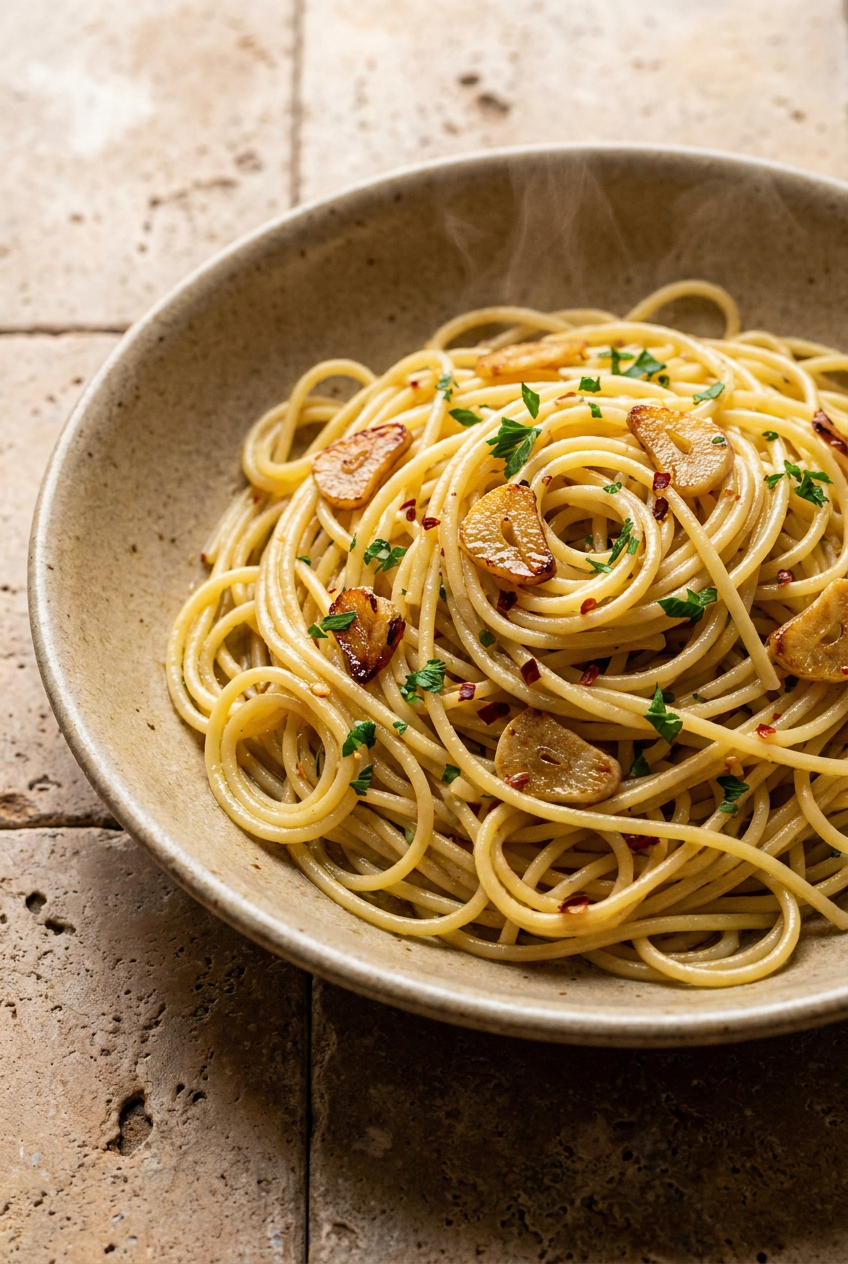
Table of Contents
- Classic Spaghetti Aglio e Olio: A classic Roman pasta dish that comes together in minutes with just a few pantry staples, garlic, olive oil, and a kick of chili
- Why You Will Love This Classic Spaghetti Aglio e Olio Recipe
- Your Simple Ingredients for the Perfect Classic Spaghetti Aglio e Olio
- How to Make Perfect Classic Spaghetti Aglio e Olio
- Pro Tips and Easy Variations for Your Classic Spaghetti Aglio e Olio
- Serving Suggestions for a Perfect Dinner
- Nutrition Information
- Storage and Make-Ahead Instructions
- Your Classic Spaghetti Aglio e Olio Questions Answered
- More Incredible Italian Recipes to Try
- The Story Behind This Recipe
- Pin This Recipe for Later
Classic Spaghetti Aglio e Olio: A classic Roman pasta dish that comes together in minutes with just a few pantry staples, garlic, olive oil, and a kick of chili
This classic spaghetti aglio e olio recipe has been my late night savior more times than I can count. I remember the first time I truly tasted it, sitting in a tiny trattoria near Campo de’ Fiori in Rome, the aroma of gently toasted garlic filling the air before a plate of impossibly glossy, golden strands landed in front of me. No heavy red sauce, no fancy toppings, just olive oil kissing the pasta, flecks of parsley dotting each twirl, and that subtle warmth of chili lingering at the back of my throat. It was a revelation, the proof that the simplest things often hold the most flavor. Back home, I spent weeks perfecting my own version, learning how to coax every bit of garlicky depth from the oil, how to create that creamy emulsion without a drop of cream, and how to time everything so the dish hits the table piping hot and absolutely perfect.
What makes this recipe different from others you might have tried is the deliberate focus on technique over shortcuts. Many aglio e olio recipes rush the garlic or toss everything together haphazardly, resulting in either burnt, bitter pieces or a greasy, separated sauce. Here, I walk you through starting with a completely cold skillet, slowly warming the olive oil with the garlic to infuse it fully without a trace of bitterness. I also emphasize using the starchy pasta water as the backbone of the sauce, not just a splash for moisture. The real magic happens when you vigorously toss the pasta with that starchy water and the infused oil, creating a silky, emulsified coating that clings to every single strand. It is a restaurant level trick that requires nothing more than some vigorous tong action and a little patience. If you can boil water and stir a pan, you can make this perfect plate of pasta.
This dish is for anyone who craves a deeply satisfying meal when the pantry looks bare and energy is low. It is ideal for hectic weeknights, for feeding a crowd of last minute guests with a stunning yet effortless centerpiece, or for those solo evenings when you want to treat yourself to something special without a pile of dishes. It also happens to be a wonderful introduction to Italian cooking for beginners, because it teaches you to trust your senses, to listen for the gentle sizzle, to watch for the garlic turning just barely golden, and to taste as you go. And if you happen to love breakfast for dinner, you might also enjoy these fluffy Japanese souffle pancakes for a sweet contrast on another night, but tonight, let the garlic do the talking.
Why You Will Love This Classic Spaghetti Aglio e Olio Recipe
- Incredibly fast and efficient. From the moment you set the pot of water on the stove to the first twirl on your fork, you are looking at about 30 minutes, most of which is hands off while the pasta cooks. You can have a gorgeous, silky dinner on the table faster than it takes to order delivery.
- Pantry friendly and affordable. Everything you need is probably already sitting in your kitchen right now, dried spaghetti, olive oil, garlic, a few seasonings. It is a lifesaver on those weeks when the grocery budget is tight or you haven’t had time to shop.
- Teaches a foundational technique. Mastering this dish teaches you how to emulsify a sauce using pasta water, a trick that will elevate every pasta dish you ever make. You will never look at a pot of boiling pasta the same way again.
- Endlessly adaptable. You can keep it pure and minimalist, or you can toss in a handful of arugula, a squeeze of lemon, or a few anchovies for a completely different character. It is a perfect blank canvas for whatever you are craving.
- Authentically Italian comfort food. This is not an Americanized version drowning in cheese, it is the real thing, as they make it in Rome. Each bite is light yet deeply satisfying, with that unmistakable golden garlic perfume that fills your kitchen like a warm hug.
Your Simple Ingredients for the Perfect Classic Spaghetti Aglio e Olio
Main
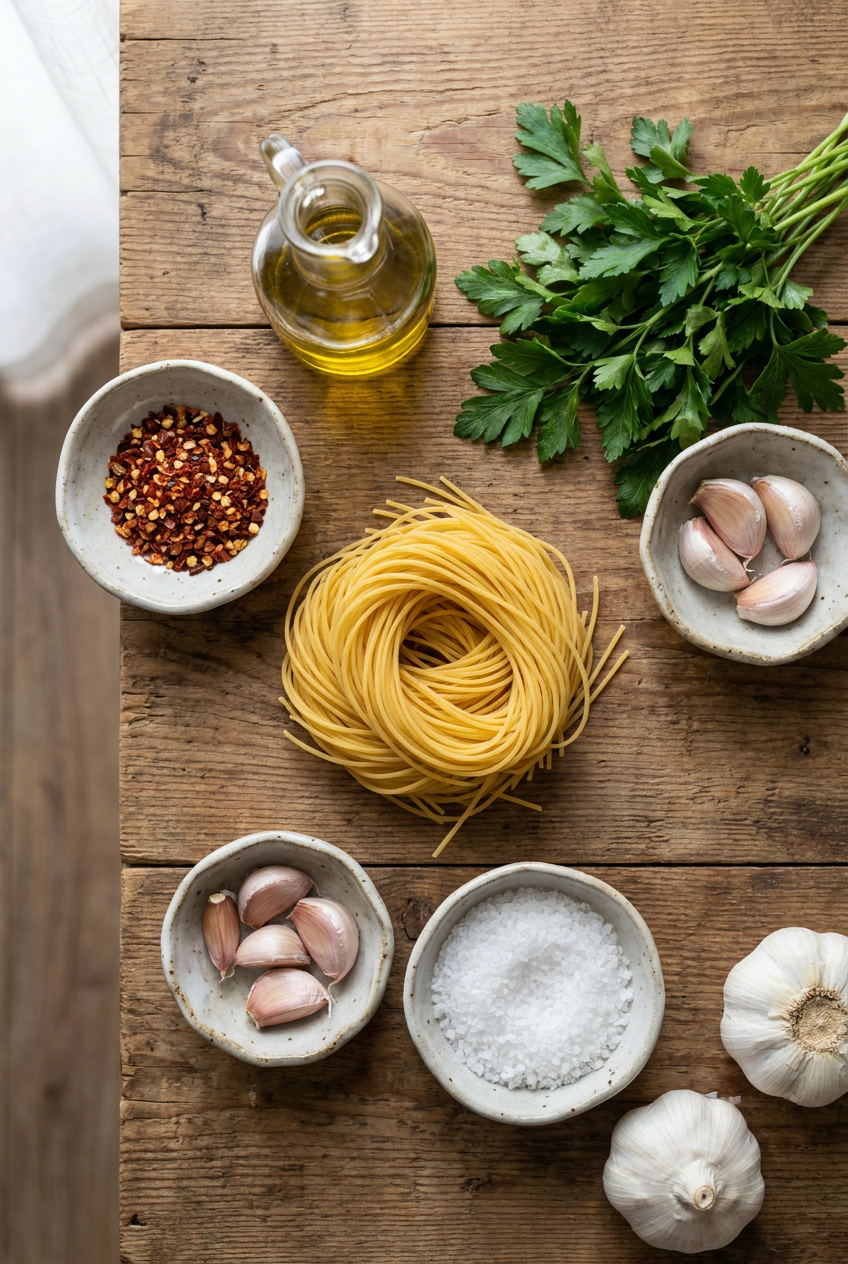
- 1 lb spaghetti, or linguine
- 6 to 8 cloves garlic, thinly sliced
- 1/3 cup extra virgin olive oil, plus more for drizzling
- 1/2 tsp red pepper flakes, adjust to taste
- 1/2 cup fresh flat leaf parsley, finely chopped
- to taste sea salt or kosher salt
- to taste freshly ground black pepper
Optional Garnish
- 1/2 cup freshly grated Parmesan, omit for vegan
- 2 tbsp toasted breadcrumbs
Ingredient Notes
Spaghetti. This is the classic shape for aglio e olio because the long, thin strands catch the glossy oil perfectly. Look for a high quality bronze die cut pasta with a rough, porous surface, it grips the sauce far better than slick, cheap pasta. Linguine works beautifully too if that is what you have, offering a slightly wider surface for the garlicky coating. Gluten free spaghetti can be substituted without any other adjustments, just watch the cooking time closely so it stays al dente and not mushy.
Garlic. This is the soul of the dish, so fresh, firm cloves with tight, unbroken skin are essential. Avoid the pre peeled cloves sold in jars, they lack the pungent sweetness that blooming in oil brings out. Slicing the garlic thinly rather than mincing distributes its flavor more evenly and makes it far less likely to scorch into harsh bitterness. If you only have massive elephant garlic, use it sparingly as its flavor is much milder.
Extra virgin olive oil. Because the sauce is essentially just garlic infused oil, the quality of the olive oil makes a profound difference. Reach for a fruity, peppery extra virgin olive oil that you love the taste of on its own. A cheap, bland oil will result in a flat, unremarkable dish, while a good oil adds layers of grassy, spicy character that bloom when warmed. Store your olive oil in a cool, dark cupboard to keep it fresh.
Red pepper flakes. This adds a subtle, buzzing warmth that cuts through the richness of the oil. The amount here gives a gentle tingle, but you can double it if you love a fiery kick. For a more nuanced heat, crumble a small dried Italian peperoncino into the oil instead. If serving to kids or spice sensitive guests, you can leave it out entirely and pass it at the table.
Parmesan. Purists in Rome often skip the cheese entirely, letting the pure garlic and oil flavors shine. Adding a generous tumble of freshly grated Parmigiano Reggiano right before serving, however, adds a lovely salty, nutty depth that many people love. For a vegan version, simply omit it and lean on the toasted breadcrumbs for a crunchy contrast that mimics a similar savory satisfaction.
How to Make Perfect Classic Spaghetti Aglio e Olio
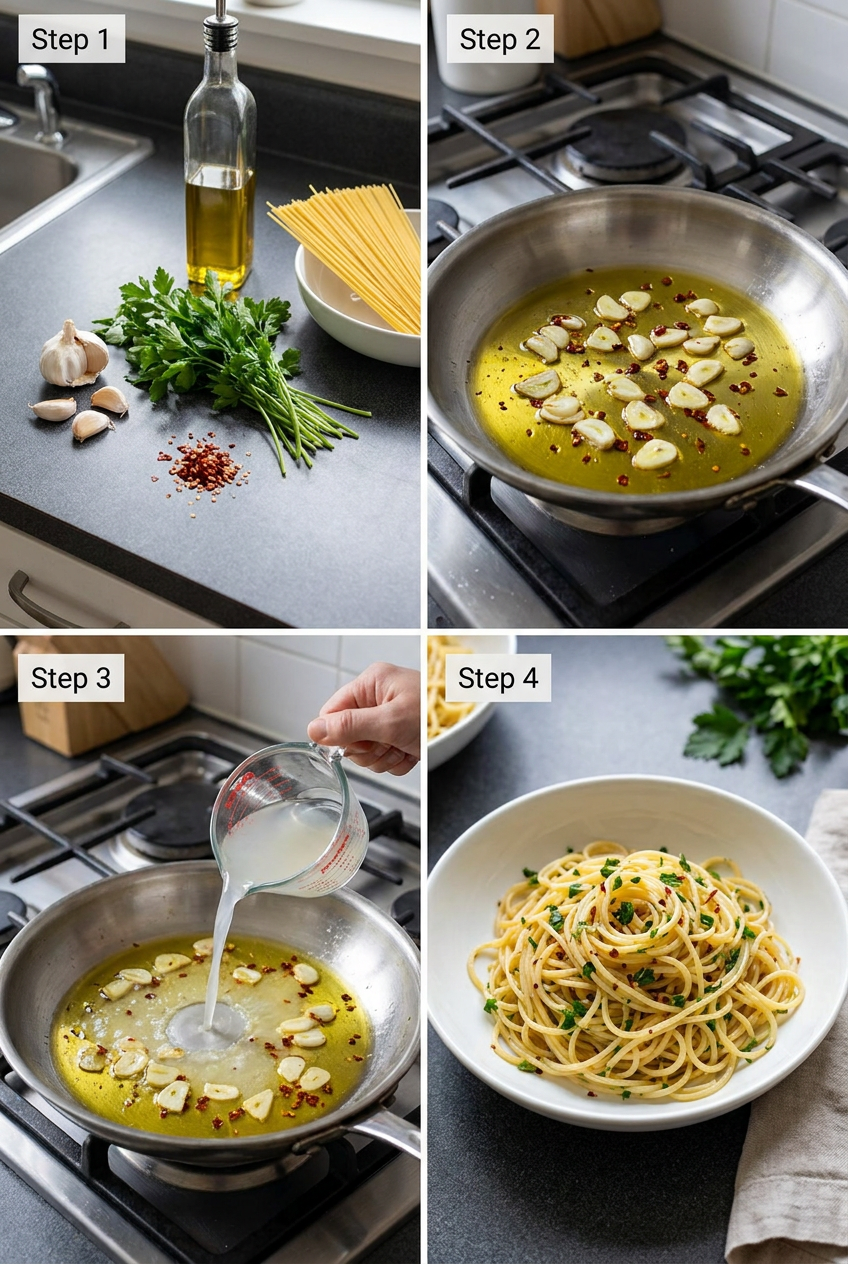
Step 1: Cook the Pasta
Bring a large pot of water to a rolling boil and salt it generously. The water should taste like the sea, which seasons the pasta from the inside out and means you will need less salt later. Add the spaghetti and cook according to the package directions until al dente, usually 8 to 10 minutes. Do not drain the pasta until you have scooped out at least 1 full cup of the cloudy pasta water and set it beside your stove. This starchy liquid is the secret weapon that will turn your oil and garlic into a creamy, emulsified sauce. Drain the pasta quickly, and do not rinse it, the residual starch on the strands is what helps the sauce cling.
Step 2: Infuse the Oil
While the pasta bubbles away, pour the olive oil into a large cold skillet and scatter in the thinly sliced garlic along with the red pepper flakes. Place the skillet over medium low heat and let the oil warm gradually with the garlic already in it. As the oil comes to temperature, you will start to see tiny bubbles shimmer around the garlic slices and hear a faint, friendly sizzle. Stir occasionally and watch closely. The garlic should slowly turn a pale golden color and smell deeply fragrant after about 3 to 4 minutes. The moment you see it approaching a light honey hue, remove the skillet from the heat, it will continue cooking in the residual heat and turn bitter if you let it go dark brown. Starting in cold oil is a foolproof way to extract maximum flavor without crossing into acrid territory.
Step 3: Emulsify and Toss
Pour half a cup of the reserved pasta water directly into the skillet with the garlic and oil. It will sizzle and spit a bit, and that is exactly what you want. Bring the mixture to a gentle simmer over medium heat, letting the water and oil mingle. Add the drained spaghetti straight into the pan. Using a pair of sturdy tongs, toss the pasta vigorously for 1 to 2 minutes, lifting and turning the strands over and over. You will see the liquid in the pan transform from a watery puddle into a glossy, slightly creamy sauce that coats each noodle. If it seems dry or too thick, drizzle in more pasta water a tablespoon at a time and keep tossing until the spaghetti looks shiny and moves as one silky mass. The key here is continuous motion, this agitation forces the starch, oil, and water to emulsify into a sauce that tastes rich but feels light.
Step 4: Finish and Serve
Remove the skillet from the heat and fold in the chopped fresh parsley, along with a generous crack of black pepper. Taste a strand and adjust the salt if needed, though the pasta water likely provided enough. Transfer the glistening pasta to a wide serving bowl or onto individual warmed plates. Finish with a final swirl of good olive oil over the top, and scatter with Parmesan and toasted breadcrumbs if you are using them. Serve immediately, without a moment’s hesitation, because aglio e olio waits for no one and is at its absolute peak right now, when the garlic perfume is still floating up and the strands are hot and perfectly slippery.
Pro Tips and Easy Variations for Your Classic Spaghetti Aglio e Olio
Pro Tips
- Always slice, never mince. Thin, even slices of garlic distribute flavor throughout the dish much more evenly and are far less likely to burn than tiny minced pieces. You get little golden chips that turn sweet and mellow instead of bitter black specks.
- Reserve more water than you think. That cup of pasta water is your insurance policy. You can always adjust the sauce consistency right up until the moment you plate. If a reheat dries it out or the pasta soaks up too much liquid, a splash brings it right back to life.
- Use the best olive oil you can afford. This is not the time for the cheap stuff hiding at the back of the pantry. A vibrant, fruity extra virgin olive oil becomes a true ingredient here, not just a cooking fat, and its flavor will be front and center in every bite.
- Keep the garlic moving as it cooks. Stirring or swirling the pan frequently ensures that no single slice sits against the hot metal for too long. Even cooking is the goal; you want every piece to reach that perfect pale gold at the same moment.
- Warm your serving plates. Aglio e olio loses its magic as it cools. Run your bowls under hot water or pop them in a low oven for a few minutes before you drain the pasta. A warm plate helps keep the dish at the ideal temperature while you eat
Delicious Variations
- Lemon aglio e olio. Grate the zest of one whole lemon into the oil along with the garlic, and squeeze the juice in just before tossing. The bright citrus cuts through the richness and makes the whole dish feel sunnier and more refreshing, perfect for warm weather.
- Anchovy and garlic pasta. Finely chop two oil packed anchovy fillets and add them to the cold oil with the garlic. They will dissolve into the sauce as it warms, creating an incredible savory depth without any fishiness, just a round, umami backbone that makes the dish taste more complex.
- Greens and garlic pasta. Throw a few large handfuls of fresh baby spinach or chopped arugula into the skillet right after you remove it from the heat. The residual warmth wilts the greens just enough so they nestle into the pasta, adding color and a peppery bite that pairs beautifully with the garlic.
- Breadcrumb crunch aglio e olio. Even if you include Parmesan, toasting a handful of coarse breadcrumbs in a dry pan with a tiny pour of olive oil until golden and crisp adds a fantastic textural contrast. Sprinkle them generously over the final dish for a rustic, satisfying crunch in every forkful. If you enjoy playing around with bread based toppings, you might also love trying something sweet like these blueberry lemon ricotta pancakes for a future weekend breakfast.
Serving Suggestions for a Perfect Dinner
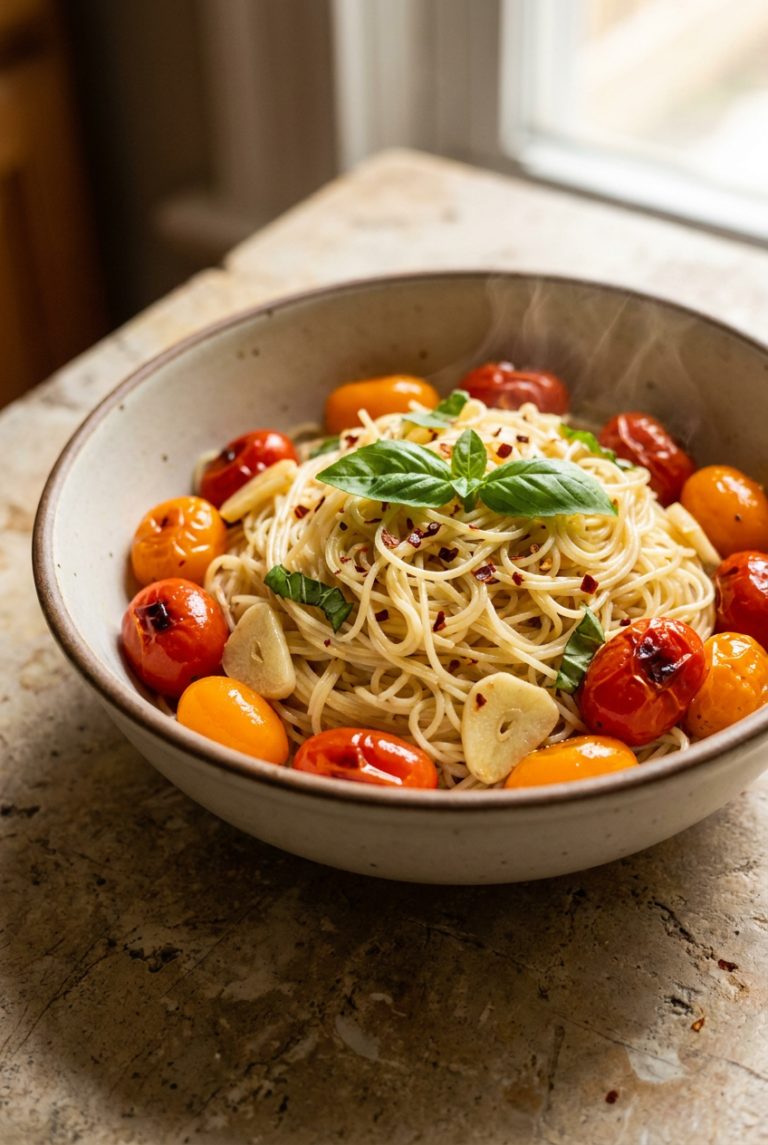
A simple arugula salad dressed with lemon vinaigrette is my favorite companion to this rich, garlicky pasta. The peppery leaves and sharp lemon cut right through the oil, cleansing your palate between bites and keeping the meal from feeling heavy. You can toss a few shavings of Parmesan into the salad to echo the optional cheese on the pasta, and add some toasted pine nuts for extra texture. For a more substantial dinner, serve the spaghetti alongside a platter of roasted cherry tomatoes bursting with juice, or some quickly sautéed shrimp seasoned with just salt and a squeeze of lemon. To drink, a crisp, unoaked white wine like a Vermentino or a lightly chilled Pinot Grigio complements the garlic and oil without overwhelming the delicate flavors.
This recipe is a natural choice for casual dinner parties because it comes together entirely on the stovetop while you chat with guests. You can scale it easily by cooking up to two pounds of pasta in a larger skillet, just double all the ingredients and keep an extra cup of pasta water handy. To turn it into a complete meal, consider starting with an antipasto platter of marinated olives, artichoke hearts, and some prosciutto, then end with a bowl of fresh berries or a simple panna cotta. The pasta itself is satisfying enough to stand alone, but those light accompaniments make the whole meal feel intentional and festive without adding stress to your evening.
Nutrition Information
(Approximate per serving, 4 servings total) Calories: 550, Fat: 22g, Carbohydrates: 62g, Protein: 14g, Fiber: 3g, Sodium: 450mg. Nutritional values are estimates only.
Storage and Make-Ahead Instructions
- Refrigerator: Store leftovers in an airtight container for up to 3 days. The pasta will absorb more oil and the garlic flavor will mellow, but it still tastes wonderful. Just know the texture will be softer and less glossy than when freshly made.
- Freezer: Freezing is not recommended because cooked spaghetti becomes mushy and the oil based sauce can separate upon thawing. If you must, freeze for up to 1 month, but expect a noticeably less pleasant texture.
- Reheating: The best method is to place the cold pasta in a skillet over medium low heat with a splash of water or a little extra olive oil. Toss gently with tongs until heated through and the sauce loosens up again, about 3 to 4 minutes. Avoid the microwave if possible, it tends to make the pasta rubbery and unevenly hot.
- Make-Ahead: This dish is truly best prepared right before eating, but you can slice the garlic and chop the parsley a few hours ahead. Keep the garlic covered in the fridge and the parsley wrapped in a damp paper towel. Everything will come together in the time it takes to boil the water.
Your Classic Spaghetti Aglio e Olio Questions Answered
Can I make this classic spaghetti aglio e olio recipe with gluten-free pasta?
Absolutely. Use a high quality gluten-free spaghetti and cook it according to the package directions. Gluten-free pasta tends to release more starch into the water, which can actually help create an even creamier sauce. Just be extra careful when draining not to overcook it, as it can go from al dente to mushy quickly.
How do I keep the garlic from burning?
The trick is starting with a cold skillet and keeping the heat at medium low. Thinly sliced garlic, rather than minced, gives you more control. Watch for the slices to gently turn pale gold and smell fragrant. The moment they reach that stage, pull the pan off the heat or add the pasta water to stop the cooking. Any darker than pale gold and the garlic will taste bitter.
Why is my sauce oily and not creamy?
You likely didn’t use enough starchy pasta water or didn’t toss the pasta vigorously enough to emulsify the liquid. The starch in the water acts as a binder between the oil and water, while the tossing motion creates a creamy coating. Add more pasta water a little at a time and keep tossing until the sauce looks glossy and clings to the strands.
Can I use dried parsley instead of fresh?
Fresh flat leaf parsley is highly recommended for its bright, clean flavor and soft texture, which balance the rich oil. Dried parsley lacks the same freshness and will taste more dusty than vibrant. In a pinch, you could use a small amount, but it won’t provide the same lift.
What is the best olive oil for aglio e olio?
Choose an extra virgin olive oil that you enjoy the taste of on bread. Look for one described as fruity or peppery, these characteristics will carry through the dish. Avoid anything labeled simply “light” olive oil or a bland refined oil, as they won’t contribute flavor.
Can I add protein like chicken or shrimp?
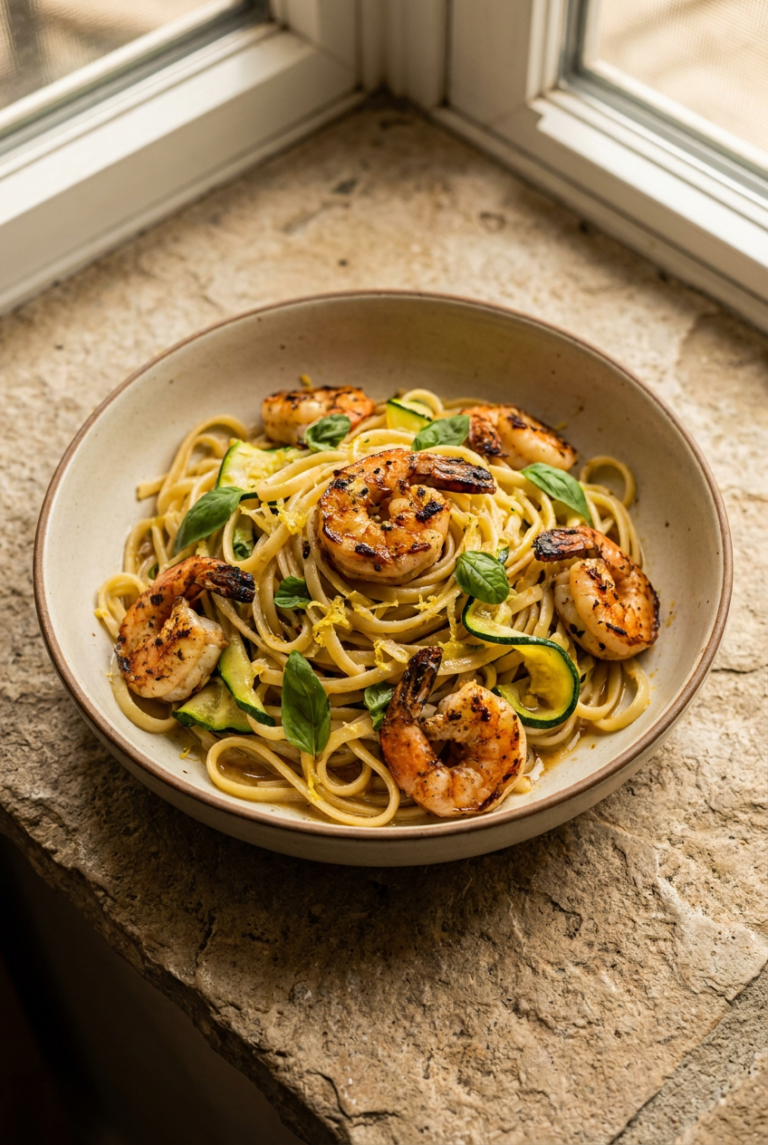
Certainly. For shrimp, sauté them in the skillet with a little oil and garlic first, then remove and set aside before starting the aglio e olio process. Fold them back in at the end. For chicken, grilled or pan-seared slices placed on top work well. Keep in mind that the dish becomes heavier, but it’s a great variation.
How can I make this vegan without losing flavor?
Simply omit the Parmesan and lean on toasted breadcrumbs for a savory crunch. You can also add a sprinkle of nutritional yeast for a cheesy note if you like. The dish remains deeply satisfying because the garlic and good olive oil do most of the heavy lifting.
My pasta clumped together. What went wrong?
Stir the pasta immediately after adding it to the boiling water and occasionally during cooking. Also, ensure you used a large enough pot with plenty of water, crowded pasta sticks. If it clumps in the pan, add a little extra pasta water and toss vigorously to separate the strands while reheating.
More Incredible Italian Recipes to Try
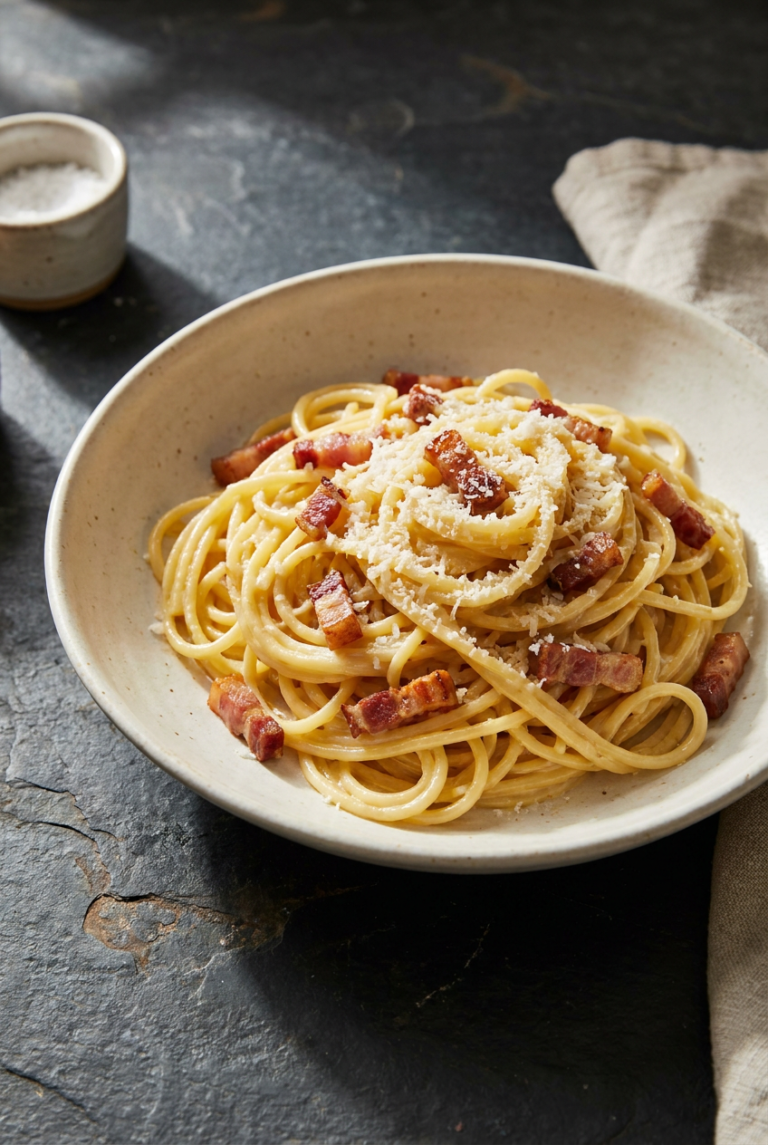
If you loved the simplicity and deeply savory notes of this spaghetti aglio e olio, you likely appreciate Italian cooking that lets a handful of quality ingredients shine. For another weeknight classic that fills your home with a similarly irresistible aroma, consider a hearty Moroccan chicken tagine which, while not Italian, shares that same slow-building warmth and comforting spiced magic. Or return to the Italian pantry with a collection of pasta dishes that are just as straightforward and satisfying, like cacio e pepe, where Pecorino Romano and black pepper create an equally creamy, peppery sauce using only pasta water and technique. Carbonara, with its silky egg and guanciale coating, is another triumph of minimal ingredients that feels like a restaurant experience at home.
Beyond pasta, Italian cuisine offers endless ways to make a quick dinner feel special. A classic Margherita pizza baked on a hot stone gives you that same minimalist approach with dough, fresh mozzarella, basil, and tomatoes. Or try a rustic panzanella salad when summer tomatoes are at their peak, letting bread soak up vibrant olive oil and vinegar. Each of these recipes, like aglio e olio, rewards you for paying attention to the small details and trusting your instincts. And if you are in the mood for something entirely different but equally magical, those fluffy Japanese souffle pancakes are a whimsical treat for a leisurely morning.
The Story Behind This Classic Spaghetti Aglio e Olio
Aglio e olio, which simply means garlic and oil in Italian, hails from Naples and the Lazio region, but its heart truly beats in Rome. The dish emerged from la cucina povera, the peasant kitchen, where cooks relied on inexpensive, shelf stable ingredients to create nourishing meals. With just garlic, olive oil, dried chiles, and pasta, they built a sauce that was both humble and luxurious. It was common late night fare, thrown together after an evening out, quick enough to stifle hunger before falling into bed. The starch laden water from the pasta, never discarded, provided the magic that bound the other ingredients together into a velvety cloak.
Today, aglio e olio remains a staple in Roman homes and trattorias alike, celebrated for its straightforwardness. Every nonna has her own slight adjustment, some add a splash of white wine, others stir in a bit of lemon zest, and a few swear by a generous handful of both Parmigiano and pecorino. When I make this at home, I think about the centuries of cooks who found comfort in the same sizzle of garlic hitting warm oil. It connects me to a tradition that values resourcefulness and flavor above all, and that is a story worth sharing every time I twirl a forkful.
Pin This Classic Spaghetti Aglio e Olio Recipe for Later
Love this recipe? Save it to your favorite Pinterest board so you can find it again easily. Share it with friends and family who would enjoy making it too.
I truly hope you try this classic spaghetti aglio e olio and that it becomes one of your most reached-for recipes, just as it is in my kitchen. When you make it, I would love to hear how it turned out, especially if you added lemon or anchovies or decided to keep it beautifully pure. Leave a comment below and let me know which variation you tried, or share your own twist that makes this dish feel like yours.
Classic Spaghetti Aglio e Olio
Ingredients
Method
- Bring a large pot of generously salted water to a boil. Add spaghetti and cook until al dente according to package directions, usually about 8–10 minutes. Reserve 1 cup of pasta water before draining.
- While the pasta cooks, combine olive oil, sliced garlic, and red pepper flakes in a large cold skillet. Place over medium-low heat and cook, stirring occasionally, until garlic turns pale golden and fragrant, about 3–4 minutes. Do not let it brown.
- Add 1/2 cup of reserved pasta water to the skillet and bring to a simmer. Add the drained pasta directly to the skillet. Toss vigorously with tongs for 1–2 minutes to coat the strands in the glossy, emulsified sauce; add more pasta water if needed to keep it silky.
- Remove from heat. Fold in the parsley, season with salt and pepper to taste. Transfer to a serving bowl, drizzle with a little fresh olive oil, and top with Parmesan and breadcrumbs if desired. Serve immediately.
Disclosure: This post may contain affiliate links. If you purchase through our links we may earn a small commission at no extra cost to you.
If you made this Classic Spaghetti Aglio e Olio, please leave a comment below and let me know how it turned out.