Classic Italian Marinara Sauce Recipe, Easy Italian Dinner in 45 Minutes
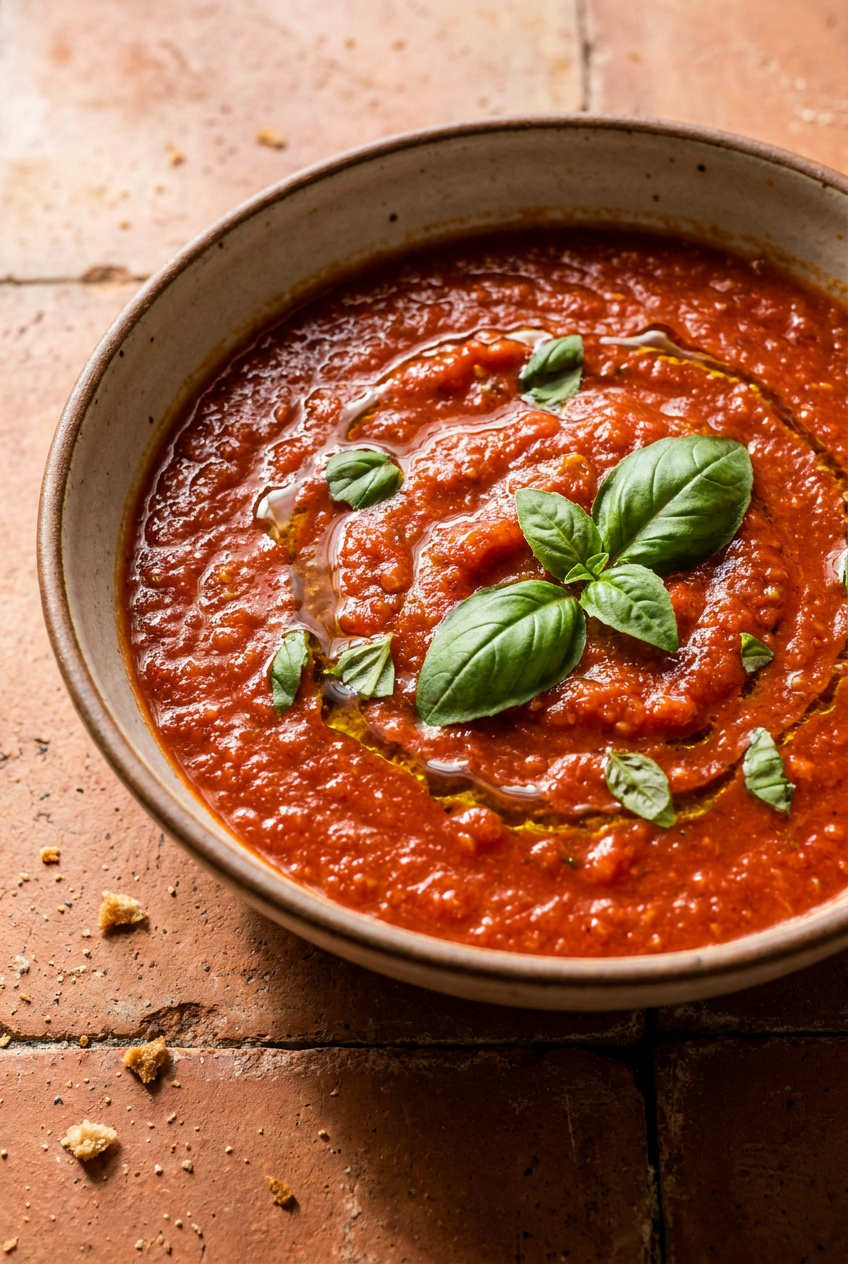
Table of Contents
- Classic Italian Marinara Sauce: A rich, herbaceous classic Italian marinara that beats any store-bought version.
- Why You Will Love This Classic Italian Marinara Sauce Recipe
- Your Simple Ingredients for the Perfect Classic Italian Marinara Sauce
- How to Make Perfect Classic Italian Marinara Sauce
- Pro Tips and Easy Variations for Your Classic Italian Marinara Sauce
- Serving Suggestions for a Perfect Italian Dinner
- Nutrition Information
- Storage and Make-Ahead Instructions
- Your Classic Italian Marinara Sauce Questions Answered
- More Incredible Italian Recipes to Try
- The Story Behind This Recipe
- Pin This Recipe for Later
Classic Italian Marinara Sauce: A rich, herbaceous classic Italian marinara that beats any store-bought version.
I still remember the first time I stood over a simmering pot of homemade marinara, wooden spoon in hand, a dishtowel slung over my shoulder, feeling like the keeper of some ancient secret. The kitchen filled with the scent of garlic sizzling in good olive oil, the faintly sweet tang of crushed tomatoes bubbling away, and the peppery promise of torn basil waiting at the finish. That sauce, made from nothing more than pantry staples and a little patience, changed the way I cook. After years of trying countless variations, this classic Italian marinara sauce recipe is the one I return to again and again. It captures everything I love about simple, honest Italian cooking: layers of flavor built from a few quality ingredients, a sauce that clings lovingly to pasta, and the quiet pride that comes from making something truly from scratch.
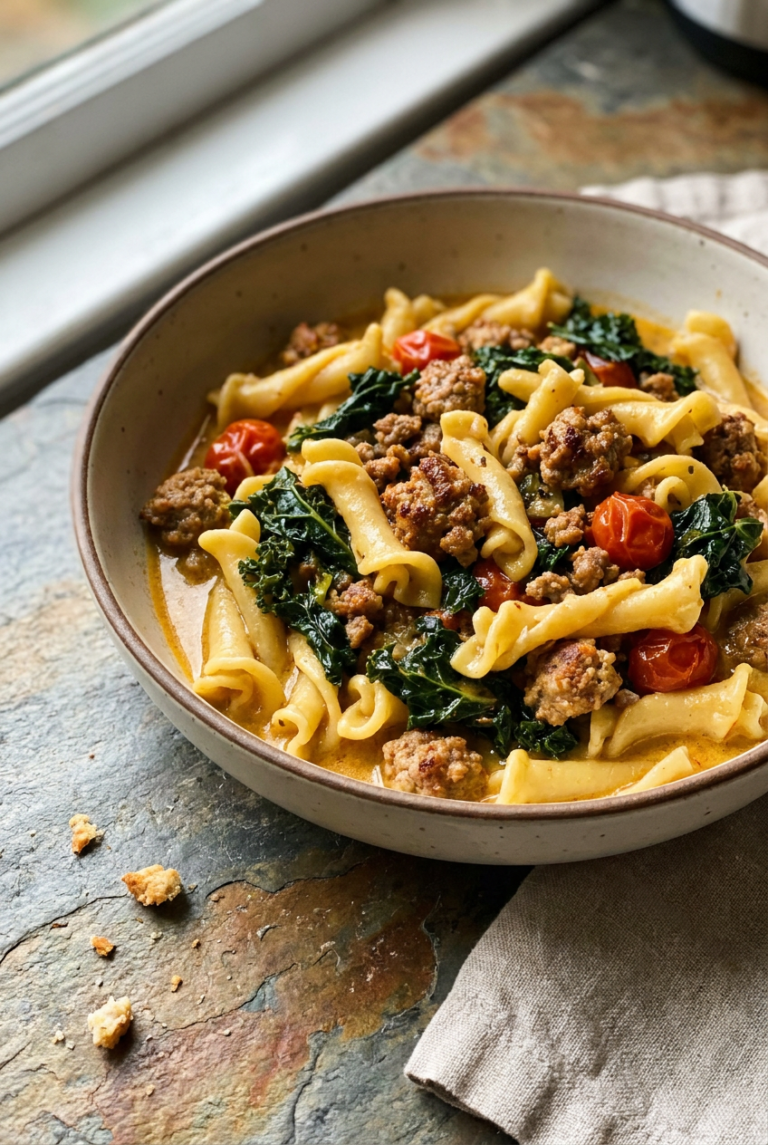
What sets this homemade classic Italian marinara sauce apart is the deliberate, gentle approach that lets each ingredient shine. Instead of dumping pre-crushed tomatoes into a pot, you start with whole peeled San Marzano tomatoes, crushing them by hand to control the texture. A slow sauté of onion and garlic builds a sweet, aromatic foundation. Dried oregano and a whisper of red pepper flakes bloom in the warmth, and a final swirl of cold butter or olive oil transforms the sauce into something impossibly silky. There is no sugar, no shortcuts, just the right techniques to coax out the deepest, most rounded tomato flavor. When I want a meal that feels like a warm embrace, this sauce is my answer; it’s as deeply comforting as a slowly braised Moroccan chicken tagine but comes together in a fraction of the time.
I developed this recipe for anyone who craves a truly delicious, versatile sauce that works hard in the kitchen. It is perfect for a busy weeknight when you need a 30-minute dinner that tastes like you tended it all day. It is the ideal base for a pizza party, a hero for baked pasta dishes, or the dip you keep warm for crusty bread on a casual evening. This easy classic Italian marinara sauce is also wonderfully forgiving for beginners yet nuanced enough for seasoned cooks who appreciate authentic flavor. Whether you’re feeding a family, meal prepping for the week, or simply wanting to fill your home with that unmistakable Italian Sunday supper aroma, I promise this recipe will earn a permanent spot in your heart and your recipe box.
Why You Will Love This Classic Italian Marinara Sauce Recipe
- Effortless pantry cooking. The backbone of this sauce relies on humble, shelf-stable ingredients you likely already have. A can of excellent tomatoes, an onion, garlic, and dried herbs transform into something restaurant-worthy with minimal effort.
- Incredibly fast and efficient. From chopping the onion to ladling sauce over pasta, you are looking at a total of 45 minutes. The actual active work is less than 15 minutes, leaving you free to prep the rest of dinner or simply relax.
- Deep, authentic flavor without all-day simmering. A gentle 30-minute simmer concentrates the tomatoes and melds the aromatics beautifully. You get that slow-cooked taste without needing to stand over the stove for hours.
- Texture exactly the way you like it. Because you crush the whole tomatoes yourself, you decide whether the sauce is rustic and chunky, perfectly smooth, or somewhere in between. A quick pass with an immersion blender gives you a velvety finish.
- Endlessly versatile. This sauce is not just for spaghetti. Use it as a pizza base, a dipping sauce, a braising liquid for meatballs, or a bed for baked eggs. It plays well with every cuisine and adapts beautifully to seasonal vegetables.
- Made with love, not additives. You control every ingredient that goes into the pot. No hidden sugars, no preservatives, just real food that tastes fresh and vibrant. It freezes so well that you can always have a jar of homemade goodness on hand.
Your Simple Ingredients for the Perfect Classic Italian Marinara Sauce
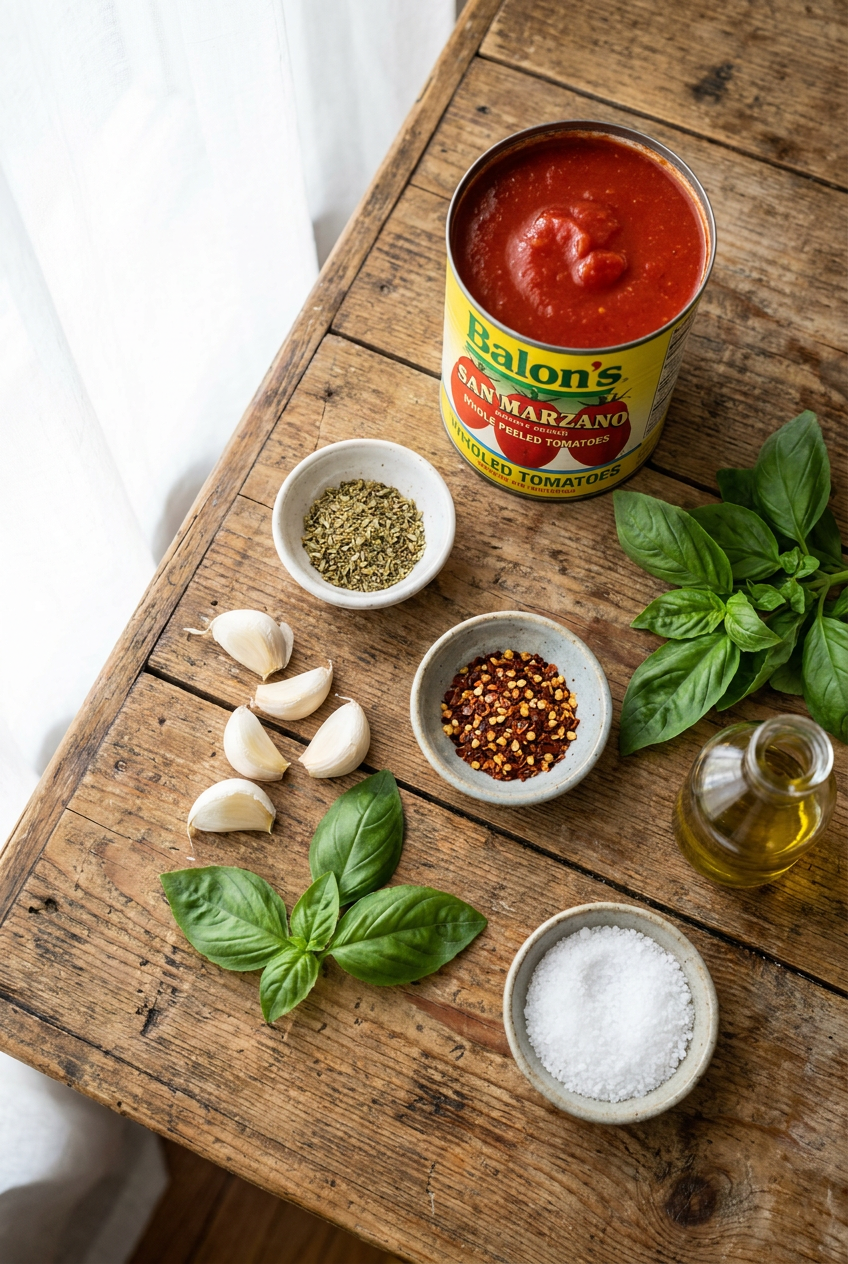
Aromatics
- 3 tbsp extra-virgin olive oil, divided
- 1 medium yellow onion, finely chopped
- 4 cloves garlic, minced
Sauce Base
- 1 can (28 oz) whole peeled San Marzano tomatoes, certified DOP preferred
- 1 tsp dried oregano
- 1/2 tsp red pepper flakes, optional, to taste
- 1 tsp sea salt, plus more to taste
- 1/2 tsp freshly ground black pepper
Finishing
- 1/4 cup fresh basil leaves, torn, plus more for garnish
- 2 tbsp unsalted butter or vegan butter, optional, for richness
- to taste grated Parmigiano-Reggiano or nutritional yeast, for serving
Ingredient Notes
Extra-virgin olive oil. This is both the cooking fat and a finishing element, so choose a fruity, peppery oil with good flavor. It carries the aromatics and later adds a grassy, luxurious note right before serving. If your oil tastes bitter, it can throw off the whole sauce, so I always use a brand I trust.
Yellow onion. The onion provides natural sweetness and body as it slowly softens. Finely chopping it ensures it melds into the sauce rather than remaining in large pieces. A white onion works in a pinch, but yellow onions have a deeper, more rounded sweetness that marries beautifully with tomatoes.
Garlic. Fresh garlic absolutely matters here. Mince it just before cooking so the volatile aromatic compounds stay potent. Be careful not to let it brown, because burnt garlic turns acrid and bitter, ruining the sauce’s delicate balance.
Whole peeled San Marzano tomatoes. The star of the show. San Marzano tomatoes, especially those with DOP certification, are prized for their low acidity, dense flesh, and intense sweet-tomato flavor. Whole tomatoes hold better quality than pre-crushed, and crushing them by hand releases the perfect amount of juice and pulp. If you cannot find San Marzano, look for another high-quality whole tomato packed in juice, not puree.
Dried oregano. Dried herbs bloom better during simmering than fresh ones here. Oregano adds that unmistakable Italian herbaceous backbone. Make sure your dried oregano is still fragrant; a sniff test is reliable. If it smells dusty, replace it.
Red pepper flakes. Optional but highly recommended. A modest amount adds warmth without overt heat, waking up all the other flavors. You can adjust the amount to your preference or omit it entirely for a milder sauce.
Fresh basil. Torn basil leaves at the end provide a burst of fresh, peppery sweetness that lifts the sauce. Never simmer basil for long periods, because its delicate flavor dissipates. Garnish with extra leaves for a final pop of color and aroma.
Unsalted butter (or vegan butter). Stirring in cold butter at the end is a traditional French technique that Italian cooks also adore. It gives the sauce a glossy, velvety finish and rounds out any sharp edges. If you avoid dairy, a good plant-based butter works beautifully, or simply use an extra tablespoon of olive oil.
Parmigiano-Reggiano or nutritional yeast. A generous snowfall of cheese adds savory depth and saltiness. Nutritional yeast offers a similar umami effect and a nutty complexity for dairy-free needs. Always grate your own cheese for the best melting texture.
How to Make Perfect Classic Italian Marinara Sauce
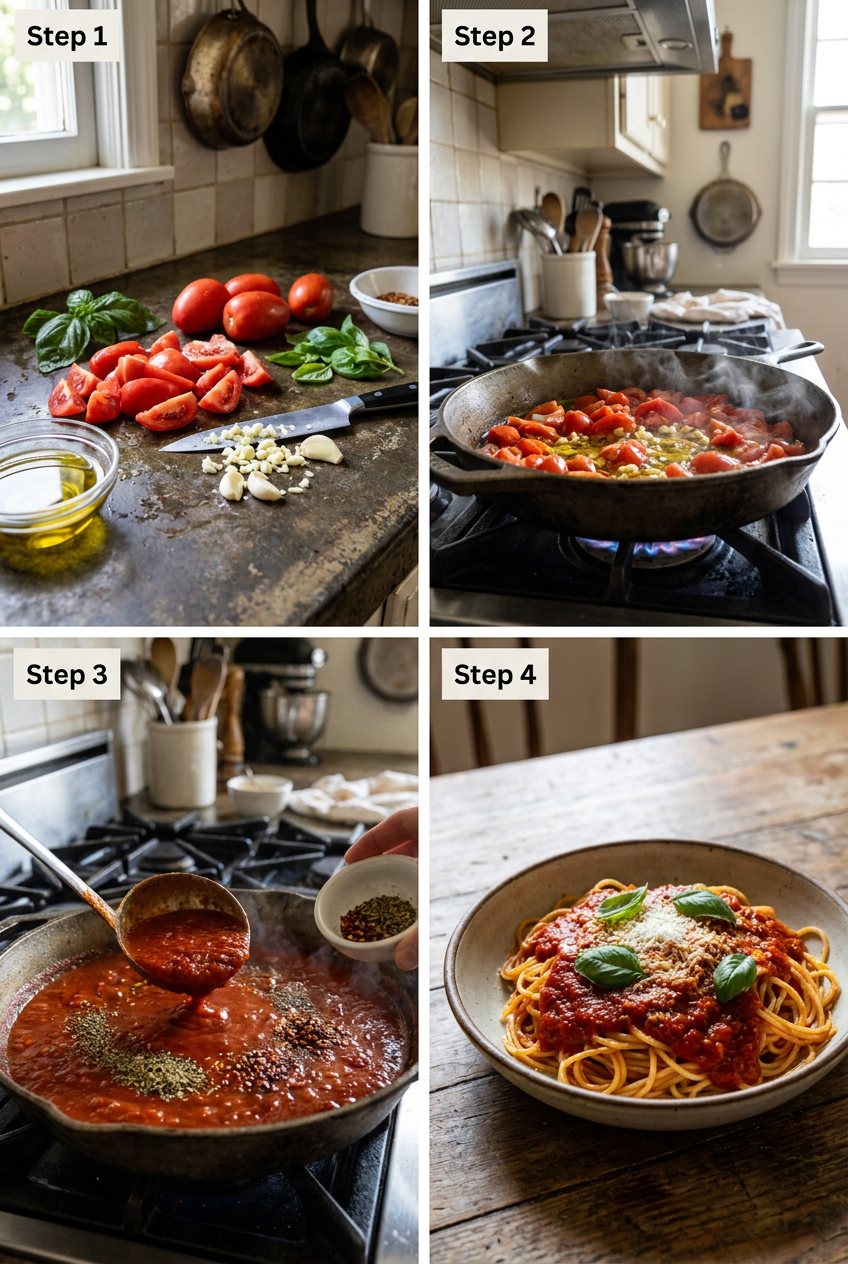
Step 1: Sauté the aromatics
Set a large skillet or wide saucepan over medium heat and add 2 tablespoons of the olive oil. Once the oil shimmers, tip in the finely chopped onion. Stir it gently and let it cook, adjusting the heat if it sizzles too violently. You want the onion to turn translucent and soft, releasing its natural sugars, which takes about 5 to 6 minutes. The kitchen will start to smell sweet and inviting. At this point, add the minced garlic and, if you enjoy a gentle kick, the red pepper flakes. Cook for just 1 minute, stirring constantly, until the garlic smells fragrant but has not taken on any color. Pro tip: If you like a little heat, adding the red pepper flakes now blooms their spice in the warm oil, distributing it evenly throughout the sauce.
Step 2: Crush and add tomatoes
Pour the entire can of whole tomatoes along with their juices into the pan. Take a potato masher, the back of a sturdy wooden spoon, or even your impeccably clean hands, and gently crush the tomatoes right in the pan. Aim for a consistency that pleases you: some prefer a chunky, rustic texture with visible tomato pieces, while others want a nearly smooth base. Sprinkle in the dried oregano, sea salt, and black pepper, stirring everything together. The sauce will look quite liquid at this stage, but that is exactly right. Pro tip: For a smoother sauce, crush more thoroughly now or plan to use an immersion blender at the very end. You can also pulse the canned tomatoes very briefly in a blender before adding them if you dislike any texture.
Step 3: Simmer the sauce
Bring the mixture to a gentle bubble, then immediately reduce the heat to low so you see just a few lazy bubbles breaking the surface. Leave the pan uncovered and let the sauce simmer for 25 to 30 minutes, giving it a stir every now and then to prevent any sticking on the bottom. You will notice the sauce slowly thicken, its color deepening from bright red to a richer, more burnished hue. The aroma that fills the kitchen reminds me of the sweet, fragrant anticipation I get when making blueberry lemon ricotta pancakes on a lazy weekend morning, both recipes reward patience with something truly special. If at any point the sauce seems too thick, add a small splash of water or reserved starchy pasta cooking water to loosen it. Pro tip: The longer you simmer, the more the flavors meld. A quick 25 minutes delivers a bright, fresh sauce, while a full 45 minutes gives you a deeper, more concentrated taste.
Step 4: Finish and serve
Remove the pan from the heat. Pour in the remaining 1 tablespoon of olive oil and scatter the torn fresh basil across the surface. If you are using butter, drop it in now and swirl the pan gently to melt it into the sauce, which will take on a glossy sheen. Taste the sauce and decide if it needs another pinch of salt or a crack of pepper; seasoning after simmering is crucial because flavors intensify. Ladle generously over your favorite pasta, top with more basil and a flurry of grated cheese, and serve immediately. Pro tip: Always taste and adjust the seasoning at this final stage because salt concentration increases as liquid evaporates. A perfectly balanced sauce should taste vibrant and just faintly sweet.
Pro Tips and Easy Variations for Your Classic Italian Marinara Sauce
Pro Tips
- Use certified San Marzano tomatoes for authentic sweet, low-acid flavor. These tomatoes are grown in the volcanic soil near Mount Vesuvius, giving them a unique mineral richness. The DOP label guarantees you’re getting the real thing, not a generic plum tomato.
- For an even silkier texture, add a tablespoon of cold butter at the very end. The butter emulsifies into the warm sauce, creating a velvety mouthfeel that coats pasta beautifully. This trick rivals the texture of sauces that have simmered for hours.
- Save some starchy pasta water to thin the sauce and help it cling to the noodles. The cloudy, salted water from cooking pasta is liquid gold. Add a splash if the sauce feels too thick, and the starch will bind everything together.
- Slice garlic instead of mincing for a mellower taste. If you prefer a garlic presence that whispers rather than shouts, cut the cloves into thin slices and remove them before serving or leave them for a rustic bite.
- Bloom dried herbs in the oil for maximum flavor. Adding oregano and pepper flakes to the warm oil with the garlic releases fat-soluble flavor compounds, infusing the entire sauce more effectively than if added with the tomatoes.
- Food safety reminder: cook eggs until both the white and the yolk are firm. When preparing any recipe that involves eggs, such as a carbonara or a rich egg pasta dough to serve with this sauce, always ensure proper doneness to prevent foodborne illness.
Delicious Variations
- Spicy Arrabbiata. Increase the red pepper flakes to a full teaspoon, adding them with the garlic. This version brings a fiery kick that wakes up the palate, perfect for those who love bold heat.
- Puttanesca. Stir in 1/4 cup each of pitted Kalamata olives and capers, plus 2 finely chopped anchovy fillets, during the last 10 minutes of simmering. The sauce becomes briny, punchy, and deeply savory.
- Creamy Rosa Sauce. At the very end of cooking, swirl in 2 to 3 tablespoons of heavy cream or a splash of unsweetened plant-based creamer. The result is a pink, luxurious sauce that feels indulgent but still bright.
- Seafood Marinara. During the final 5 minutes of simmering, nestle raw shrimp, mussels, or clams into the sauce and cover the pan until they cook through. The seafood juices mingle with the tomato, creating a fragrant coastal dish.
If you enjoy the art of simple, transformative cooking, you’ll also love our fluffy Japanese souffle pancakes, where a gentle touch and quality ingredients create something truly ethereal.
Serving Suggestions for a Perfect Italian Dinner
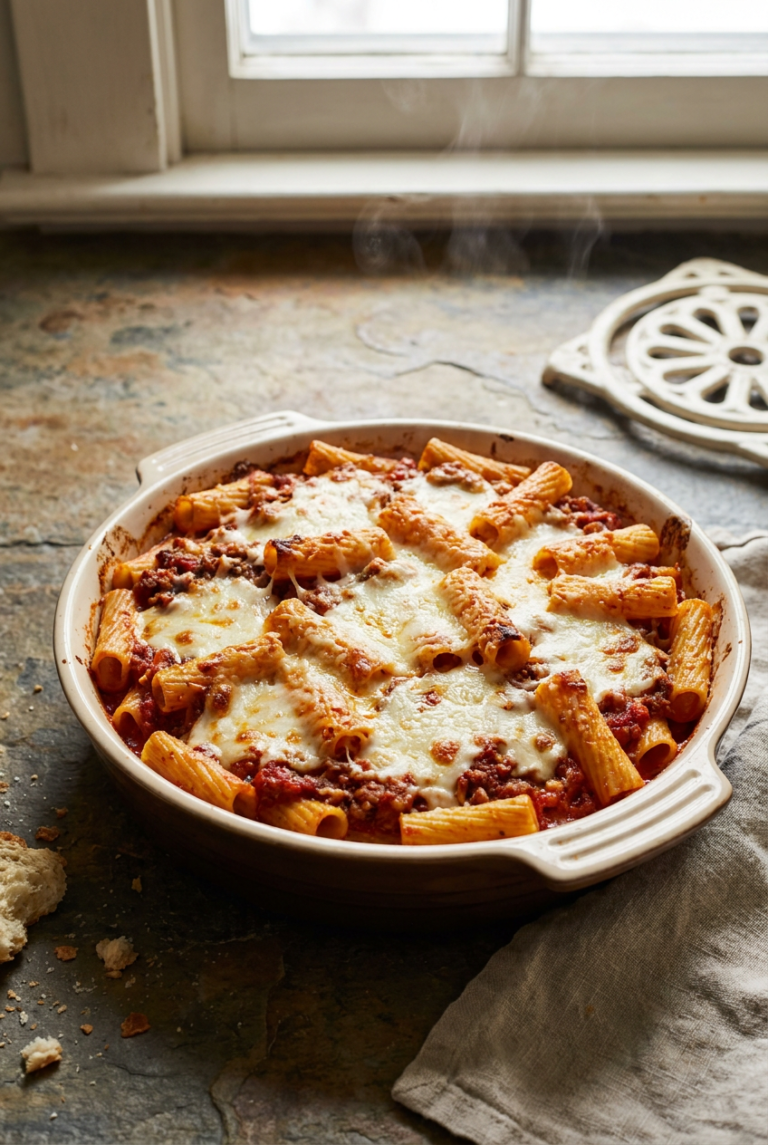
This classic Italian marinara sauce is born to be tossed with al dente spaghetti, bucatini, or penne. Beyond pasta, spoon it over crispy chicken Parmesan, layer it into a bubbling lasagna, or spread it onto pizza dough as a deeply flavorful base. For a rustic appetizer, keep a bowl of the sauce warm and serve it alongside thick slices of grilled or toasted crusty bread rubbed with garlic. A simple side salad of arugula with lemon vinaigrette and a glass of chilled Chianti or a medium-bodied Sangiovese completes the meal beautifully. The sauce’s brightness pairs wonderfully with a crisp white wine like Vermentino if you prefer.
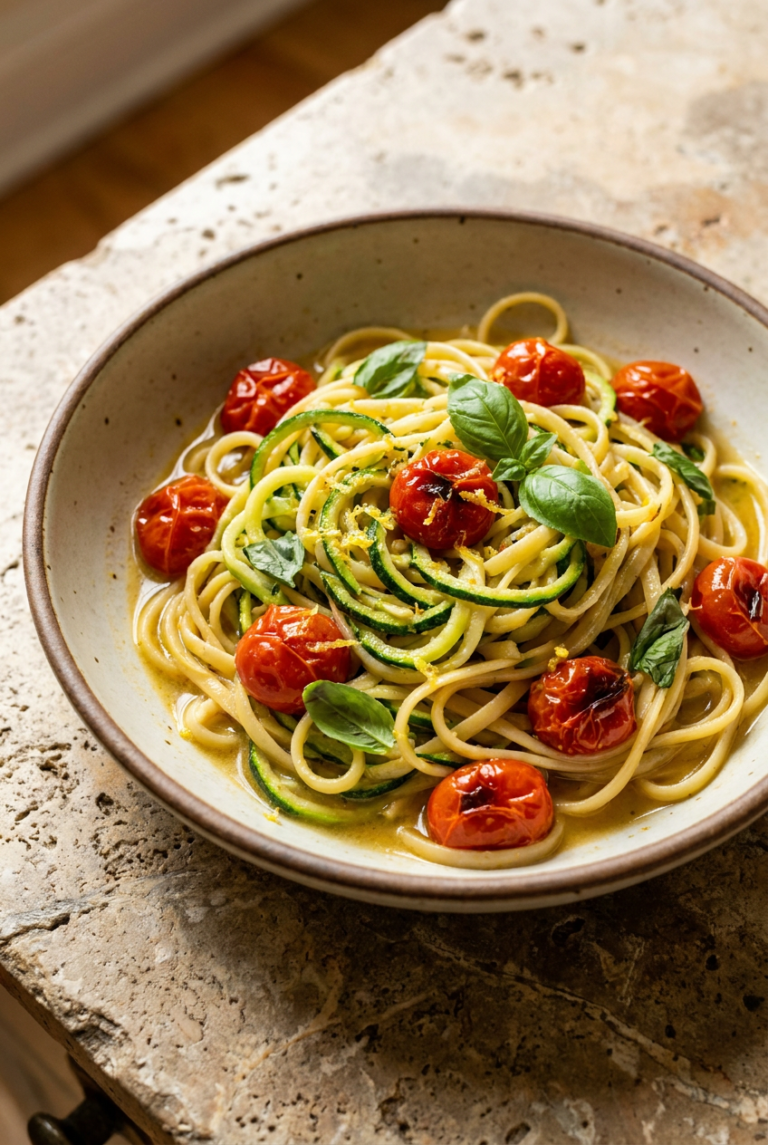
This dish shines at casual family dinners, romantic date nights, and even potlucks because it scales effortlessly. To feed a crowd, simply double or triple the recipe using a larger pot, adding an extra 10 minutes to the simmer. Make it a complete meal by serving the pasta with a generous platter of roasted vegetables, a bowl of shaved Parmesan, and a loaf of warm focaccia. For a lighter option, use the sauce over spiralized zucchini noodles or roasted spaghetti squash, then finish with a drizzle of extra-virgin olive oil and fresh herbs.