Authentic Roman Carbonara Recipe, Easy Italian Dinner in 35 Minutes
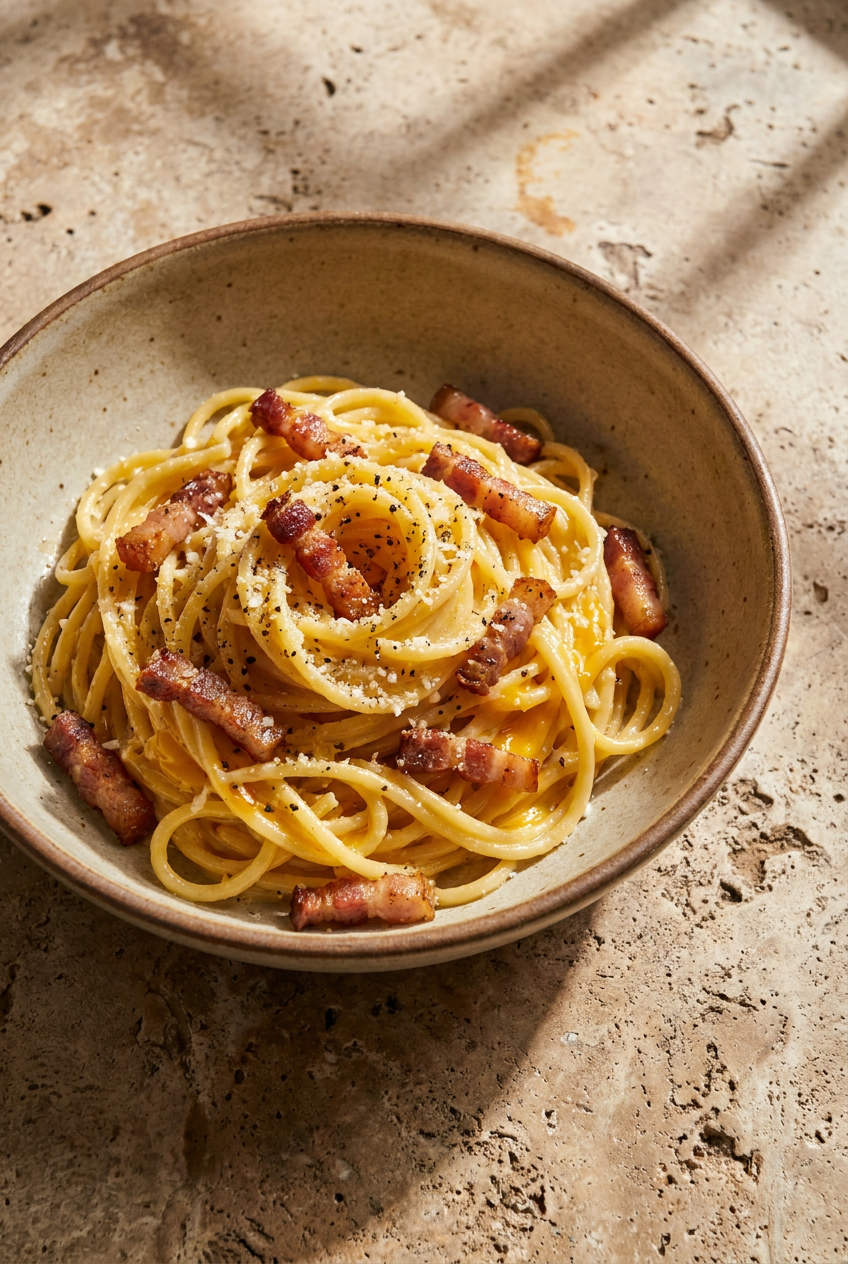
Table of Contents
- Authentic Roman Carbonara: A luxuriously creamy, no-cream pasta that comes together in minutes with just a handful of ingredients.
- Why You Will Love This Authentic Roman Carbonara Recipe
- Your Simple Ingredients for the Perfect Authentic Roman Carbonara
- How to Make Perfect Authentic Roman Carbonara Recipe
- Pro Tips and Easy Variations for Your Authentic Roman Carbonara
- Serving Suggestions
- Nutrition Information
- Storage and Make-Ahead Instructions
- Your Authentic Roman Carbonara Questions Answered
- More Incredible Italian Recipes to Try
- The Story Behind This Recipe
- Pin This Recipe for Later
Authentic Roman Carbonara: A luxuriously creamy, no-cream pasta that comes together in minutes with just a handful of ingredients.
If you have ever searched for an authentic Roman carbonara recipe that truly delivers the silky, no-cream magic of the Eternal City, you have found it. I still remember the first time I sat at a tiny plastic table in Testaccio, a neighbourhood where the aroma of guanciale sizzling in fat drifts through cracked windows. The waiter set down a plate of carbonara so glossy and pale gold it looked almost like a sauce made of sunshine. I took a bite and waited for the heaviness of cream that never came. Instead there was only a luxurious coating of egg, sharp Pecorino, and black pepper clinging to each strand. I had been eating carbonara wrong my entire life. That moment rewired my understanding of Roman cooking and sparked a deep obsession with recreating it at home, precisely as they do.
What makes this authentic Roman carbonara recipe different from the countless imitations is a stubborn refusal to cut corners. You will find no cream, no garlic, and certainly no pre-shredded cheese from a green can. True carbonara is an emulsion, a delicate balance of rendered pork fat, egg, aged sheep cheese, and starchy pasta water. The technique I share here includes one crucial step that sets this recipe apart: gently pasteurising the egg mixture in a double boiler to 160°F. That tiny bit of control eliminates any risk of raw eggs while guaranteeing a smooth, glossy sauce that never scrambles. Much like a fluffy Japanese souffle pancake depends on precise folding and steady heat, carbonara asks you to pay careful attention to temperature and timing. The reward is a dish that tastes exactly as it should: soulful, simple, and shockingly good.
This recipe is for anyone who craves a restaurant-quality Italian dinner that feels special but comes together quickly on a busy Tuesday. It is perfect for a quiet date night in, for showing off to food-loving friends, or for the moment when you simply want a bowl of pasta that hugs you back. Because the ingredient list is so short, every element matters, and that is the beauty of it. You will learn to taste the difference that real guanciale and freshly cracked pepper can make. I have written every instruction with the clarity I wish I had when I was standing in my kitchen trembling over a hot skillet, terrified of scrambled eggs. You can do this, and once you taste the result, you will never look back.
Why You Will Love This Authentic Roman Carbonara Recipe
- Incredibly fast, truly satisfying. From the moment you start rendering the guanciale to the first twirl of your fork, you are looking at only about 35 minutes for a complete dinner. The majority of that time is hands-off simmering, so you can boil water and whisk the egg mixture while the pork turns golden and crisp.
- No cream, all luxury. The sauce achieves a voluptuous creaminess entirely from egg yolks, Pecorino, and starchy pasta water. You will never again believe that heavy cream belongs anywhere near a carbonara, and your palate will thank you for the clean, savoury depth that real Roman technique provides.
- Authentic flavour in your own kitchen. Guanciale delivers a deep, sweet porkiness with ribbons of buttery fat that melt into the sauce, carrying the distinct peppery bite of freshly cracked black pepper. This is exactly what you would taste in a no-frills trattoria in Trastevere.
- Foolproof temperature control. By gently heating the egg-cheese mixture in a double boiler to 160°F, you eliminate any worry about raw eggs while preventing the dreaded scrambled mess. This one simple trick guarantees a smooth, safe sauce every single time.
- Only six core ingredients. Spaghetti, guanciale, eggs, Pecorino, pepper, and salt. That is it. The simplicity lets each component shine and means you can easily keep these items on hand for a spontaneous carbonara night.
- Perfect for any occasion. Whether you need a speedy weeknight meal or a showstopping centrepiece for a small dinner party, carbonara fits the bill. It feels indulgent without requiring hours of work, and everyone at the table will ask for the recipe.
Your Simple Ingredients for the Perfect Authentic Roman Carbonara
Main
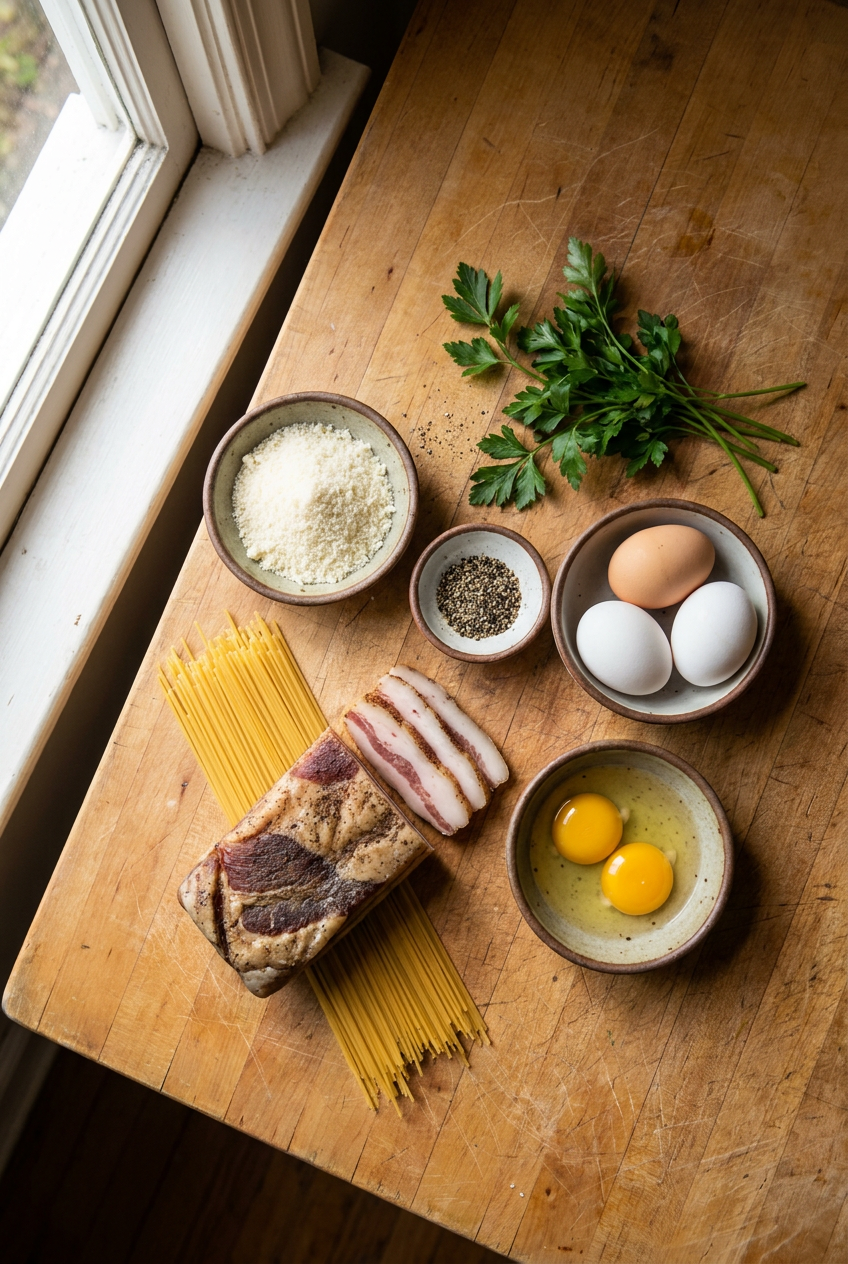
- 14 oz (400g) dried spaghetti, or rigatoni, bucatini
- 7 oz (200g) guanciale, cut into ¼-inch batons
- 2 large whole eggs, room temperature
- 3 large egg yolks, room temperature
- 1½ cups (150g) freshly grated Pecorino Romano, plus more for serving
- 1½ tsp freshly cracked black pepper, plus more to finish
- Kosher salt, to taste, for pasta water
Ingredient Notes
Spaghetti. Classic Roman carbonara uses long pasta, and spaghetti is the most accessible choice. Its rounded surface holds the creamy sauce nicely. Bucatini, with its hollow centre, soaks up even more of the glossy coating, while rigatoni captures sauce in every ridge. Whichever shape you pick, cook it exactly one minute less than the package instructs so it finishes perfectly al dente in the skillet.
Guanciale. This cured pork jowl is the soul of an authentic Roman carbonara recipe. It has a high fat content and a sweet, intensely porky flavour that pancetta or bacon cannot fully replicate. Look for it at Italian specialty markets or well-stocked deli counters. Choose pieces with streaks of lean meat running through creamy white fat. If you absolutely cannot find guanciale, unsmoked pancetta is the closest substitute, but pat it dry before cooking as it tends to spatter. Avoid smoked bacon unless it is the only option, the smoke can overpower the delicate egg and cheese.
Eggs. A combination of whole eggs and extra yolks gives the sauce its rich, custardy body. Room temperature eggs blend more smoothly and are less likely to shock the hot pasta into scrambling. I also rely on large eggs because their consistent size makes the cheese to egg ratio reliable. For the safest result, we gently heat the egg mixture before combining it with the pasta, a step that eliminates any worry about undercooked eggs.
Pecorino Romano. This is a sharp, salty sheep’s milk cheese that defines carbonara. Its granular texture melts into the sauce beautifully, and its assertive tang balances the rich pork fat. Buy a wedge and grate it yourself on a microplane or fine side of a box grater. Pre-shredded cheeses often contain anti-caking agents that prevent a smooth emulsion. While die-hard purists use only Pecorino, you can blend in a small amount of Parmigiano Reggiano for a slightly nuttier note, but keep at least three quarters Pecorino to maintain the authentic Roman character.
Black pepper. The pepper should be coarsely cracked and abundant. I use a heavy mortar and pestle or a spice grinder for a mix of fine dust and larger fragrant flecks. Freshly ground is non-negotiable because pre-ground pepper lacks the sharp, floral aroma that wakes up the dish. Taste as you go, the heat should linger
Authentic Roman Carbonara
Ingredients
Method
- Put the guanciale batons in a cold large skillet, then set over medium‑low heat. Cook, stirring occasionally, until the fat renders out and the meat is golden and crisp, about 10–12 minutes. Ensure the internal temperature reaches at least 145°F (63°C) for safety. Do not let it burn. Turn off the heat and reserve the guanciale and melted fat in the pan.
- Bring a large pot of generously salted water to a rolling boil. Cook the spaghetti 1 minute less than the package instructions for al dente. Right before draining, reserve 2 cups of the starchy pasta water.
- In a large heatproof bowl, whisk together the whole eggs, egg yolks, 1½ cups Pecorino, and the 1½ tsp of black pepper until thick and smooth. It will be paste‑like – that’s perfect. Place the bowl over a pot of gently simmering water (double boiler), whisking constantly, until the mixture reaches 160°F (71°C). Immediately remove from heat and set aside.
- Drain the hot pasta (reserve the pasta water) and quickly add it to the skillet with the guanciale and its rendered fat. Toss with tongs over no heat until every strand is coated and the pan has slightly cooled – it should stop sizzling audibly.
- Add the hot egg mixture to the skillet with the pasta and guanciale. Toss vigorously and continuously with tongs, adding splashes of hot pasta water as needed, until a glossy, creamy sauce coats each strand. Do not return to direct heat.
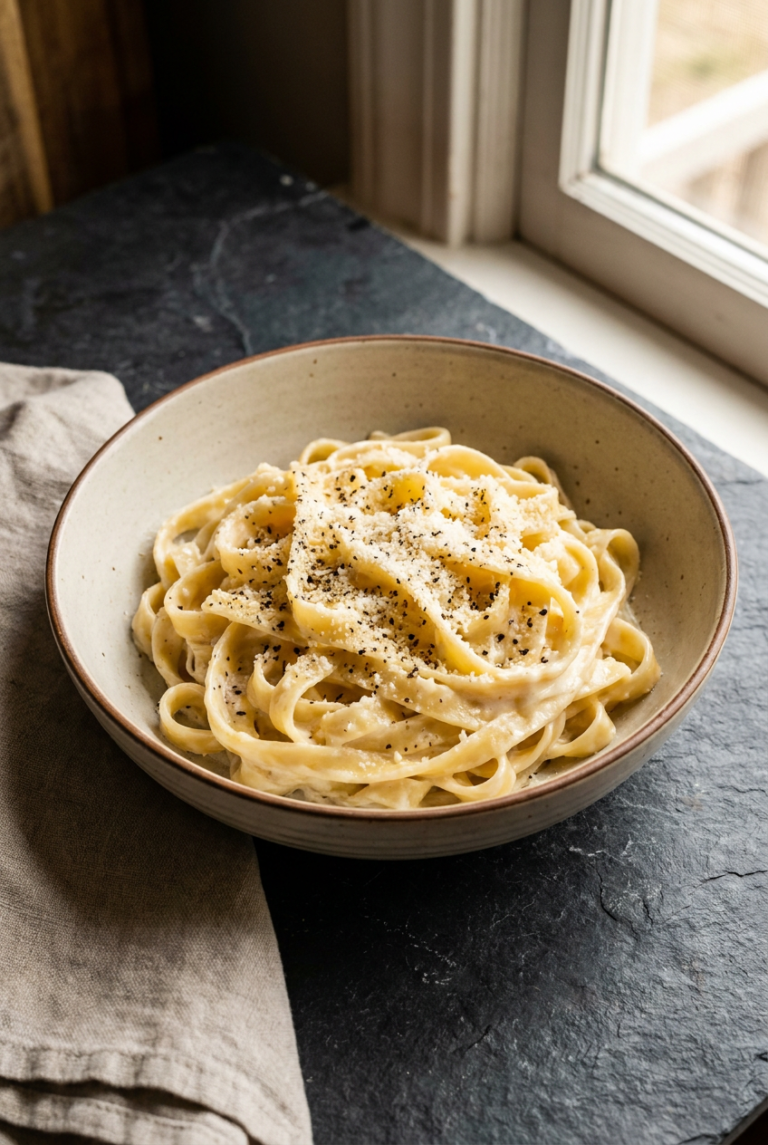
- Plate the carbonara in warm bowls, shower with extra Pecorino and a generous crack of black pepper. Eat straight away while it’s voluptuous and hot.
Disclosure: This post may contain affiliate links. If you purchase through our links we may earn a small commission at no extra cost to you.
If you made this Authentic Roman Carbonara, please leave a comment below and let me know how it turned out.