Classic Spaghetti Carbonara Recipe, Easy Italian Dinner in 35 Minutes
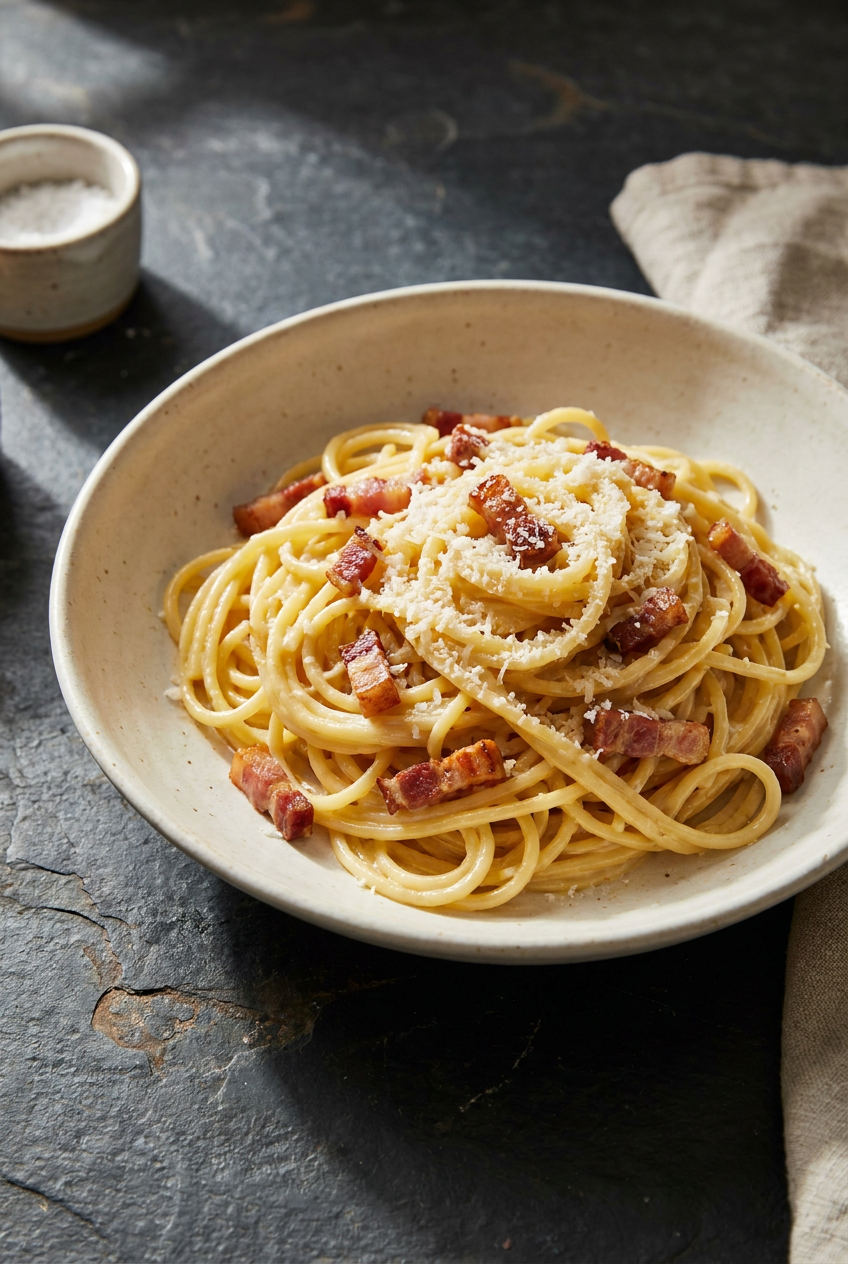
Table of Contents
- Classic Spaghetti Carbonara: A timeless Roman pasta dish with a silky, cheese-laced egg sauce and crispy guanciale, ready in just 35 minutes.
- Why You Will Love This Classic Spaghetti Carbonara Recipe
- Your Simple Ingredients for the Perfect Classic Spaghetti Carbonara
- How to Make Perfect Classic Spaghetti Carbonara
- Pro Tips and Easy Variations for Your Classic Spaghetti Carbonara
- Serving Suggestions for a Perfect Dinner
- Nutrition Information
- Storage and Make-Ahead Instructions
- Your Classic Spaghetti Carbonara Questions Answered
- More Incredible Italian Recipes to Try
- The Story Behind This Recipe
- Pin This Recipe for Later
Classic Spaghetti Carbonara: A timeless Roman pasta dish with a silky, cheese-laced egg sauce and crispy guanciale, ready in just 35 minutes.
This classic spaghetti carbonara recipe takes me right back to a tiny, tile-floored trattoria in Trastevere, where I sat at a wobbly table with a fork already twirling in anticipation. The waiter placed the plate in front of me, and I saw no cream, no peas, nothing but pasta glistening in a golden coat with tiny bits of crisp pork and a storm of black pepper. I took my first bite, and the silky richness, sharp Pecorino bite, and crackling guanciale came together in a way that felt both incredibly simple and totally masterful. Ever since, I have been chasing that exact texture at home and I can finally share the method that works beautifully every single time.
What sets this particular homemade Classic Spaghetti Carbonara apart is the genuine focus on technique over complicated ingredients. The magic lies in the luxuriously smooth sauce made without a drop of cream, just eggs, cheese, and starchy pasta water emulsified into a velvety coating. Many home cooks feel nervous about scrambling the eggs, but I guide you through a foolproof approach that uses a warm skillet off the heat and a quick check with a thermometer to ensure the sauce reaches a safe, creamy finish. The result tastes like it came straight from a Roman kitchen, yet you can pull it off on a busy weeknight. And if you love mastering delicate egg-based dishes, you may also enjoy my fluffy Japanese souffle pancakes, another recipe that rewards gentle technique and patience.
This recipe is perfect for anyone who wants a genuinely authentic Italian dinner that feels special but requires just a handful of ingredients. Whether you are cooking to impress a date, celebrating a small milestone, or simply craving something deeply comforting, carbonara fits the moment. The dish is substantial enough to be a complete meal on its own, yet it pairs wonderfully with a simple salad and a glass of wine for a relaxed evening. You will also find clear tips for scaling the recipe when you have friends over, so you can confidently serve four or double it for a larger gathering without losing that signature creamy texture.
Why You Will Love This Classic Spaghetti Carbonara Recipe
- Rich and creamy without any cream. The lush sauce comes purely from egg yolks, whole egg, grated Pecorino Romano, and starchy pasta water, creating an impossibly silky texture. Once you taste this emulsion, you will never feel the need to add heavy dairy again.
- Incredibly fast and efficient. From the moment you set the pasta water to boil, you are only about 35 minutes away from a finished, restaurant-worthy dish. The sauce comes together right in the same skillet, so clean-up is satisfyingly minimal.
- Deeply savory and perfectly balanced. Guanciale renders out its rich fat, coating each strand with cured pork flavor while the sharp, salty Pecorino cuts through with a bright tang. Generous cracked black pepper adds a gentle heat that ties everything together beautifully.
- A true taste of Rome at home. Using the traditional meat and cheese keeps you connected to the dish’s origins, yet the recipe gives you flexibility with easy substitutions. Every bite brings a little bit of Italian culinary history right to your table.
- No complicated equipment needed. A skillet, a bowl, a whisk, and a pot are all you need to pull off this masterpiece. The technique relies on simple steps that build your confidence with egg-based sauces for future cooking adventures.
- Naturally adaptable for different preferences. While guanciale is the star, you can easily swap in pancetta or bacon for a smokier note, or adjust the cheese ratio to suit milder palates. The core method remains rock solid regardless of these small tweaks.
Your Simple Ingredients for the Perfect Classic Spaghetti Carbonara
Main
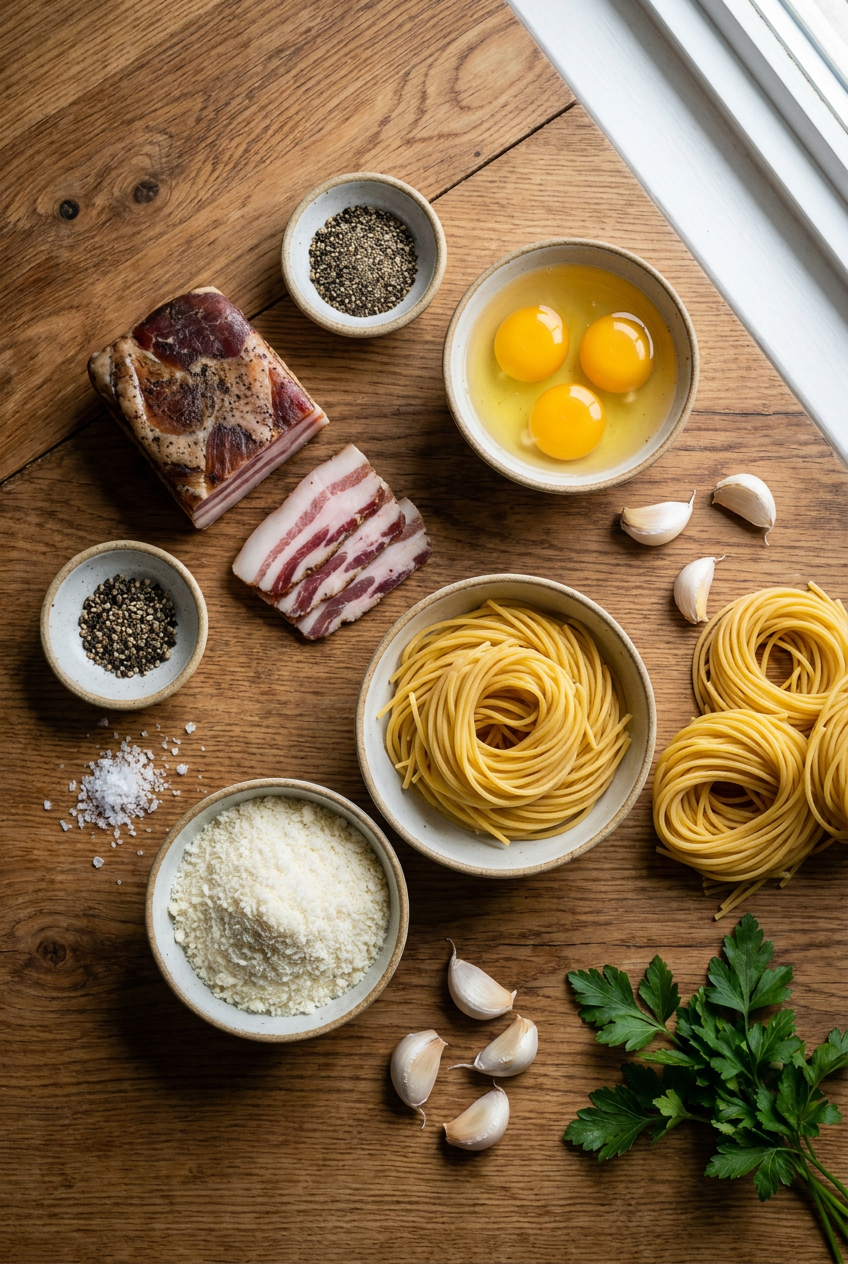
- 400g spaghetti (or other long pasta like bucatini)
- 200g guanciale (cured pork cheek, cut into thin strips)
- 1 large egg (at room temperature)
- 3 large egg yolks (at room temperature)
- 1 cup finely grated Pecorino Romano cheese (plus extra for serving)
- 2 tsp freshly ground black pepper (plus more to taste)
- 1 tbsp salt (for pasta water, or to taste)
For Serving
- as needed additional grated Pecorino Romano
- as needed extra black pepper (cracked)
Ingredient Notes
Guanciale. This cured pork cheek is the soul of authentic carbonara, offering a deeply savory, almost buttery flavor and a high fat content that renders into a luscious coating for the pasta. When shopping, look for slices with visible streaks of creamy fat interspersed with lean meat. If you cannot find guanciale, diced pancetta is the closest substitute, followed by thick-cut bacon, though the dish will take on a smokier profile. Always cut it into thin strips so the fat renders evenly and the meat crisps without burning.
Pecorino Romano. This sharp, salty sheep’s milk cheese is key to achieving that unmistakable Roman bite. Pre-grated cheese often contains anti-caking agents that can prevent the sauce from melting smoothly, so I strongly recommend buying a wedge and grating it yourself on the smallest holes of a box grater or with a microplane. The cheese should be fine enough to dissolve almost instantly into the egg mixture. If you prefer a slightly milder flavor, you can replace up to half of the Pecorino with an equal amount of finely grated Parmigiano-Reggiano.
Eggs and yolks. The combination of one whole egg and three additional yolks gives the sauce its famously rich, velvety texture without becoming heavy or cloying. Using room temperature eggs is essential because they blend more smoothly into the warm pasta and help prevent thermal shock that could lead to scrambling. Take the eggs out of the refrigerator at least 30 minutes before you start cooking.
Pasta. Spaghetti is the classic choice, its long strands perfectly carrying the glossy sauce, but bucatini with its hollow center also works wonderfully because it captures bits of guanciale and egg in every bite. Whatever shape you choose, cook it in generously salted water and reserve plenty of that starchy liquid before draining. The starch is what transforms the egg and cheese mix into a stable, creamy sauce without any cream.
How to Make Perfect Classic Spaghetti Carbonara
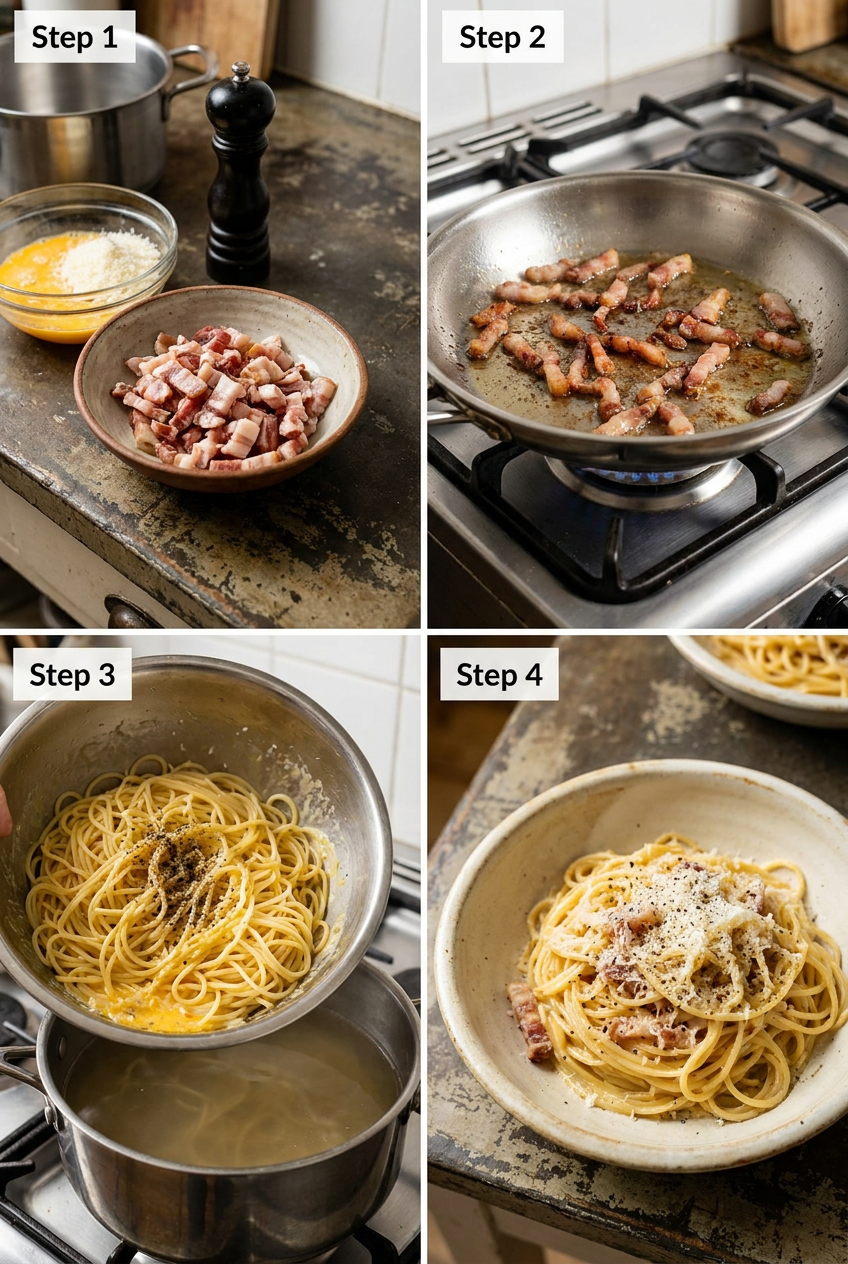
Boil Pasta Water
Fill a large pot with about 4 liters of water and bring it to a rolling, energetic boil. Add 1 tablespoon of salt so the water tastes pleasantly briny, like seawater. This step seasons the pasta from the inside out, and because we use the starchy water in the sauce, it provides the right level of salinity for the entire dish. While the water heats, move on to the guanciale so you can multitask efficiently.
Cook the Guanciale
Place the guanciale strips in a cold large skillet, spreading them out evenly. Set the skillet over medium heat and let the fat begin to render slowly. You will hear a gentle sizzle as the pieces release their liquid gold. Stir occasionally and cook for about 8 to 10 minutes, until the meat turns deep golden brown and the edges become irresistibly crispy. The rendered fat will be clear and fragrant. Remove the skillet from the heat entirely but keep both the crispy guanciale and all that flavorful fat right in the pan. This warm, fatty base is what coats the pasta later. A good charcuterie board moment: this step requires the same patient attention you would give a slow-simmered stew like my Moroccan chicken tagine, where gradual fat rendering builds the deep flavor.
Make the Egg Mixture
In a medium bowl, whisk together the whole egg, the 3 egg yolks, the entire cup of finely grated Pecorino Romano, and 2 teaspoons of freshly ground black pepper. Whisk until the mixture looks completely homogenous and slightly thickened, with no streaks of egg white visible. The pepper should be very fresh, as it loses potency quickly once ground. This golden paste is your sauce base, and at this stage, it will seem thick, but the hot pasta water will loosen it into a perfect velvety coat.
Cook the Spaghetti
Drop the spaghetti into the boiling salted water and cook according to the package directions for al dente, which is usually around 10 minutes. To be safe, taste a strand about a minute before the suggested time. You want it to have a small, firm white core in the center because it will finish cooking when you toss it in the skillet. Just before draining, use a ladle or a heatproof measuring cup to reserve at least 1.5 cups of the cloudy, starchy pasta water. This milky liquid is a non-negotiable ingredient; it loosens the egg mixture and creates the stable emulsion that defines carbonara.
Combine Pasta and Guanciale
Drain the spaghetti quickly, allowing a little water to cling to the strands, and immediately transfer it to the warm skillet with the guanciale, which is off the heat. Toss the pasta thoroughly with tongs so every strand gets coated in the glossy rendered fat. Then let the skillet sit for about a minute. This brief resting period drops the temperature just enough that when you pour in the egg mixture, the eggs will thicken gently instead of scrambling. Touch the bottom of the skillet with your palm: it should feel warm but not so hot that you cannot hold your hand there comfortably.
Create the Creamy Sauce
Pour the egg and cheese mixture directly over the pasta and begin tossing vigorously and continuously with tongs. The sauce will initially seem loose and separate. Start adding small splashes of the reserved pasta water, about a tablespoon at a time, while you keep tossing. You will gradually see the sauce come together, turning glossy and pale gold. Keep adding water and tossing until the sauce thickens enough to cling to each strand without pooling at the bottom of the skillet. This typically takes about half a cup of pasta water in total. To ensure both food safety and a perfectly creamy consistency, use an instant-read thermometer and check that the sauce reaches 160°F (71°C). If it has not reached that temperature after incorporating the water, place the skillet over the lowest possible heat for no more than 30 seconds while tossing nonstop, then remove immediately. The finished sauce should look silky, never grainy, with no visible bits of cooked egg white.
Serve Immediately
Divide the carbonara among four warm plates or shallow bowls. To warm the plates, simply run them under hot water for a few seconds and wipe them dry. Top each portion with an extra generous snowfall of grated Pecorino Romano and a final flurry of cracked black pepper. Eat it right away while the pasta is steamy and the sauce is at its creamiest. This is a dish that waits for no one, so gather everyone around the table before you start the final toss.
Pro Tips and Easy Variations for Your Classic Spaghetti Carbonara
Pro Tips
- Always start with a cold skillet for the guanciale. Rendering fat slowly from a cold start allows the pork cheek to release its fat gradually, giving you evenly golden, crisp pieces instead of burnt exterior with unrendered chewy fat. This also produces a cleaner-tasting fat that forms the base of your sauce.
- Never skip the starchy pasta water. That cloudy liquid carries the dissolved starch that emulsifies with the eggs and cheese, transforming a loose mixture into a stable, clinging sauce. If you accidentally pour it all out, you can create a quick starch slurry by boiling a little extra pasta and using its cooking water.
- Grate your own cheese every time. Pre-shredded cheeses are often coated with cellulose or potato starch to prevent clumping, and those additives interfere with the smooth melting needed here. Freshly grating a wedge of Pecorino directly into the egg mixture guarantees a seamless, silky finish.
- Use a thermometer for perfect doneness. An instant-read thermometer removes all the guesswork and prevents both undercooked egg sauce and accidental scrambling. Aim for 160°F (71°C) in the center of the pasta mass while tossing; this ensures the eggs are safely thickened without turning into curds.
- Food safety: cook pork to an internal temperature of 145°F (63°C). Guanciale is a cured product but still benefits from thorough heating; the long rendering time in the skillet easily brings it past this safe zone while achieving crispness.
- Food safety: cook eggs until both the white and the yolk are firm. Because the eggs in this dish are combined with the cheese and hot pasta and heated to 160°F, the sauce meets firm-cooked safety guidelines while retaining a creamy mouthfeel, so you can serve it with confidence.
Delicious Variations
- Smoky bacon or pancetta version. Replace the guanciale with equal weight diced pancetta or thick-cut bacon to introduce a smoky undertone that some people really enjoy. The sauce will take on a slightly different character, but the creamy texture remains the same.
- Milder cheese blend. For a less intense saltiness, use half Pecorino Romano and half finely grated Parmigiano-Reggiano. This softens the sharp bite while still delivering a full-bodied cheese flavor that melts beautifully into the sauce.
- Vegetarian mushroom carbonara. Omit the guanciale and instead sauté a mix of thinly sliced cremini and shiitake mushrooms in a generous amount of olive oil with a pinch of smoked salt until deeply browned and crisp. The mushrooms mimic the meaty texture, and the oil stands in for the rendered fat.
- Seafood twist with shrimp. Sauté peeled, deveined shrimp in the rendered fat after crisping the guanciale, then set them aside and toss them in at the end. The sweet shellfish contrasts beautifully with the salty cheese and pepper.
- Breakfast-inspired egg love. If you adore egg-centric dishes like my blueberry lemon ricotta pancakes, you will appreciate the similar art of gentle custard work. Serve the carbonara with an extra poached egg on top for a decadent brunch version that spills yolk into the already creamy pasta.
Serving Suggestions for a Perfect Dinner
A plate of carbonara needs only a few simple companions to turn into a full, memorable evening meal. A crisp green salad dressed with a sharp lemon vinaigrette cuts through the richness wonderfully; I like to use peppery arugula or a mix of romaine and radicchio for a bitter contrast. As for drinks, a chilled glass of dry, crisp white wine like a Frascati or a Vermentino elevates the entire experience, though a light, unoaked Chardonnay also works. When presenting the dish, warm the bowls or plates beforehand so the sauce stays glossy longer. A light dusting of extra Pecorino at the table and a pepper mill within reach let everyone customize their final touch. This dish is ideal for a date night in, a small family dinner, or even a casual al fresco supper on the patio when the weather is warm.
For larger gatherings, you can scale the recipe easily: simply multiply the ingredients by the number of guests, but work in batches if you are making more than four portions so the skillet does not get overcrowded and the pasta cools too much. Carbonara also makes a wonderful centerpiece for an Italian themed dinner party when followed by a simple dessert of fresh berries and biscotti. It is the kind of meal that makes people linger at the table, finishing their wine and reaching for just one more forkful before the plates are cleared.
Nutrition Information
(Approximate per serving, 4 servings total) Calories: 520, Fat: 28g, Carbohydrates: 44g, Protein: 22g, Fiber: 2g, Sodium: 780mg. Nutritional values are estimates only.
Storage and Make-Ahead Instructions
- Refrigerator. Store any cooled leftovers in an airtight container for up to 3 days. The sauce will thicken considerably as it chills, but a splash of water during reheating will revive the creaminess. Keep in mind the texture is always best fresh, with the pasta cooked just before serving.
- Freezer. Freezing is not recommended because the delicate egg and cheese emulsion tends to separate and become grainy upon thawing. If you must freeze, be prepared for a less silky result and reheat very gently over low heat with extra water, stirring constantly.
- Reheating. The gentlest way to reheat is in a skillet over low heat with a tablespoon or two of water, tossing frequently until the sauce softens and clings again. Avoid microwaving on high power, as this can quickly turn the eggs rubbery.
- Make-Ahead. The guanciale can be crisped and the egg and cheese mixture whisked together up to an hour in advance, stored separately at room temperature. Cook the pasta and finish the sauce right before you plan to eat. Do not combine the components ahead of time, as the sauce must be created while the pasta is piping hot.
Your Classic Spaghetti Carbonara Questions Answered
Can I use bacon instead of guanciale?
Yes, you can, though the flavor will be smokier and less traditional. Guanciale is milder and fattier, which melts into the sauce in a uniquely delicate way. If using bacon, choose thick-cut slices and pat them dry after cooking to manage excess grease.
Why do my eggs scramble when I make carbonara?
Scrambling happens when the pan is too hot when you add the egg mixture. Always remove the skillet from the heat after cooking the guanciale, let the pasta cool in the fat for a minute, and toss constantly while incorporating the egg mixture. Using a thermometer to check for 160°F helps you stop before the eggs curdle.
Can I add cream to carbonara?
Authentic carbonara never includes cream. The hallmark of this dish is a sauce made creamy solely by the emulsion of eggs, cheese, and starchy pasta water. Skipping the cream keeps the flavor sharp and true to its Roman roots, and you will be amazed at how rich it tastes without it.
What is the best pasta shape for carbonara?
Long, slender pastas like spaghetti or bucatini are traditional because they catch the sauce evenly and twirl beautifully. Rigatoni or mezze maniche can also work if that is what you have, but the glossy coating clings best to thin strands.
How can I tell when the sauce is ready?
The sauce is ready when it coats each strand of pasta in a pale golden, silky layer that does not puddle at the bottom of the pan. It will look glossy and feel creamy on your tongue. A temperature reading of 160°F confirms the eggs are safely thickened.
Can I make carbonara without cheese?
Cheese is a fundamental component that provides both saltiness and structure to the emulsion. Omitting it entirely changes the dish significantly. If you need a dairy-free version, look for a high-quality vegan parmesan-style alternative, but expect a different texture and flavor profile.
How do I prevent the pasta from sticking together?
Stir the pasta immediately after adding it to the boiling water and give it an occasional swirl during cooking. The generous amount of salted water and the tossing in the guanciale fat will also help keep the strands separate.
Can I prepare carbonara for a crowd?
Yes, but work in batches if making more than four servings. Overcrowding the skillet cools the pasta too quickly and makes it hard to toss evenly. Keep the first batch warm in a low oven while you finish the rest.
Is it safe to eat if the eggs are not fully firm?
In this recipe, the egg sauce is heated to 160°F (71°C), which pasteurizes it safely without firming it into solid curds. The final texture is creamy but the eggs are fully cooked by temperature, so you can enjoy it without worry.
Can I double the recipe easily?
Doubling the recipe is possible as long as you use a large enough skillet to toss the pasta without spilling. Increase the pasta water reserve accordingly and pay extra attention to the temperature, as a larger mass holds heat longer and may need more off-heat tossing time.
More Incredible Italian Recipes to Try
Once you have mastered this classic spaghetti carbonara recipe, I encourage you to explore the many other simple yet stunning pasta dishes that Italy has to offer. Cacio e Pepe, for example, uses only Pecorino, pepper, and pasta water to create a similarly luxurious sauce that feels almost magical in its minimalism. Pasta alla Gricia is the direct ancestor of carbonara, featuring guanciale, Pecorino, and pepper without the egg, and it highlights the deep pork flavor even more prominently. Both of these recipes rely on the same cheese and starchy water emulsion technique, making them the perfect next steps in your Roman cooking journey.
If you are drawn to rich, comforting dinners that come together quickly, you
Classic Spaghetti Carbonara
Ingredients
Method
- Bring a large pot of water to a rolling boil. Add 1 tablespoon of salt (it should taste like seawater).
- While water heats, place guanciale strips in a cold large skillet. Set over medium heat and cook, stirring occasionally, until fat renders and the meat is golden and crispy, about 8–10 minutes. Remove skillet from heat but keep the guanciale and its rendered fat in the pan.
- In a medium bowl, whisk together the whole egg, 3 egg yolks, 1 cup of grated Pecorino Romano, and 2 teaspoons of black pepper until smooth and well combined.
- Add spaghetti to the boiling salted water and cook until al dente according to package directions (usually about 10 minutes). Just before draining, reserve about 1.5 cups of the starchy pasta water.
- Drain the spaghetti and immediately transfer it to the skillet with the guanciale (the skillet should be off the heat). Toss well to coat the pasta in the rendered fat. Let it cool slightly for 1 minute so the eggs won't scramble.
- Pour the egg and cheese mixture over the pasta, tossing vigorously with tongs or a fork. Gradually add small splashes of the reserved pasta water (about ½ cup total, a little at a time) while tossing. Continue cooking and tossing until the sauce thickens and reaches an internal temperature of 160°F (71°C) for food safety – use a thermometer. If it hasn't reached temperature, return the skillet to very low heat for 30 seconds while tossing constantly, then remove from heat. The sauce should be creamy, silky, and cling to each strand.
- Divide the carbonara among warm plates or bowls. Top with extra grated Pecorino Romano and a generous crack of black pepper. Eat right away while creamy and hot.
Disclosure: This post may contain affiliate links. If you purchase through our links we may earn a small commission at no extra cost to you.
If you made this Classic Spaghetti Carbonara, please leave a comment below and let me know how it turned out.