Classic Homemade Fettuccine Alfredo Recipe, Easy Italian Dinner in 30 Minutes
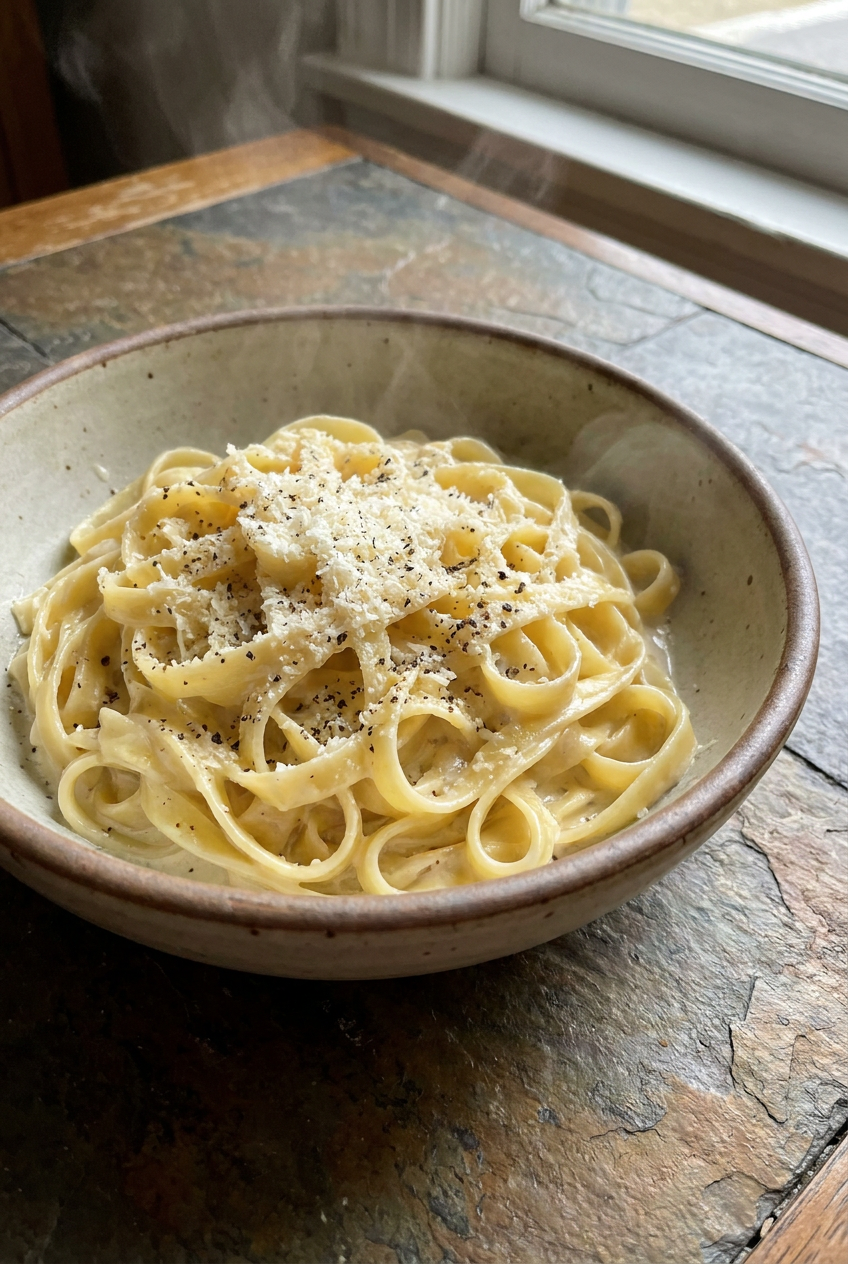
Table of Contents
- Classic Homemade Fettuccine Alfredo: Rich, creamy, and irresistibly velvety homemade Alfredo sauce coating every strand of fresh fettuccine
- Why You Will Love This Classic Homemade Fettuccine Alfredo Recipe
- Your Simple Ingredients for the Perfect Classic Homemade Fettuccine Alfredo
- How to Make Perfect Classic Homemade Fettuccine Alfredo
- Pro Tips and Easy Variations for Your Classic Homemade Fettuccine Alfredo
- Serving Suggestions
- Nutrition Information
- Storage and Make Ahead Instructions
- Your Classic Homemade Fettuccine Alfredo Questions Answered
- More Incredible Italian Recipes to Try
- The Story Behind This Recipe
- Pin This Recipe for Later
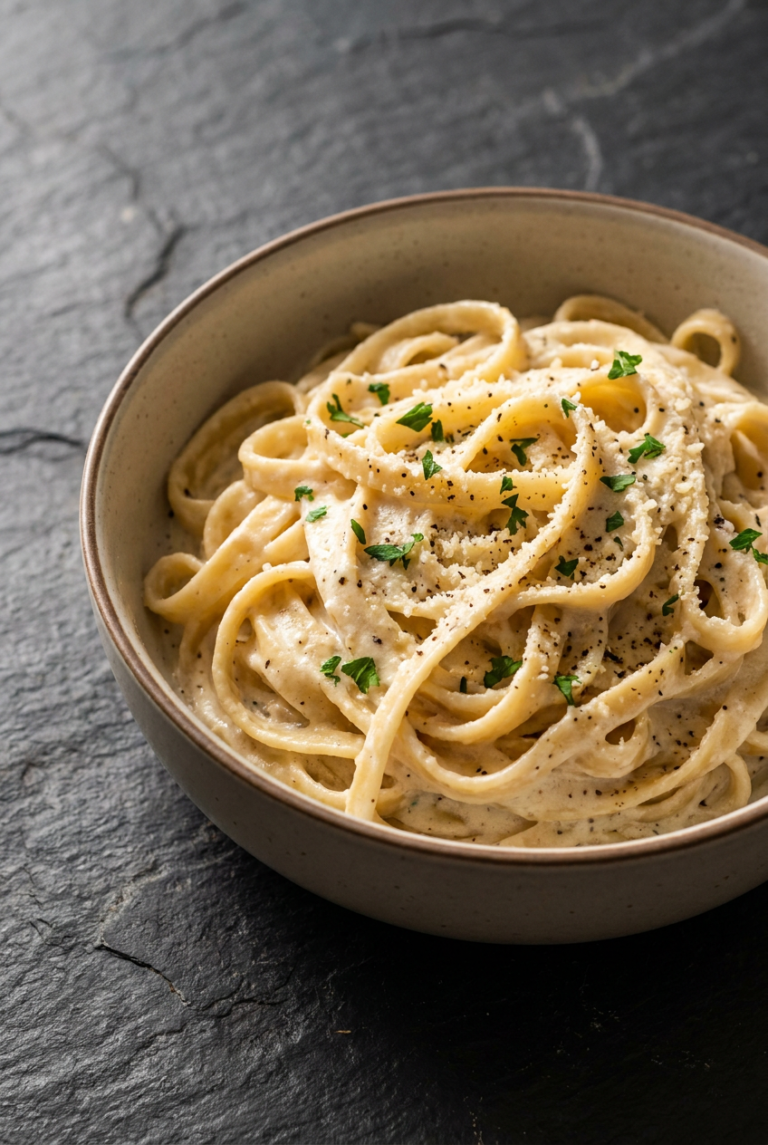
Classic Homemade Fettuccine Alfredo: Rich, creamy, and irresistibly velvety homemade Alfredo sauce coating every strand of fresh fettuccine
I still remember the first time I attempted a classic homemade fettuccine alfredo recipe in my tiny apartment kitchen. It was a rainy Tuesday evening and I had invited a few close friends over for what I had ambitiously promised would be a restaurant quality dinner. I had no idea what I was doing. I shredded Parmesan by hand until my wrist ached, I nervously watched butter melt in my only skillet, and I held my breath as I tossed the pasta into the sauce, praying it would all come together. That first bite changed everything for me. The sauce was impossibly silky, clinging to each strand of fettuccine like a velvet blanket. My friend Sarah looked up from her plate and said, quite seriously, that she would never order Alfredo at a restaurant again. I knew exactly what she meant. There is a kind of magic that happens when you make this dish at home, a richness and freshness that simply cannot be replicated from a jar or even from most restaurant kitchens rushing through dinner service.
What makes this particular classic homemade fettuccine alfredo recipe stand out is its absolute commitment to simplicity paired with precise technique. This is not a recipe that hides behind a long list of ingredients or complicated steps. The entire sauce is built on just four essential components: butter, heavy cream, garlic, and Parmesan cheese. The brilliance lies entirely in how you treat those ingredients. The butter must be melted gently, never browned. The garlic should whisper its presence rather than shout. The cream needs a gentle simmer, not a rolling boil. And the Parmesan must be added off the heat, stirred in with patience until it dissolves into the butter and cream, transforming the mixture into something transcendent. Every decision in this recipe, from the temperature of your cream to the moment you pull the skillet off the burner, has been tested and refined to guarantee a sauce that is smooth, glossy, and perfectly emulsified every single time.
This is the dinner you make when you want something that feels special but requires surprisingly little of your time. It comes together in about 30 minutes from start to finish, making it perfectly feasible for a weeknight yet impressive enough for a date night or a small gathering. The beauty of this dish is that it meets you exactly where you are. Are you cooking for one? The recipe scales down beautifully. Feeding a crowd? Double it and use your largest skillet. Need something comforting after a long week? This bowl of creamy pasta will wrap around you like a warm hug. If you enjoy the process of creating comfort food from scratch, you might also appreciate the slow, fragrant cooking of a Moroccan chicken tagine, another dish that fills the kitchen with warmth and anticipation. But tonight, let the simple elegance of fettuccine Alfredo take center stage.
Why You Will Love This Classic Homemade Fettuccine Alfredo Recipe
- Genuinely quick and achievable. From the moment you fill your pasta pot with water to the final twirl of fettuccine on the plate, you are looking at about 30 minutes total. Most of that time is hands off, waiting for water to boil and pasta to cook, which means you can set the table or toss together a simple salad while dinner practically makes itself.
- Only a handful of real ingredients. This sauce calls for butter, cream, garlic, and Parmesan, period. There are no stabilizers, no thickeners, and absolutely no shortcuts. Each ingredient has room to shine, and you will taste the difference that quality and simplicity make in the final dish.
- Silky, restaurant quality sauce at home. The technique of adding cheese off the heat and using reserved pasta water creates an emulsion that coats every strand of pasta perfectly. You will get that glossy, clingy texture that usually only comes from a professional kitchen.
- Endlessly adaptable to what you have on hand. Once you master the basic sauce, you can add sautéed mushrooms, grilled chicken, shrimp, or fresh vegetables to make it your own. The base recipe is a blank canvas for whatever sounds good to you that evening.
- A guaranteed crowd pleaser for all ages. Kids and adults alike light up when a bowl of creamy fettuccine lands on the table. It is one of those rare dishes that requires no convincing, no negotiating, and no pleading for anyone to take just one bite.
- Teaches foundational cooking techniques. Making this recipe will teach you how to properly emulsify a sauce, how to use pasta water as a thickening agent, and why temperature control matters so much when working with dairy. These are skills that will serve you in countless other recipes.
Your Simple Ingredients for the Perfect Classic Homemade Fettuccine Alfredo
For the Pasta
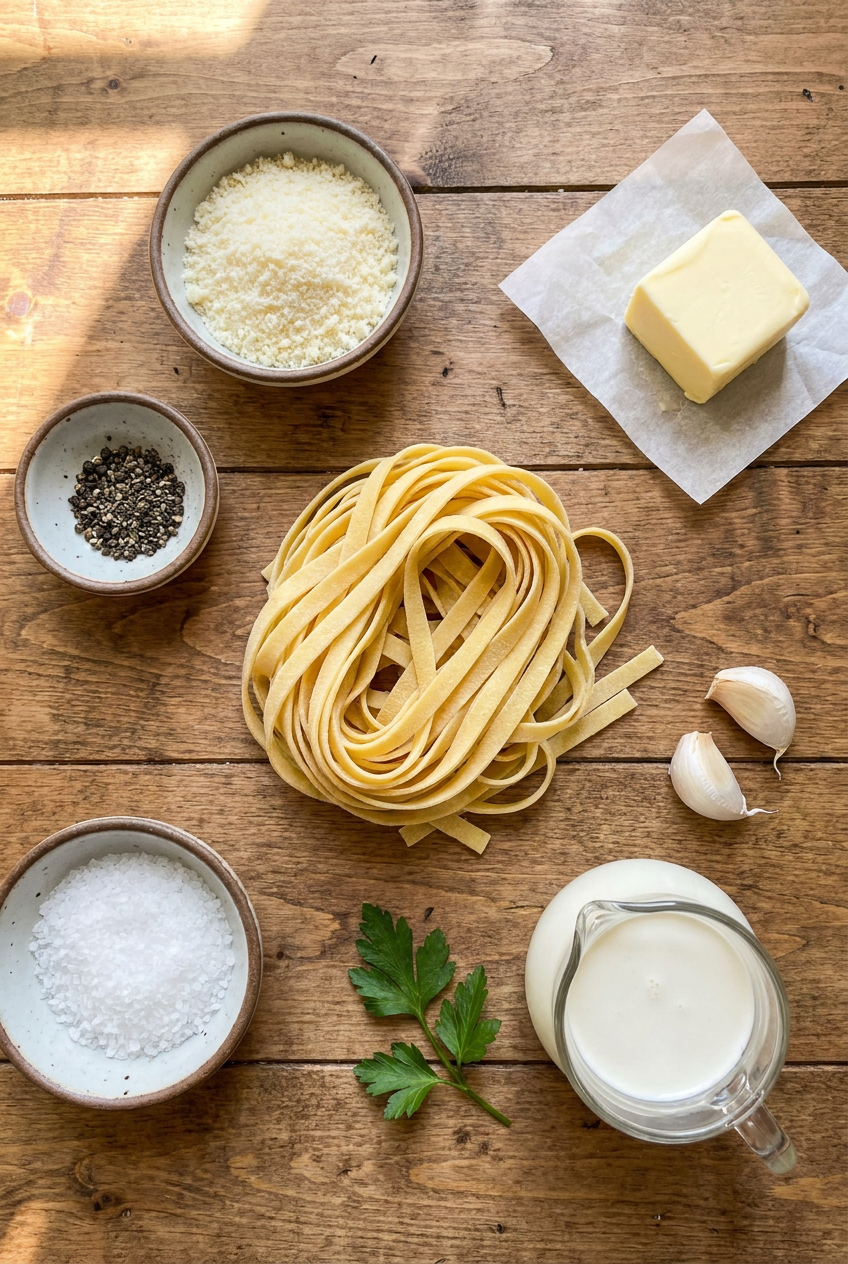
- 1 pound dried fettuccine
- 1 tablespoon salt, for pasta water
For the Alfredo Sauce
- 1/2 cup unsalted butter (1 stick), cut into pieces
- 1 1/2 cups heavy cream, room temperature
- 2 cloves garlic, minced
- 2 cups freshly grated Parmesan cheese (about 6 ounces), plus more for serving
- 1/4 teaspoon freshly ground black pepper
- Pinch freshly grated nutmeg, optional
- 2 tablespoons fresh parsley, chopped, for garnish
Ingredient Notes
Unsalted butter gives you complete control over the saltiness of the finished dish. Salted butter can vary significantly from brand to brand, and since Parmesan is already quite salty, using unsalted butter prevents the sauce from becoming overly salty. If salted butter is all you have, simply reduce the amount of salt you add to the pasta water and taste before adding any additional seasoning at the end. Cut the butter into smaller pieces before melting so it warms evenly and melts at the same rate, preventing any portion from browning while the rest remains solid.
Heavy cream is the backbone of a truly luxurious Alfredo sauce. It contains enough milk fat, typically around 36 to 40 percent, to resist curdling when heated and to create that signature velvety texture. Let the cream sit on the counter for about 20 minutes before you begin cooking. Cold cream hitting a hot pan can cause the butter to seize up, creating a greasy rather than cohesive sauce. If you are in a pinch, you can use half and half combined with a teaspoon of cornstarch whisked in, but the result will be noticeably less rich.
Freshly grated Parmesan cheese is non negotiable in this classic homemade fettuccine alfredo recipe. Pre shredded or pre grated Parmesan is coated with cellulose and other anti caking agents that prevent it from melting smoothly. When you add it to warm cream and butter, it can clump, turn grainy, or refuse to incorporate fully. Grating your own from a block of Parmigiano Reggiano takes just a few extra minutes and rewards you with a sauce that melts into pure silk. Look for cheese with a hard, golden rind and a granular texture that breaks into crumbly shards when you cut it.
Garlic provides an aromatic foundation that cuts through the richness of the dairy. Two cloves give you a gentle, warm garlic presence without overpowering the delicate flavor of the Parmesan. Mince the garlic finely so it disperses evenly through the sauce rather than leaving large pieces that surprise the palate. Fresh garlic is essential here because jarred or powdered versions lack the same bright, pungent quality and can leave a flat, one dimensional taste.
Pasta water is the secret ingredient that bridges the sauce and the pasta. As the fettuccine cooks, it releases starch into the water. That starchy, lightly salted water acts as an emulsifier, helping the fats in the butter and cream bind with the moisture in the sauce to create a cohesive, glossy coating. Always reserve at least a cup before draining. You will likely not use all of it, but having extra ensures you can adjust the consistency perfectly.
How to Make Perfect Classic Homemade Fettuccine Alfredo
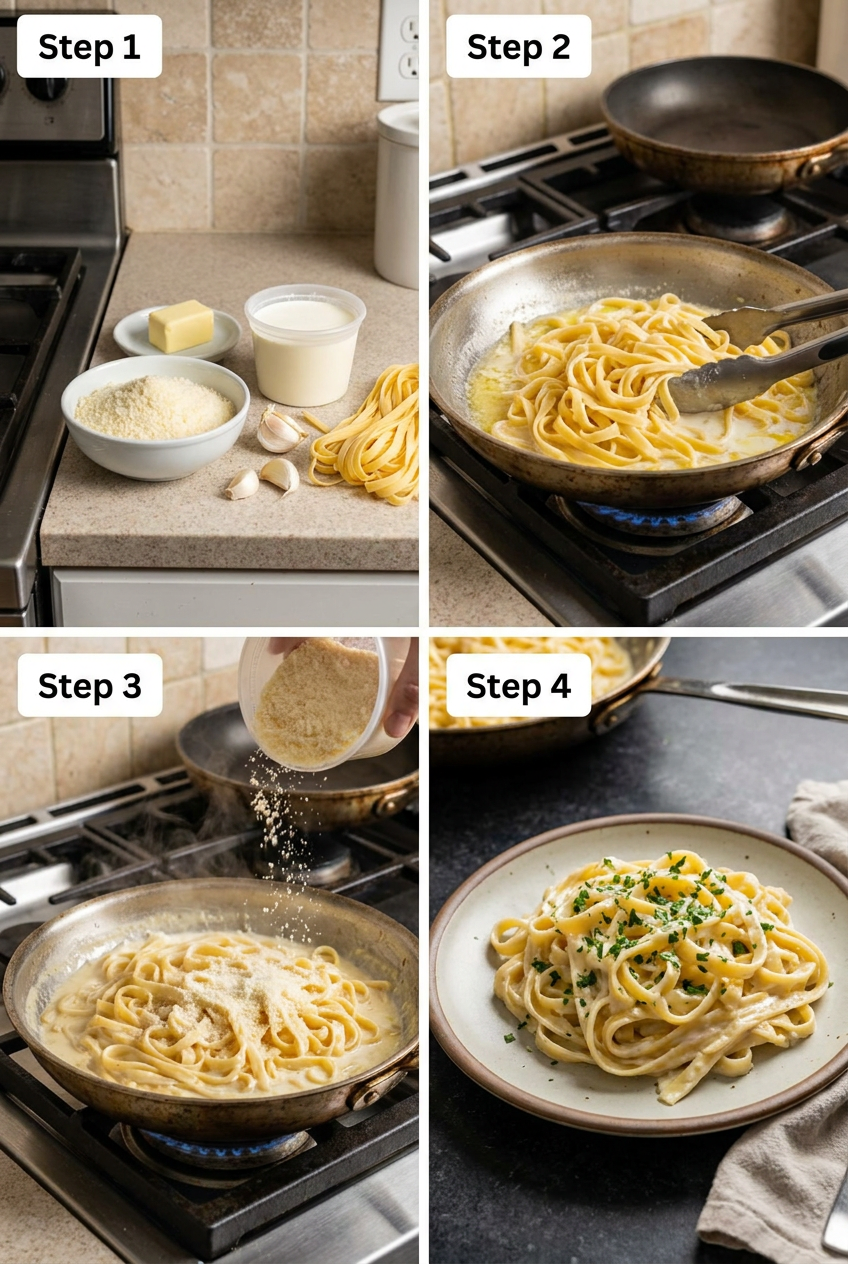
Step 1: Boil the Pasta
Fill your largest pot with water, leaving enough room at the top for the pasta to expand without boiling over. Set it over high heat and bring it to a true rolling boil where the bubbles are large, constant, and breaking vigorously at the surface. Add the full tablespoon of salt. The water should taste like the sea, and this is your only opportunity to season the pasta itself from the inside out. Drop in the fettuccine and stir immediately with tongs or a wooden spoon to prevent the strands from sticking together or to the bottom of the pot. Cook according to the package directions until al dente, which means the pasta should be tender but still have a slight firmness when you bite into it. About a minute before the suggested cooking time is up, fish out a strand and taste it. You want the pasta to have just a hint of resistance. Drain the fettuccine in a colander, but remember to scoop out and reserve 1 cup of the starchy pasta water before you pour everything down the sink. Do not rinse the pasta under any circumstances because the starch clinging to the surface helps the sauce adhere.
Step 2: Start the Sauce Base
While the pasta is bubbling away, set a large skillet over medium heat. Add the pieces of butter and let them melt slowly. You will see the butter foam gently as the water content evaporates. Once the foaming subsides slightly and the butter is fully liquid, add the minced garlic. Stir it continuously for about 30 seconds with a wooden spoon or silicone spatula. You are looking for the moment when the garlic releases its fragrance and becomes translucent but has not yet taken on any golden color. The smell will shift from sharp and raw to warm and inviting. If the garlic browns even slightly, it will introduce a bitter note that competes with the sweet creaminess of the sauce. Keeping the heat at medium or medium low here is key. If your stove runs hot, reduce the heat slightly before adding the garlic.
Step 3: Add the Cream
Pour the room temperature heavy cream into the skillet in a steady stream while stirring. The mixture will look thin at first, but give it time. Increase the heat slightly to bring the cream to a gentle simmer, where you see small, lazy bubbles forming around the edges of the pan and across the surface. Once that gentle simmer appears, reduce the heat to low. Let the cream bubble softly for 2 to 3 minutes, stirring occasionally with a figure eight motion to prevent any skin from forming on the surface. You will notice the cream starting to thicken just enough to coat the back of a spoon. If you drag your finger through the cream on the spoon and the line holds its shape, it is ready. Never let it reach a vigorous boil, as high heat can cause the fat and liquid to separate, leading to a sauce that looks broken and greasy rather than smooth and unified.
Step 4: Melt in the Cheese
This is the most critical moment in the entire classic homemade fettuccine alfredo recipe. Remove the skillet completely from the heat source and set it on a cool burner or a trivet. The residual heat in the pan and the warm cream is all you need to melt the Parmesan. Sprinkle the grated cheese in gradually, about a half cup at a time, whisking constantly in small circular motions. Each addition should melt fully and disappear into the sauce before you add the next. As the cheese incorporates, you will watch the sauce transform from a pale cream color into a deeper ivory shade with a glossy sheen. The texture will thicken noticeably and take on a velvety, flowing quality. Add the freshly ground black pepper and the optional pinch of nutmeg at this stage, whisking them in until evenly distributed. The technique of gently folding and incorporating delicate ingredients reminds me of the care needed when making fluffy Japanese souffle pancakes, where patience and gentle handling reward you with an airy, beautiful result.
Step 5: Combine Pasta and Sauce
Transfer the drained fettuccine directly into the skillet with the sauce. Using tongs, lift and fold the pasta repeatedly, allowing the sauce to weave its way between every strand. The pasta will absorb some of the sauce immediately. Now, pour in about a quarter cup of the reserved pasta water and continue tossing. The starchy water magically loosens the sauce, transforming it from a thick blanket into a glossy, flowing coating that clings to each ribbon of pasta. Keep adding pasta water a tablespoon at a time, tossing between additions, until the sauce reaches your ideal consistency. You are aiming for a sauce that moves slowly when you tilt the skillet, not one that pools in a watery puddle at the bottom. The pasta should look slick and shiny, not dry or clumpy.
Step 6: Serve Immediately
Alfredo waits for no one. The moment the pasta and sauce are combined, the clock starts ticking. Plate the fettuccine in generous twirled nests using tongs and a ladle or a carved serving fork. Lift a portion of pasta high and twist your wrist as you lower it onto the plate to create a tidy mound. Finish each plate with an extra snowfall of freshly grated Parmesan, a crack of black pepper, and a scattering of chopped parsley for a fresh, green contrast. If you have time, warm your serving plates briefly in a low oven or by running them under hot water and drying them thoroughly. A warm plate keeps the sauce from seizing up on contact and helps maintain that perfect temperature through the last bite.
Pro Tips and Easy Variations for Your Classic Homemade Fettuccine Alfredo
Pro Tips
- Always grate Parmesan fresh from a block. Pre shredded cheese is coated with powdery anti caking agents that prevent it from melting into a smooth sauce. Those agents create a gritty, grainy texture that no amount of whisking can fix. A block of Parmigiano Reggiano and a microplane or box grater are all you need for perfectly smooth results.
- Bring cream and butter to room temperature before starting. Cold dairy hitting a hot pan can shock the fats and cause them to separate. Letting the cream sit out for about 20 minutes and using softened butter ensures everything melds together harmoniously from the very first stir.
- Never let the cream boil hard. A vigorous boil will cause the fat molecules to break apart and separate from the liquid, resulting in an oily, broken sauce. Keep the heat at a gentle simmer where bubbles are small and lazy, and always reduce the heat before adding the cheese.
- Always remove the pan from the heat before adding Parmesan. Residual heat is sufficient to melt the cheese without overheating the proteins. If Parmesan is exposed to direct high heat, it can seize up and form stringy, rubbery clumps that refuse to blend into the sauce.
- Reserve more pasta water than you think you will need. The starchy water is your best tool for adjusting sauce consistency. It loosens a thick sauce, helps emulsify the fats, and adds a subtle saltiness. You can always discard extra, but you cannot retrieve what you have already poured down the drain.
- Warm your serving plates. Alfredo sauce begins to thicken and cool the moment it leaves the skillet. Placing the pasta on a warmed plate extends the window of perfect texture, especially if you are serving multiple people and plating sequentially.
Delicious Variations
- Mushroom Alfredo. Sauté 8 ounces of sliced cremini or button mushrooms in a separate pan with a little butter until deeply golden and their moisture has evaporated. A splash of dry white wine added to the mushrooms and cooked off before combining them with the finished sauce adds a wonderful savory depth.
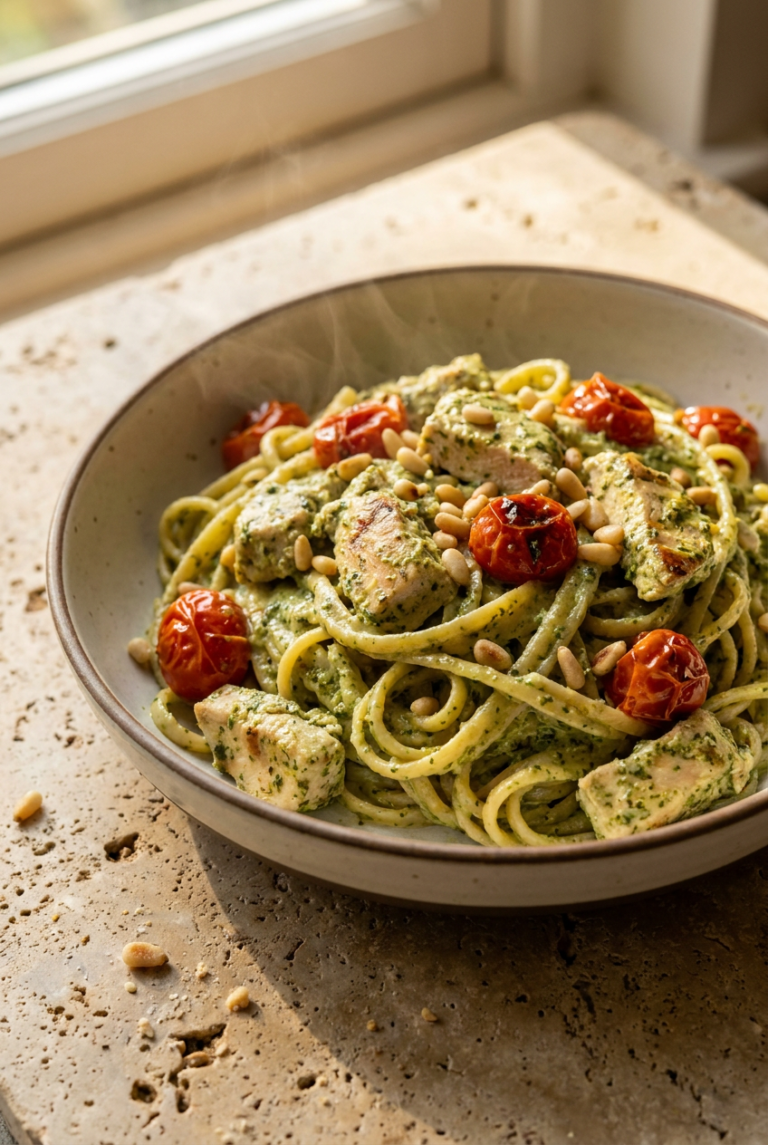
- Chicken Alfredo. Season two boneless, skinless chicken breasts with salt, pepper, and a pinch of Italian seasoning, then cook them in a hot skillet with olive oil until golden on both sides and cooked through. Slice the rested chicken and fan the slices over the plated pasta for a heartier main course.
- Garlic and Herb Alfredo. Double the garlic to four cloves and add a teaspoon of finely chopped fresh rosemary or thyme along with the cream. The herbs infuse the sauce with an earthy, aromatic quality that pairs beautifully with the nutty Parmesan.
- Shrimp Alfredo. Sauté large peeled shrimp in a little butter and garlic until just pink and curled, then set them aside and fold them into the finished pasta. The slight sweetness of the shrimp contrasts wonderfully with the savory, creamy sauce.
- Lighter Lemon Alfredo. Add the zest of one lemon and a tablespoon of fresh lemon juice at the same time as the Parmesan. The bright, fresh element of lemon zest can cut through the richness, much like the way blueberry lemon ricotta pancakes balance sweet and tangy flavors in each bite. This version feels fresher and works particularly well in warmer months.
Serving Suggestions for a Perfect Dinner
A bowl of creamy fettuccine Alfredo is wonderfully satisfying on its own, but a few simple sides can turn it into a complete and memorable meal. Garlic bread is the classic companion, its crisp, buttery crunch offering a pleasing contrast to the silky pasta. A Caesar salad with cold, crisp romaine, a punchy dressing, and plenty of Parmesan shavings echoes the flavors in the Alfredo while providing freshness and acidity to cut through the richness. If you are looking for a vegetable side, steamed or roasted asparagus with a squeeze of lemon works beautifully, as does a simple arugula salad dressed lightly with olive oil and balsamic vinegar. For drinks, a dry white wine such as Pinot Grigio or an unoaked Chardonnay complements the buttery sauce without overpowering it. Sparkling water with a slice of lemon is a refreshing non alcoholic option that cleanses the palate between bites.
This dish is perfect for a quiet date night at home, a small family gathering, or any occasion where you want to serve something that feels indulgent without requiring hours in the kitchen. To scale the recipe for a larger group, simply double the ingredients and use your widest skillet or a large Dutch oven to ensure the sauce has enough surface area to come together properly. If you are hosting a dinner party, you can have the garlic minced, the Parmesan grated, and the cream measured out in advance. Boil the pasta and make the sauce just before serving so everything arrives at the table hot and fresh. Place extra grated Parmesan and a pepper grinder on the table so guests can finish their plates exactly to their taste.
Nutrition Information
(Approximate per serving, 4 servings total) Calories: 710, Fat: 52g, Carbohydrates: 45g, Protein: 19g, Fiber: 2g, Sugar: 2g, Disclosure: This post may contain affiliate links. If you purchase through our links we may earn a small commission at no extra cost to you.
If you made this Classic Homemade Fettuccine Alfredo, please leave a comment below and let me know how it turned out.